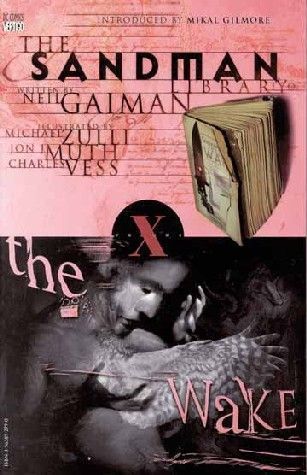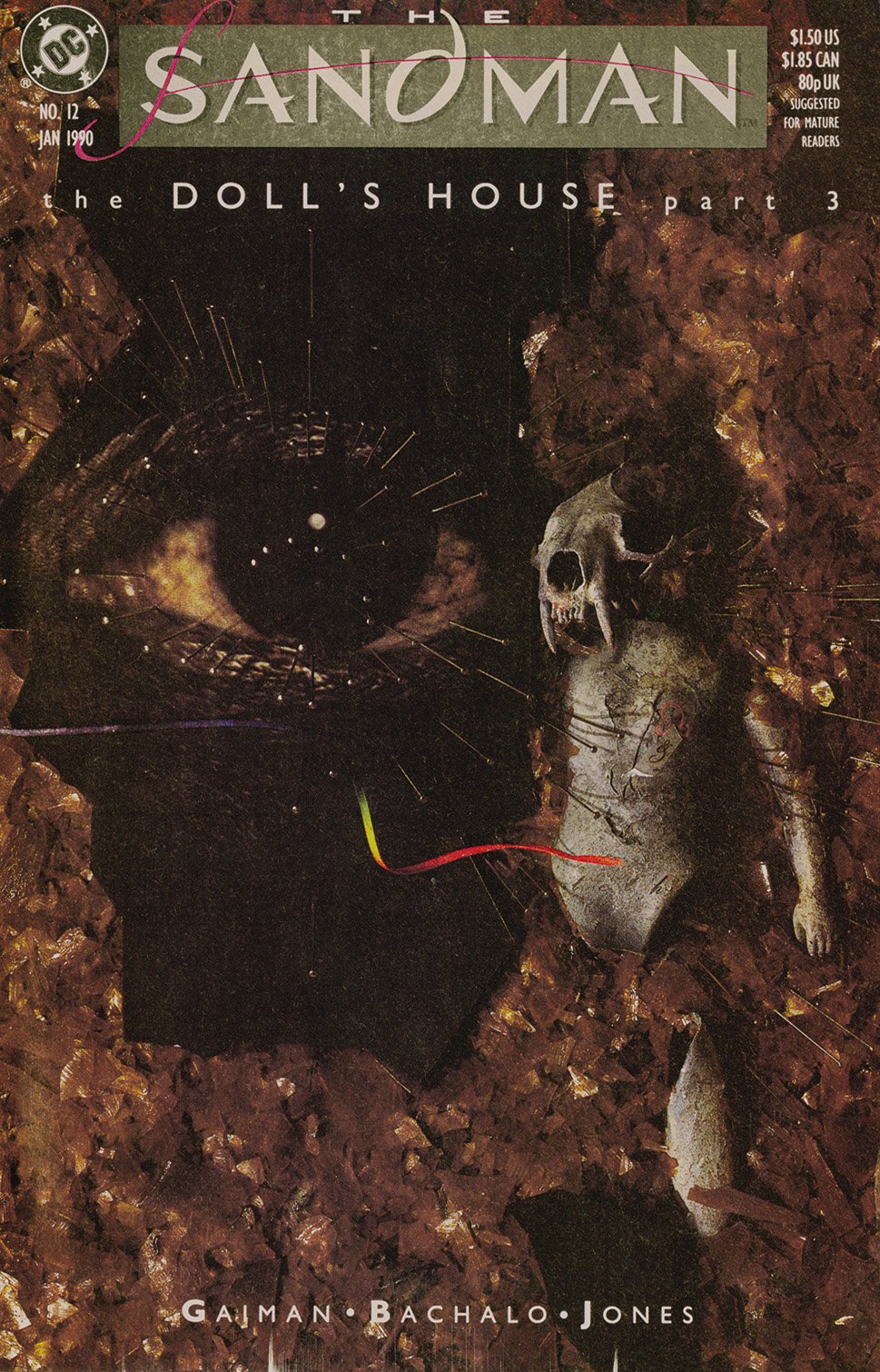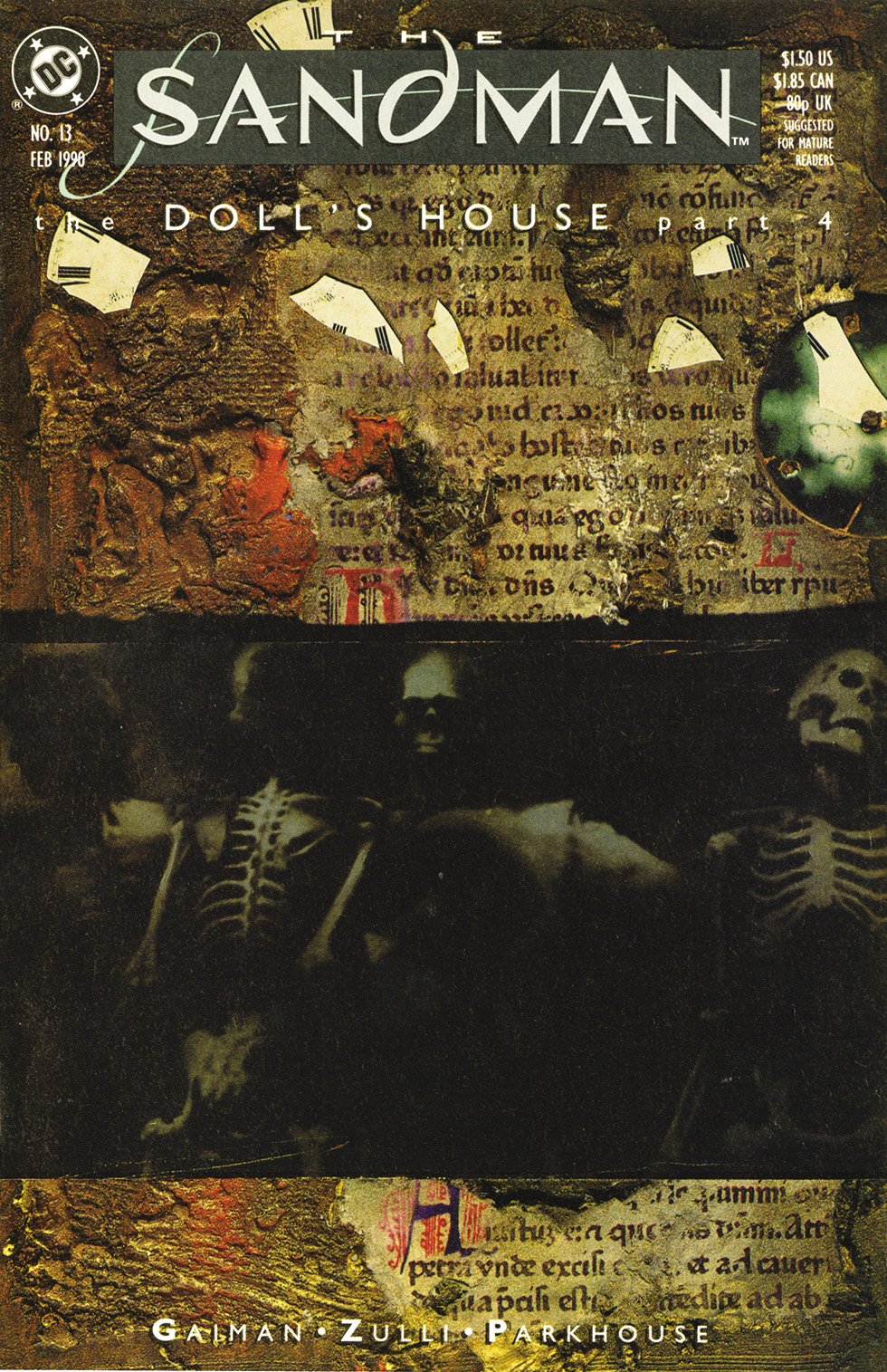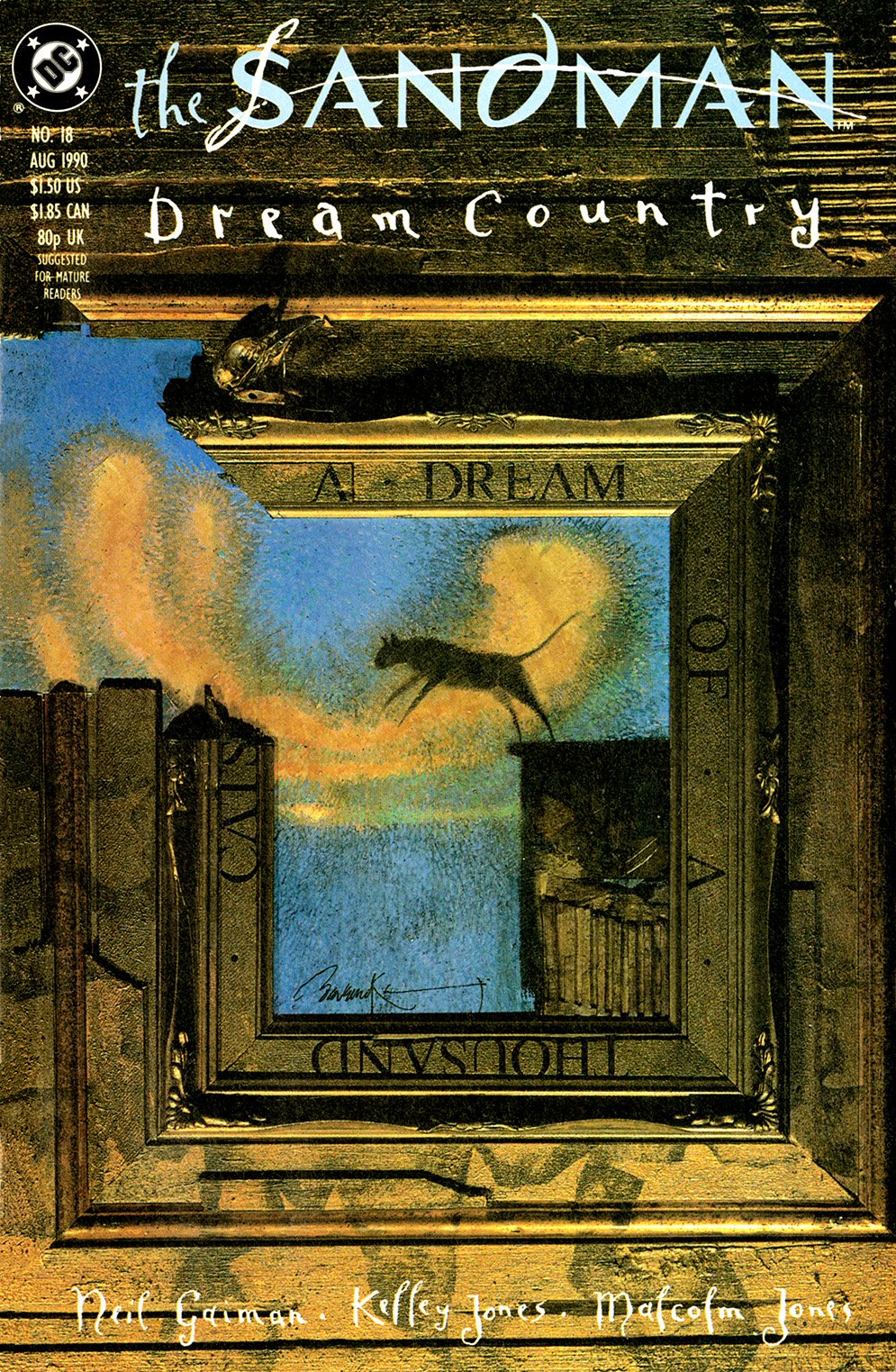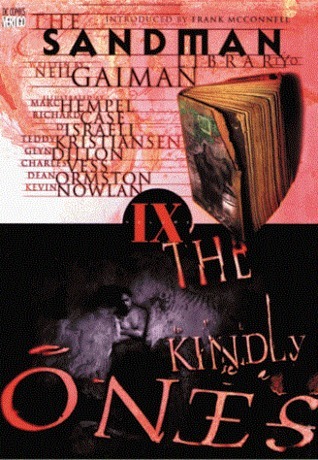

The ninth volume of the Sandman saga functions as a grand convergence, where the meticulous world-building of the previous eight installments transitions into a focused, inevitable tragedy. The narrative centers on a singular, devastating catalyst: the disappearance of Daniel, the young son of Lyta Hall. Convinced that Morpheus, the Lord of Dreams, is responsible for the child’s presumed death, Lyta’s grief curdles into a mythic fury. Her quest for retribution leads her to the Eumenides—ancient personifications of vengeance also known as the "Kindly Ones"—who have been waiting for a legal and metaphysical opening to strike at the Endless.
As the longest arc in the series, this volume explores the suffocating weight of responsibility and the danger of rigid adherence to ancient laws. Morpheus, a being who has spent eons defining himself by his duties, finds his realm and his personhood under siege from an enemy that operates within the very rules he has spent a lifetime upholding. The conflict is not merely one of physical or magical prowess, but of moral and legal technicalities. Because Morpheus has previously spilled family blood—a crime of cosmic proportions—he is vulnerable to the Furies in a way that no external threat could ever achieve.
The world-building in this volume shifts from the whimsical or horrific vignettes of earlier books toward a rigid, legalistic atmosphere. The Dreaming is depicted not just as a realm of imagination, but as a territory governed by ancient "lore" and strict boundaries. The Furies are not villains in a traditional sense; they are functions of the universe. They cannot act until a specific moral threshold is crossed. This volume emphasizes the "blood-tie" as the most potent force in the Sandman universe, establishing that even an Endless is subject to the repercussions of domestic tragedy. The atmosphere is one of encroaching shadows and the sense that the environment itself is turning against its master.
The central development focuses on the friction between Morpheus’s emerging humanity and his ancient, inflexible nature. In previous volumes, Dream began to show signs of empathy and a desire to right past wrongs. However, in the first half of this arc, his growth is tested by his inability to act outside of his defined role. He is a character who recognizes the storm approaching but refuses to abandon his post or break protocol to save himself. Parallel to this is Lyta Hall’s descent; her arc is a harrowing look at how personal trauma can be manipulated by external, more ancient forces to serve a larger, darker purpose.
This volume subverts the traditional "final battle" trope of the graphic novel medium. Rather than a standard escalation of physical combat, the narrative utilizes the tropes of Greek Tragedy. The focus is on the hamartia—the fatal flaw—of the protagonist. By choosing to center the conflict on a mother's grief and a series of past mistakes rather than a new external villain, the story reframes the genre as a tragedy of manners and consequences. It avoids the "hero versus villain" dynamic, instead presenting a collision between two parties who both believe they are acting within the rights of their respective laws and losses.
The ninth volume of the Sandman saga functions as a grand convergence, where the meticulous world-building of the previous eight installments transitions into a focused, inevitable tragedy. The narrative centers on a singular, devastating catalyst: the disappearance of Daniel, the young son of Lyta Hall. Convinced that Morpheus, the Lord of Dreams, is responsible for the child’s presumed death, Lyta’s grief curdles into a mythic fury. Her quest for retribution leads her to the Eumenides—ancient personifications of vengeance also known as the "Kindly Ones"—who have been waiting for a legal and metaphysical opening to strike at the Endless.
As the longest arc in the series, this volume explores the suffocating weight of responsibility and the danger of rigid adherence to ancient laws. Morpheus, a being who has spent eons defining himself by his duties, finds his realm and his personhood under siege from an enemy that operates within the very rules he has spent a lifetime upholding. The conflict is not merely one of physical or magical prowess, but of moral and legal technicalities. Because Morpheus has previously spilled family blood—a crime of cosmic proportions—he is vulnerable to the Furies in a way that no external threat could ever achieve.
The world-building in this volume shifts from the whimsical or horrific vignettes of earlier books toward a rigid, legalistic atmosphere. The Dreaming is depicted not just as a realm of imagination, but as a territory governed by ancient "lore" and strict boundaries. The Furies are not villains in a traditional sense; they are functions of the universe. They cannot act until a specific moral threshold is crossed. This volume emphasizes the "blood-tie" as the most potent force in the Sandman universe, establishing that even an Endless is subject to the repercussions of domestic tragedy. The atmosphere is one of encroaching shadows and the sense that the environment itself is turning against its master.
The central development focuses on the friction between Morpheus’s emerging humanity and his ancient, inflexible nature. In previous volumes, Dream began to show signs of empathy and a desire to right past wrongs. However, in the first half of this arc, his growth is tested by his inability to act outside of his defined role. He is a character who recognizes the storm approaching but refuses to abandon his post or break protocol to save himself. Parallel to this is Lyta Hall’s descent; her arc is a harrowing look at how personal trauma can be manipulated by external, more ancient forces to serve a larger, darker purpose.
This volume subverts the traditional "final battle" trope of the graphic novel medium. Rather than a standard escalation of physical combat, the narrative utilizes the tropes of Greek Tragedy. The focus is on the hamartia—the fatal flaw—of the protagonist. By choosing to center the conflict on a mother's grief and a series of past mistakes rather than a new external villain, the story reframes the genre as a tragedy of manners and consequences. It avoids the "hero versus villain" dynamic, instead presenting a collision between two parties who both believe they are acting within the rights of their respective laws and losses.
Add to your library to track progress and write reviews
44 books in catalog
Groundbreaking dark fantasy comic books and dark, whimsical prose fiction have reshaped speculative literature, most famously through the comic book series The Sandman. English author Neil Gaiman, born Neil Richard Gaiman on 10 November 1960, created this influential series before publishing widely acclaimed fantasy novels including Stardust, American Gods, Coraline, and The Graveyard Book.
Born Neil Richard Gaiman in Portchester, Hampshire, UK, he spent much of his childhood reading in public libraries, where he discovered the works of C.S. Lewis, J.R.R. Tolkien, Edgar Allan Poe, Ursula K. LeGuin, and G.K. Chesterton. He began his professional career in journalism before transitioning into comic book writing in the late 1980s, gaining prominence with Black Orchid in 1988 and launching The Sandman series for DC Comics' Vertigo imprint in 1989. Over the subsequent decades, he expanded into writing novels, short fiction, audio theatre, screenplays, and films, eventually taking up residence in the United States near Minneapolis.
His fiction has earned widespread critical recognition, receiving Hugo, Nebula, and Bram Stoker awards. In 2008, he published The Graveyard Book, becoming the first author to win both the American Newbery Medal and the British Carnegie Medal for the same work. In 2013, his novel The Ocean at the End of the Lane was voted Book of the Year in the British National Book Awards. His extensive bibliography and media adaptations continued to draw major critical attention through 2017 and beyond.
Gaiman's literary work is noted for combining imaginative fantasy with a darkly humorous tone, fusing modern settings with classical mythology, folklore, and fairy tale motifs. His stories frequently explore themes of memory, childhood innocence, ancient gods navigating contemporary society, and the fundamental power of stories. Across all age categories, his narratives balance gothic atmosphere with warm human empathy and sharp observational wit.

44 books in catalog
Groundbreaking dark fantasy comic books and dark, whimsical prose fiction have reshaped speculative literature, most famously through the comic book series The Sandman. English author Neil Gaiman, born Neil Richard Gaiman on 10 November 1960, created this influential series before publishing widely acclaimed fantasy novels including Stardust, American Gods, Coraline, and The Graveyard Book.
Born Neil Richard Gaiman in Portchester, Hampshire, UK, he spent much of his childhood reading in public libraries, where he discovered the works of C.S. Lewis, J.R.R. Tolkien, Edgar Allan Poe, Ursula K. LeGuin, and G.K. Chesterton. He began his professional career in journalism before transitioning into comic book writing in the late 1980s, gaining prominence with Black Orchid in 1988 and launching The Sandman series for DC Comics' Vertigo imprint in 1989. Over the subsequent decades, he expanded into writing novels, short fiction, audio theatre, screenplays, and films, eventually taking up residence in the United States near Minneapolis.
His fiction has earned widespread critical recognition, receiving Hugo, Nebula, and Bram Stoker awards. In 2008, he published The Graveyard Book, becoming the first author to win both the American Newbery Medal and the British Carnegie Medal for the same work. In 2013, his novel The Ocean at the End of the Lane was voted Book of the Year in the British National Book Awards. His extensive bibliography and media adaptations continued to draw major critical attention through 2017 and beyond.
Gaiman's literary work is noted for combining imaginative fantasy with a darkly humorous tone, fusing modern settings with classical mythology, folklore, and fairy tale motifs. His stories frequently explore themes of memory, childhood innocence, ancient gods navigating contemporary society, and the fundamental power of stories. Across all age categories, his narratives balance gothic atmosphere with warm human empathy and sharp observational wit.
The Sandman
The Sandman