SSansFiction
The libraryCollectionsJournalStatsFor authors
Sign inJoin now
Sansfiction,

A digital library for books. Made by readers, for readers.

v 2.0 · 2026
The library
  • Discover
  • Collections
  • Book tracker
  • Journal
  • Stats
For authors
  • SF Links
  • Analytics
  • How it works
  • FAQ
Elsewhere
  • X / @sansfiction
  • Privacy
  • Terms
  • Contact
© 2026 SansFiction · Digital · GlobalA quiet room for your reading life.
The libraryCollectionsJournalStatsFor authors
Sign inJoin now →
Navigation
Library
Bookshelf
Journal
Discover
Collections
Tierlists
Stats
Profile
Author Page
Link Builder
Account
Sign in
S
G
BookscomicsThe Sandman #18: A Dream of a Thousand Cats
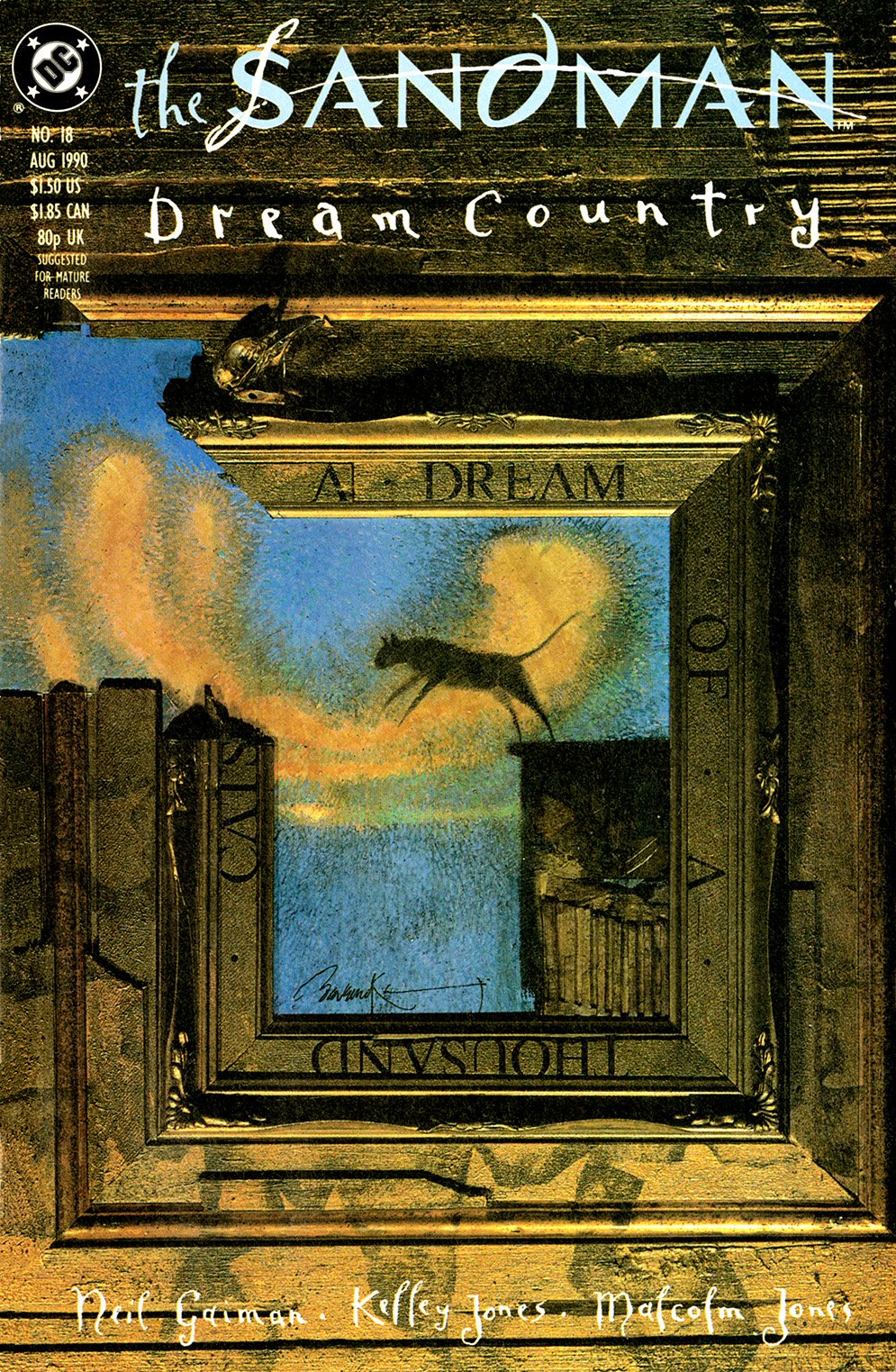
Cover of The Sandman #18: A Dream of a Thousand Cats by Neil Gaiman
№ 18 · The Sandman

The Sandman #18: A Dream of a Thousand Cats,

by Neil Gaiman, Dave McKean, Malcolm Jones, Kelly Jones, Kelley Jones

Ask AI
Rating4.2/ 5
Ratings6
Pages25
Reading Hours1h
Published1990
LanguageEnglish

§Synopsis

01

Deep in the quiet hours of the night, while their human owners sleep, a diverse assembly of domestic cats gathers in a secluded graveyard to hear a sermon. The speaker is an elegant, travel-worn Siamese who claims to have witnessed a truth that renders the current state of the world a mere temporary illusion. Her message is not one of feline mischief, but of ontological revolution: the belief that reality is not a fixed physical constant, but a malleable consensus dictated by the collective dreams of those who inhabit it.

The central tension of this narrative lies in the staggering weight of memory against the comfort of the status quo. As the Siamese recounts her journey into the heart of the Dreaming to seek an audience with the Cat of Dreams, she reveals a hidden history where the roles of hunter and prey were once reversed. This encounter sets the stage for a grand philosophical experiment in collective agency, posing the question of whether a marginalized group can fundamentally reorder the universe simply by imagining a different version of the past.

World Building: The Ontological Fluidity of the Dreaming

Gaiman introduces a version of the DC Universe where the laws of physics are secondary to the laws of narrative and belief. In this standalone entry, the "Dream Country" is not a static location but a reflection of the dreamer; when cats dream, they do not visit a human-centric realm, but a feline landscape governed by their own instincts and archetypes. The atmosphere is one of dark whimsicality, shifting between the domestic safety of a suburban backyard and the vast, terrifying scale of a primordial reality. The core mechanic of this world is "Retroactive Reality"—the idea that if enough beings dream of a different world, that world will not only become the present but will have always been the truth from the beginning of time.

Main Characters

  • The Siamese Prophet: A sophisticated and driven feline who, after a personal tragedy, seeks out the Lord of Dreams to understand the nature of her existence.
  • The Kitten: A small, wide-eyed observer who serves as the reader’s proxy, representing the skepticism and curiosity of a new generation hearing a radical truth.
  • The Cat of Dreams (Morpheus): A manifestation of the Sandman that appears as a massive, black-furred entity with glowing embers for eyes, providing cryptic wisdom tailored to the feline perspective.
  • The Human Owners: Background figures whose perceived dominance is portrayed as a fragile, accidental byproduct of a collective mental shift they do not even remember making.

Character Development and Dynamics

The story focuses on the evolution of the Siamese Prophet from a grief-stricken pet into a tireless visionary. Her initial motivation is born from a traumatic realization of her own powerlessness, which leads to a quest for cosmic justice. The dynamic between the Prophet and her feline audience highlights a classic struggle between the visionary and the complacent; she offers them a dream of absolute power, yet requires them to sacrifice their current comforts for a goal that may not be realized in their lifetimes. This creates a poignant tension between individual instinct and the cold requirements of a revolutionary movement.

Major Tropes and Subversions

Gaiman utilizes the Animal Fable trope but strips away the typical moralizing seen in Aesop or Orwell, replacing it with a cosmic horror sensibility. While many stories explore the "Secret Life of Pets," this issue subverts the trope by suggesting that pets are not just living secret lives, but are potentially the architects of their own imprisonment. It also plays with the Chosen One motif; however, the Prophet is not "chosen" by destiny, but rather burdened by a terrifying knowledge that she must now attempt to distribute to a disinterested and distracted populace. The narrative functions as a meta-commentary on the power of storytelling itself, suggesting that stories are the primary tools used to build and demolish civilizations.

Track this book

Add to your library to track progress and write reviews

§Genres
comics1fantasy1

§About the Author

Neil Gaiman
Neil Gaiman

44 books in catalog

Groundbreaking dark fantasy comic books and dark, whimsical prose fiction have reshaped speculative literature, most famously through the comic book series The Sandman. English author Neil Gaiman, born Neil Richard Gaiman on 10 November 1960, created this influential series before publishing widely acclaimed fantasy novels including Stardust, American Gods, Coraline, and The Graveyard Book.

Career & Background

Born Neil Richard Gaiman in Portchester, Hampshire, UK, he spent much of his childhood reading in public libraries, where he discovered the works of C.S. Lewis, J.R.R. Tolkien, Edgar Allan Poe, Ursula K. LeGuin, and G.K. Chesterton. He began his professional career in journalism before transitioning into comic book writing in the late 1980s, gaining prominence with Black Orchid in 1988 and launching The Sandman series for DC Comics' Vertigo imprint in 1989. Over the subsequent decades, he expanded into writing novels, short fiction, audio theatre, screenplays, and films, eventually taking up residence in the United States near Minneapolis.

His fiction has earned widespread critical recognition, receiving Hugo, Nebula, and Bram Stoker awards. In 2008, he published The Graveyard Book, becoming the first author to win both the American Newbery Medal and the British Carnegie Medal for the same work. In 2013, his novel The Ocean at the End of the Lane was voted Book of the Year in the British National Book Awards. His extensive bibliography and media adaptations continued to draw major critical attention through 2017 and beyond.

Writing Style & Themes

Gaiman's literary work is noted for combining imaginative fantasy with a darkly humorous tone, fusing modern settings with classical mythology, folklore, and fairy tale motifs. His stories frequently explore themes of memory, childhood innocence, ancient gods navigating contemporary society, and the fundamental power of stories. Across all age categories, his narratives balance gothic atmosphere with warm human empathy and sharp observational wit.

Major Works

  • The Graveyard Book — Published in 2008, this novel tells the story of an orphaned boy raised by supernatural inhabitants of a cemetery, winning both the Newbery Medal and Carnegie Medal.
  • Good Omens: The Nice and Accurate Prophecies of Agnes Nutter, Witch — Co-authored with Terry Pratchett in 1990, this comedic novel follows an angel and a demon collaborating to prevent the coming apocalypse.
  • Anansi Boys — First published in 2005, this fantasy novel explores West African mythology and family dynamics through the sons of the trickster god Anansi.
  • Fragile Things: Short Fictions and Wonders — A 2006 collection of short stories and poetry highlighting Gaiman's range in urban fantasy, horror, and speculative fiction.
  • The Sandman #1: Sleep of the Just — The 1989 premiere issue of the landmark Vertigo comic book series that introduced Lord Morpheus, the King of Dreams.

§Featured Series

The Sandman

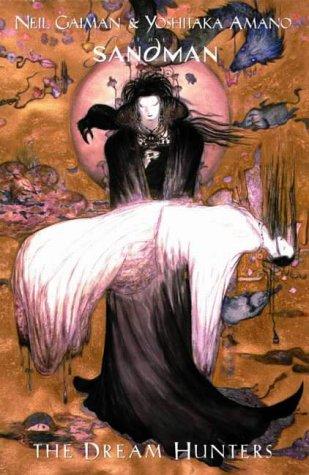
Cover of The Sandman: The Dream Hunters by Neil Gaiman

The Sandman: The Dream Hunters

Neil Gaiman, 1999
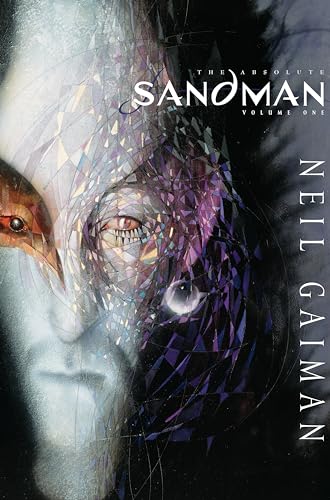
Cover of The Absolute Sandman, Volume One

The Absolute Sandman, Volume One

1990
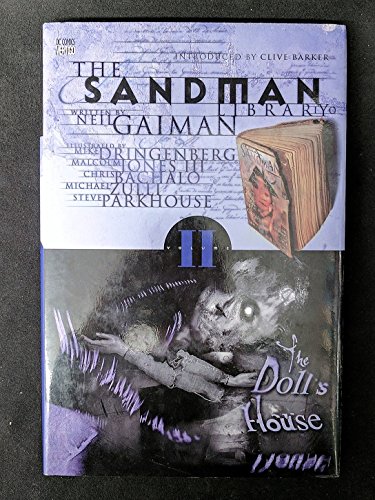
Cover of The Sandman, Vol. 2: The Doll's House by Neil Gaiman

The Sandman, Vol. 2: The Doll's House

Neil Gaiman, 1989
Cover of The Sandman #3: Dream a Little Dream of Me by Neil Gaiman, Dave McKean, Sam Kieth

The Sandman #3: Dream a Little Dream of Me

Neil Gaiman, 1989
Cover of The Sandman: Estación de Nieblas by Neil Gaiman

The Sandman: Estación de Nieblas

Neil Gaiman, 1990
Cover of The Sandman #5: Passengers by Neil Gaiman

The Sandman #5: Passengers

Neil Gaiman, 1989
Cover of The Sandman #6: 24 Hours by Neil Gaiman

The Sandman #6: 24 Hours

Neil Gaiman, 1989
Cover of The Sandman, Vol. 7: Brief Lives by Neil Gaiman

The Sandman, Vol. 7: Brief Lives

Neil Gaiman, 1993
Cover of The Sandman, Vol. 8: Worlds' End by Neil Gaiman

The Sandman, Vol. 8: Worlds' End

Neil Gaiman, 1991
Cover of The Sandman, Vol. 9: The Kindly Ones by Neil Gaiman, Marc Hempel

The Sandman, Vol. 9: The Kindly Ones

Neil Gaiman, 1995
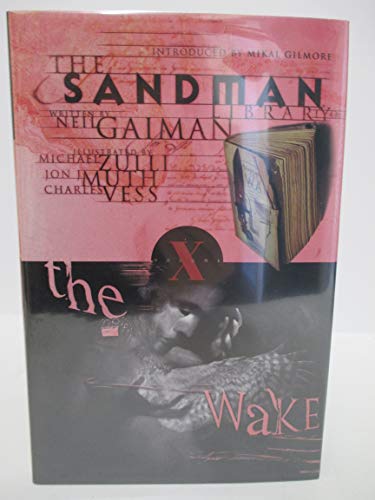
Cover of The Sandman, Vol. 10: The Wake by Neil Gaiman

The Sandman, Vol. 10: The Wake

Neil Gaiman, 1989
Cover of The Sandman #11: Moving In by Neil Gaiman

The Sandman #11: Moving In

Neil Gaiman, 1989
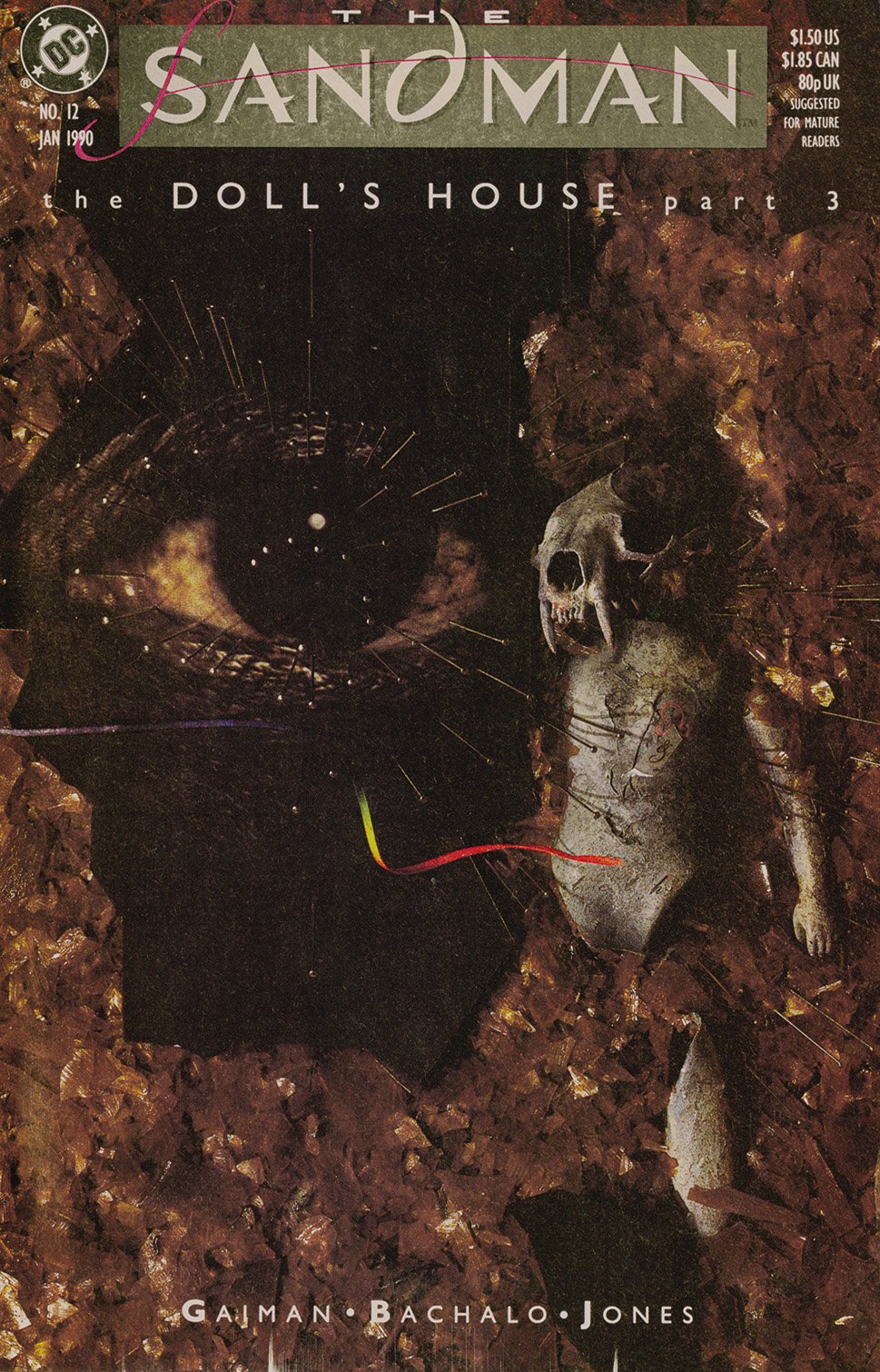
Cover of The Sandman #12: Playing House by Neil Gaiman

The Sandman #12: Playing House

Neil Gaiman, 1989
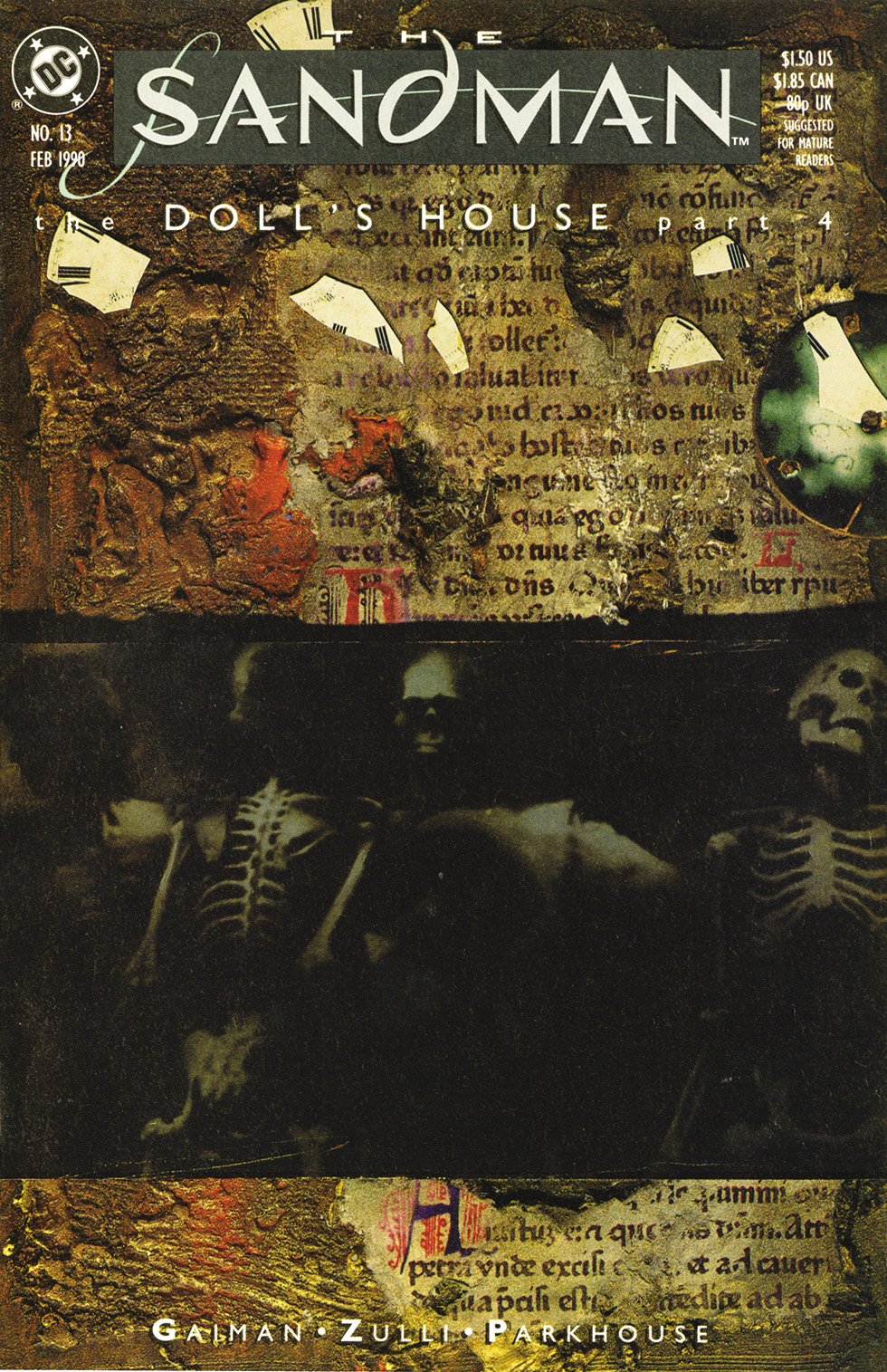
Cover of The Sandman #13: Men of Good Fortune by Neil Gaiman

The Sandman #13: Men of Good Fortune

Neil Gaiman, 1990
Cover of The Sandman #14: Collectors by Neil Gaiman

The Sandman #14: Collectors

Neil Gaiman, 1990
Cover of The Sandman #15: Into the Night by Neil Gaiman

The Sandman #15: Into the Night

Neil Gaiman, 2010
Cover of The Sandman #16: Lost Hearts by Neil Gaiman

The Sandman #16: Lost Hearts

Neil Gaiman, 1990
Cover of The Sandman #17: Calliope by Neil Gaiman

The Sandman #17: Calliope

Neil Gaiman, 1990
Cover of The Sandman #18: A Dream of a Thousand Cats by Neil Gaiman

The Sandman #18: A Dream of a Thousand Cats

Neil Gaiman, 1990
Cover of The Sandman #19: A Midsummer Night's Dream by Neil Gaiman

The Sandman #19: A Midsummer Night's Dream

Neil Gaiman, 1990

§Editions

Cover of The Sandman #18: A Dream of a Thousand Cats

The Sandman #18: A Dream of a Thousand Cats

engKindle
Vertigo1990B00CRUC5Y0
Amazon
§Genres
comics1fantasy1

Metadata

ASINB00CRUC5Y0

Editions and availability

Find The Sandman #18: A Dream of a Thousand Cats Neil Gaiman in PDF, EPUB, ebook, audiobook, print, or library editions.

View on Amazon
Bookshop.orgGoogle Play BooksOpen Library