by Neil Gaiman, Kelley Jones, Mike Dringenberg, Matt Wagner, George Pratt, ,

by Neil Gaiman, Kelley Jones, Mike Dringenberg, Matt Wagner, George Pratt, ,
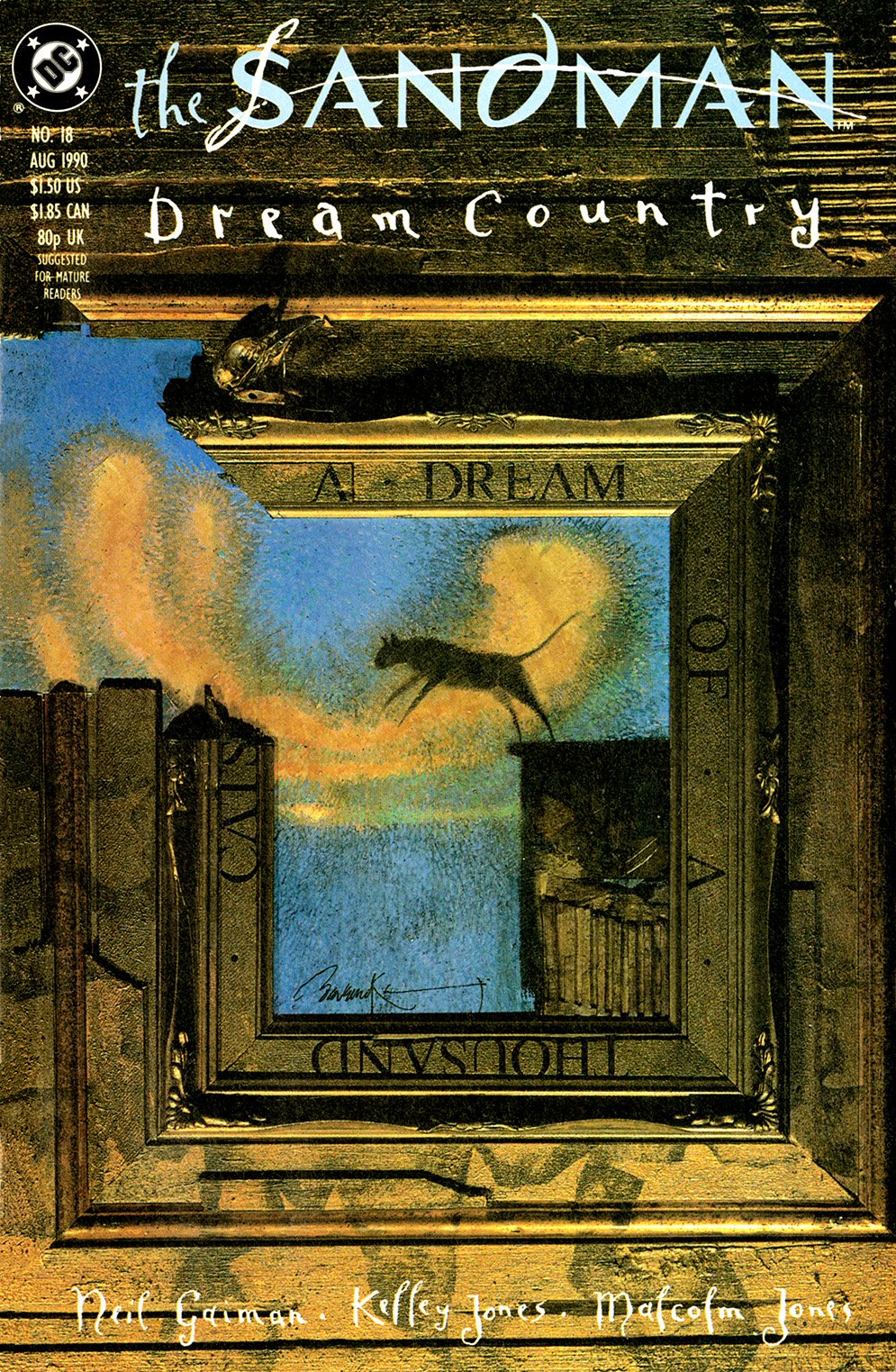
At the heart of Season of Mists lies a profound reckoning with the consequences of absolute power and the weight of ancient grudges. Morpheus, the Lord of Dreams, finds himself forced to confront a decision he made ten millennia ago: the condemnation of a lover, Nada, to eternal torment in Hell. Spurred by a rare moment of familial intervention and a stinging rebuke from his sister, Death, Morpheus must set aside his legendary pride to right an old wrong. It is a journey defined not by physical combat, but by the psychological burden of a monarch realizing he has been a tyrant.
The stakes are immediately elevated from personal atonement to cosmic upheaval. Returning to the gates of Hell is a precarious venture, as Dream’s previous visit left the adversary Lucifer Morningstar with a vow of revenge. This volume shifts the focus from the restoration of a realm to the complexities of diplomatic and moral debt, exploring how a being who personifies the very essence of story deals with a narrative he can no longer justify. As Morpheus prepares for a confrontation he expects to be his end, the story examines the structural integrity of the afterlife and the heavy crown worn by those who personify the forces of the universe.
The world-building in this volume expands the Sandman universe into a structured, metaphysical hierarchy. It introduces the "Endless"—seven siblings who are not gods, but the literal personifications of the forces that define existence: Destiny, Death, Dream, Destruction, Desire, Despair, and Delirium. The narrative establishes that these entities are bound by ancient laws and protocols more rigid than those of any mortal kingdom. The setting shifts from the surreal, shifting sands of the Dreaming to the cold, structured halls of the Endless and the desolate, sulfurous plains of Hell, illustrating a universe where geography is defined by purpose and belief.
The central character arc follows Morpheus as he undergoes a painful transition from an immutable force of nature to a being capable of self-reflection. Traditionally characterized by an uncompromising adherence to duty and a chilling lack of empathy, Morpheus begins to display the "change" that the series suggests is necessary for survival. His relationship with his siblings, particularly the contrast between the nurturing wisdom of Death and the malicious prodding of Desire, highlights his initial rigidity and the slow, agonizing process of admitting a mistake. His preparation for the journey to Hell is not a hero’s bravado, but a somber acceptance of accountability.
Gaiman utilizes and then subverts the "Harrowing of Hell" and the "Quest for Redemption" tropes. While most fantasies treat a descent into the underworld as a series of physical trials or battles against demonic hordes, Season of Mists treats it as a diplomatic and philosophical crisis. The trope of the "Ultimate Evil" is challenged through the characterization of Lucifer, who is presented not as a cartoonish villain, but as a complex intellectual figure burdened by his own existence. By removing the element of traditional combat, the story focuses on the "Insolvable Dilemma," where the protagonist’s greatest obstacle is not a monster, but the sudden, terrifying vacuum of power.
At the heart of Season of Mists lies a profound reckoning with the consequences of absolute power and the weight of ancient grudges. Morpheus, the Lord of Dreams, finds himself forced to confront a decision he made ten millennia ago: the condemnation of a lover, Nada, to eternal torment in Hell. Spurred by a rare moment of familial intervention and a stinging rebuke from his sister, Death, Morpheus must set aside his legendary pride to right an old wrong. It is a journey defined not by physical combat, but by the psychological burden of a monarch realizing he has been a tyrant.
The stakes are immediately elevated from personal atonement to cosmic upheaval. Returning to the gates of Hell is a precarious venture, as Dream’s previous visit left the adversary Lucifer Morningstar with a vow of revenge. This volume shifts the focus from the restoration of a realm to the complexities of diplomatic and moral debt, exploring how a being who personifies the very essence of story deals with a narrative he can no longer justify. As Morpheus prepares for a confrontation he expects to be his end, the story examines the structural integrity of the afterlife and the heavy crown worn by those who personify the forces of the universe.
The world-building in this volume expands the Sandman universe into a structured, metaphysical hierarchy. It introduces the "Endless"—seven siblings who are not gods, but the literal personifications of the forces that define existence: Destiny, Death, Dream, Destruction, Desire, Despair, and Delirium. The narrative establishes that these entities are bound by ancient laws and protocols more rigid than those of any mortal kingdom. The setting shifts from the surreal, shifting sands of the Dreaming to the cold, structured halls of the Endless and the desolate, sulfurous plains of Hell, illustrating a universe where geography is defined by purpose and belief.
The central character arc follows Morpheus as he undergoes a painful transition from an immutable force of nature to a being capable of self-reflection. Traditionally characterized by an uncompromising adherence to duty and a chilling lack of empathy, Morpheus begins to display the "change" that the series suggests is necessary for survival. His relationship with his siblings, particularly the contrast between the nurturing wisdom of Death and the malicious prodding of Desire, highlights his initial rigidity and the slow, agonizing process of admitting a mistake. His preparation for the journey to Hell is not a hero’s bravado, but a somber acceptance of accountability.
Gaiman utilizes and then subverts the "Harrowing of Hell" and the "Quest for Redemption" tropes. While most fantasies treat a descent into the underworld as a series of physical trials or battles against demonic hordes, Season of Mists treats it as a diplomatic and philosophical crisis. The trope of the "Ultimate Evil" is challenged through the characterization of Lucifer, who is presented not as a cartoonish villain, but as a complex intellectual figure burdened by his own existence. By removing the element of traditional combat, the story focuses on the "Insolvable Dilemma," where the protagonist’s greatest obstacle is not a monster, but the sudden, terrifying vacuum of power.
Add to your library to track progress and write reviews
44 books in catalog
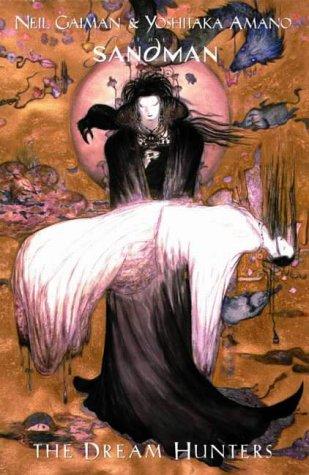
Groundbreaking dark fantasy comic books and dark, whimsical prose fiction have reshaped speculative literature, most famously through the comic book series The Sandman. English author Neil Gaiman, born Neil Richard Gaiman on 10 November 1960, created this influential series before publishing widely acclaimed fantasy novels including Stardust, American Gods, Coraline, and The Graveyard Book.
Born Neil Richard Gaiman in Portchester, Hampshire, UK, he spent much of his childhood reading in public libraries, where he discovered the works of C.S. Lewis, J.R.R. Tolkien, Edgar Allan Poe, Ursula K. LeGuin, and G.K. Chesterton. He began his professional career in journalism before transitioning into comic book writing in the late 1980s, gaining prominence with Black Orchid in 1988 and launching The Sandman series for DC Comics' Vertigo imprint in 1989. Over the subsequent decades, he expanded into writing novels, short fiction, audio theatre, screenplays, and films, eventually taking up residence in the United States near Minneapolis.
His fiction has earned widespread critical recognition, receiving Hugo, Nebula, and Bram Stoker awards. In 2008, he published The Graveyard Book, becoming the first author to win both the American Newbery Medal and the British Carnegie Medal for the same work. In 2013, his novel The Ocean at the End of the Lane was voted Book of the Year in the British National Book Awards. His extensive bibliography and media adaptations continued to draw major critical attention through 2017 and beyond.
Gaiman's literary work is noted for combining imaginative fantasy with a darkly humorous tone, fusing modern settings with classical mythology, folklore, and fairy tale motifs. His stories frequently explore themes of memory, childhood innocence, ancient gods navigating contemporary society, and the fundamental power of stories. Across all age categories, his narratives balance gothic atmosphere with warm human empathy and sharp observational wit.

44 books in catalog
Groundbreaking dark fantasy comic books and dark, whimsical prose fiction have reshaped speculative literature, most famously through the comic book series The Sandman. English author Neil Gaiman, born Neil Richard Gaiman on 10 November 1960, created this influential series before publishing widely acclaimed fantasy novels including Stardust, American Gods, Coraline, and The Graveyard Book.
Born Neil Richard Gaiman in Portchester, Hampshire, UK, he spent much of his childhood reading in public libraries, where he discovered the works of C.S. Lewis, J.R.R. Tolkien, Edgar Allan Poe, Ursula K. LeGuin, and G.K. Chesterton. He began his professional career in journalism before transitioning into comic book writing in the late 1980s, gaining prominence with Black Orchid in 1988 and launching The Sandman series for DC Comics' Vertigo imprint in 1989. Over the subsequent decades, he expanded into writing novels, short fiction, audio theatre, screenplays, and films, eventually taking up residence in the United States near Minneapolis.
His fiction has earned widespread critical recognition, receiving Hugo, Nebula, and Bram Stoker awards. In 2008, he published The Graveyard Book, becoming the first author to win both the American Newbery Medal and the British Carnegie Medal for the same work. In 2013, his novel The Ocean at the End of the Lane was voted Book of the Year in the British National Book Awards. His extensive bibliography and media adaptations continued to draw major critical attention through 2017 and beyond.
Gaiman's literary work is noted for combining imaginative fantasy with a darkly humorous tone, fusing modern settings with classical mythology, folklore, and fairy tale motifs. His stories frequently explore themes of memory, childhood innocence, ancient gods navigating contemporary society, and the fundamental power of stories. Across all age categories, his narratives balance gothic atmosphere with warm human empathy and sharp observational wit.
The Sandman
The Sandman