№ 2 · The Sandman
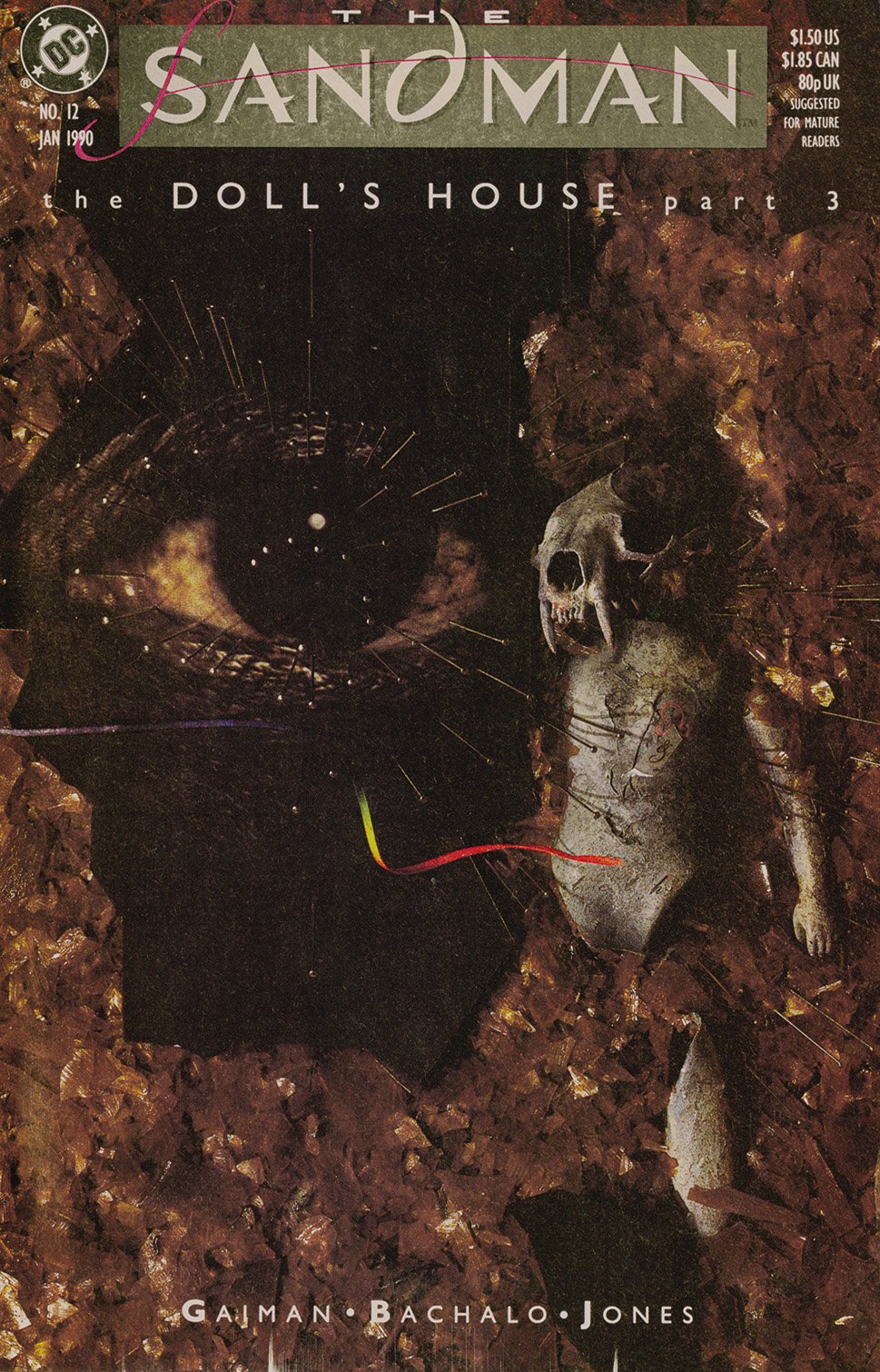
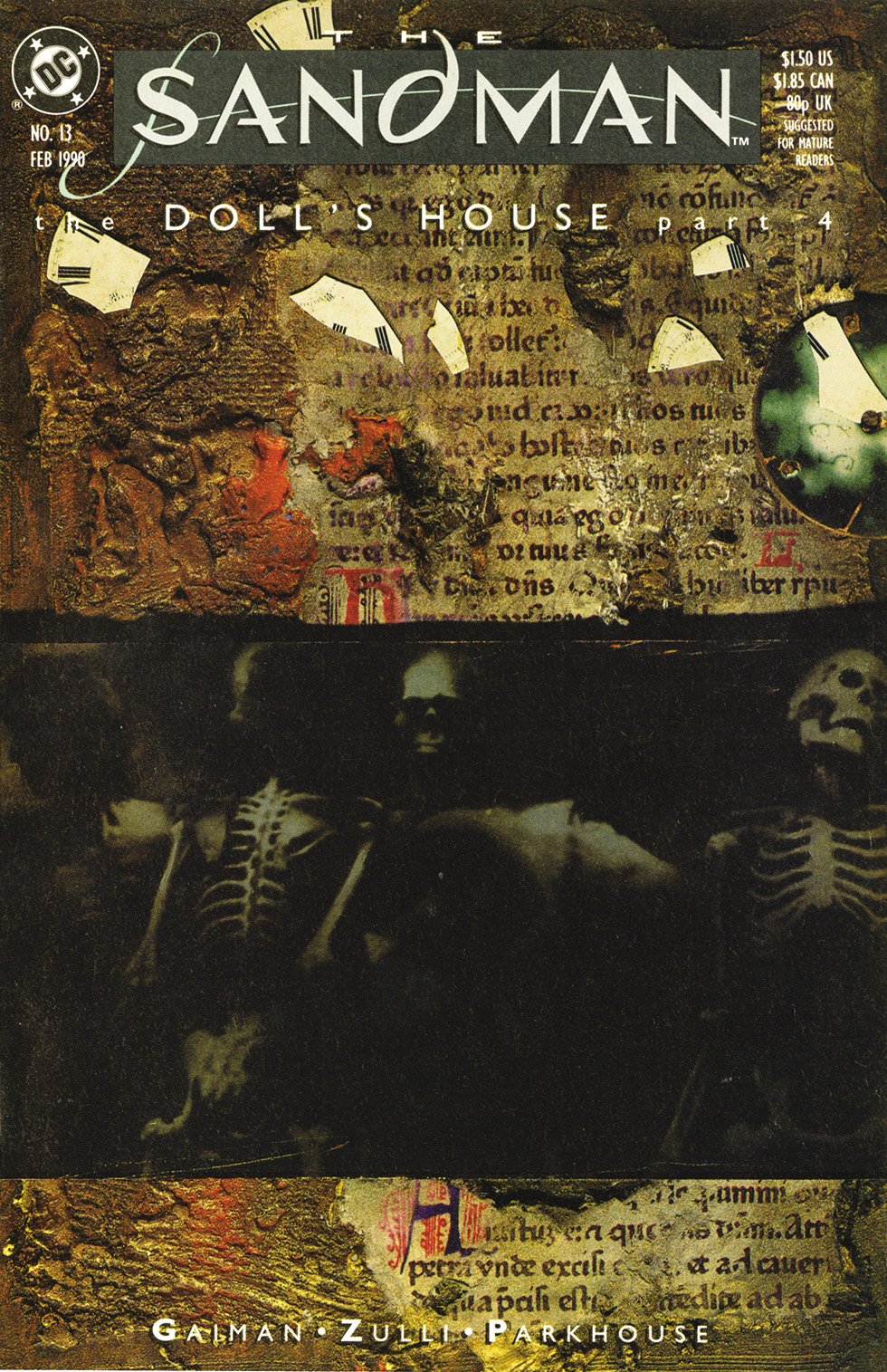
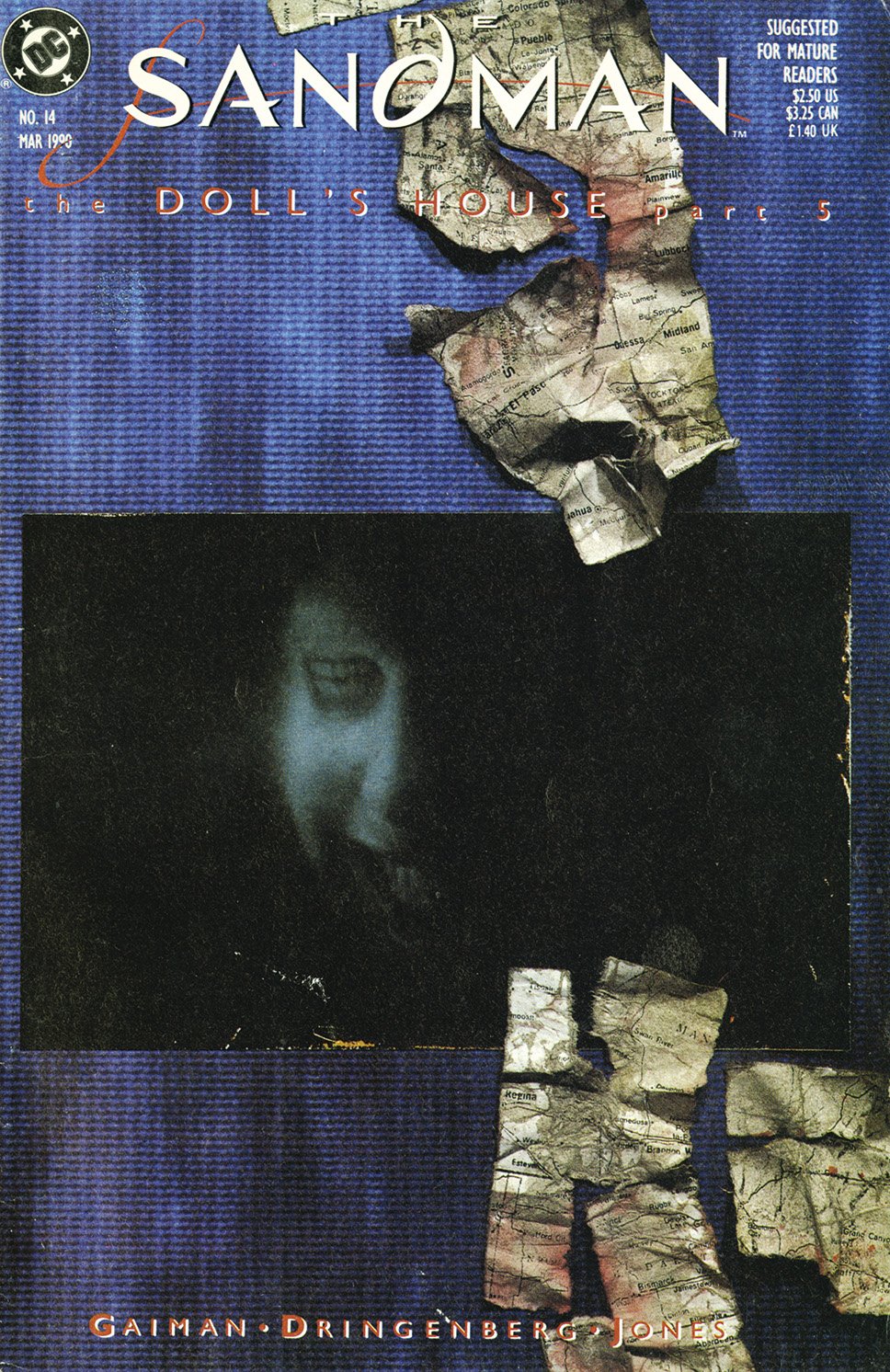
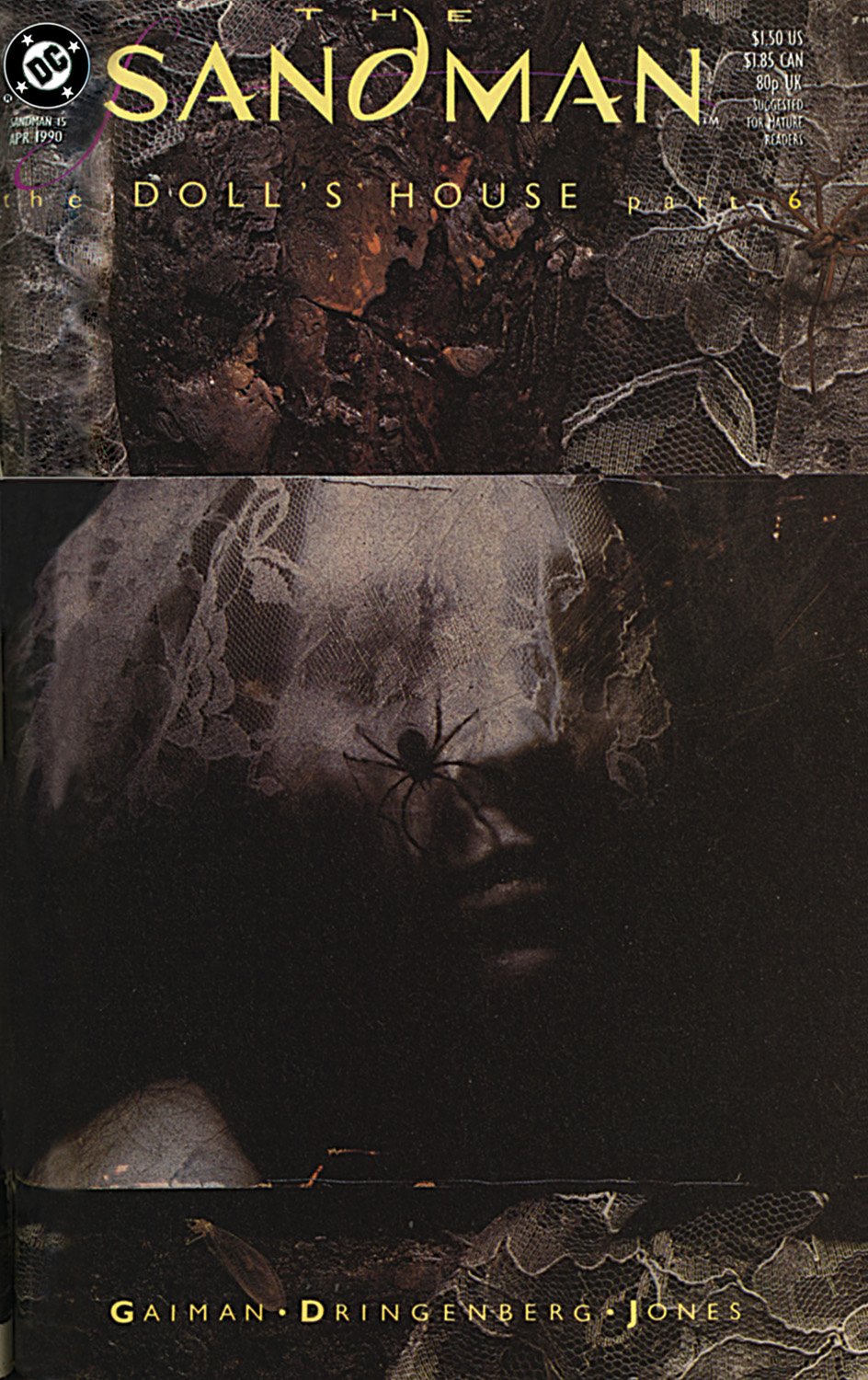
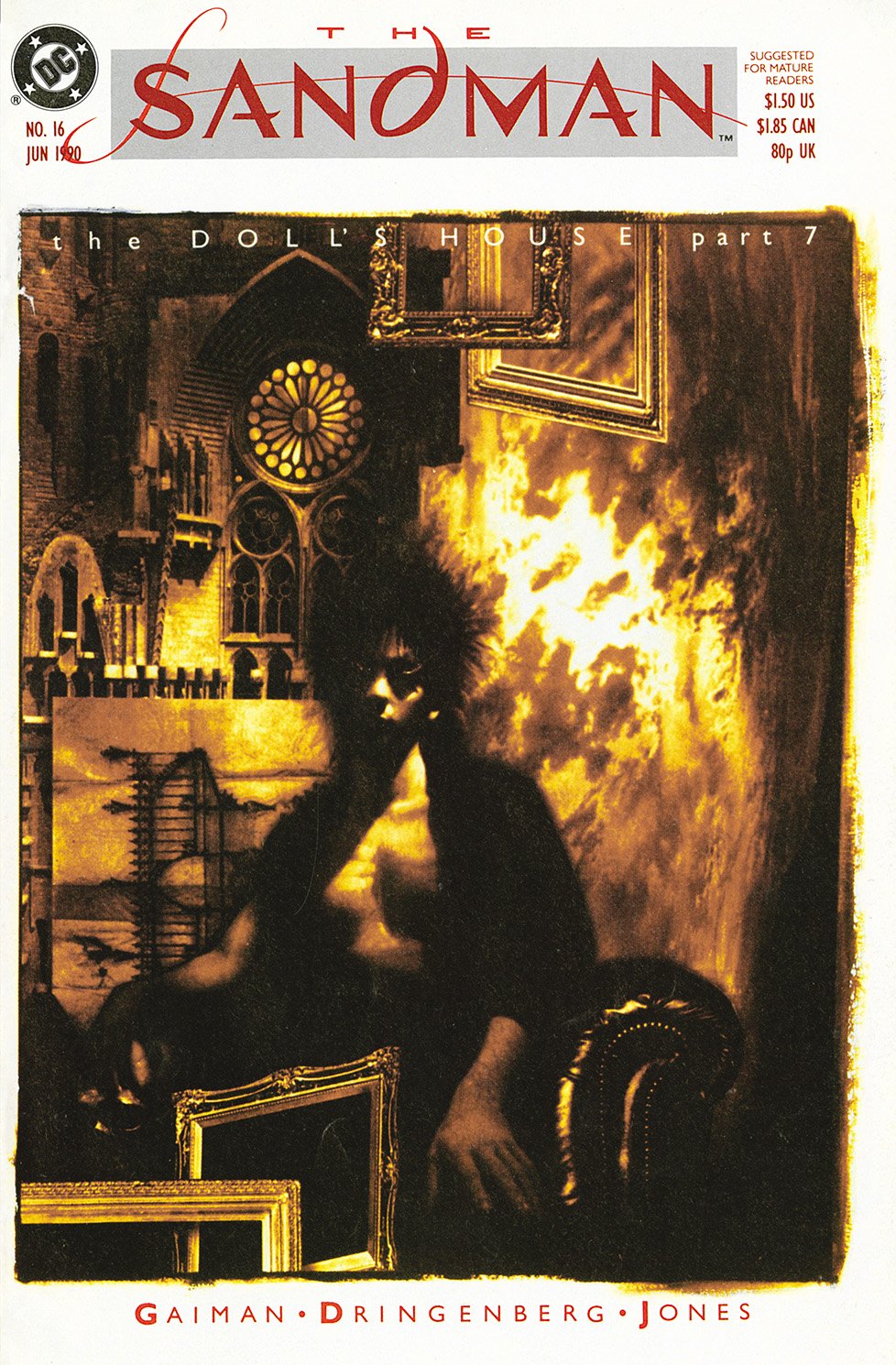
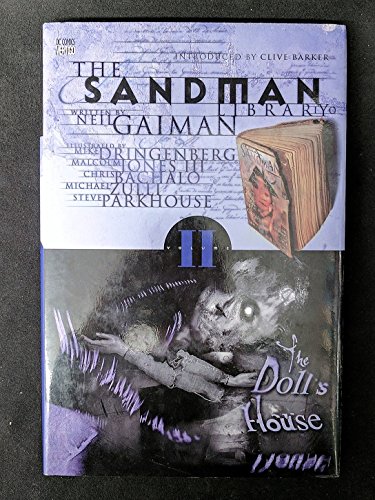
The Sandman, Vol. 2: The Doll's House,
by Neil Gaiman, Mike Dringenberg, Malcolm Jones III, Chris Bachalo, Michael Zulli, Steve Parkhouse, Clive Barker, Todd Klein
§Synopsis
01In the wake of a century-long captivity, Dream of the Endless—the somber personification of all that is not real—finds his kingdom in disarray and his subjects scattered. While his initial return was marked by the reclamation of his physical tools of office, the focus now shifts toward the administrative and moral consequences of his absence. The boundary between the waking world and the Dreaming has thinned, allowing entities designed to haunt the subconscious to walk among humanity, assuming lives and identities of their own.
Central to this instability is the emergence of a "Dream Vortex," a rare human anomaly with the unconscious power to collapse the barriers between individual minds. As Morpheus tracks four major arcana that escaped into the mortal plane during his imprisonment, he finds himself observing Rose Walker, a young woman searching for her lost brother. The narrative examines the intersection of cosmic law and human fragility, questioning whether the Endless move humanity like dolls, or if the collective weight of human desire is what truly dictates the path of the gods.
The Architecture of the Dreaming
The world of the Sandman operates on the principle that the Dreaming is a reflection of the collective human psyche. In this volume, Gaiman expands the geography of this realm, introducing the "Threshold"—the heart-shaped fortress of Dream’s sibling, Desire—and the "Soft Places," where time and geography lose their rigidity. The atmosphere is one of Gothic surrealism, where the rules of the waking world are secondary to the internal logic of myth. The narrative establishes that the Dreaming is not merely a place of sleep, but a functional ecosystem that requires constant maintenance, proving that when the Master of Dreams is away, the nightmares do not simply vanish; they evolve.
Main Characters
- Dream (Morpheus): The stoic, duty-bound ruler of the Dreaming who must balance the reconstruction of his realm with the necessity of hunting down his rogue creations.
- Rose Walker: A young woman with a unique blond-streaked hairstyle who travels to England to find her grandmother, unaware that her very existence threatens the stability of reality.
- The Corinthian: A nightmare created by Morpheus who has escaped into the waking world to indulge in human atrocities, characterized by the terrifying physical anomaly of having teeth where his eyes should be.
- Desire: One of the Endless and Dream’s younger sibling, a striking, androgynous entity who resides in a realm made of flesh and bone, motivated by a complex and antagonistic relationship with Morpheus.
- Unity Kinkaid: An elderly woman who spent decades as a victim of the "sleeping sickness" during Dream's imprisonment, serving as the biological and thematic link between Rose and the Dreaming.
Character Dynamics and Development
The narrative arc focuses on the education of Morpheus and the awakening of Rose Walker. Morpheus, traditionally rigid and cold, is forced to interact with the waking world more directly than in the past, showing the first cracks in his detached armor as he realizes the extent of the damage caused by his absence. Meanwhile, Rose Walker’s development is rooted in the "search for the lost relative" motif. Her journey is defined by a growing sense of alienation as she discovers that her family history is inextricably tied to cosmic forces she cannot control. The relationship between the two is one of predator and prey, though neither fully embraces those roles, as Dream’s duty to protect the Dreaming clashes with the inherent innocence of the Vortex.
Major Tropes and Narrative Subversion
Gaiman utilizes and subverts several genre conventions to ground the high-concept fantasy:
- The Serial Killer Subculture: The book introduces a "Cereal Convention," a chilling subversion of professional trade shows, using the trope of the "human monster" to contrast with the literal monsters of the Dreaming.
- The Foundling Quest: Rose’s search for her brother Jed follows the classic quest structure but is complicated by the fact that her "supernatural" status is a burden rather than a gift.
- Anthological Storytelling: The volume breaks from the main plot to tell "Men of Good Fortune," a story about a man who refuses to die. This subverts the "curse of immortality" trope by portraying a long life as a series of mundane, evolving interests and a burgeoning friendship with a god.
- The Dream Vortex: This functions as a subversion of the "Chosen One" trope; rather than being a savior, the Vortex is a natural disaster that Morpheus is legally and cosmically obligated to "prune" for the safety of the collective.
Track this book
Add to your library to track progress and write reviews