by Neil Gaiman, Dave McKean, Mike Dringenberg, Malcolm Jones

by Neil Gaiman, Dave McKean, Mike Dringenberg, Malcolm Jones
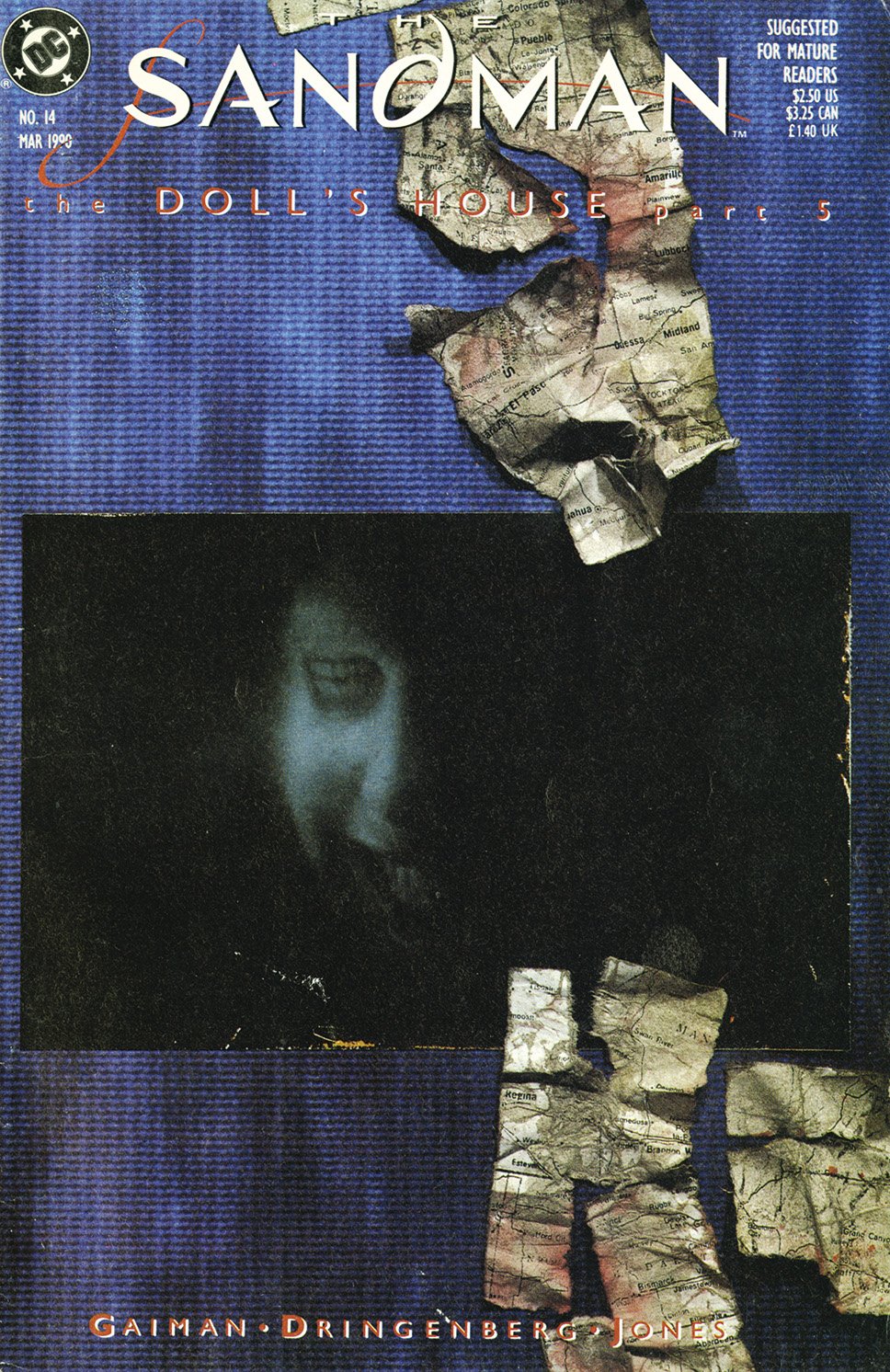
In the fourteenth issue of Neil Gaiman’s seminal series, "Collectors" functions as a disturbing sociological study hidden within a horror narrative. The story follows Rose Walker, a young woman searching for her missing brother, as she checks into a nondescript hotel in Georgia. What she assumes is a standard convention of "Cereal Manufacturers" is actually a gathering of the nation’s most prolific and depraved serial killers. This issue juxtaposes the mundane logistics of hospitality—keynote speeches, nametags, and hospitality suites—with the visceral reality of human predation.
The narrative operates on two distinct levels: the immediate, mortal danger Rose faces as an accidental guest, and the metaphysical hunt conducted by Dream of the Endless. While the serial killers believe they are the apex predators of this setting, they are unaware that a more ancient and absolute force is tracking a rogue nightmare that has taken human form. Gaiman uses this setup to explore the thin veil between the "normal" world and the darkness that people choose to invite into their lives through their obsessions and dreams.
The world-building in "Collectors" relies on the concept of the "hidden world." Gaiman suggests that the most terrifying monsters aren't hiding in castles, but in mid-tier hotels, using the bureaucracy of professional conventions to normalize their atrocities. The atmosphere is one of stifling, bright-lit dread; the horror doesn't come from the shadows, but from the polite conversations over coffee and danishes about the mechanics of murder. This setting bridges the gap between the Waking World and the Dreaming, showing how a nightmare can "leak" into reality and influence the behavior of ordinary men.
Rose Walker begins this arc as a person defined by her losses—a fractured family and a sense of displacement. In "Collectors," her development is marked by a shift from a seeker to a survivor. Her dynamic with the world around her is one of growing awareness; she is beginning to realize that the strange coincidences of her life are not accidental. Her relationship with the supernatural elements of the story is still one of ignorance, creating a high-stakes tension where the reader understands the gravity of her situation far better than she does.
Gaiman utilizes the tropes of the "slasher" and "serial killer" genres but subverts them through a metaphysical lens. Rather than focusing on the "final girl" mechanics common in horror films, the story treats these killers as pathetic, small-minded men who are merely imitating the grander, more ancient terrors of the Dreaming. By giving these killers a "convention," Gaiman satirizes the American obsession with true crime and celebrity culture, turning the killers into fans of their own depravity. The "Big Bad" of the story isn't just a man with a knife, but the very concept of a nightmare that has forgotten its place in the cosmic order.
In the fourteenth issue of Neil Gaiman’s seminal series, "Collectors" functions as a disturbing sociological study hidden within a horror narrative. The story follows Rose Walker, a young woman searching for her missing brother, as she checks into a nondescript hotel in Georgia. What she assumes is a standard convention of "Cereal Manufacturers" is actually a gathering of the nation’s most prolific and depraved serial killers. This issue juxtaposes the mundane logistics of hospitality—keynote speeches, nametags, and hospitality suites—with the visceral reality of human predation.
The narrative operates on two distinct levels: the immediate, mortal danger Rose faces as an accidental guest, and the metaphysical hunt conducted by Dream of the Endless. While the serial killers believe they are the apex predators of this setting, they are unaware that a more ancient and absolute force is tracking a rogue nightmare that has taken human form. Gaiman uses this setup to explore the thin veil between the "normal" world and the darkness that people choose to invite into their lives through their obsessions and dreams.
The world-building in "Collectors" relies on the concept of the "hidden world." Gaiman suggests that the most terrifying monsters aren't hiding in castles, but in mid-tier hotels, using the bureaucracy of professional conventions to normalize their atrocities. The atmosphere is one of stifling, bright-lit dread; the horror doesn't come from the shadows, but from the polite conversations over coffee and danishes about the mechanics of murder. This setting bridges the gap between the Waking World and the Dreaming, showing how a nightmare can "leak" into reality and influence the behavior of ordinary men.
Rose Walker begins this arc as a person defined by her losses—a fractured family and a sense of displacement. In "Collectors," her development is marked by a shift from a seeker to a survivor. Her dynamic with the world around her is one of growing awareness; she is beginning to realize that the strange coincidences of her life are not accidental. Her relationship with the supernatural elements of the story is still one of ignorance, creating a high-stakes tension where the reader understands the gravity of her situation far better than she does.
Gaiman utilizes the tropes of the "slasher" and "serial killer" genres but subverts them through a metaphysical lens. Rather than focusing on the "final girl" mechanics common in horror films, the story treats these killers as pathetic, small-minded men who are merely imitating the grander, more ancient terrors of the Dreaming. By giving these killers a "convention," Gaiman satirizes the American obsession with true crime and celebrity culture, turning the killers into fans of their own depravity. The "Big Bad" of the story isn't just a man with a knife, but the very concept of a nightmare that has forgotten its place in the cosmic order.
Add to your library to track progress and write reviews
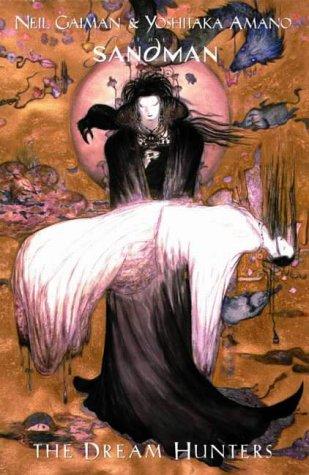
Find The Sandman #14: Collectors Neil Gaiman in PDF, EPUB, ebook, audiobook, print, or library editions.
The Sandman
The Sandman

44 books in catalog
Groundbreaking dark fantasy comic books and dark, whimsical prose fiction have reshaped speculative literature, most famously through the comic book series The Sandman. English author Neil Gaiman, born Neil Richard Gaiman on 10 November 1960, created this influential series before publishing widely acclaimed fantasy novels including Stardust, American Gods, Coraline, and The Graveyard Book.
Born Neil Richard Gaiman in Portchester, Hampshire, UK, he spent much of his childhood reading in public libraries, where he discovered the works of C.S. Lewis, J.R.R. Tolkien, Edgar Allan Poe, Ursula K. LeGuin, and G.K. Chesterton. He began his professional career in journalism before transitioning into comic book writing in the late 1980s, gaining prominence with Black Orchid in 1988 and launching The Sandman series for DC Comics' Vertigo imprint in 1989. Over the subsequent decades, he expanded into writing novels, short fiction, audio theatre, screenplays, and films, eventually taking up residence in the United States near Minneapolis.
His fiction has earned widespread critical recognition, receiving Hugo, Nebula, and Bram Stoker awards. In 2008, he published The Graveyard Book, becoming the first author to win both the American Newbery Medal and the British Carnegie Medal for the same work. In 2013, his novel The Ocean at the End of the Lane was voted Book of the Year in the British National Book Awards. His extensive bibliography and media adaptations continued to draw major critical attention through 2017 and beyond.
Gaiman's literary work is noted for combining imaginative fantasy with a darkly humorous tone, fusing modern settings with classical mythology, folklore, and fairy tale motifs. His stories frequently explore themes of memory, childhood innocence, ancient gods navigating contemporary society, and the fundamental power of stories. Across all age categories, his narratives balance gothic atmosphere with warm human empathy and sharp observational wit.

44 books in catalog
Groundbreaking dark fantasy comic books and dark, whimsical prose fiction have reshaped speculative literature, most famously through the comic book series The Sandman. English author Neil Gaiman, born Neil Richard Gaiman on 10 November 1960, created this influential series before publishing widely acclaimed fantasy novels including Stardust, American Gods, Coraline, and The Graveyard Book.
Born Neil Richard Gaiman in Portchester, Hampshire, UK, he spent much of his childhood reading in public libraries, where he discovered the works of C.S. Lewis, J.R.R. Tolkien, Edgar Allan Poe, Ursula K. LeGuin, and G.K. Chesterton. He began his professional career in journalism before transitioning into comic book writing in the late 1980s, gaining prominence with Black Orchid in 1988 and launching The Sandman series for DC Comics' Vertigo imprint in 1989. Over the subsequent decades, he expanded into writing novels, short fiction, audio theatre, screenplays, and films, eventually taking up residence in the United States near Minneapolis.
His fiction has earned widespread critical recognition, receiving Hugo, Nebula, and Bram Stoker awards. In 2008, he published The Graveyard Book, becoming the first author to win both the American Newbery Medal and the British Carnegie Medal for the same work. In 2013, his novel The Ocean at the End of the Lane was voted Book of the Year in the British National Book Awards. His extensive bibliography and media adaptations continued to draw major critical attention through 2017 and beyond.
Gaiman's literary work is noted for combining imaginative fantasy with a darkly humorous tone, fusing modern settings with classical mythology, folklore, and fairy tale motifs. His stories frequently explore themes of memory, childhood innocence, ancient gods navigating contemporary society, and the fundamental power of stories. Across all age categories, his narratives balance gothic atmosphere with warm human empathy and sharp observational wit.