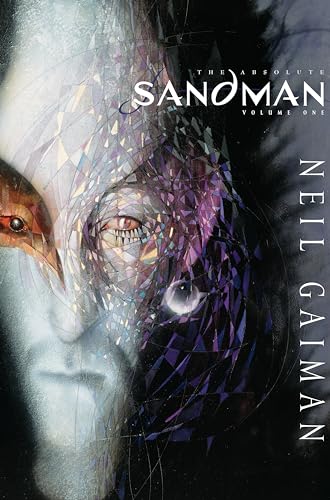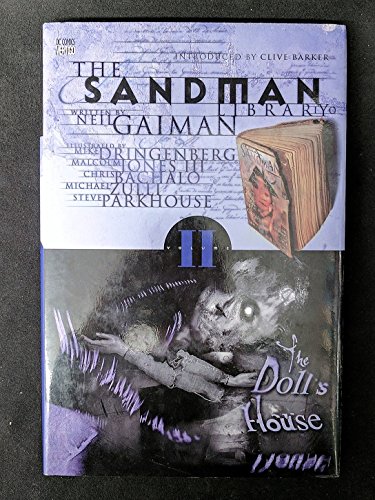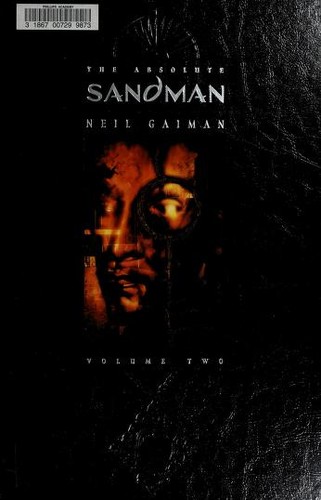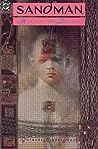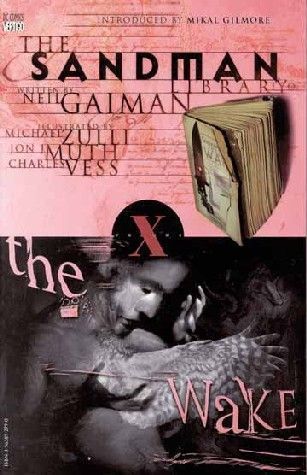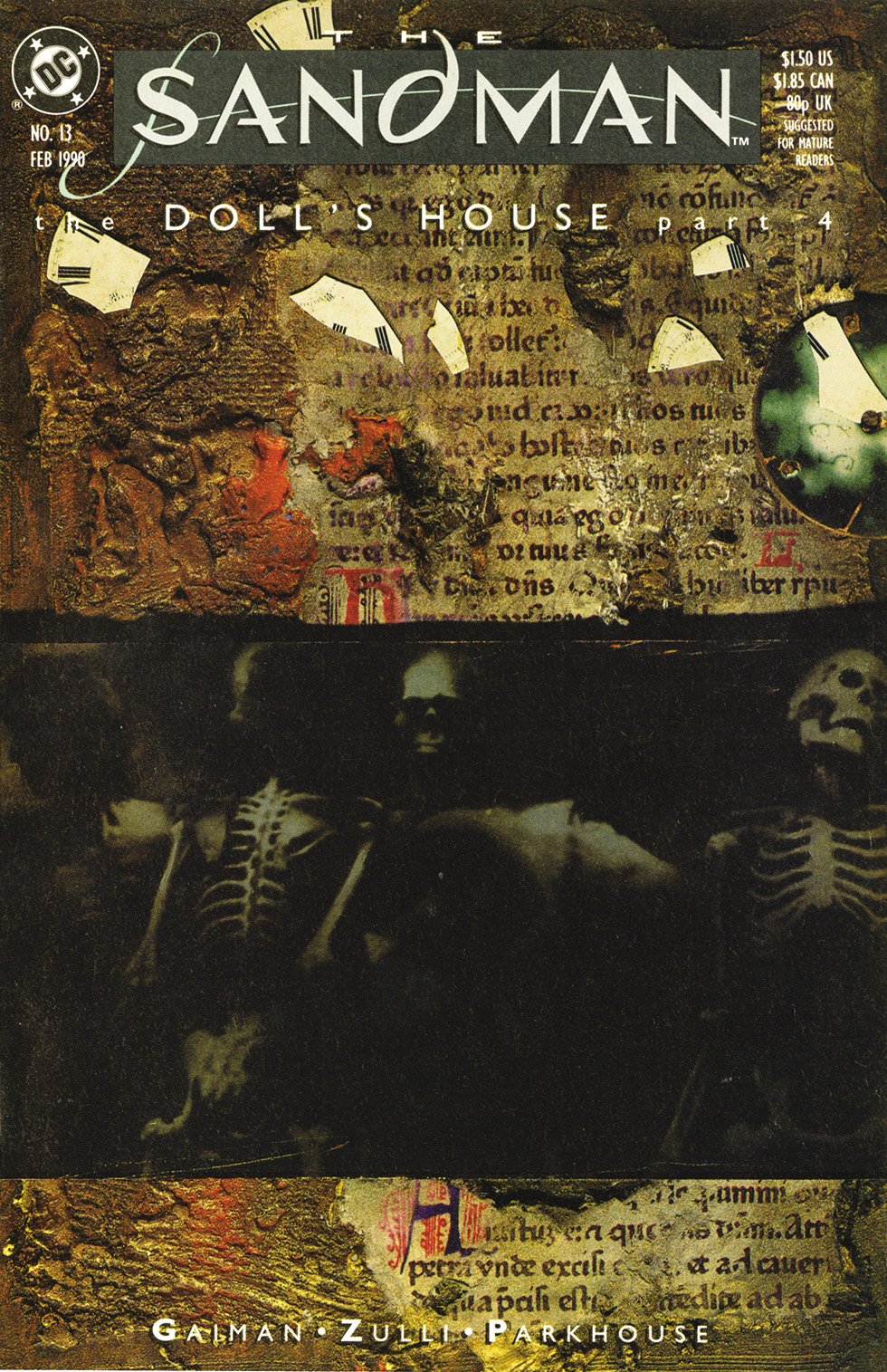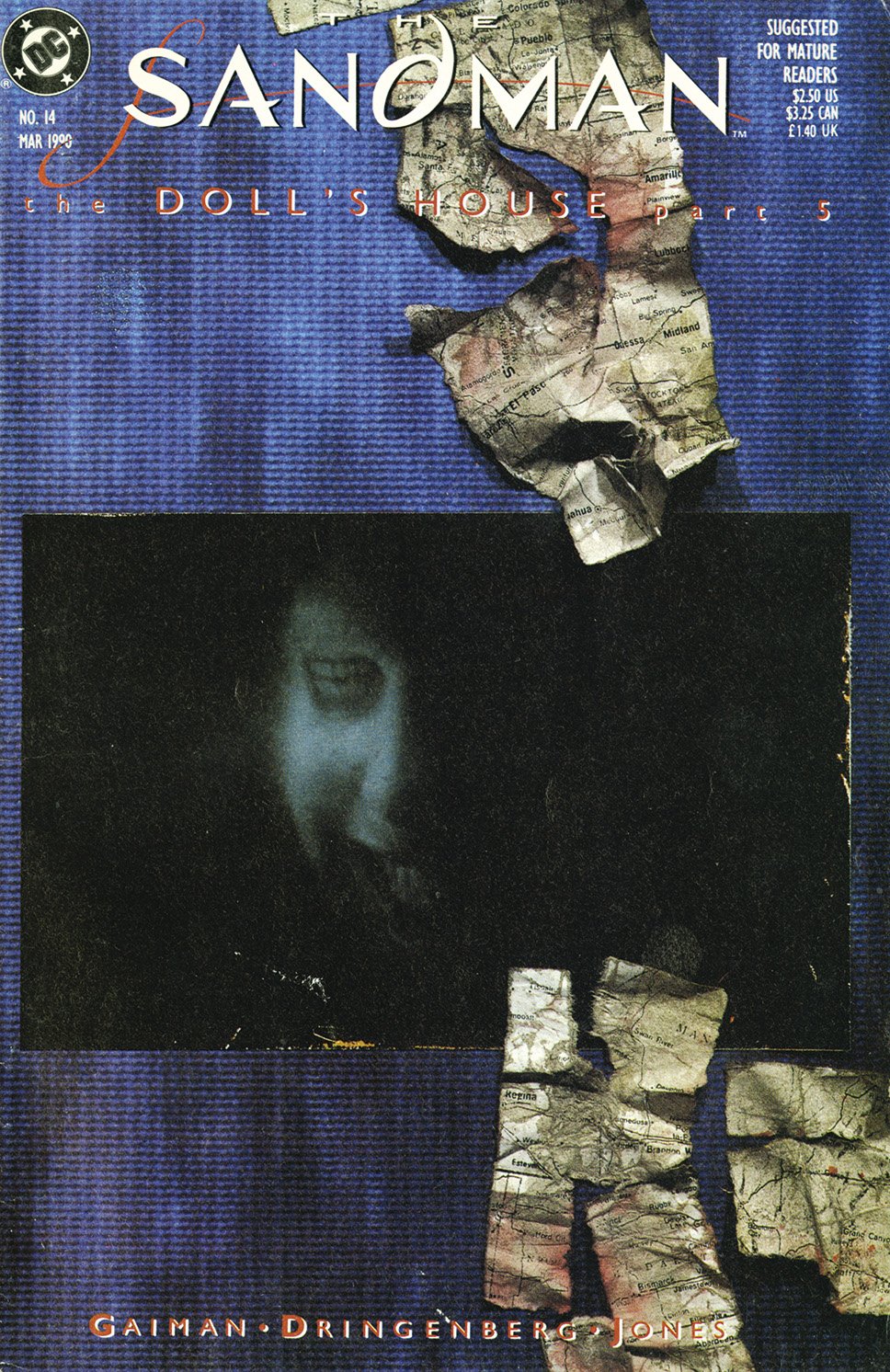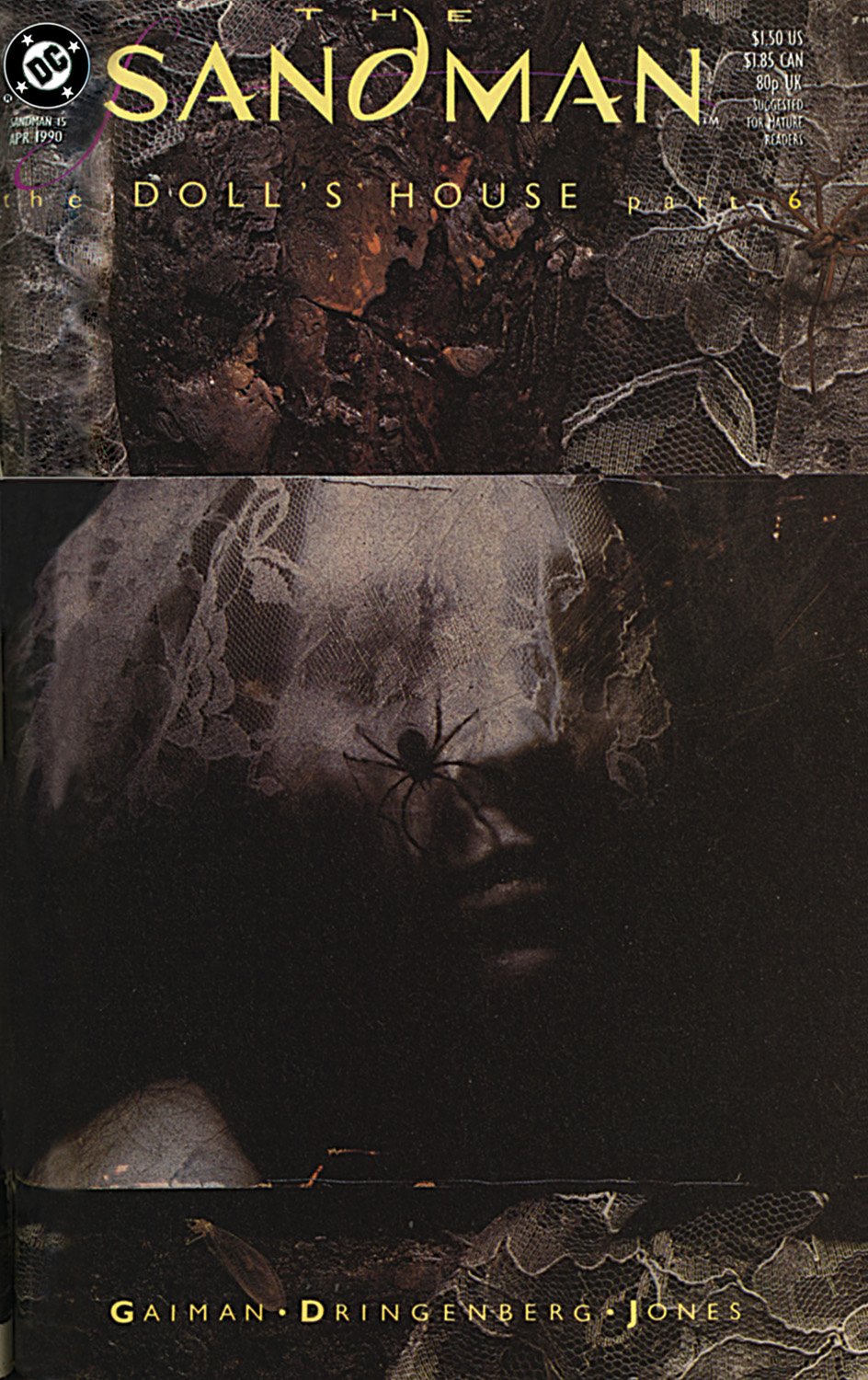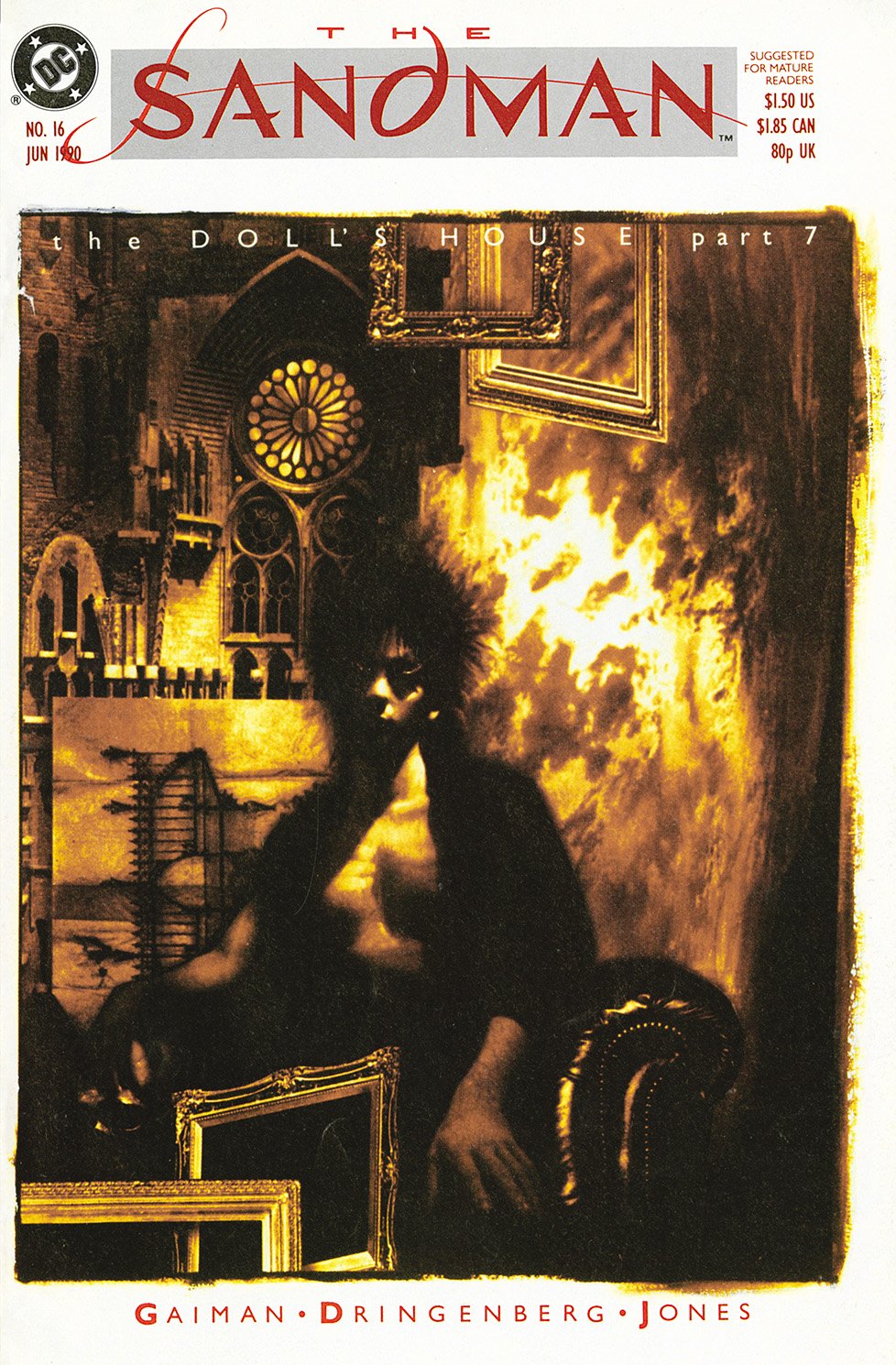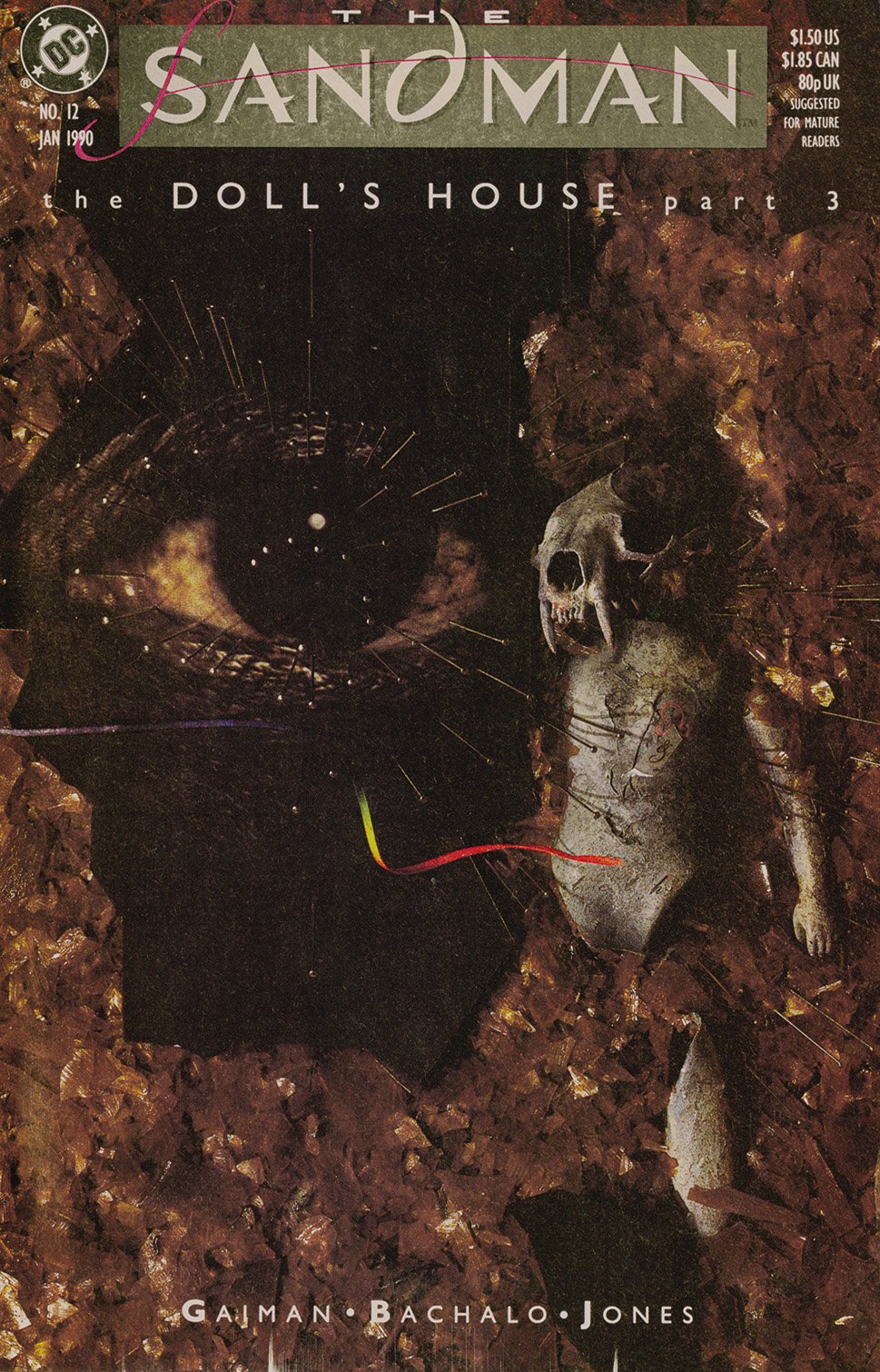

In the wake of his long imprisonment, Morpheus, the King of Dreams, continues the arduous task of repairing a shattered realm. Yet the Dreaming is not merely a palace of wonder; it is a complex ecosystem where rogue ideas can grow wild and dangerous if left untended. As Morpheus tracks the anomalies leaking into the waking world, he discovers that the boundaries between subconscious refuge and genuine nightmare are becoming perilously thin for those caught in the crossfire of his subjects’ ambitions.
This narrative focuses on the collision between domestic tragedy and cosmic duty. While Rose Walker navigates a labyrinthine search for her lost brother, the story peels back the curtain on how dreams can be weaponized or used as a precarious sanctuary. It examines the human impulse to "play house" within the safety of the mind when the physical world offers nothing but cruelty, raising a profound moral dilemma: is a beautiful, curated lie preferable to a bleak, unyielding truth?
Gaiman establishes the Dreaming as a plane that is both sentient and fragile. In this installment, the setting shifts from the grand, gothic vistas of Morpheus’s castle to the claustrophobic "pocket dimensions" created by rogue entities. These spaces operate on internal, dream-like logic where time is fluid and memory is malleable. The atmosphere is one of uncanny domesticity—everything looks familiar, yet the proportions and emotional beats are slightly distorted, creating a sense of psychological dread that permeates the "safe" spaces of the subconscious.
The character dynamics center on the tension between personal desire and structural responsibility. Rose Walker represents the human element, driven by a grounded, empathetic need to reunite her family. In contrast, Morpheus operates on a level of cold necessity; his primary arc involves the realization that his kingdom has evolved in unpredictable ways while he was gone. This creates a friction between Rose’s search for a person and Morpheus’s search for a "glitch" in the system, highlighting the protagonist's initial struggle to balance his rigid sense of law with the messy reality of human emotion.
The book utilizes the "Secret Identity" and "Superpowered Savior" tropes but strips them of their usual optimism. By placing classic heroic archetypes inside a manufactured dream, Gaiman subverts the idea of the superhero as a figure of liberation. Instead, the "hero" becomes a tool of stagnation—a way for characters to avoid the grief and complexity of the real world. This meta-fictional approach examines how we use genre fiction as a shield, questioning whether the tropes we love are helping us heal or simply keeping us trapped in a cycle of "playing house."
In the wake of his long imprisonment, Morpheus, the King of Dreams, continues the arduous task of repairing a shattered realm. Yet the Dreaming is not merely a palace of wonder; it is a complex ecosystem where rogue ideas can grow wild and dangerous if left untended. As Morpheus tracks the anomalies leaking into the waking world, he discovers that the boundaries between subconscious refuge and genuine nightmare are becoming perilously thin for those caught in the crossfire of his subjects’ ambitions.
This narrative focuses on the collision between domestic tragedy and cosmic duty. While Rose Walker navigates a labyrinthine search for her lost brother, the story peels back the curtain on how dreams can be weaponized or used as a precarious sanctuary. It examines the human impulse to "play house" within the safety of the mind when the physical world offers nothing but cruelty, raising a profound moral dilemma: is a beautiful, curated lie preferable to a bleak, unyielding truth?
Gaiman establishes the Dreaming as a plane that is both sentient and fragile. In this installment, the setting shifts from the grand, gothic vistas of Morpheus’s castle to the claustrophobic "pocket dimensions" created by rogue entities. These spaces operate on internal, dream-like logic where time is fluid and memory is malleable. The atmosphere is one of uncanny domesticity—everything looks familiar, yet the proportions and emotional beats are slightly distorted, creating a sense of psychological dread that permeates the "safe" spaces of the subconscious.
The character dynamics center on the tension between personal desire and structural responsibility. Rose Walker represents the human element, driven by a grounded, empathetic need to reunite her family. In contrast, Morpheus operates on a level of cold necessity; his primary arc involves the realization that his kingdom has evolved in unpredictable ways while he was gone. This creates a friction between Rose’s search for a person and Morpheus’s search for a "glitch" in the system, highlighting the protagonist's initial struggle to balance his rigid sense of law with the messy reality of human emotion.
The book utilizes the "Secret Identity" and "Superpowered Savior" tropes but strips them of their usual optimism. By placing classic heroic archetypes inside a manufactured dream, Gaiman subverts the idea of the superhero as a figure of liberation. Instead, the "hero" becomes a tool of stagnation—a way for characters to avoid the grief and complexity of the real world. This meta-fictional approach examines how we use genre fiction as a shield, questioning whether the tropes we love are helping us heal or simply keeping us trapped in a cycle of "playing house."
Add to your library to track progress and write reviews
Find The Sandman #12: Playing House Neil Gaiman in PDF, EPUB, ebook, audiobook, print, or library editions.

44 books in catalog
Groundbreaking dark fantasy comic books and dark, whimsical prose fiction have reshaped speculative literature, most famously through the comic book series The Sandman. English author Neil Gaiman, born Neil Richard Gaiman on 10 November 1960, created this influential series before publishing widely acclaimed fantasy novels including Stardust, American Gods, Coraline, and The Graveyard Book.
Born Neil Richard Gaiman in Portchester, Hampshire, UK, he spent much of his childhood reading in public libraries, where he discovered the works of C.S. Lewis, J.R.R. Tolkien, Edgar Allan Poe, Ursula K. LeGuin, and G.K. Chesterton. He began his professional career in journalism before transitioning into comic book writing in the late 1980s, gaining prominence with Black Orchid in 1988 and launching The Sandman series for DC Comics' Vertigo imprint in 1989. Over the subsequent decades, he expanded into writing novels, short fiction, audio theatre, screenplays, and films, eventually taking up residence in the United States near Minneapolis.
His fiction has earned widespread critical recognition, receiving Hugo, Nebula, and Bram Stoker awards. In 2008, he published The Graveyard Book, becoming the first author to win both the American Newbery Medal and the British Carnegie Medal for the same work. In 2013, his novel The Ocean at the End of the Lane was voted Book of the Year in the British National Book Awards. His extensive bibliography and media adaptations continued to draw major critical attention through 2017 and beyond.
Gaiman's literary work is noted for combining imaginative fantasy with a darkly humorous tone, fusing modern settings with classical mythology, folklore, and fairy tale motifs. His stories frequently explore themes of memory, childhood innocence, ancient gods navigating contemporary society, and the fundamental power of stories. Across all age categories, his narratives balance gothic atmosphere with warm human empathy and sharp observational wit.

44 books in catalog
Groundbreaking dark fantasy comic books and dark, whimsical prose fiction have reshaped speculative literature, most famously through the comic book series The Sandman. English author Neil Gaiman, born Neil Richard Gaiman on 10 November 1960, created this influential series before publishing widely acclaimed fantasy novels including Stardust, American Gods, Coraline, and The Graveyard Book.
Born Neil Richard Gaiman in Portchester, Hampshire, UK, he spent much of his childhood reading in public libraries, where he discovered the works of C.S. Lewis, J.R.R. Tolkien, Edgar Allan Poe, Ursula K. LeGuin, and G.K. Chesterton. He began his professional career in journalism before transitioning into comic book writing in the late 1980s, gaining prominence with Black Orchid in 1988 and launching The Sandman series for DC Comics' Vertigo imprint in 1989. Over the subsequent decades, he expanded into writing novels, short fiction, audio theatre, screenplays, and films, eventually taking up residence in the United States near Minneapolis.
His fiction has earned widespread critical recognition, receiving Hugo, Nebula, and Bram Stoker awards. In 2008, he published The Graveyard Book, becoming the first author to win both the American Newbery Medal and the British Carnegie Medal for the same work. In 2013, his novel The Ocean at the End of the Lane was voted Book of the Year in the British National Book Awards. His extensive bibliography and media adaptations continued to draw major critical attention through 2017 and beyond.
Gaiman's literary work is noted for combining imaginative fantasy with a darkly humorous tone, fusing modern settings with classical mythology, folklore, and fairy tale motifs. His stories frequently explore themes of memory, childhood innocence, ancient gods navigating contemporary society, and the fundamental power of stories. Across all age categories, his narratives balance gothic atmosphere with warm human empathy and sharp observational wit.
The Sandman
The Sandman