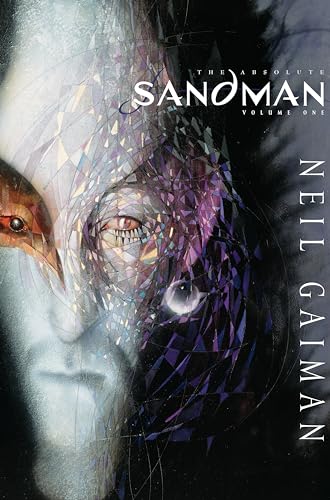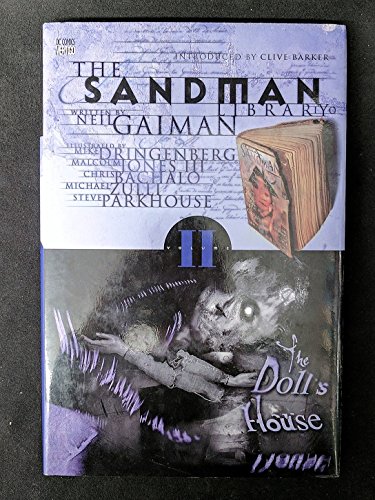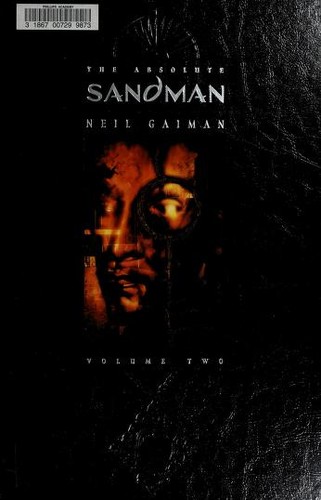
by Neil Gaiman, Mike Dringenberg, Malcolm Jones III, Chris Bachalo, Michael Zulli,

by Neil Gaiman, Mike Dringenberg, Malcolm Jones III, Chris Bachalo, Michael Zulli,
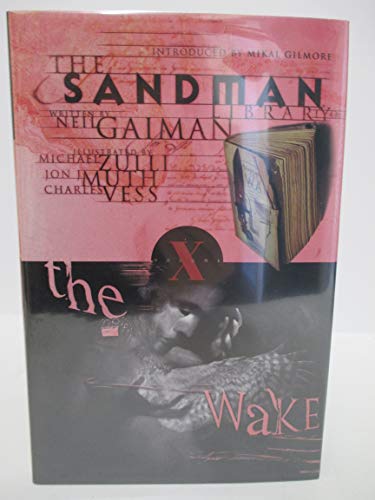
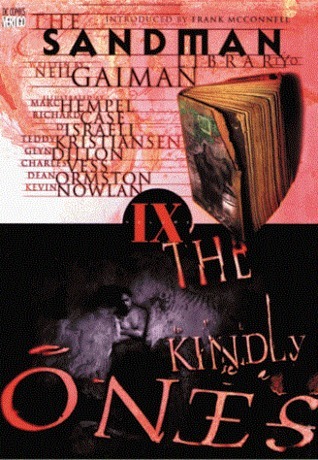
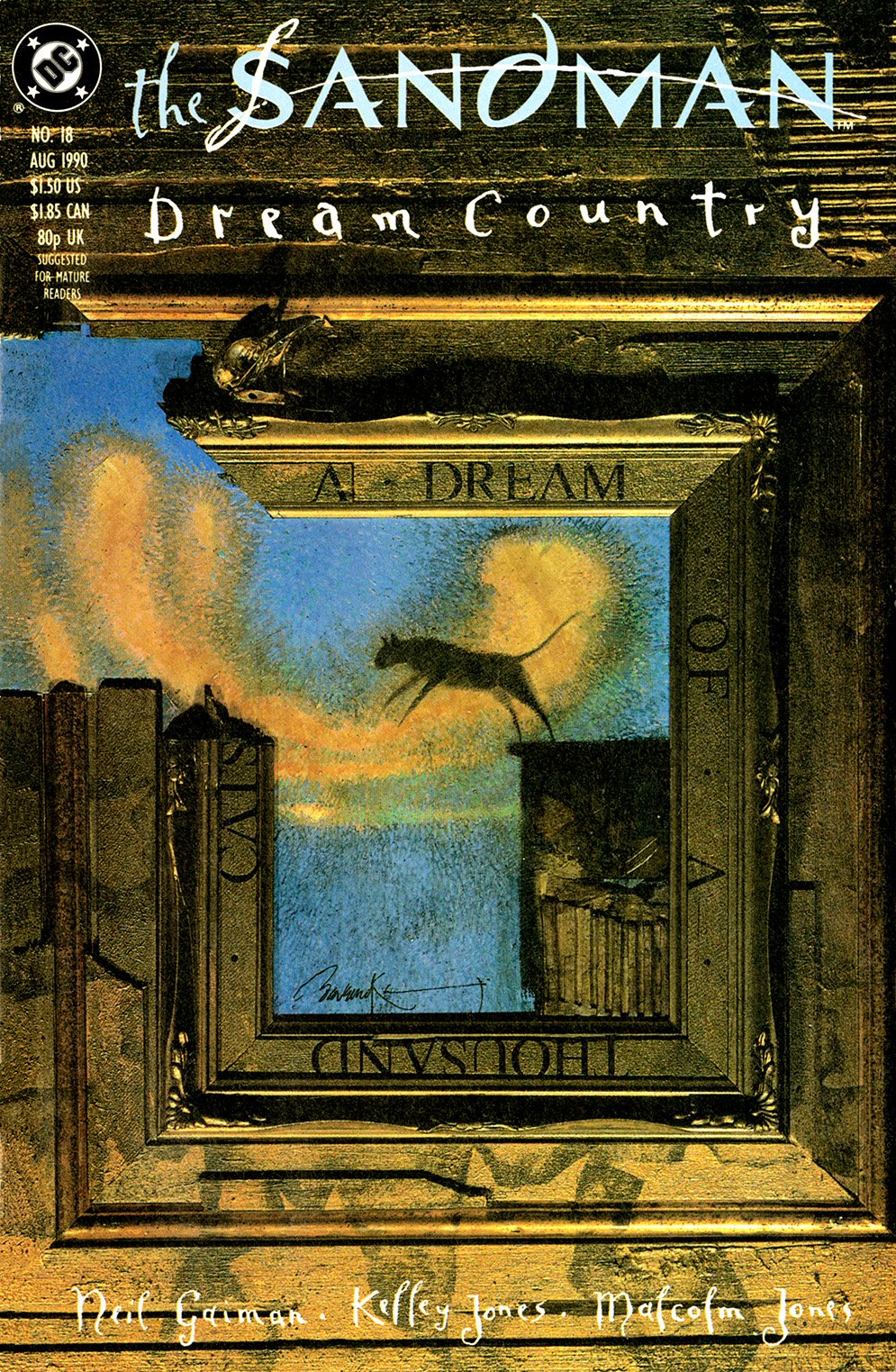
The Sandman has always been a story about stories, but the final movement of this saga turns the lens toward the silence that follows the final word. As the cosmic fabric of the Dreaming adjusts to a monumental vacancy, beings from every corner of myth, history, and nightmare gather to observe the ancient rites of passage. This is not a story of conflict in the traditional sense, but of resonance—a contemplative study of how a legacy persists even when the architect is no longer present to guide it.
The narrative functions as a metaphysical examination of loss, focusing on the characters who remain in the orbit of the Endless. While previous volumes spanned eons and galaxies to showcase power and pride, this conclusion retreats into the quiet halls of the necroponics and the shifting sands of the dream-shores. It explores the necessity of endings, suggesting that for a story to have meaning, it must eventually surrender its breath to the "wake" it leaves behind.
The setting of the Dreaming has always been more of a psychological state than a physical location, but here it becomes a living monument. The rules of this world dictate that the realm is a reflection of its ruler; consequently, the atmosphere is heavy with the scent of lilies and the gray haze of a fading dream. The narrative explores the "Soft Places"—regions where time and geography bleed into one another—allowing for a funeral procession that includes figures from DC superhero lore, Norse mythology, and historical reality. The world-building emphasizes the bureaucracy of the afterlife and the specific, ancient protocols that the Endless must follow when one of their own is absent.
The primary character development in the first half of the volume focuses on the collective grief of the Dreaming’s inhabitants. The transition is not merely political; it is an identity crisis for the subjects of the realm. Characters like Mervyn Pumpkinhead and Lucien the Librarian must reconcile their loyalty to the past with the requirements of the future. The narrative tracks the psychological shift from the "Kindly Ones" era of destruction to a period of hesitant rebirth, highlighting how the survivors of the series' many tragedies begin to find closure through shared ritual.
Gaiman utilizes the trope of the "Passing of the Mantle" but subverts the usual heroic triumph associated with it. Rather than an action-packed climax, the book employs the "Elegy" structure, where the stakes are emotional rather than physical. It deconstructs the idea of the "Indispensable Hero" by showing that the universe continues to turn even after its most central figure has departed. By focusing on the "Wake" as a formal ceremony, the story utilizes the trope of the "Gathering of the Cast" to provide a thematic summary of the entire 75-issue run, framing the end not as a stop, but as a transformation of energy.
The stakes in this volume are rooted in the preservation of memory. The narrative balances the cosmic mourning of the Endless with the terrestrial concerns of mortals, specifically through an extended look at the twilight of a famous playwright's career. The moral dilemma presented is the cost of artistic immortality: the characters must decide if the stories they leave behind are worth the personal sacrifices required to birth them. This thematic thread ties the supernatural elements of the Dreaming to the human experience of creating something that outlasts the self.
The Sandman has always been a story about stories, but the final movement of this saga turns the lens toward the silence that follows the final word. As the cosmic fabric of the Dreaming adjusts to a monumental vacancy, beings from every corner of myth, history, and nightmare gather to observe the ancient rites of passage. This is not a story of conflict in the traditional sense, but of resonance—a contemplative study of how a legacy persists even when the architect is no longer present to guide it.
The narrative functions as a metaphysical examination of loss, focusing on the characters who remain in the orbit of the Endless. While previous volumes spanned eons and galaxies to showcase power and pride, this conclusion retreats into the quiet halls of the necroponics and the shifting sands of the dream-shores. It explores the necessity of endings, suggesting that for a story to have meaning, it must eventually surrender its breath to the "wake" it leaves behind.
The setting of the Dreaming has always been more of a psychological state than a physical location, but here it becomes a living monument. The rules of this world dictate that the realm is a reflection of its ruler; consequently, the atmosphere is heavy with the scent of lilies and the gray haze of a fading dream. The narrative explores the "Soft Places"—regions where time and geography bleed into one another—allowing for a funeral procession that includes figures from DC superhero lore, Norse mythology, and historical reality. The world-building emphasizes the bureaucracy of the afterlife and the specific, ancient protocols that the Endless must follow when one of their own is absent.
The primary character development in the first half of the volume focuses on the collective grief of the Dreaming’s inhabitants. The transition is not merely political; it is an identity crisis for the subjects of the realm. Characters like Mervyn Pumpkinhead and Lucien the Librarian must reconcile their loyalty to the past with the requirements of the future. The narrative tracks the psychological shift from the "Kindly Ones" era of destruction to a period of hesitant rebirth, highlighting how the survivors of the series' many tragedies begin to find closure through shared ritual.
Gaiman utilizes the trope of the "Passing of the Mantle" but subverts the usual heroic triumph associated with it. Rather than an action-packed climax, the book employs the "Elegy" structure, where the stakes are emotional rather than physical. It deconstructs the idea of the "Indispensable Hero" by showing that the universe continues to turn even after its most central figure has departed. By focusing on the "Wake" as a formal ceremony, the story utilizes the trope of the "Gathering of the Cast" to provide a thematic summary of the entire 75-issue run, framing the end not as a stop, but as a transformation of energy.
The stakes in this volume are rooted in the preservation of memory. The narrative balances the cosmic mourning of the Endless with the terrestrial concerns of mortals, specifically through an extended look at the twilight of a famous playwright's career. The moral dilemma presented is the cost of artistic immortality: the characters must decide if the stories they leave behind are worth the personal sacrifices required to birth them. This thematic thread ties the supernatural elements of the Dreaming to the human experience of creating something that outlasts the self.
Add to your library to track progress and write reviews
44 books in catalog
Groundbreaking dark fantasy comic books and dark, whimsical prose fiction have reshaped speculative literature, most famously through the comic book series The Sandman. English author Neil Gaiman, born Neil Richard Gaiman on 10 November 1960, created this influential series before publishing widely acclaimed fantasy novels including Stardust, American Gods, Coraline, and The Graveyard Book.
Born Neil Richard Gaiman in Portchester, Hampshire, UK, he spent much of his childhood reading in public libraries, where he discovered the works of C.S. Lewis, J.R.R. Tolkien, Edgar Allan Poe, Ursula K. LeGuin, and G.K. Chesterton. He began his professional career in journalism before transitioning into comic book writing in the late 1980s, gaining prominence with Black Orchid in 1988 and launching The Sandman series for DC Comics' Vertigo imprint in 1989. Over the subsequent decades, he expanded into writing novels, short fiction, audio theatre, screenplays, and films, eventually taking up residence in the United States near Minneapolis.
His fiction has earned widespread critical recognition, receiving Hugo, Nebula, and Bram Stoker awards. In 2008, he published The Graveyard Book, becoming the first author to win both the American Newbery Medal and the British Carnegie Medal for the same work. In 2013, his novel The Ocean at the End of the Lane was voted Book of the Year in the British National Book Awards. His extensive bibliography and media adaptations continued to draw major critical attention through 2017 and beyond.
Gaiman's literary work is noted for combining imaginative fantasy with a darkly humorous tone, fusing modern settings with classical mythology, folklore, and fairy tale motifs. His stories frequently explore themes of memory, childhood innocence, ancient gods navigating contemporary society, and the fundamental power of stories. Across all age categories, his narratives balance gothic atmosphere with warm human empathy and sharp observational wit.

44 books in catalog
Groundbreaking dark fantasy comic books and dark, whimsical prose fiction have reshaped speculative literature, most famously through the comic book series The Sandman. English author Neil Gaiman, born Neil Richard Gaiman on 10 November 1960, created this influential series before publishing widely acclaimed fantasy novels including Stardust, American Gods, Coraline, and The Graveyard Book.
Born Neil Richard Gaiman in Portchester, Hampshire, UK, he spent much of his childhood reading in public libraries, where he discovered the works of C.S. Lewis, J.R.R. Tolkien, Edgar Allan Poe, Ursula K. LeGuin, and G.K. Chesterton. He began his professional career in journalism before transitioning into comic book writing in the late 1980s, gaining prominence with Black Orchid in 1988 and launching The Sandman series for DC Comics' Vertigo imprint in 1989. Over the subsequent decades, he expanded into writing novels, short fiction, audio theatre, screenplays, and films, eventually taking up residence in the United States near Minneapolis.
His fiction has earned widespread critical recognition, receiving Hugo, Nebula, and Bram Stoker awards. In 2008, he published The Graveyard Book, becoming the first author to win both the American Newbery Medal and the British Carnegie Medal for the same work. In 2013, his novel The Ocean at the End of the Lane was voted Book of the Year in the British National Book Awards. His extensive bibliography and media adaptations continued to draw major critical attention through 2017 and beyond.
Gaiman's literary work is noted for combining imaginative fantasy with a darkly humorous tone, fusing modern settings with classical mythology, folklore, and fairy tale motifs. His stories frequently explore themes of memory, childhood innocence, ancient gods navigating contemporary society, and the fundamental power of stories. Across all age categories, his narratives balance gothic atmosphere with warm human empathy and sharp observational wit.
The Sandman
The Sandman