SSansFiction
The libraryCollectionsJournalStatsFor authors
Sign inJoin now
Sansfiction,

A digital library for books. Made by readers, for readers.

v 2.0 · 2026
The library
  • Discover
  • Collections
  • Book tracker
  • Journal
  • Stats
For authors
  • SF Links
  • Analytics
  • How it works
  • FAQ
Elsewhere
  • X / @sansfiction
  • Privacy
  • Terms
  • Contact
© 2026 SansFiction · Digital · GlobalA quiet room for your reading life.
The libraryCollectionsJournalStatsFor authors
Sign inJoin now →
Navigation
Library
Bookshelf
Journal
Discover
Collections
Tierlists
Stats
Profile
Author Page
Link Builder
Account
Sign in
S
G
BookscomicsThe Sandman #13: Men of Good Fortune
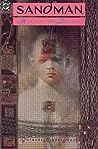
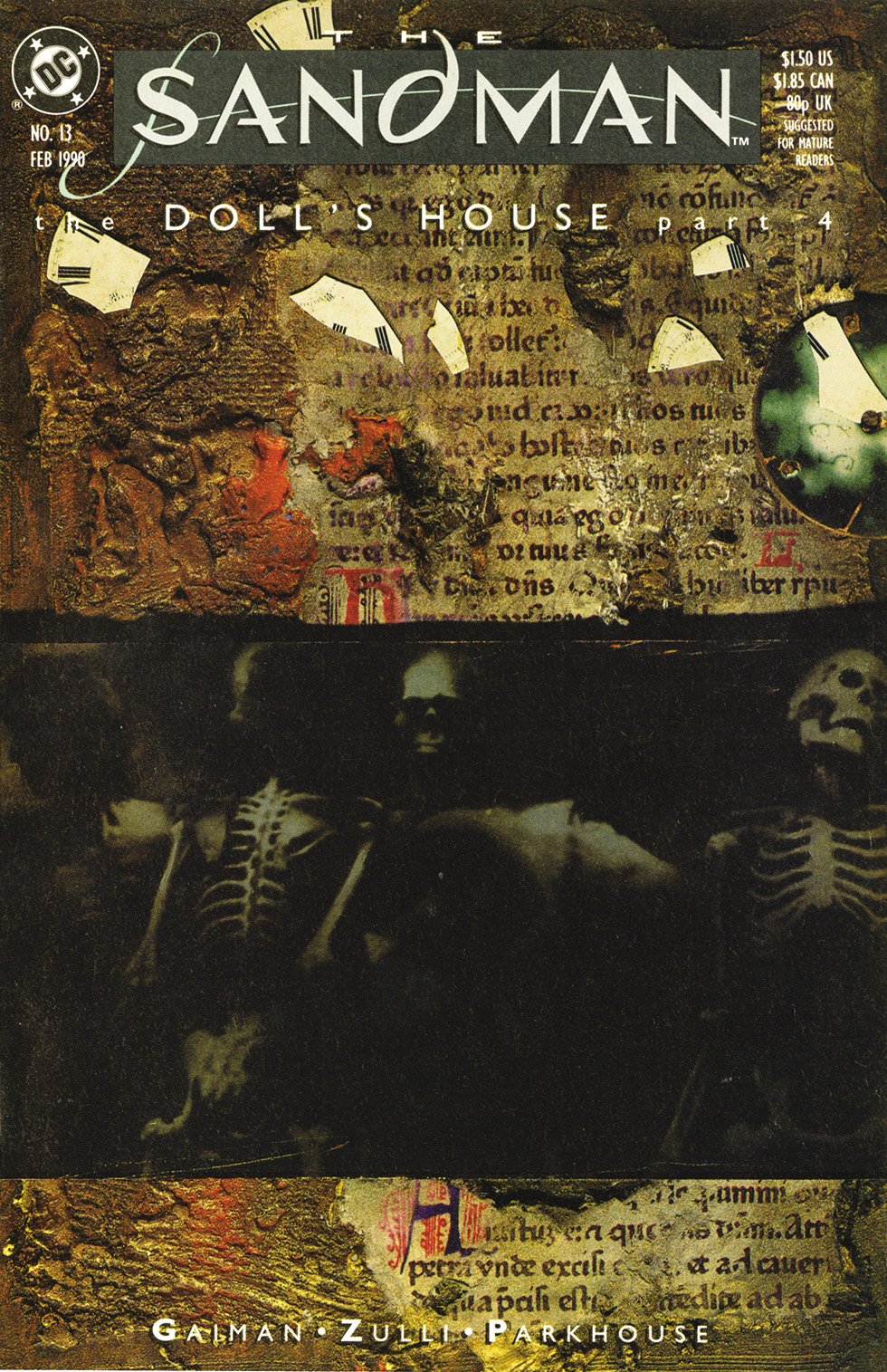
Cover of The Sandman #13: Men of Good Fortune by Neil Gaiman
№ 13 · The Sandman

The Sandman #13: Men of Good Fortune,

by Neil Gaiman, Dave McKean, Steve Parkhouse, Michael Zulli

Ask AI
Rating4.8/ 5
Ratings6
Pages26
Reading Hours1h
Published1990
LanguageEnglish

§Synopsis

01

In the year 1389, within the smoky atmosphere of a London tavern, a man named Hob Gadling makes a bold, drunken proclamation: death is merely a habit, and he has no intention of following it. Overhearing this, Dream of the Endless—prompted by a suggestion from his sister, Death—decides to put this human stubbornness to the test. Rather than claiming Gadling's soul, Dream offers a simple arrangement. They will meet in the same tavern, on the same day, exactly one hundred years later, to see if a century of existence has altered the man's perspective on mortality.

As the narrative progresses through these centennial checkpoints, the story functions as a longitudinal study of the human condition and the stagnation of the divine. While the world shifts from the Middle Ages to the Renaissance and beyond, the core tension rests on the psychological evolution of Hob Gadling. He serves as a mirror to Dream’s own rigid nature, forcing the personification of stories to confront the reality of human persistence, greed, and resilience. The stakes are not found in world-ending threats, but in the existential question of whether a human soul can endure the weight of time without losing its essence.

World Building: The Intersection of Myth and History

The story operates on the premise that the Endless—beings older than gods who personify fundamental concepts like Dream and Death—interact with the waking world in subtle, often observational ways. The atmosphere is grounded in historical realism, shifting its textures, language, and social norms every time the calendar turns a century. The rules are minimalist: the tavern serves as a neutral ground where the passage of time is measured by the changing fashion of the patrons and the evolving architecture of London. This framework allows the supernatural to feel anchored in the mundane, suggesting that the most profound magic is the simple, linear progression of human history.

Main Characters

  • Dream (Morpheus): The aloof, pale ruler of the Dreaming who initiates the experiment to understand why humans cling so desperately to their brief lives.
  • Hob Gadling: A common man of the 14th century whose blunt refusal to die stems from a simple, robust love for life rather than a pursuit of power.
  • Death: Dream’s elder sister, whose brief presence establishes the terms of the experiment and highlights the rarity of her brother’s curiosity.
  • The Young Playwright: A struggling writer encountered in the 16th century whose ambition catches the attention of Morpheus, hinting at the intersection of dreams and creative legacy.

Character Development: The Alien Observer

At the outset, Dream is characterized by a profound lack of empathy and a clinical, almost haughty detachment from humanity. He views Hob as a specimen rather than an individual, expecting the man to beg for the release of death within a century or two. However, as the meetings progress, the dynamic begins to shift. Dream is forced to move from a position of absolute authority to one of reluctant engagement. Meanwhile, Hob’s development is marked by his adaptability; he reflects the highs and lows of his eras, moving from poverty to wealth and back again, yet maintaining a consistent, stubborn vitality that slowly chips away at Dream’s cold exterior.

Major Tropes: The Subverted Faustian Bargain

The story utilizes the trope of the "Deal with the Devil" but removes the traditional elements of trickery, soul-collection, or malevolence. There is no fine print and no hidden price; the "bargain" is purely an observation. By removing the threat of eternal damnation, the narrative subverts the Immortal’s Burden trope. Instead of focusing on the misery of living forever, the story explores the curiosity of what comes next. It also utilizes the "Historical Cameo" trope not just for flavor, but to illustrate how Dream’s influence shapes the cultural landscape of the waking world, particularly regarding the nature of inspiration and storytelling.

Track this book

Add to your library to track progress and write reviews

§Genres
comics1fantasy1

§About the Author

Neil Gaiman
Neil Gaiman

44 books in catalog

Groundbreaking dark fantasy comic books and dark, whimsical prose fiction have reshaped speculative literature, most famously through the comic book series The Sandman. English author Neil Gaiman, born Neil Richard Gaiman on 10 November 1960, created this influential series before publishing widely acclaimed fantasy novels including Stardust, American Gods, Coraline, and The Graveyard Book.

Career & Background

Born Neil Richard Gaiman in Portchester, Hampshire, UK, he spent much of his childhood reading in public libraries, where he discovered the works of C.S. Lewis, J.R.R. Tolkien, Edgar Allan Poe, Ursula K. LeGuin, and G.K. Chesterton. He began his professional career in journalism before transitioning into comic book writing in the late 1980s, gaining prominence with Black Orchid in 1988 and launching The Sandman series for DC Comics' Vertigo imprint in 1989. Over the subsequent decades, he expanded into writing novels, short fiction, audio theatre, screenplays, and films, eventually taking up residence in the United States near Minneapolis.

His fiction has earned widespread critical recognition, receiving Hugo, Nebula, and Bram Stoker awards. In 2008, he published The Graveyard Book, becoming the first author to win both the American Newbery Medal and the British Carnegie Medal for the same work. In 2013, his novel The Ocean at the End of the Lane was voted Book of the Year in the British National Book Awards. His extensive bibliography and media adaptations continued to draw major critical attention through 2017 and beyond.

Writing Style & Themes

Gaiman's literary work is noted for combining imaginative fantasy with a darkly humorous tone, fusing modern settings with classical mythology, folklore, and fairy tale motifs. His stories frequently explore themes of memory, childhood innocence, ancient gods navigating contemporary society, and the fundamental power of stories. Across all age categories, his narratives balance gothic atmosphere with warm human empathy and sharp observational wit.

Major Works

  • The Graveyard Book — Published in 2008, this novel tells the story of an orphaned boy raised by supernatural inhabitants of a cemetery, winning both the Newbery Medal and Carnegie Medal.
  • Good Omens: The Nice and Accurate Prophecies of Agnes Nutter, Witch — Co-authored with Terry Pratchett in 1990, this comedic novel follows an angel and a demon collaborating to prevent the coming apocalypse.
  • Anansi Boys — First published in 2005, this fantasy novel explores West African mythology and family dynamics through the sons of the trickster god Anansi.
  • Fragile Things: Short Fictions and Wonders — A 2006 collection of short stories and poetry highlighting Gaiman's range in urban fantasy, horror, and speculative fiction.
  • The Sandman #1: Sleep of the Just — The 1989 premiere issue of the landmark Vertigo comic book series that introduced Lord Morpheus, the King of Dreams.

§Featured Series

The Sandman

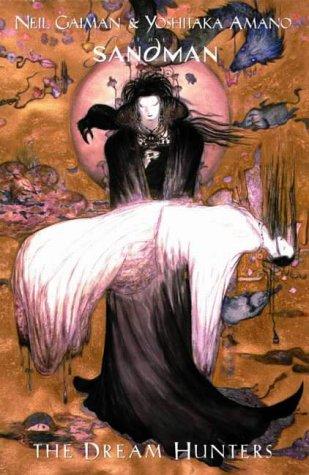
Cover of The Sandman: The Dream Hunters by Neil Gaiman

The Sandman: The Dream Hunters

Neil Gaiman, 1999
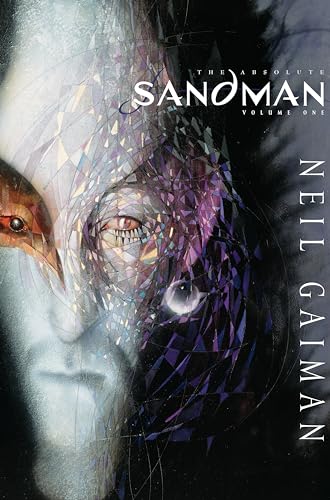
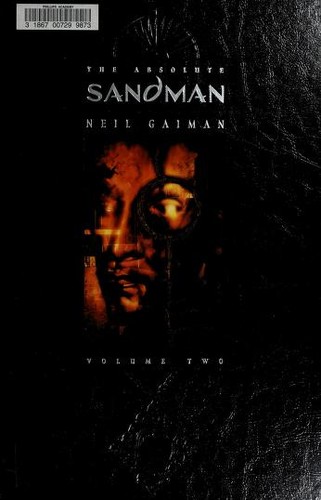
Cover of The Absolute Sandman, Volume One

The Absolute Sandman, Volume One

1990
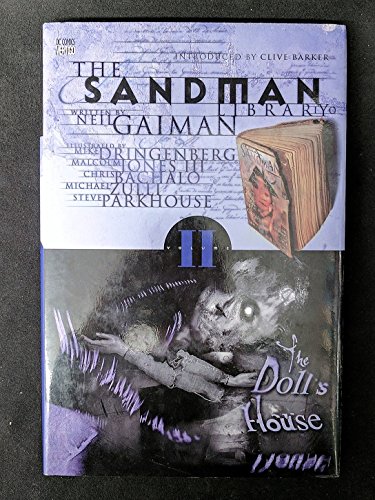
Cover of The Sandman, Vol. 2: The Doll's House by Neil Gaiman

The Sandman, Vol. 2: The Doll's House

Neil Gaiman, 1989
Cover of The Sandman #3: Dream a Little Dream of Me by Neil Gaiman, Dave McKean, Sam Kieth

The Sandman #3: Dream a Little Dream of Me

Neil Gaiman, 1989
Cover of The Sandman: Estación de Nieblas by Neil Gaiman

The Sandman: Estación de Nieblas

Neil Gaiman, 1990
Cover of The Sandman #5: Passengers by Neil Gaiman

The Sandman #5: Passengers

Neil Gaiman, 1989
Cover of The Sandman #6: 24 Hours by Neil Gaiman

The Sandman #6: 24 Hours

Neil Gaiman, 1989
Cover of The Sandman, Vol. 7: Brief Lives by Neil Gaiman

The Sandman, Vol. 7: Brief Lives

Neil Gaiman, 1993
Cover of The Sandman, Vol. 8: Worlds' End by Neil Gaiman

The Sandman, Vol. 8: Worlds' End

Neil Gaiman, 1991
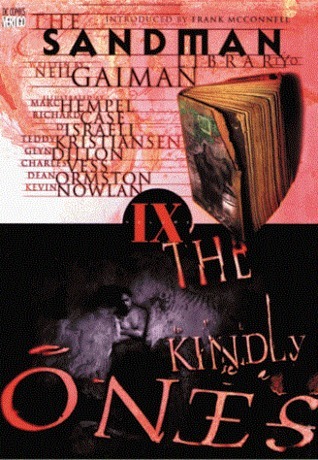
Cover of The Sandman, Vol. 9: The Kindly Ones by Neil Gaiman, Marc Hempel

The Sandman, Vol. 9: The Kindly Ones

Neil Gaiman, 1995
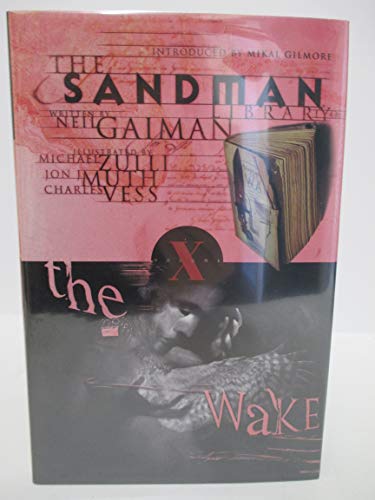
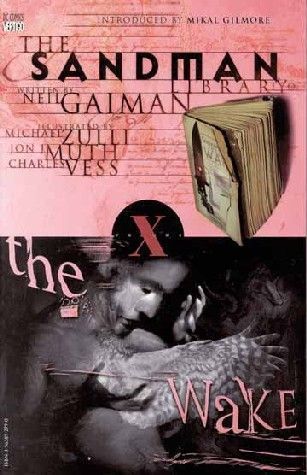
Cover of The Sandman, Vol. 10: The Wake by Neil Gaiman

The Sandman, Vol. 10: The Wake

Neil Gaiman, 1989
Cover of The Sandman #11: Moving In by Neil Gaiman

The Sandman #11: Moving In

Neil Gaiman, 1989
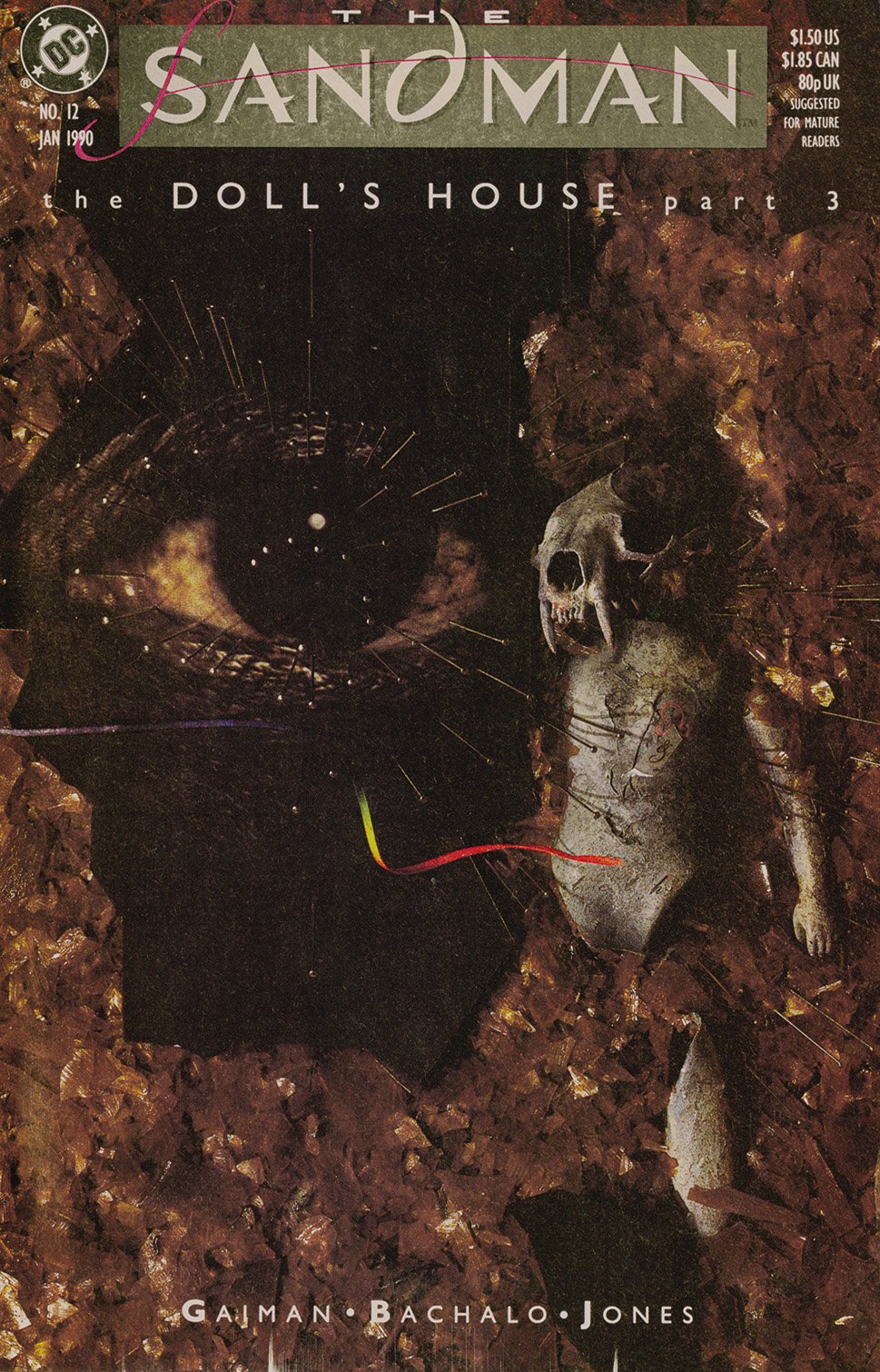
Cover of The Sandman #12: Playing House by Neil Gaiman

The Sandman #12: Playing House

Neil Gaiman, 1989
Cover of The Sandman #13: Men of Good Fortune by Neil Gaiman

The Sandman #13: Men of Good Fortune

Neil Gaiman, 1990
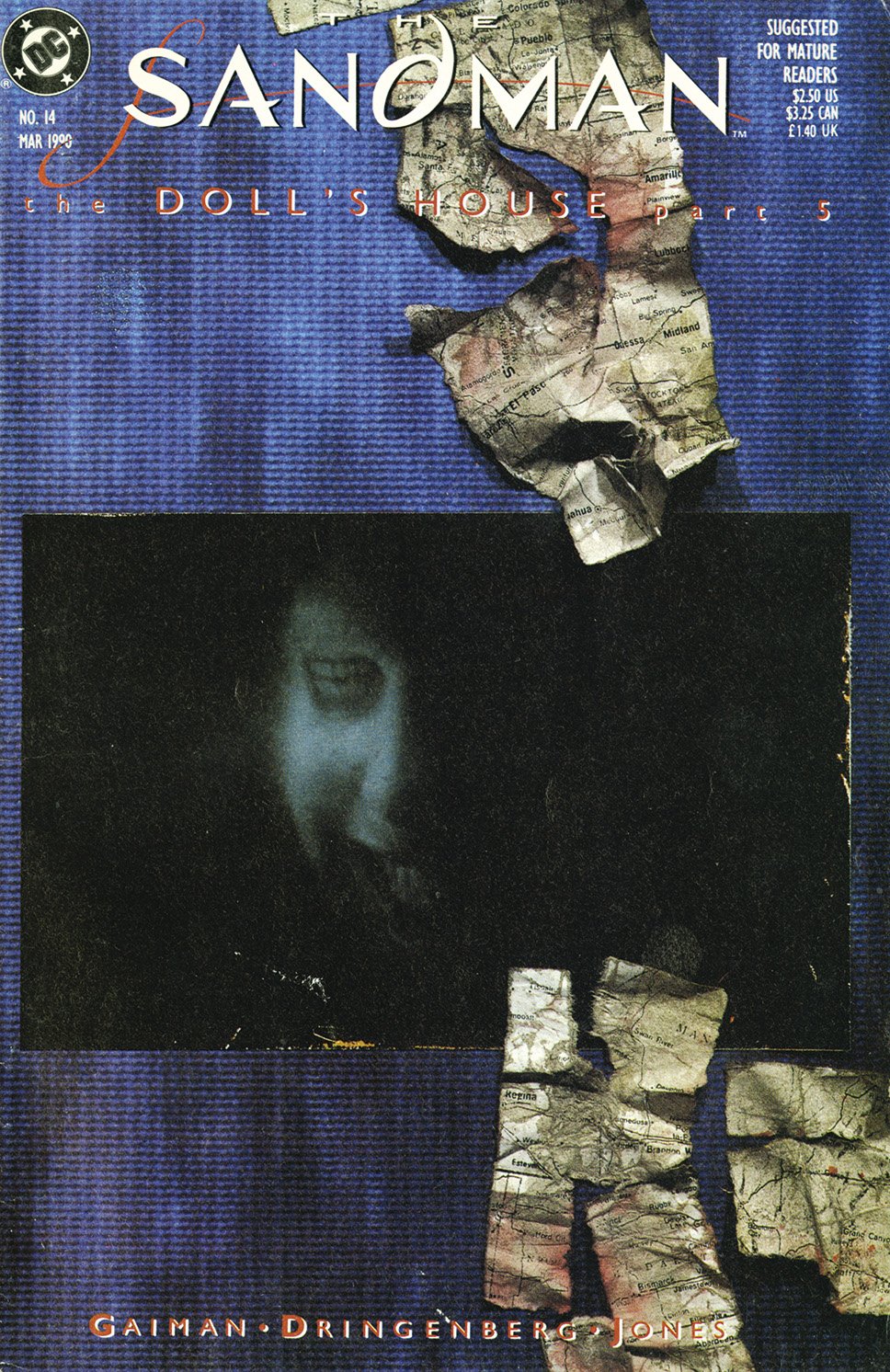
Cover of The Sandman #14: Collectors by Neil Gaiman

The Sandman #14: Collectors

Neil Gaiman, 1990
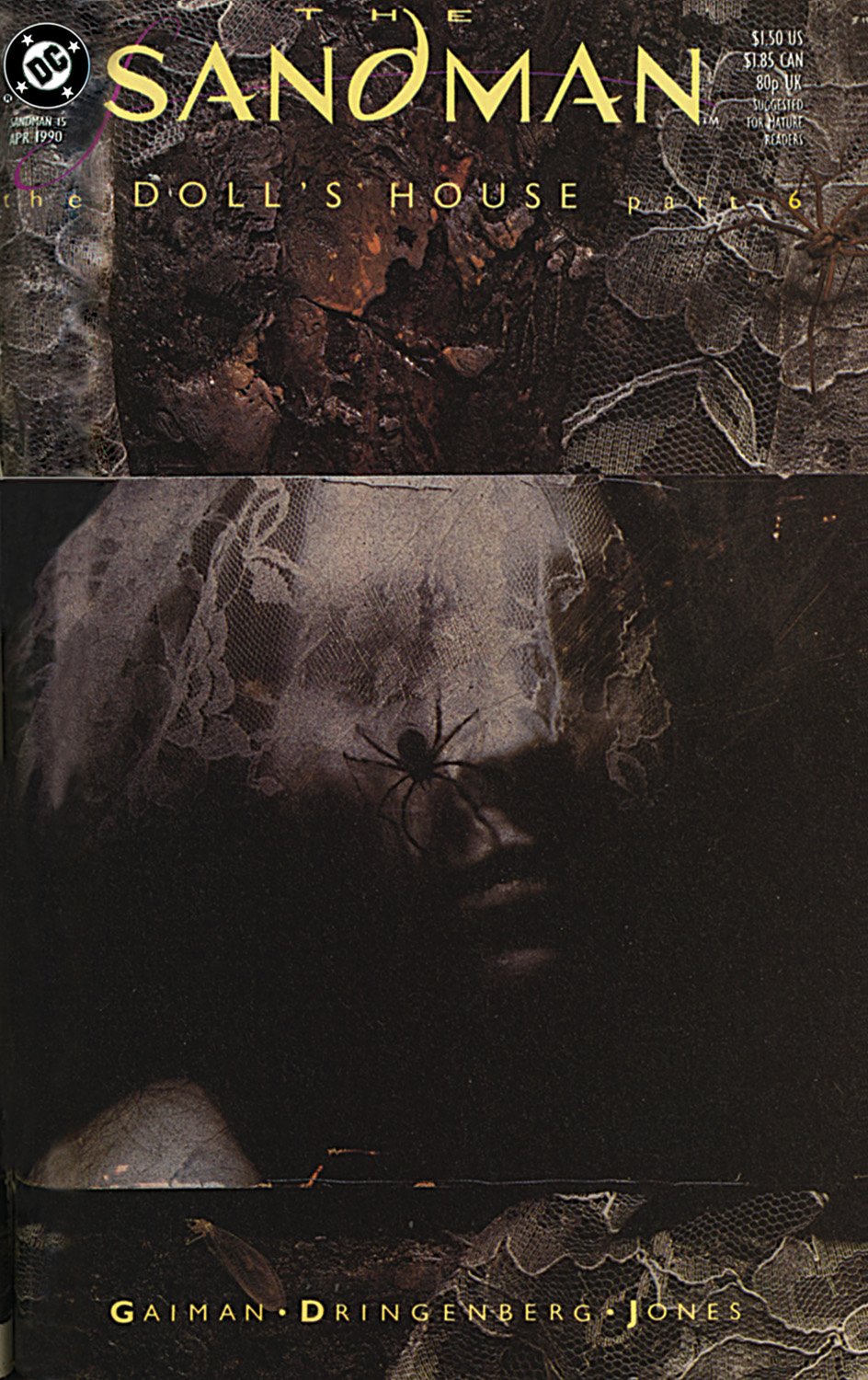
Cover of The Sandman #15: Into the Night by Neil Gaiman

The Sandman #15: Into the Night

Neil Gaiman, 2010
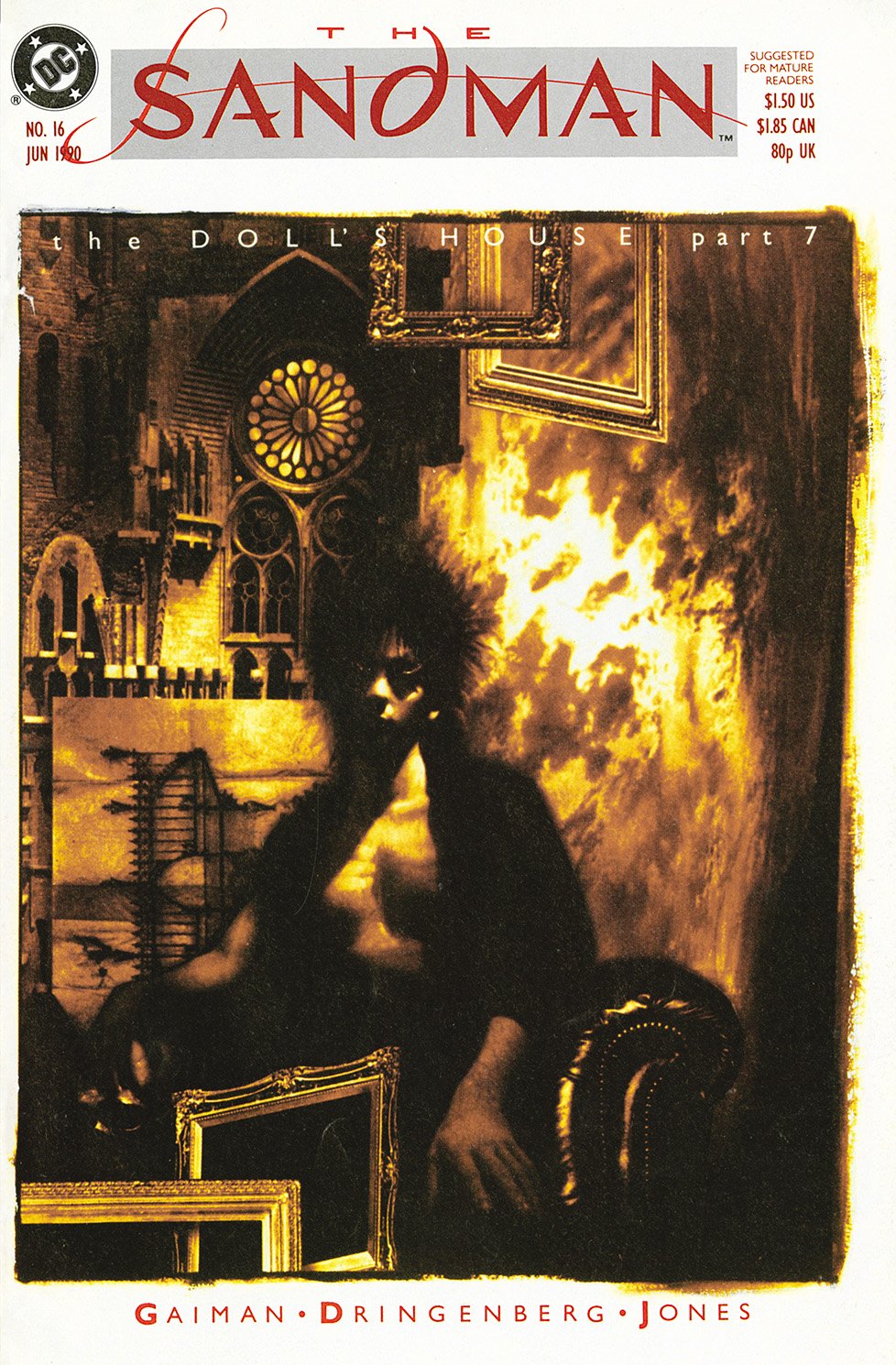
Cover of The Sandman #16: Lost Hearts by Neil Gaiman

The Sandman #16: Lost Hearts

Neil Gaiman, 1990
Cover of The Sandman #17: Calliope by Neil Gaiman

The Sandman #17: Calliope

Neil Gaiman, 1990
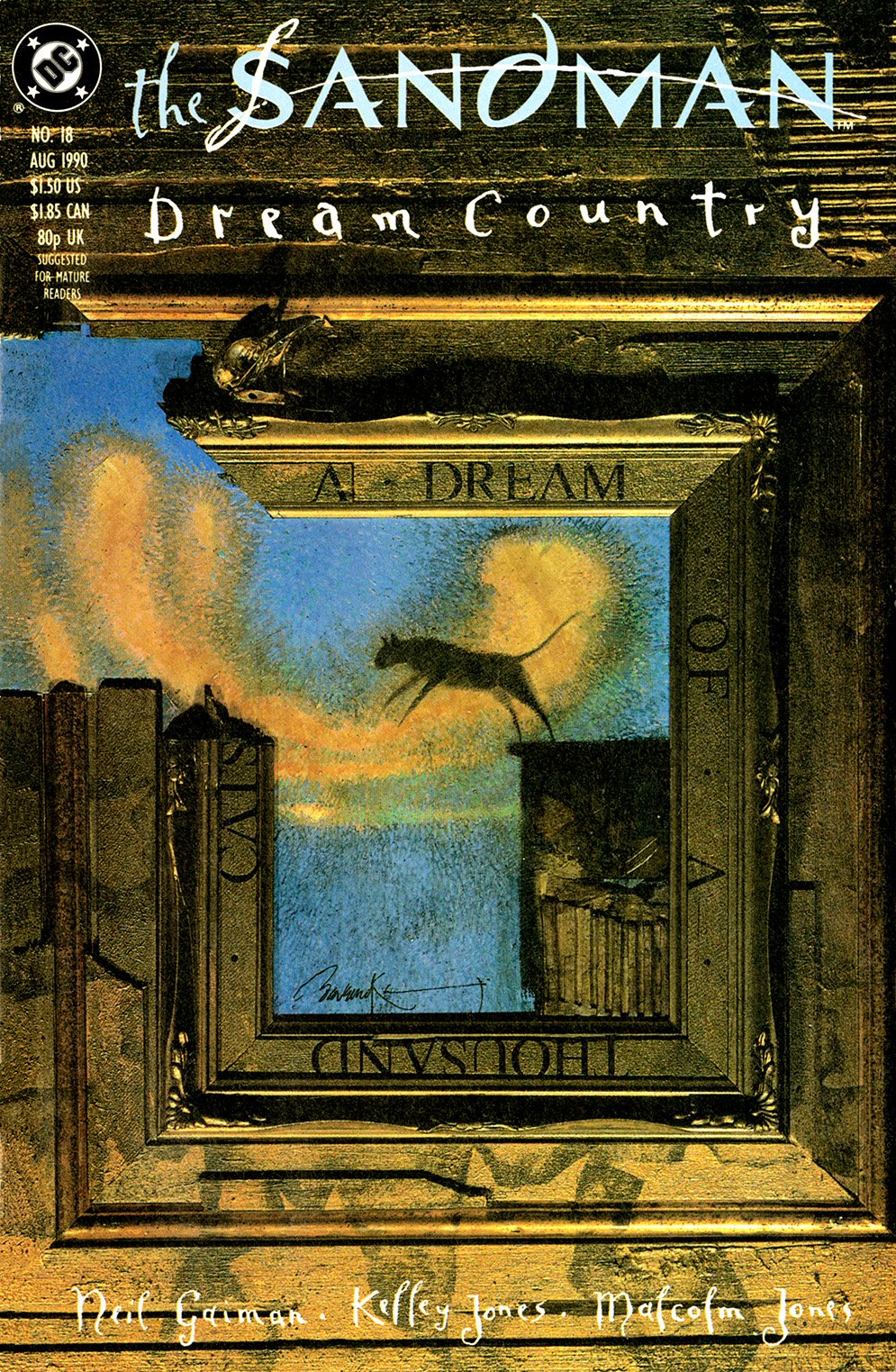
Cover of The Sandman #18: A Dream of a Thousand Cats by Neil Gaiman

The Sandman #18: A Dream of a Thousand Cats

Neil Gaiman, 1990
Cover of The Sandman #19: A Midsummer Night's Dream by Neil Gaiman

The Sandman #19: A Midsummer Night's Dream

Neil Gaiman, 1990

§Editions

Cover of The Sandman #13: Men of Good Fortune

The Sandman #13: Men of Good Fortune

engKindle
Vertigo1990B00CMZHNOC
Amazon
§Genres
comics1fantasy1

Metadata

ASINB00CMZHNOC

Editions and availability

Find The Sandman #13: Men of Good Fortune Neil Gaiman in PDF, EPUB, ebook, audiobook, print, or library editions.

View on Amazon
Bookshop.orgGoogle Play BooksOpen Library