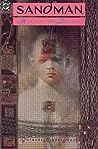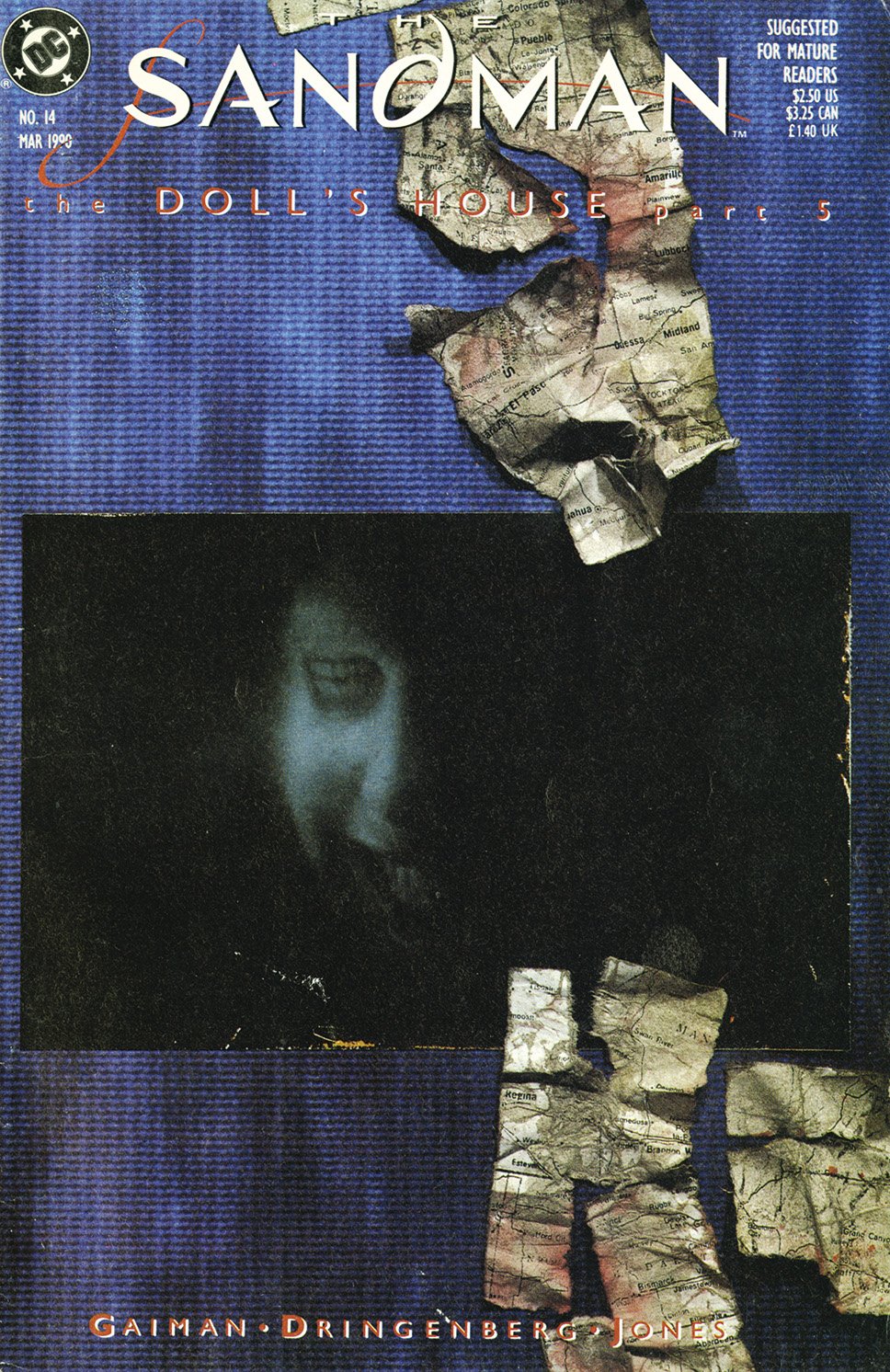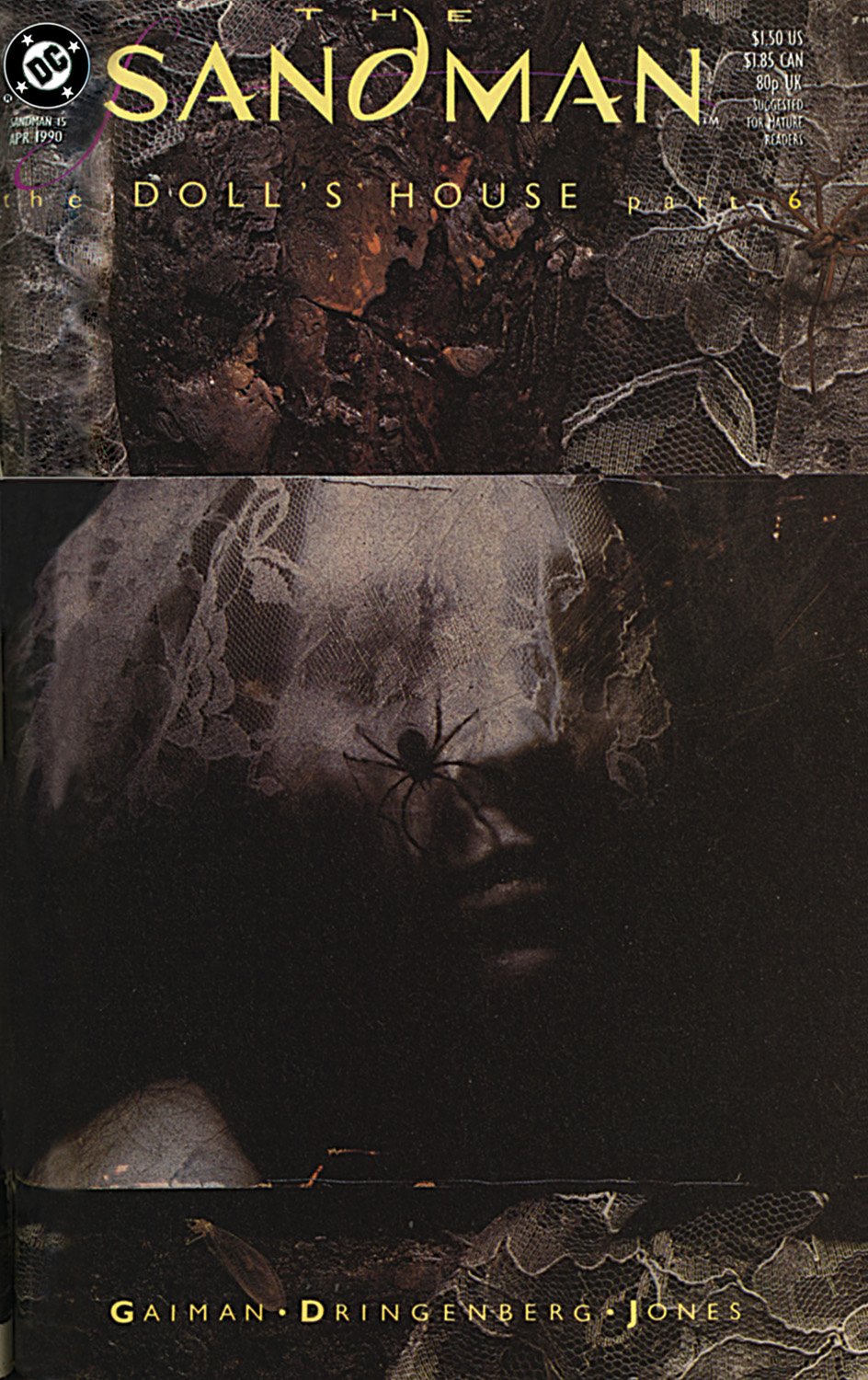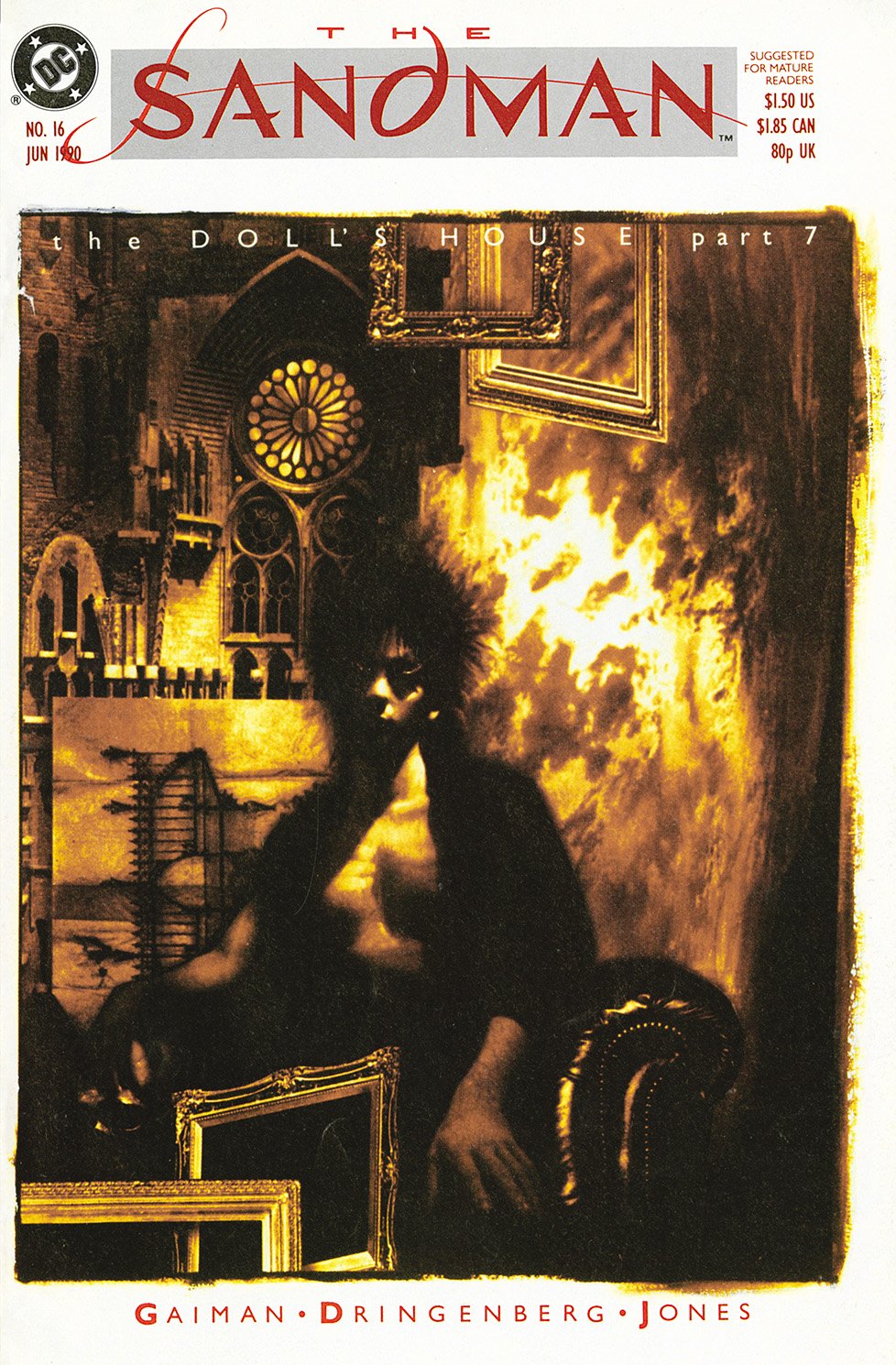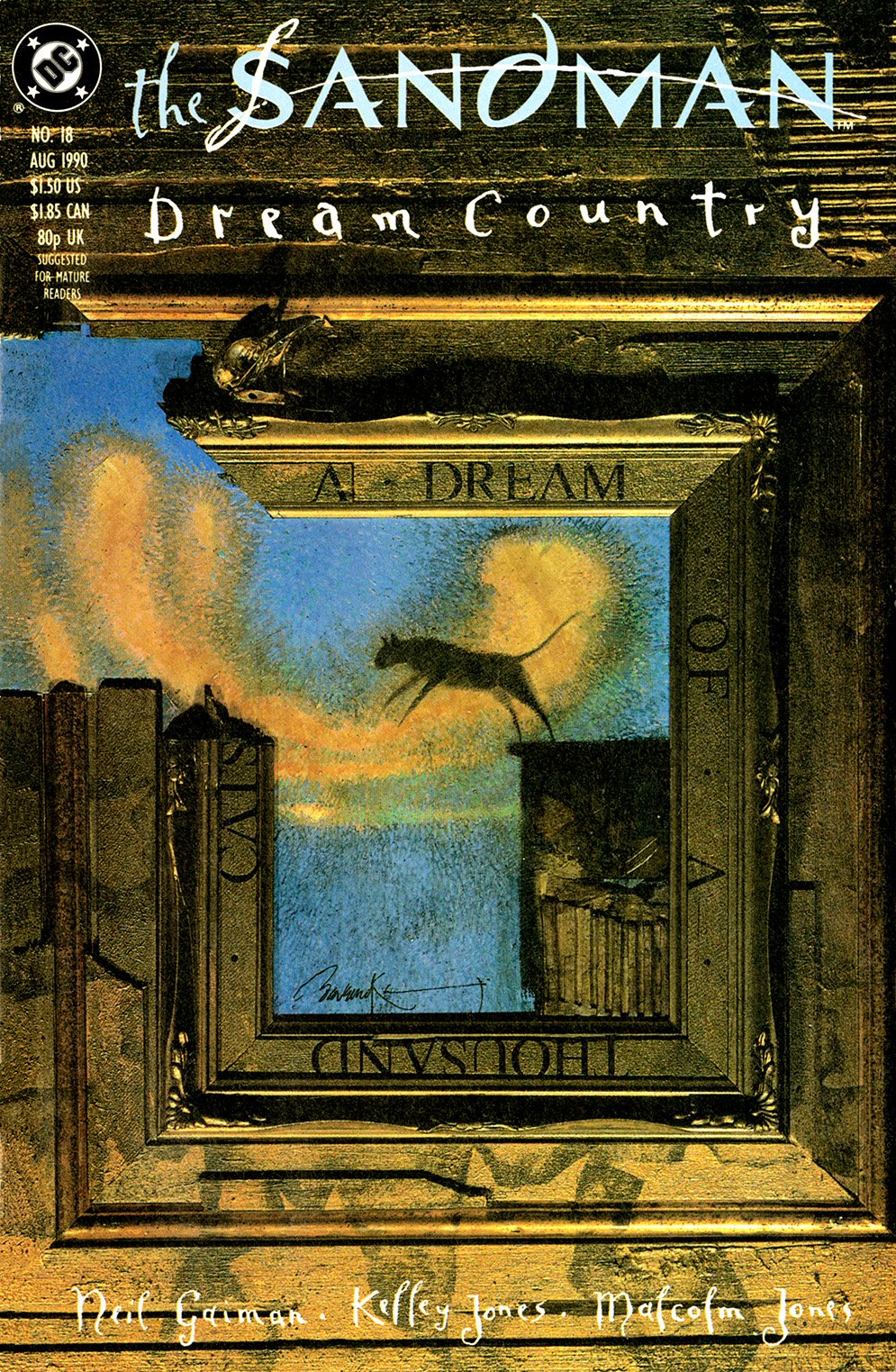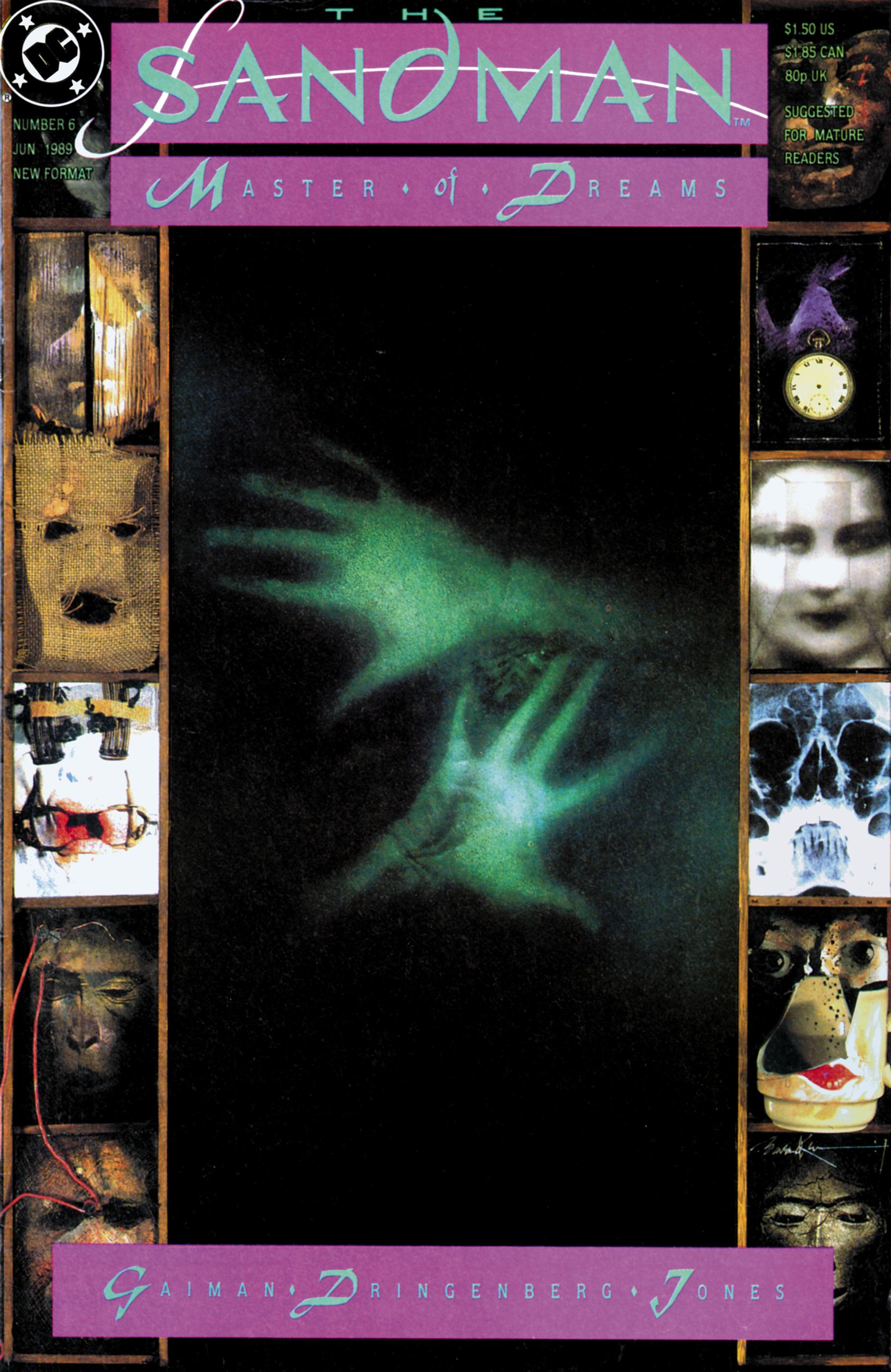

In the quiet confines of a nondescript 24-hour diner, the boundary between the subconscious and reality begins to dissolve under the influence of an ancient, stolen power. While the world outside remains oblivious, six individuals find their private thoughts and hidden impulses brought to the surface, not through their own volition, but through the experimental whims of a man holding the key to the realm of dreams. This issue serves as a chilling examination of what happens when the filters of social decorum and personal restraint are forcibly removed by a detached, malevolent observer.
The narrative operates on a relentless chronological countdown, stripping away the comfort of normalcy hour by hour. It is less a traditional action story and more a clinical study of human fragility. By centering the conflict on the perversion of mundane daydreams into waking nightmares, the story explores the terrifying potential of absolute psychological control and the inherent danger in possessing an artifact that can rewrite the rules of human interaction.
The world-building in this installment shifts from the vast, mythological landscapes of the Dreaming to the claustrophobic atmosphere of a small-town eatery. The primary "rule" established is the sovereignty of the Dreamstone, an artifact that allows its wielder to manifest the subconscious desires and fears of others. Within the walls of the diner, reality becomes plastic; time and space are not governed by physics, but by the shifting whims of the stone's possessor. The atmosphere is one of escalating tension, where the bright fluorescent lights and the smell of coffee provide a jarring contrast to the metaphysical violations occurring at the tables.
The initial character arcs focus on the "masks" these individuals wear in public. Bette’s hobby of fictionalizing her customers' lives serves as a meta-commentary on the power of storytelling—a theme central to the larger series. As the story progresses through the first few hours, the development is not found in the characters' growth, but in their involuntary regression. The dynamic between the patrons shifts from polite, distant strangers to a forced, grotesque intimacy. John Dee himself remains a stagnant, cold observer, representing a lack of empathy that serves as the primary foil to the vibrant, if flawed, lives of his subjects.
This issue utilizes the "bottle episode" trope—a story confined to a single location—but subverts it by making the confinement psychological rather than just physical. While the doors remain unlocked for a time, the characters are held captive by the manipulation of their own minds. It also leans into the "God Complex" trope, though it avoids the typical villainous monologues in favor of a quiet, terrifyingly methodical approach to omnipotence. By blending elements of classic 1970s horror comics with metaphysical inquiry, Gaiman transforms a standard superhero-villain confrontation into a profound exploration of the dark side of the collective unconscious.
In the quiet confines of a nondescript 24-hour diner, the boundary between the subconscious and reality begins to dissolve under the influence of an ancient, stolen power. While the world outside remains oblivious, six individuals find their private thoughts and hidden impulses brought to the surface, not through their own volition, but through the experimental whims of a man holding the key to the realm of dreams. This issue serves as a chilling examination of what happens when the filters of social decorum and personal restraint are forcibly removed by a detached, malevolent observer.
The narrative operates on a relentless chronological countdown, stripping away the comfort of normalcy hour by hour. It is less a traditional action story and more a clinical study of human fragility. By centering the conflict on the perversion of mundane daydreams into waking nightmares, the story explores the terrifying potential of absolute psychological control and the inherent danger in possessing an artifact that can rewrite the rules of human interaction.
The world-building in this installment shifts from the vast, mythological landscapes of the Dreaming to the claustrophobic atmosphere of a small-town eatery. The primary "rule" established is the sovereignty of the Dreamstone, an artifact that allows its wielder to manifest the subconscious desires and fears of others. Within the walls of the diner, reality becomes plastic; time and space are not governed by physics, but by the shifting whims of the stone's possessor. The atmosphere is one of escalating tension, where the bright fluorescent lights and the smell of coffee provide a jarring contrast to the metaphysical violations occurring at the tables.
The initial character arcs focus on the "masks" these individuals wear in public. Bette’s hobby of fictionalizing her customers' lives serves as a meta-commentary on the power of storytelling—a theme central to the larger series. As the story progresses through the first few hours, the development is not found in the characters' growth, but in their involuntary regression. The dynamic between the patrons shifts from polite, distant strangers to a forced, grotesque intimacy. John Dee himself remains a stagnant, cold observer, representing a lack of empathy that serves as the primary foil to the vibrant, if flawed, lives of his subjects.
This issue utilizes the "bottle episode" trope—a story confined to a single location—but subverts it by making the confinement psychological rather than just physical. While the doors remain unlocked for a time, the characters are held captive by the manipulation of their own minds. It also leans into the "God Complex" trope, though it avoids the typical villainous monologues in favor of a quiet, terrifyingly methodical approach to omnipotence. By blending elements of classic 1970s horror comics with metaphysical inquiry, Gaiman transforms a standard superhero-villain confrontation into a profound exploration of the dark side of the collective unconscious.
Add to your library to track progress and write reviews

Find The Sandman #6: 24 Hours Neil Gaiman in PDF, EPUB, ebook, audiobook, print, or library editions.

44 books in catalog
Groundbreaking dark fantasy comic books and dark, whimsical prose fiction have reshaped speculative literature, most famously through the comic book series The Sandman. English author Neil Gaiman, born Neil Richard Gaiman on 10 November 1960, created this influential series before publishing widely acclaimed fantasy novels including Stardust, American Gods, Coraline, and The Graveyard Book.
Born Neil Richard Gaiman in Portchester, Hampshire, UK, he spent much of his childhood reading in public libraries, where he discovered the works of C.S. Lewis, J.R.R. Tolkien, Edgar Allan Poe, Ursula K. LeGuin, and G.K. Chesterton. He began his professional career in journalism before transitioning into comic book writing in the late 1980s, gaining prominence with Black Orchid in 1988 and launching The Sandman series for DC Comics' Vertigo imprint in 1989. Over the subsequent decades, he expanded into writing novels, short fiction, audio theatre, screenplays, and films, eventually taking up residence in the United States near Minneapolis.
His fiction has earned widespread critical recognition, receiving Hugo, Nebula, and Bram Stoker awards. In 2008, he published The Graveyard Book, becoming the first author to win both the American Newbery Medal and the British Carnegie Medal for the same work. In 2013, his novel The Ocean at the End of the Lane was voted Book of the Year in the British National Book Awards. His extensive bibliography and media adaptations continued to draw major critical attention through 2017 and beyond.
Gaiman's literary work is noted for combining imaginative fantasy with a darkly humorous tone, fusing modern settings with classical mythology, folklore, and fairy tale motifs. His stories frequently explore themes of memory, childhood innocence, ancient gods navigating contemporary society, and the fundamental power of stories. Across all age categories, his narratives balance gothic atmosphere with warm human empathy and sharp observational wit.

44 books in catalog
Groundbreaking dark fantasy comic books and dark, whimsical prose fiction have reshaped speculative literature, most famously through the comic book series The Sandman. English author Neil Gaiman, born Neil Richard Gaiman on 10 November 1960, created this influential series before publishing widely acclaimed fantasy novels including Stardust, American Gods, Coraline, and The Graveyard Book.
Born Neil Richard Gaiman in Portchester, Hampshire, UK, he spent much of his childhood reading in public libraries, where he discovered the works of C.S. Lewis, J.R.R. Tolkien, Edgar Allan Poe, Ursula K. LeGuin, and G.K. Chesterton. He began his professional career in journalism before transitioning into comic book writing in the late 1980s, gaining prominence with Black Orchid in 1988 and launching The Sandman series for DC Comics' Vertigo imprint in 1989. Over the subsequent decades, he expanded into writing novels, short fiction, audio theatre, screenplays, and films, eventually taking up residence in the United States near Minneapolis.
His fiction has earned widespread critical recognition, receiving Hugo, Nebula, and Bram Stoker awards. In 2008, he published The Graveyard Book, becoming the first author to win both the American Newbery Medal and the British Carnegie Medal for the same work. In 2013, his novel The Ocean at the End of the Lane was voted Book of the Year in the British National Book Awards. His extensive bibliography and media adaptations continued to draw major critical attention through 2017 and beyond.
Gaiman's literary work is noted for combining imaginative fantasy with a darkly humorous tone, fusing modern settings with classical mythology, folklore, and fairy tale motifs. His stories frequently explore themes of memory, childhood innocence, ancient gods navigating contemporary society, and the fundamental power of stories. Across all age categories, his narratives balance gothic atmosphere with warm human empathy and sharp observational wit.
The Sandman
The Sandman