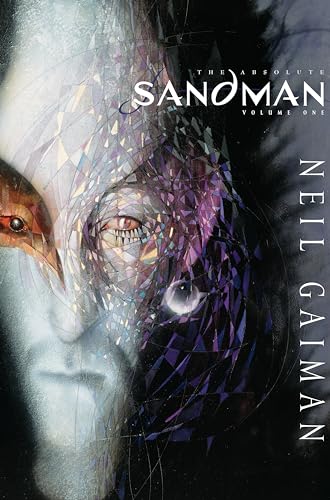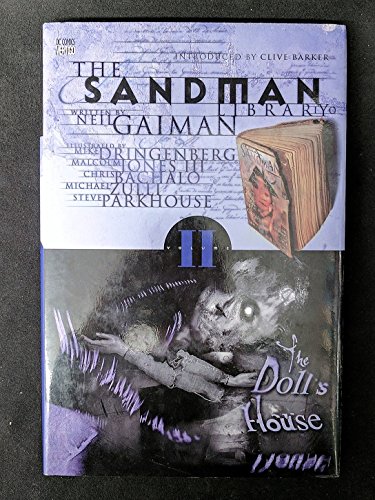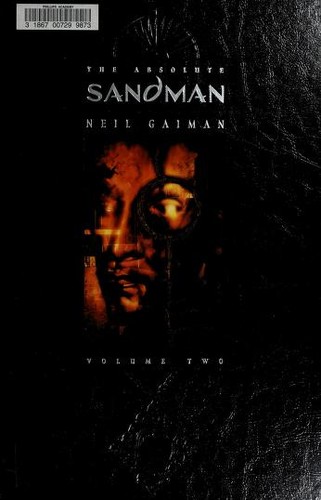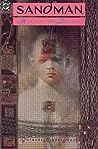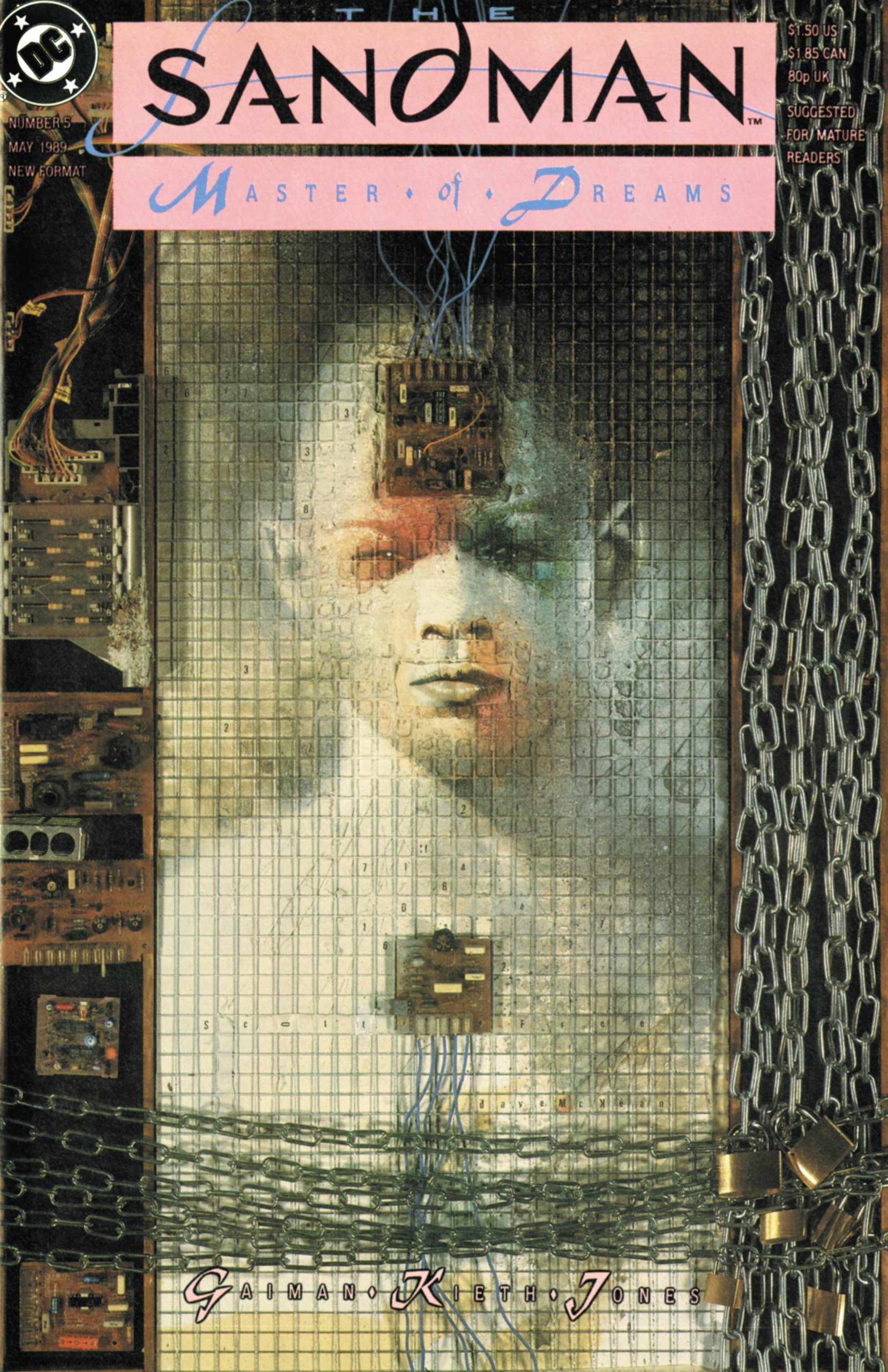

The reclamation of power is rarely a linear journey, and for Morpheus, the Lord of Dreams, it is proving to be a humbling descent into the grit of the DC Universe. Having escaped a century of imprisonment, the Dream-King is a shadow of his former self, forced to navigate a world that has learned to live—and suffer—without his oversight. To regain his sovereignty, he must recover the last of his stolen totems: a ruby of immense reality-warping potential. However, the jewel has been corrupted by a mortal mind, transforming a tool of creation into a weapon of madness.
As Morpheus tracks the jewel, the narrative shifts toward the psychological toll of obsession. The conflict is not merely a chase but a study of two entities attempting to rebuild themselves from the wreckage of their pasts. While Dream seeks to restore the balance of his realm, his antagonist, John Dee, seeks to dismantle reality itself using a power he was never meant to hold. It is a collision between ancient duty and modern insanity, set against a backdrop where the boundaries between comic book heroics and metaphysical horror begin to dissolve.
In "Passengers," the setting functions as a bridge between the traditional DC superhero landscape and Gaiman’s dark, metaphysical realm. The world operates on the principle that dreams are a tangible resource—one that can be concentrated into physical objects or used as a transit system across reality. Arkham Asylum is portrayed not as a mere prison, but as a site of profound psychological erosion, while the appearances of the Justice League ground the story in a familiar reality that is about to be upended by the "Endless" logic of the Dreaming.
The core of this installment lies in the uncharacteristic vulnerability of Morpheus. Unlike the omnipotent figure seen in later chapters, the Dream-King here is transactional and weary. He is a protagonist who must rely on others—a dynamic that grates against his pride and highlights his initial lack of empathy for the "short-lived" mortals he encounters. His arc focuses on the cold necessity of his mission, emphasizing that his quest for the ruby is not one of greed, but of restoring a fundamental cosmic function that has gone dangerously awry.
"Passengers" utilizes the "Quest for the Lost Power" trope but strips away the typical adventurous tone, replacing it with a sense of impending dread. Gaiman subverts the "Supervillain Escapes" trope by focusing on the visceral, pathetic reality of a broken man rather than a theatrical heist. Additionally, the story deconstructs the "Superhero Cameo" by treating the Justice League not as the ultimate authority, but as mere "passengers" in a much older, more dangerous narrative involving the fundamental forces of the universe.
The reclamation of power is rarely a linear journey, and for Morpheus, the Lord of Dreams, it is proving to be a humbling descent into the grit of the DC Universe. Having escaped a century of imprisonment, the Dream-King is a shadow of his former self, forced to navigate a world that has learned to live—and suffer—without his oversight. To regain his sovereignty, he must recover the last of his stolen totems: a ruby of immense reality-warping potential. However, the jewel has been corrupted by a mortal mind, transforming a tool of creation into a weapon of madness.
As Morpheus tracks the jewel, the narrative shifts toward the psychological toll of obsession. The conflict is not merely a chase but a study of two entities attempting to rebuild themselves from the wreckage of their pasts. While Dream seeks to restore the balance of his realm, his antagonist, John Dee, seeks to dismantle reality itself using a power he was never meant to hold. It is a collision between ancient duty and modern insanity, set against a backdrop where the boundaries between comic book heroics and metaphysical horror begin to dissolve.
In "Passengers," the setting functions as a bridge between the traditional DC superhero landscape and Gaiman’s dark, metaphysical realm. The world operates on the principle that dreams are a tangible resource—one that can be concentrated into physical objects or used as a transit system across reality. Arkham Asylum is portrayed not as a mere prison, but as a site of profound psychological erosion, while the appearances of the Justice League ground the story in a familiar reality that is about to be upended by the "Endless" logic of the Dreaming.
The core of this installment lies in the uncharacteristic vulnerability of Morpheus. Unlike the omnipotent figure seen in later chapters, the Dream-King here is transactional and weary. He is a protagonist who must rely on others—a dynamic that grates against his pride and highlights his initial lack of empathy for the "short-lived" mortals he encounters. His arc focuses on the cold necessity of his mission, emphasizing that his quest for the ruby is not one of greed, but of restoring a fundamental cosmic function that has gone dangerously awry.
"Passengers" utilizes the "Quest for the Lost Power" trope but strips away the typical adventurous tone, replacing it with a sense of impending dread. Gaiman subverts the "Supervillain Escapes" trope by focusing on the visceral, pathetic reality of a broken man rather than a theatrical heist. Additionally, the story deconstructs the "Superhero Cameo" by treating the Justice League not as the ultimate authority, but as mere "passengers" in a much older, more dangerous narrative involving the fundamental forces of the universe.
Add to your library to track progress and write reviews
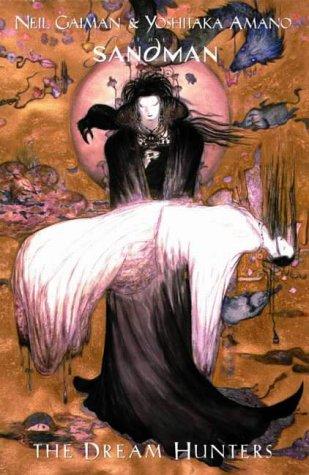
Find The Sandman #5: Passengers Neil Gaiman in PDF, EPUB, ebook, audiobook, print, or library editions.
The Sandman
The Sandman

44 books in catalog
Groundbreaking dark fantasy comic books and dark, whimsical prose fiction have reshaped speculative literature, most famously through the comic book series The Sandman. English author Neil Gaiman, born Neil Richard Gaiman on 10 November 1960, created this influential series before publishing widely acclaimed fantasy novels including Stardust, American Gods, Coraline, and The Graveyard Book.
Born Neil Richard Gaiman in Portchester, Hampshire, UK, he spent much of his childhood reading in public libraries, where he discovered the works of C.S. Lewis, J.R.R. Tolkien, Edgar Allan Poe, Ursula K. LeGuin, and G.K. Chesterton. He began his professional career in journalism before transitioning into comic book writing in the late 1980s, gaining prominence with Black Orchid in 1988 and launching The Sandman series for DC Comics' Vertigo imprint in 1989. Over the subsequent decades, he expanded into writing novels, short fiction, audio theatre, screenplays, and films, eventually taking up residence in the United States near Minneapolis.
His fiction has earned widespread critical recognition, receiving Hugo, Nebula, and Bram Stoker awards. In 2008, he published The Graveyard Book, becoming the first author to win both the American Newbery Medal and the British Carnegie Medal for the same work. In 2013, his novel The Ocean at the End of the Lane was voted Book of the Year in the British National Book Awards. His extensive bibliography and media adaptations continued to draw major critical attention through 2017 and beyond.
Gaiman's literary work is noted for combining imaginative fantasy with a darkly humorous tone, fusing modern settings with classical mythology, folklore, and fairy tale motifs. His stories frequently explore themes of memory, childhood innocence, ancient gods navigating contemporary society, and the fundamental power of stories. Across all age categories, his narratives balance gothic atmosphere with warm human empathy and sharp observational wit.

44 books in catalog
Groundbreaking dark fantasy comic books and dark, whimsical prose fiction have reshaped speculative literature, most famously through the comic book series The Sandman. English author Neil Gaiman, born Neil Richard Gaiman on 10 November 1960, created this influential series before publishing widely acclaimed fantasy novels including Stardust, American Gods, Coraline, and The Graveyard Book.
Born Neil Richard Gaiman in Portchester, Hampshire, UK, he spent much of his childhood reading in public libraries, where he discovered the works of C.S. Lewis, J.R.R. Tolkien, Edgar Allan Poe, Ursula K. LeGuin, and G.K. Chesterton. He began his professional career in journalism before transitioning into comic book writing in the late 1980s, gaining prominence with Black Orchid in 1988 and launching The Sandman series for DC Comics' Vertigo imprint in 1989. Over the subsequent decades, he expanded into writing novels, short fiction, audio theatre, screenplays, and films, eventually taking up residence in the United States near Minneapolis.
His fiction has earned widespread critical recognition, receiving Hugo, Nebula, and Bram Stoker awards. In 2008, he published The Graveyard Book, becoming the first author to win both the American Newbery Medal and the British Carnegie Medal for the same work. In 2013, his novel The Ocean at the End of the Lane was voted Book of the Year in the British National Book Awards. His extensive bibliography and media adaptations continued to draw major critical attention through 2017 and beyond.
Gaiman's literary work is noted for combining imaginative fantasy with a darkly humorous tone, fusing modern settings with classical mythology, folklore, and fairy tale motifs. His stories frequently explore themes of memory, childhood innocence, ancient gods navigating contemporary society, and the fundamental power of stories. Across all age categories, his narratives balance gothic atmosphere with warm human empathy and sharp observational wit.