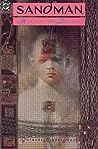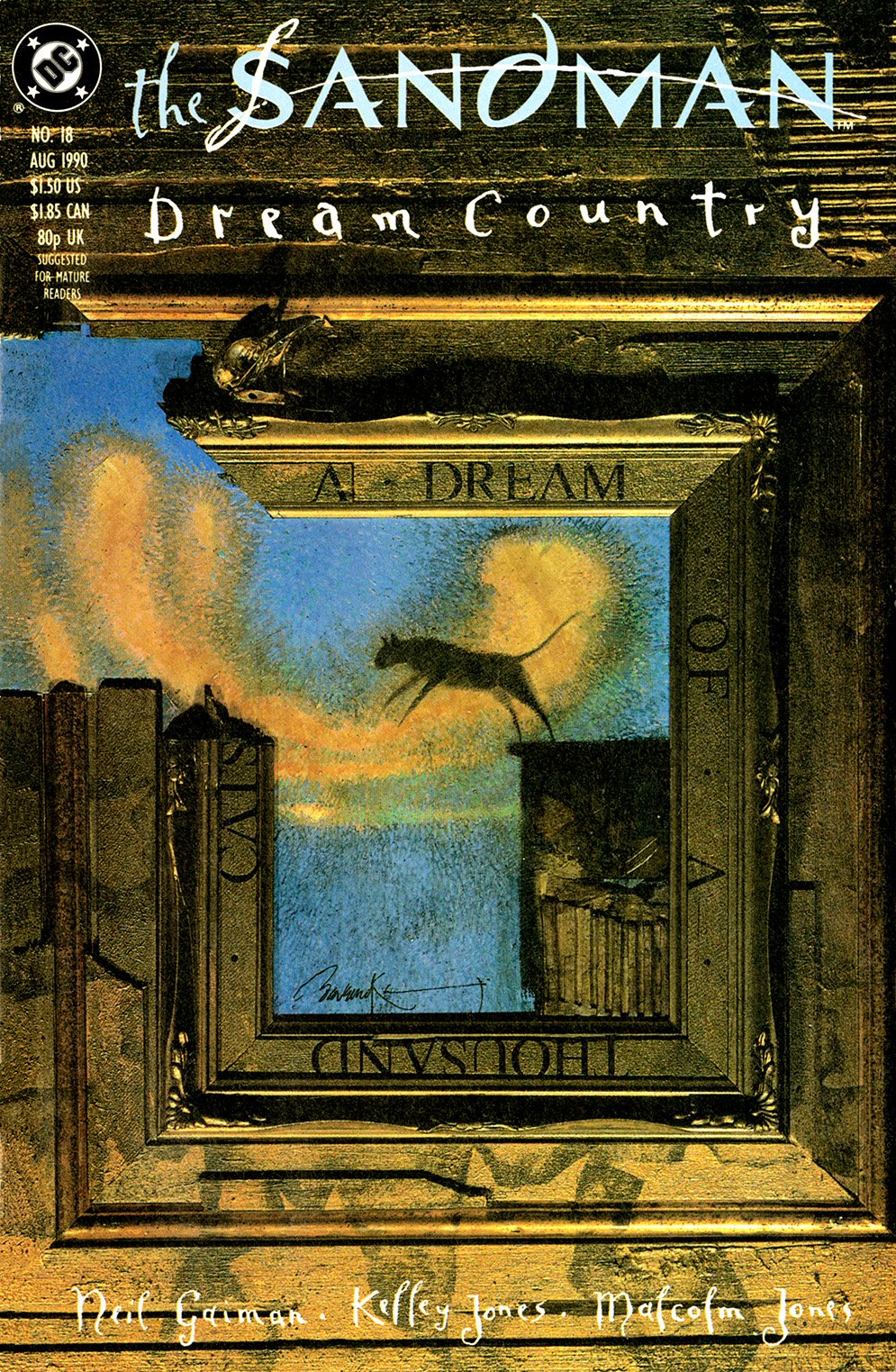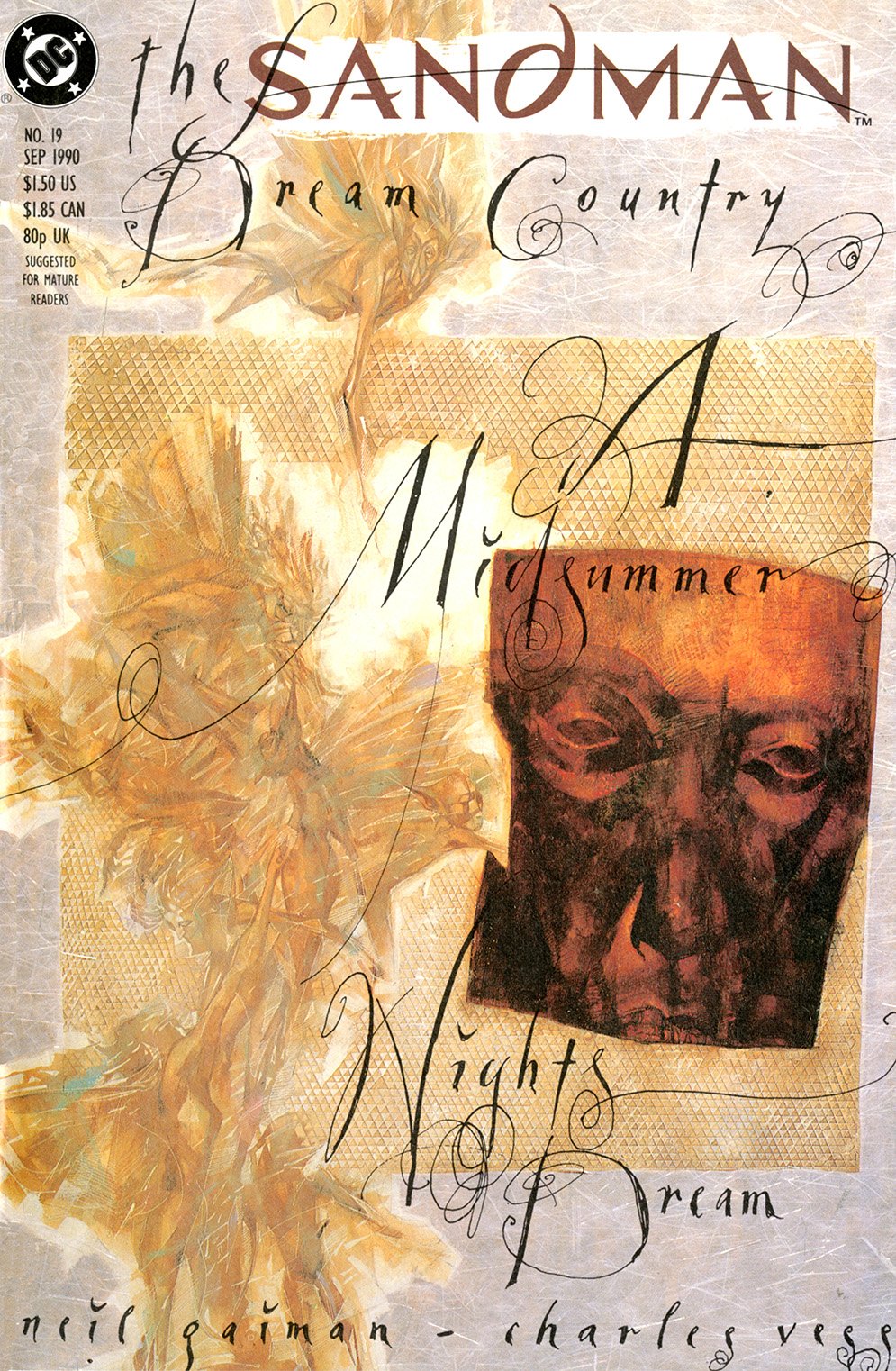

In the rural landscape of 1593 England, a traveling troupe of actors led by William Shakespeare arrives at the ancient site of Wendel’s Mound. They have been summoned to perform their latest comedy, "A Midsummer Night's Dream," but the circumstances are far from standard. The performance is the fulfillment of a supernatural contract between Shakespeare and Morpheus, the Lord of Dreams. In exchange for the gift of immortal words, Shakespeare must perform this specific play for an audience invited by his patron—a collection of beings who are the very subjects of the play itself.
As the sun sets on Midsummer Eve, the line between the physical stage and the realm of myth begins to blur. The actors, including Shakespeare’s young son Hamnet, find themselves performing for the King and Queen of Faerie and their chaotic court. The story explores the friction between "fact" and "truth," examining how a playwright’s obsession with legacy can distance him from his own life, even as he creates the very stories that will define humanity's imagination for centuries to come.
The narrative centers on a Faustian-style pact that avoids the typical tropes of damnation in favor of exploring the mechanics of inspiration. Morpheus provides Shakespeare with the ability to "hold a mirror up to nature" in a way no mortal has before, but the cost is a profound detachment. As the play begins, the focus is on the burden of this genius. Shakespeare is depicted not as a celebratory figure, but as a man preoccupied with the technicalities of his craft and the requirements of his patron, often at the expense of his emotional connection to his family and his fellow actors.
The setting functions as a bridge between the historical reality of Elizabethan England and the fading presence of the Faerie realm. The world-building emphasizes a transitional era where the "old ways" of magic and myth are retreating from the world of men, leaving behind only stories. The atmosphere is one of bittersweet reverence; the Faerie audience watches a caricature of their own history, treating the play as both a tribute and a distorted reflection. This creates a "play-within-a-play" dynamic where the entities on stage are being judged by the entities they are meant to represent.
The core conflict is rooted in the relationship between William Shakespeare and his son, Hamnet. While the elder Shakespeare is consumed by the logistics of the performance and the weight of his deal with Dream, Hamnet wanders the periphery of the event, providing a grounded, human perspective on the supernatural proceedings. The dynamic suggests that the price of creating "universal" truth is often a loss of personal intimacy. Shakespeare’s development is shown through his singular focus; he is a vessel for stories, increasingly becoming a stranger to his own life as he fulfills his duty to the Dream King.
While many stories use the "play-within-a-play" device for comedic relief or to mirror a character's internal struggle, this narrative uses it to discuss the ontological nature of stories. It subverts the trope by having the fictional characters watch themselves, creating a loop where the "fake" performance is used to document "real" supernatural history. By framing the play as a diplomatic gift and a historical record rather than mere entertainment, the story examines the responsibility of the artist to their subjects and the way stories eventually replace the reality they were meant to describe.
In the rural landscape of 1593 England, a traveling troupe of actors led by William Shakespeare arrives at the ancient site of Wendel’s Mound. They have been summoned to perform their latest comedy, "A Midsummer Night's Dream," but the circumstances are far from standard. The performance is the fulfillment of a supernatural contract between Shakespeare and Morpheus, the Lord of Dreams. In exchange for the gift of immortal words, Shakespeare must perform this specific play for an audience invited by his patron—a collection of beings who are the very subjects of the play itself.
As the sun sets on Midsummer Eve, the line between the physical stage and the realm of myth begins to blur. The actors, including Shakespeare’s young son Hamnet, find themselves performing for the King and Queen of Faerie and their chaotic court. The story explores the friction between "fact" and "truth," examining how a playwright’s obsession with legacy can distance him from his own life, even as he creates the very stories that will define humanity's imagination for centuries to come.
The narrative centers on a Faustian-style pact that avoids the typical tropes of damnation in favor of exploring the mechanics of inspiration. Morpheus provides Shakespeare with the ability to "hold a mirror up to nature" in a way no mortal has before, but the cost is a profound detachment. As the play begins, the focus is on the burden of this genius. Shakespeare is depicted not as a celebratory figure, but as a man preoccupied with the technicalities of his craft and the requirements of his patron, often at the expense of his emotional connection to his family and his fellow actors.
The setting functions as a bridge between the historical reality of Elizabethan England and the fading presence of the Faerie realm. The world-building emphasizes a transitional era where the "old ways" of magic and myth are retreating from the world of men, leaving behind only stories. The atmosphere is one of bittersweet reverence; the Faerie audience watches a caricature of their own history, treating the play as both a tribute and a distorted reflection. This creates a "play-within-a-play" dynamic where the entities on stage are being judged by the entities they are meant to represent.
The core conflict is rooted in the relationship between William Shakespeare and his son, Hamnet. While the elder Shakespeare is consumed by the logistics of the performance and the weight of his deal with Dream, Hamnet wanders the periphery of the event, providing a grounded, human perspective on the supernatural proceedings. The dynamic suggests that the price of creating "universal" truth is often a loss of personal intimacy. Shakespeare’s development is shown through his singular focus; he is a vessel for stories, increasingly becoming a stranger to his own life as he fulfills his duty to the Dream King.
While many stories use the "play-within-a-play" device for comedic relief or to mirror a character's internal struggle, this narrative uses it to discuss the ontological nature of stories. It subverts the trope by having the fictional characters watch themselves, creating a loop where the "fake" performance is used to document "real" supernatural history. By framing the play as a diplomatic gift and a historical record rather than mere entertainment, the story examines the responsibility of the artist to their subjects and the way stories eventually replace the reality they were meant to describe.
Add to your library to track progress and write reviews
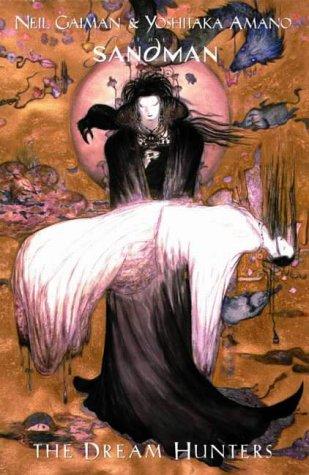
Find The Sandman #19: A Midsummer Night's Dream Neil Gaiman in PDF, EPUB, ebook, audiobook, print, or library editions.

44 books in catalog
Groundbreaking dark fantasy comic books and dark, whimsical prose fiction have reshaped speculative literature, most famously through the comic book series The Sandman. English author Neil Gaiman, born Neil Richard Gaiman on 10 November 1960, created this influential series before publishing widely acclaimed fantasy novels including Stardust, American Gods, Coraline, and The Graveyard Book.
Born Neil Richard Gaiman in Portchester, Hampshire, UK, he spent much of his childhood reading in public libraries, where he discovered the works of C.S. Lewis, J.R.R. Tolkien, Edgar Allan Poe, Ursula K. LeGuin, and G.K. Chesterton. He began his professional career in journalism before transitioning into comic book writing in the late 1980s, gaining prominence with Black Orchid in 1988 and launching The Sandman series for DC Comics' Vertigo imprint in 1989. Over the subsequent decades, he expanded into writing novels, short fiction, audio theatre, screenplays, and films, eventually taking up residence in the United States near Minneapolis.
His fiction has earned widespread critical recognition, receiving Hugo, Nebula, and Bram Stoker awards. In 2008, he published The Graveyard Book, becoming the first author to win both the American Newbery Medal and the British Carnegie Medal for the same work. In 2013, his novel The Ocean at the End of the Lane was voted Book of the Year in the British National Book Awards. His extensive bibliography and media adaptations continued to draw major critical attention through 2017 and beyond.
Gaiman's literary work is noted for combining imaginative fantasy with a darkly humorous tone, fusing modern settings with classical mythology, folklore, and fairy tale motifs. His stories frequently explore themes of memory, childhood innocence, ancient gods navigating contemporary society, and the fundamental power of stories. Across all age categories, his narratives balance gothic atmosphere with warm human empathy and sharp observational wit.

44 books in catalog
Groundbreaking dark fantasy comic books and dark, whimsical prose fiction have reshaped speculative literature, most famously through the comic book series The Sandman. English author Neil Gaiman, born Neil Richard Gaiman on 10 November 1960, created this influential series before publishing widely acclaimed fantasy novels including Stardust, American Gods, Coraline, and The Graveyard Book.
Born Neil Richard Gaiman in Portchester, Hampshire, UK, he spent much of his childhood reading in public libraries, where he discovered the works of C.S. Lewis, J.R.R. Tolkien, Edgar Allan Poe, Ursula K. LeGuin, and G.K. Chesterton. He began his professional career in journalism before transitioning into comic book writing in the late 1980s, gaining prominence with Black Orchid in 1988 and launching The Sandman series for DC Comics' Vertigo imprint in 1989. Over the subsequent decades, he expanded into writing novels, short fiction, audio theatre, screenplays, and films, eventually taking up residence in the United States near Minneapolis.
His fiction has earned widespread critical recognition, receiving Hugo, Nebula, and Bram Stoker awards. In 2008, he published The Graveyard Book, becoming the first author to win both the American Newbery Medal and the British Carnegie Medal for the same work. In 2013, his novel The Ocean at the End of the Lane was voted Book of the Year in the British National Book Awards. His extensive bibliography and media adaptations continued to draw major critical attention through 2017 and beyond.
Gaiman's literary work is noted for combining imaginative fantasy with a darkly humorous tone, fusing modern settings with classical mythology, folklore, and fairy tale motifs. His stories frequently explore themes of memory, childhood innocence, ancient gods navigating contemporary society, and the fundamental power of stories. Across all age categories, his narratives balance gothic atmosphere with warm human empathy and sharp observational wit.
The Sandman
The Sandman