SSansFiction
The libraryCollectionsJournalStatsFor authors
Sign inJoin now
Sansfiction,

A digital library for books. Made by readers, for readers.

v 2.0 · 2026
The library
  • Discover
  • Collections
  • Book tracker
  • Journal
  • Stats
For authors
  • SF Links
  • Analytics
  • How it works
  • FAQ
Elsewhere
  • X / @sansfiction
  • Privacy
  • Terms
  • Contact
© 2026 SansFiction · Digital · GlobalA quiet room for your reading life.
The libraryCollectionsJournalStatsFor authors
Sign inJoin now →
Navigation
Library
Bookshelf
Journal
Discover
Collections
Tierlists
Stats
Profile
Author Page
Link Builder
Account
Sign in
S
G
BooksadventureThe Sandman #17: Calliope
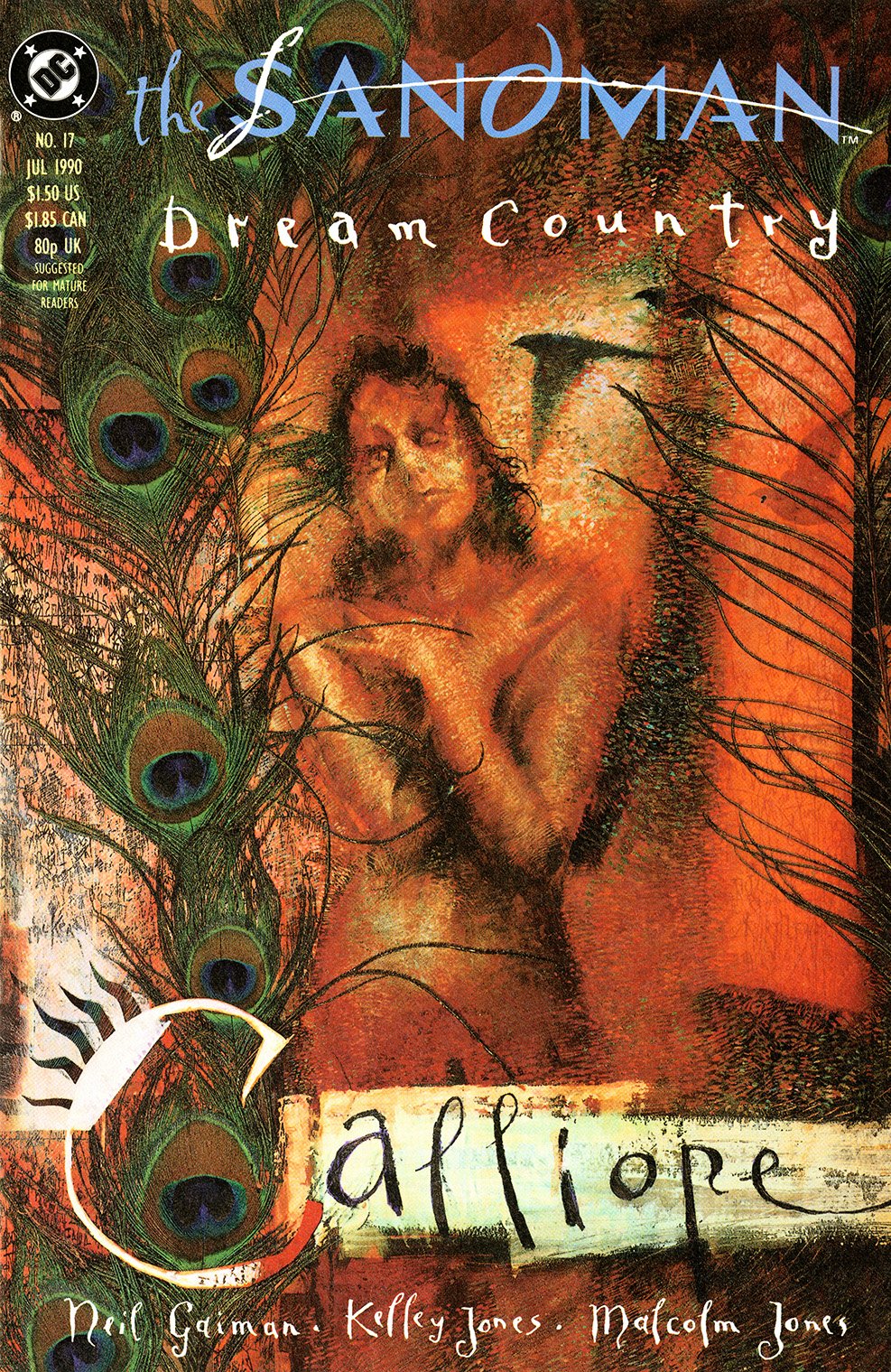
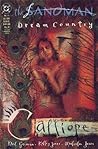
Cover of The Sandman #17: Calliope by Neil Gaiman
№ 17 · The Sandman

The Sandman #17: Calliope,

by Neil Gaiman

Ask AI
Rating4.7/ 5
Ratings6
Pages24
Reading Hours1h
Published1990
LanguageEnglish

§Synopsis

01

Richard Madoc is a novelist facing the crushing weight of a "one-hit wonder" reputation. In a desperate bid to reclaim his creative fire and satisfy his publishers, he enters into a dark transaction with an aging predecessor, Erasmus Fry. The price is a rare bezoar, but the reward is a living entity: Calliope, the youngest of the nine Muses of Greek myth. Bound by ancient laws and physical shackles, she is transformed from a divine source of inspiration into a commodity to be exploited within the walls of a silent, locked room.

The narrative explores the terrifying intersection of art and entitlement. As Madoc begins to harvest ideas from his captive, the story delves into the moral rot that occurs when a creator views their inspiration not as a gift, but as a resource to be mined. The tension mounts as Calliope reaches out into the darkness of the Dreaming, seeking a rescue from an old acquaintance who has recently endured his own long period of confinement.

Main Characters

  • Richard Madoc: A struggling novelist whose desperation for fame leads him to abandon his morality for the sake of a "great" story.
  • Calliope: An ancient Muse of epic poetry who finds herself stripped of her divinity and treated as a prisoner in the modern world.
  • Erasmus Fry: An elderly, bitter author who has kept Calliope captive for decades and passes her on like a piece of inherited property.
  • Morpheus (Dream): The stoic King of Stories, whose recent return to power makes him the only being capable of hearing Calliope’s desperate plea.

The Mechanics of Divine Captivity

The world of this story operates on the grim logic that mythological beings are bound by the artifacts and rituals of the past. By burning Calliope’s traditional scroll, her captors have severed her connection to the divine realm, rendering her vulnerable to the physical and psychological whims of mortals. The atmosphere is one of stark, domestic horror, contrasting the mundane setting of a writer's study with the timeless, agonizing suffering of an immortal being. This setting highlights the "rules" of Gaiman’s universe: power is often a matter of possession, and even the most powerful entities can be undone by the simple cruelty of human greed.

The Evolution of Empathy

A significant focus of the early narrative is the contrast between the two primary male figures. Richard Madoc represents a static descent into villainy, fueled by the validation of the literary world. Conversely, the story highlights a subtle shift in Morpheus. Having recently escaped his own century-long imprisonment, the Dream King’s response to Calliope’s plight suggests a burgeoning sense of empathy that was perhaps absent in his earlier, more cold-blooded centuries. Their interaction is defined by a shared history and the mutual understanding of what it means to be held in the dark against one's will.

Subverting the Muse Mythos

The story serves as a sharp subversion of the "Inspirational Muse" trope. Rather than the romanticized vision of a goddess granting favor to a worthy artist, Gaiman presents the relationship as a literalized metaphor for intellectual and physical theft. By stripping away the whimsy usually associated with Greek mythology, the narrative reframes the creative process as a potential site of abuse. It challenges the "tortured artist" archetype, suggesting that the true torture is often inflicted by the artist onto their subjects in the pursuit of a hollow success.

Track this book

Add to your library to track progress and write reviews

§Genres
adventure1comics1fantasy1

§About the Author

Neil Gaiman
Neil Gaiman

44 books in catalog

Groundbreaking dark fantasy comic books and dark, whimsical prose fiction have reshaped speculative literature, most famously through the comic book series The Sandman. English author Neil Gaiman, born Neil Richard Gaiman on 10 November 1960, created this influential series before publishing widely acclaimed fantasy novels including Stardust, American Gods, Coraline, and The Graveyard Book.

Career & Background

Born Neil Richard Gaiman in Portchester, Hampshire, UK, he spent much of his childhood reading in public libraries, where he discovered the works of C.S. Lewis, J.R.R. Tolkien, Edgar Allan Poe, Ursula K. LeGuin, and G.K. Chesterton. He began his professional career in journalism before transitioning into comic book writing in the late 1980s, gaining prominence with Black Orchid in 1988 and launching The Sandman series for DC Comics' Vertigo imprint in 1989. Over the subsequent decades, he expanded into writing novels, short fiction, audio theatre, screenplays, and films, eventually taking up residence in the United States near Minneapolis.

His fiction has earned widespread critical recognition, receiving Hugo, Nebula, and Bram Stoker awards. In 2008, he published The Graveyard Book, becoming the first author to win both the American Newbery Medal and the British Carnegie Medal for the same work. In 2013, his novel The Ocean at the End of the Lane was voted Book of the Year in the British National Book Awards. His extensive bibliography and media adaptations continued to draw major critical attention through 2017 and beyond.

Writing Style & Themes

Gaiman's literary work is noted for combining imaginative fantasy with a darkly humorous tone, fusing modern settings with classical mythology, folklore, and fairy tale motifs. His stories frequently explore themes of memory, childhood innocence, ancient gods navigating contemporary society, and the fundamental power of stories. Across all age categories, his narratives balance gothic atmosphere with warm human empathy and sharp observational wit.

Major Works

  • The Graveyard Book — Published in 2008, this novel tells the story of an orphaned boy raised by supernatural inhabitants of a cemetery, winning both the Newbery Medal and Carnegie Medal.
  • Good Omens: The Nice and Accurate Prophecies of Agnes Nutter, Witch — Co-authored with Terry Pratchett in 1990, this comedic novel follows an angel and a demon collaborating to prevent the coming apocalypse.
  • Anansi Boys — First published in 2005, this fantasy novel explores West African mythology and family dynamics through the sons of the trickster god Anansi.
  • Fragile Things: Short Fictions and Wonders — A 2006 collection of short stories and poetry highlighting Gaiman's range in urban fantasy, horror, and speculative fiction.
  • The Sandman #1: Sleep of the Just — The 1989 premiere issue of the landmark Vertigo comic book series that introduced Lord Morpheus, the King of Dreams.

§Featured Series

The Sandman

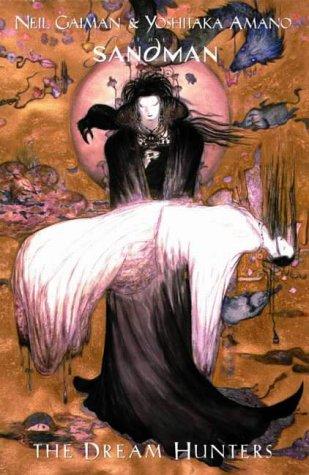
Cover of The Sandman: The Dream Hunters by Neil Gaiman

The Sandman: The Dream Hunters

Neil Gaiman, 1999
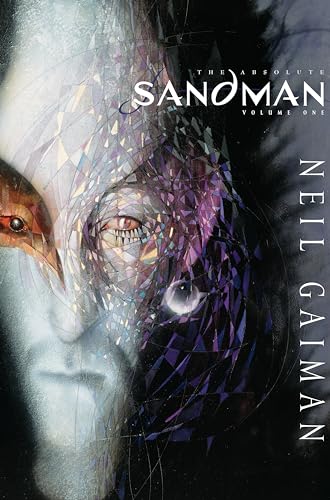
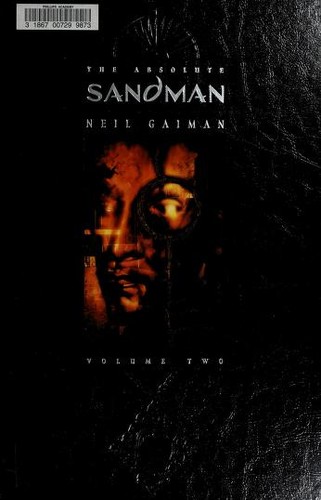
Cover of The Absolute Sandman, Volume One

The Absolute Sandman, Volume One

1990
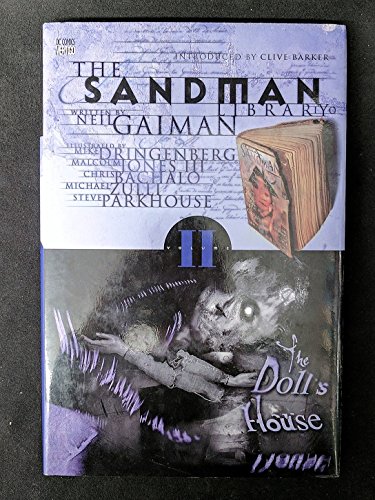
Cover of The Sandman, Vol. 2: The Doll's House by Neil Gaiman

The Sandman, Vol. 2: The Doll's House

Neil Gaiman, 1989
Cover of The Sandman #3: Dream a Little Dream of Me by Neil Gaiman, Dave McKean, Sam Kieth

The Sandman #3: Dream a Little Dream of Me

Neil Gaiman, 1989
Cover of The Sandman: Estación de Nieblas by Neil Gaiman

The Sandman: Estación de Nieblas

Neil Gaiman, 1990
Cover of The Sandman #5: Passengers by Neil Gaiman

The Sandman #5: Passengers

Neil Gaiman, 1989
Cover of The Sandman #6: 24 Hours by Neil Gaiman

The Sandman #6: 24 Hours

Neil Gaiman, 1989
Cover of The Sandman, Vol. 7: Brief Lives by Neil Gaiman

The Sandman, Vol. 7: Brief Lives

Neil Gaiman, 1993
Cover of The Sandman, Vol. 8: Worlds' End by Neil Gaiman

The Sandman, Vol. 8: Worlds' End

Neil Gaiman, 1991
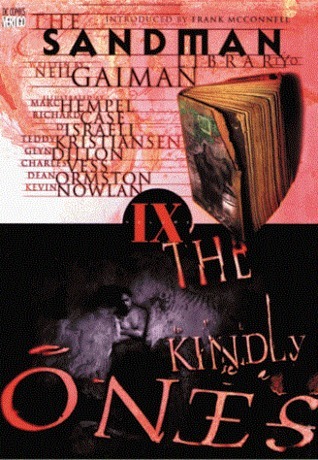
Cover of The Sandman, Vol. 9: The Kindly Ones by Neil Gaiman, Marc Hempel

The Sandman, Vol. 9: The Kindly Ones

Neil Gaiman, 1995
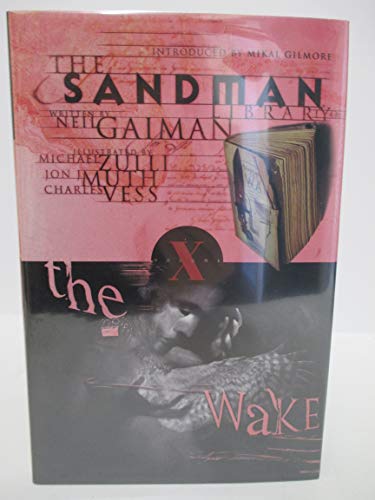
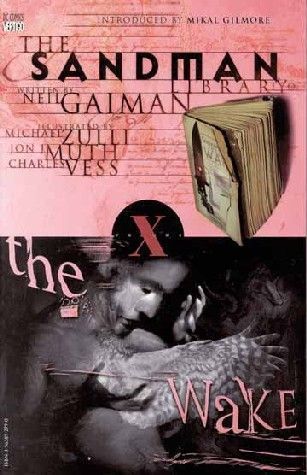
Cover of The Sandman, Vol. 10: The Wake by Neil Gaiman

The Sandman, Vol. 10: The Wake

Neil Gaiman, 1989
Cover of The Sandman #11: Moving In by Neil Gaiman

The Sandman #11: Moving In

Neil Gaiman, 1989
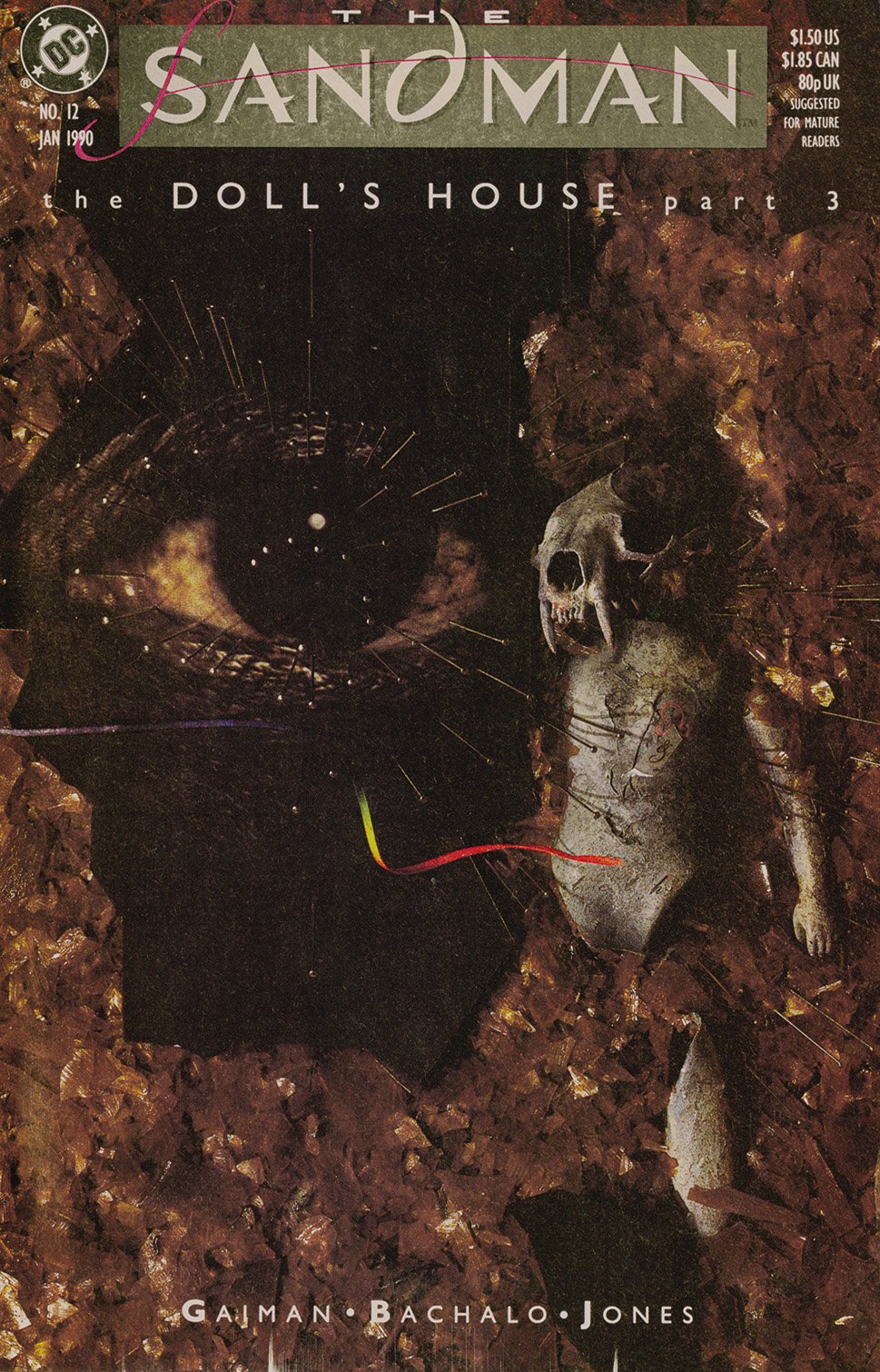
Cover of The Sandman #12: Playing House by Neil Gaiman

The Sandman #12: Playing House

Neil Gaiman, 1989
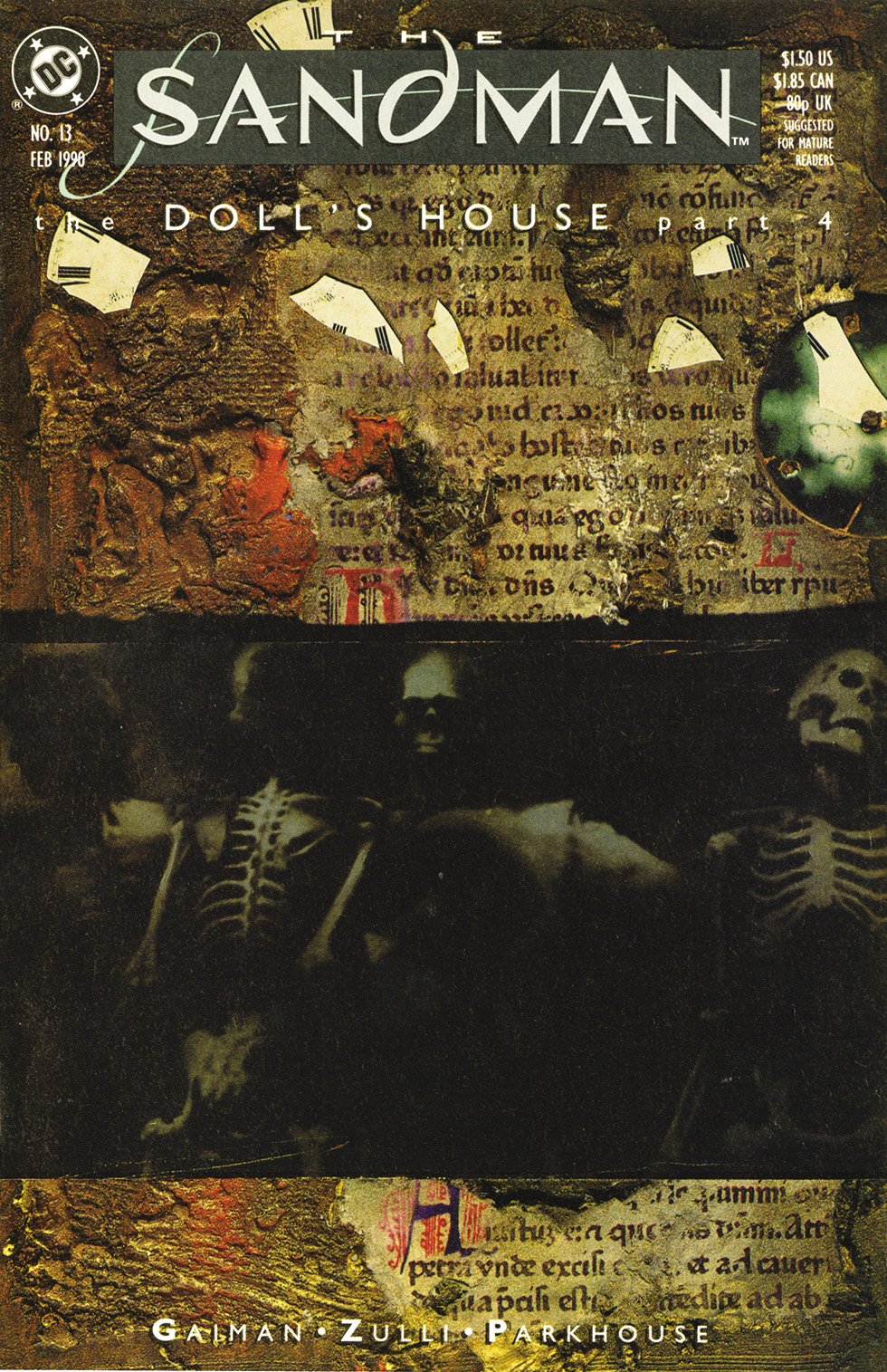
Cover of The Sandman #13: Men of Good Fortune by Neil Gaiman

The Sandman #13: Men of Good Fortune

Neil Gaiman, 1990
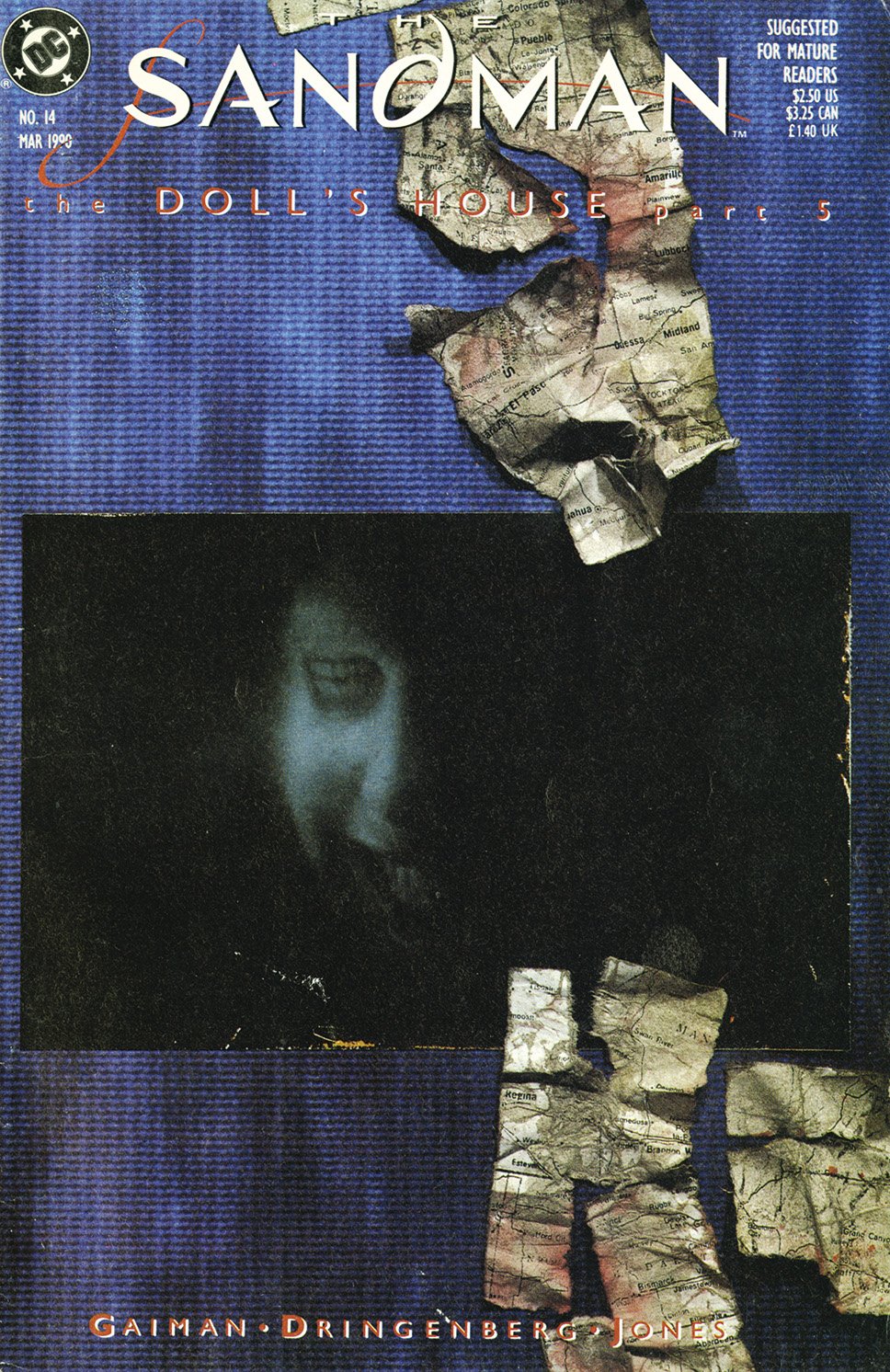
Cover of The Sandman #14: Collectors by Neil Gaiman

The Sandman #14: Collectors

Neil Gaiman, 1990
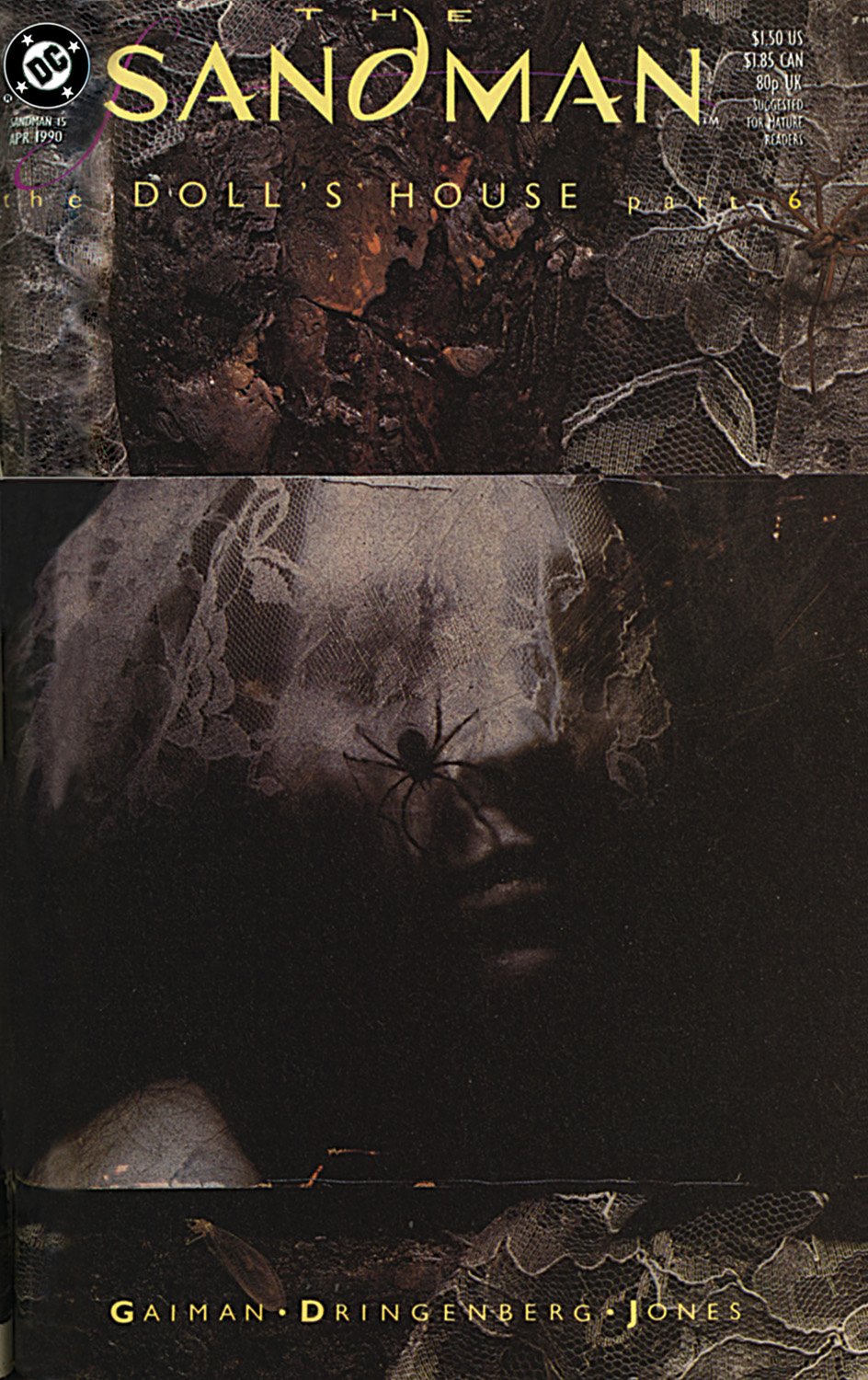
Cover of The Sandman #15: Into the Night by Neil Gaiman

The Sandman #15: Into the Night

Neil Gaiman, 2010
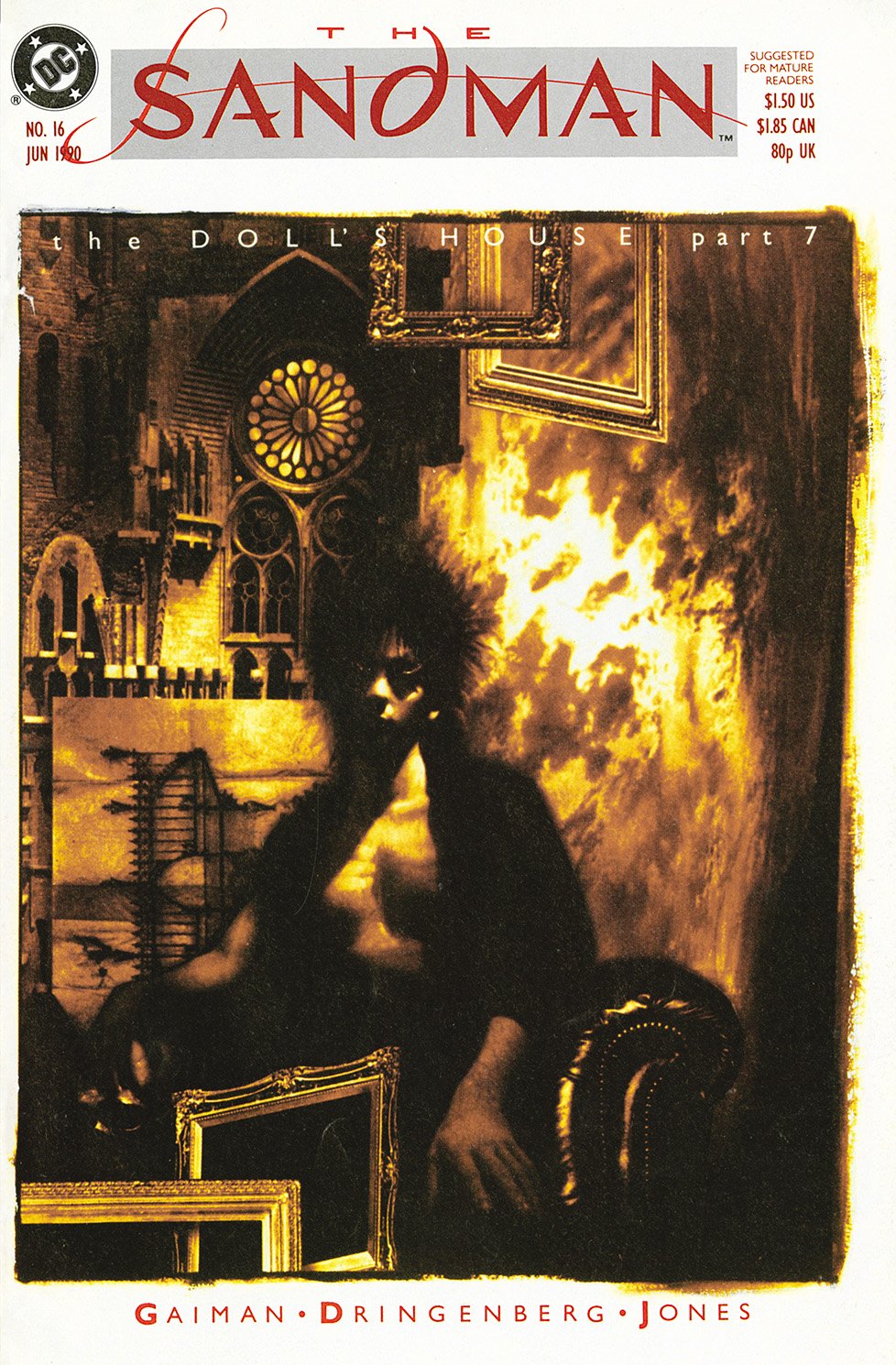
Cover of The Sandman #16: Lost Hearts by Neil Gaiman

The Sandman #16: Lost Hearts

Neil Gaiman, 1990
Cover of The Sandman #17: Calliope by Neil Gaiman

The Sandman #17: Calliope

Neil Gaiman, 1990
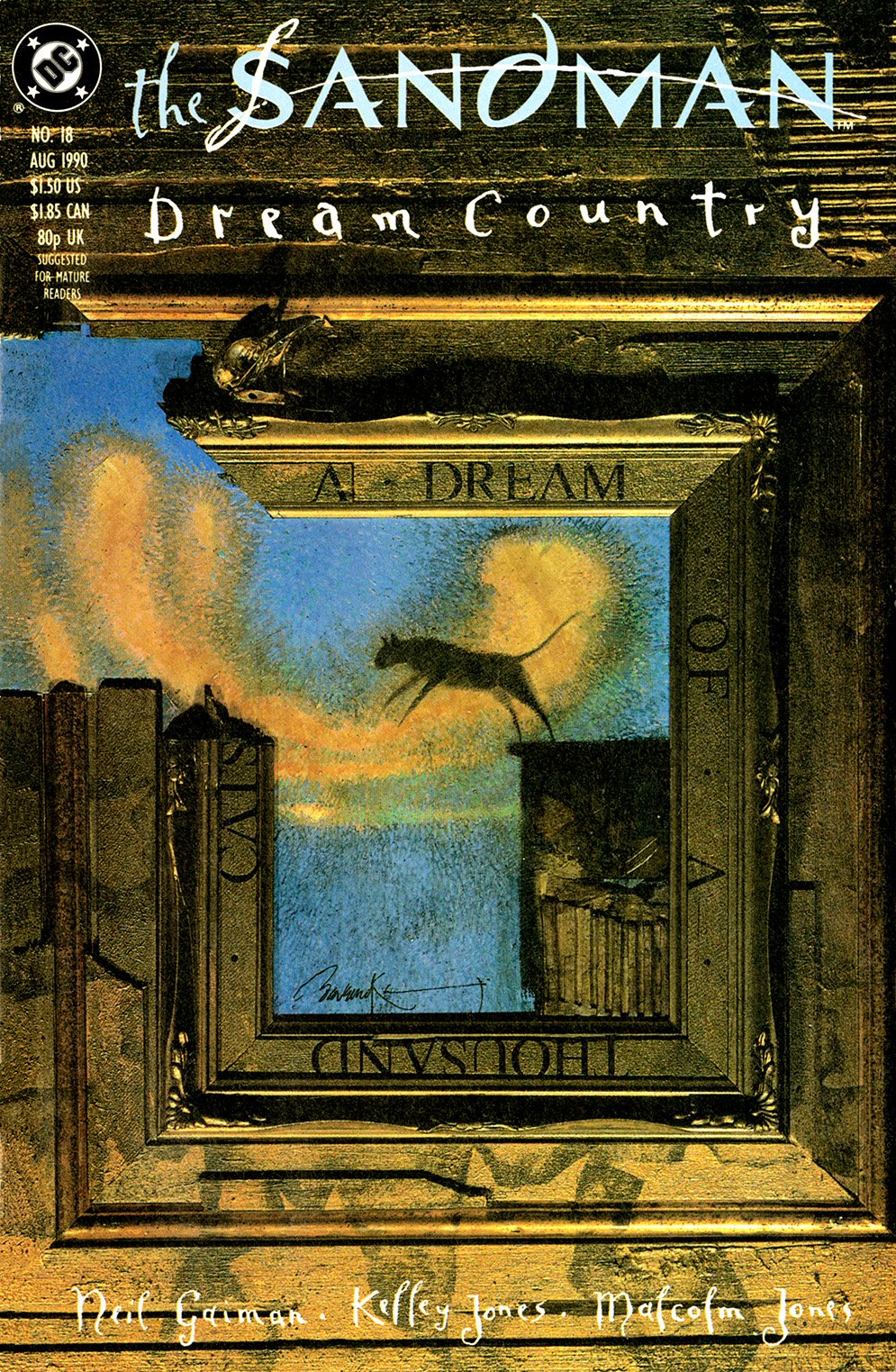
Cover of The Sandman #18: A Dream of a Thousand Cats by Neil Gaiman

The Sandman #18: A Dream of a Thousand Cats

Neil Gaiman, 1990
Cover of The Sandman #19: A Midsummer Night's Dream by Neil Gaiman

The Sandman #19: A Midsummer Night's Dream

Neil Gaiman, 1990

§Other Editions

Cover of The Sandman #17: Calliope

The Sandman #17: Calliope

engKindle
Vertigo1990B00CRUC5ZO
Amazon
§Genres
adventure1comics1fantasy1

Metadata

ASINB00CRUC5ZO

Editions and availability

Find The Sandman #17: Calliope Neil Gaiman in PDF, EPUB, ebook, audiobook, print, or library editions.

View on Amazon
Bookshop.orgGoogle Play BooksOpen Library