by Neil Gaiman, Dave McKean, Mike Dringenberg, Malcolm Jones

by Neil Gaiman, Dave McKean, Mike Dringenberg, Malcolm Jones
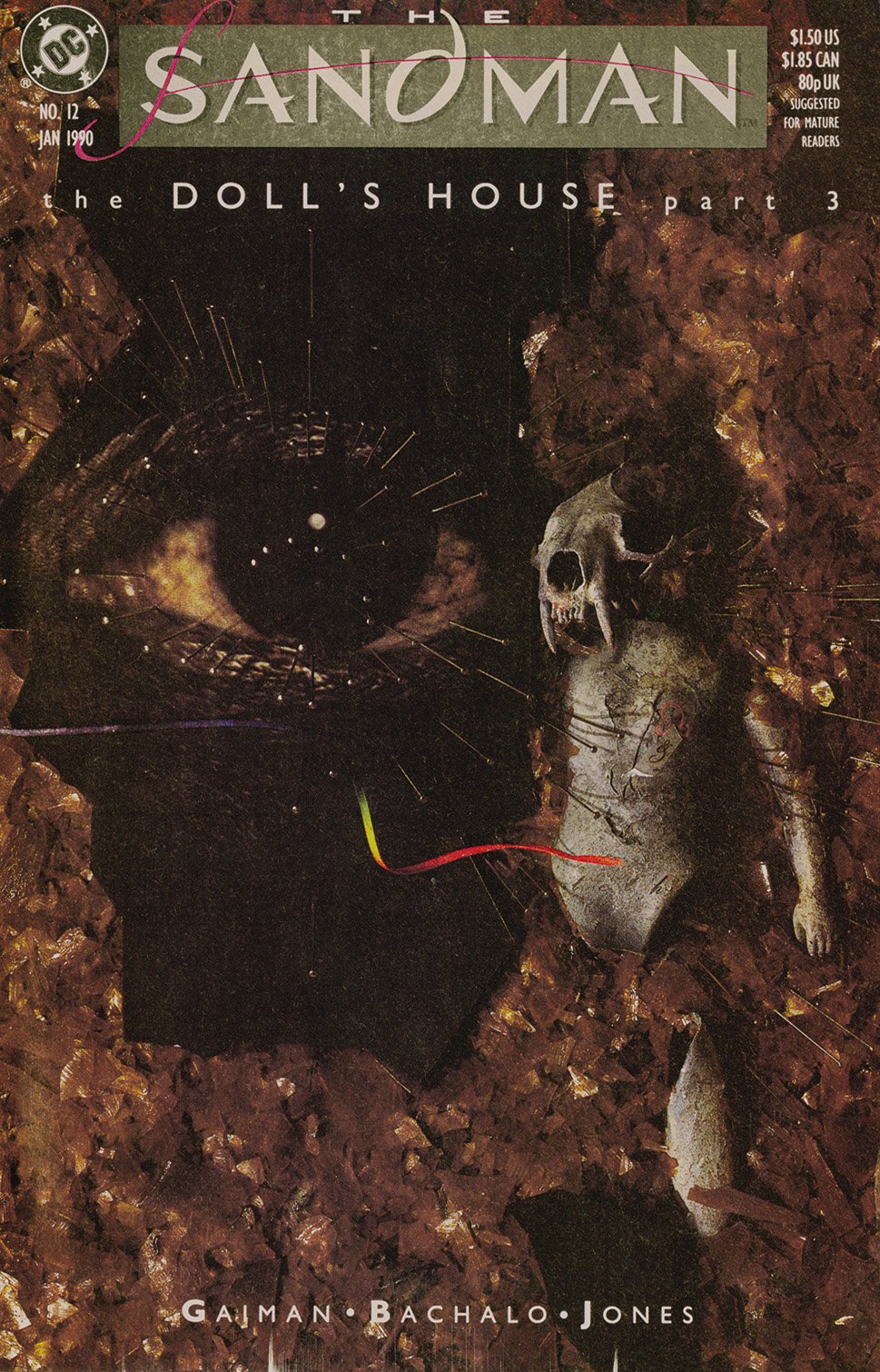
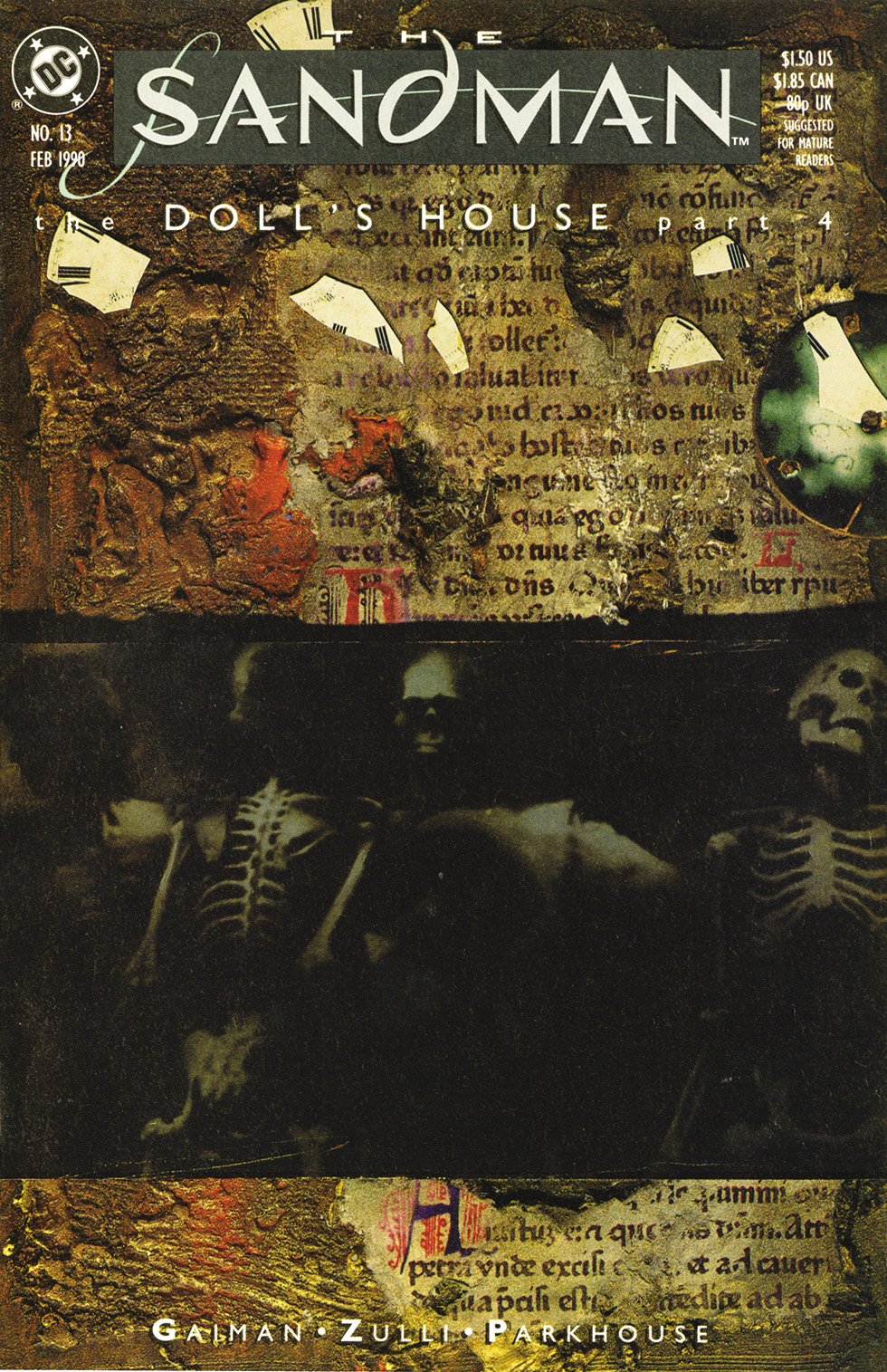
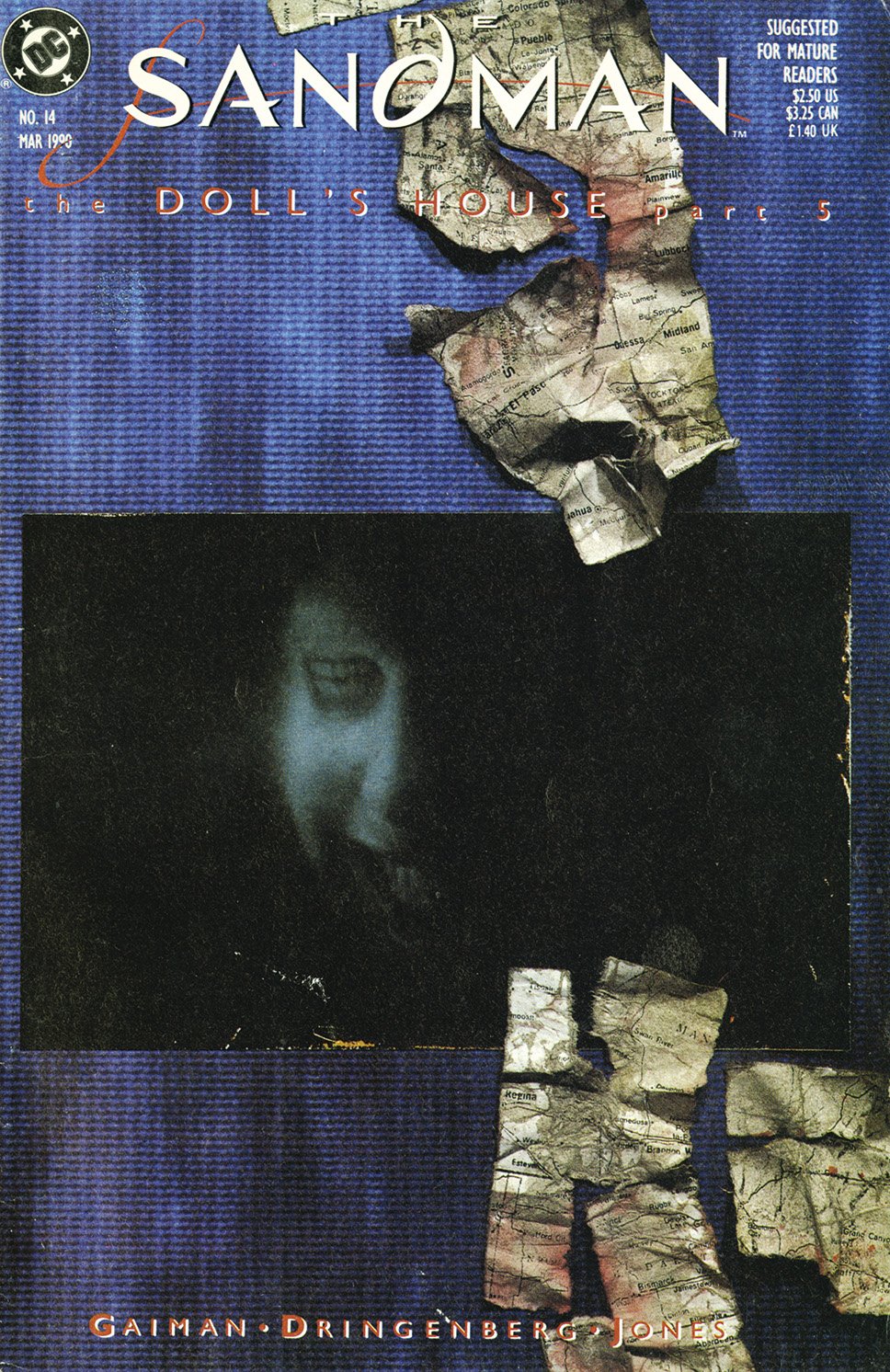
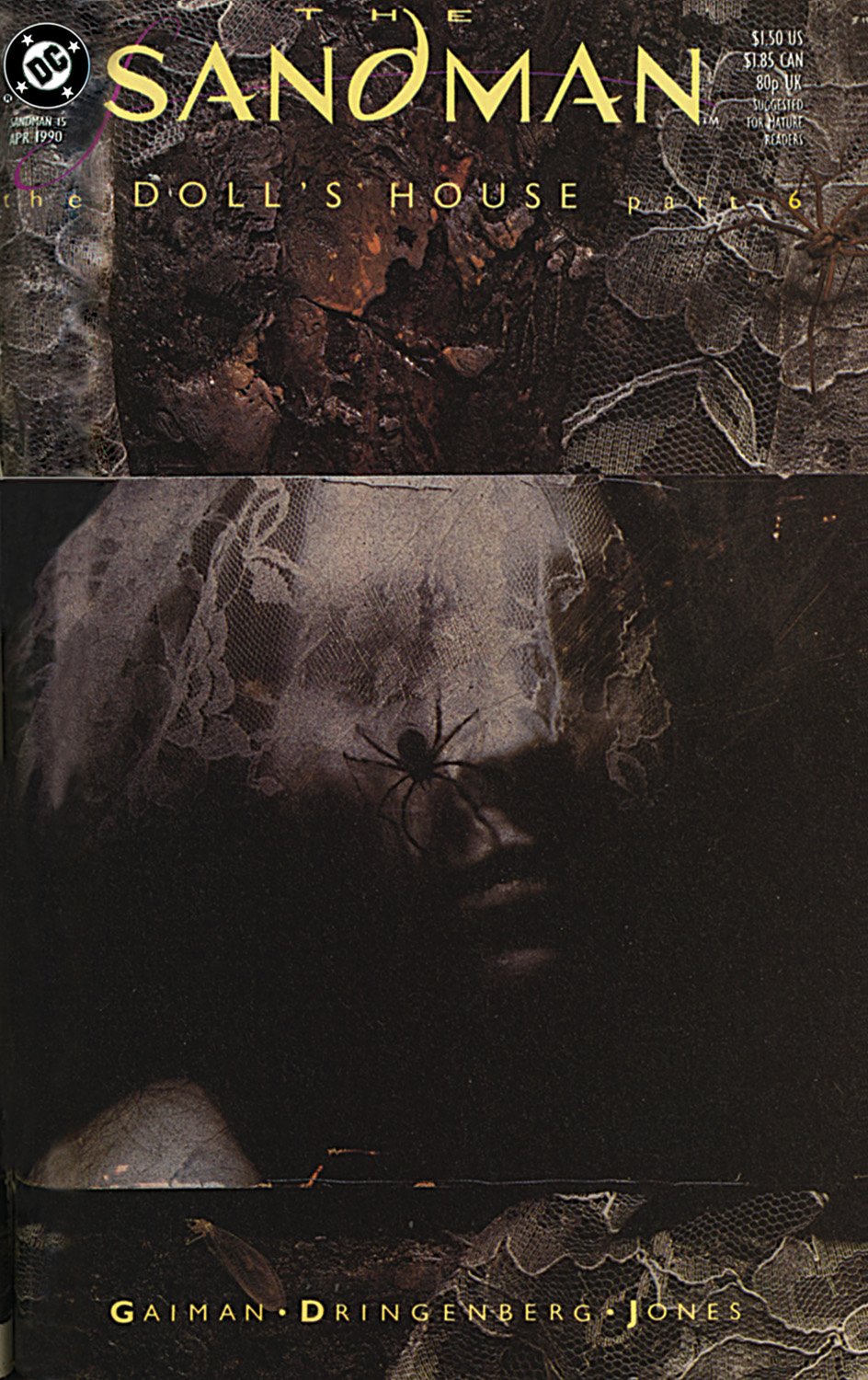
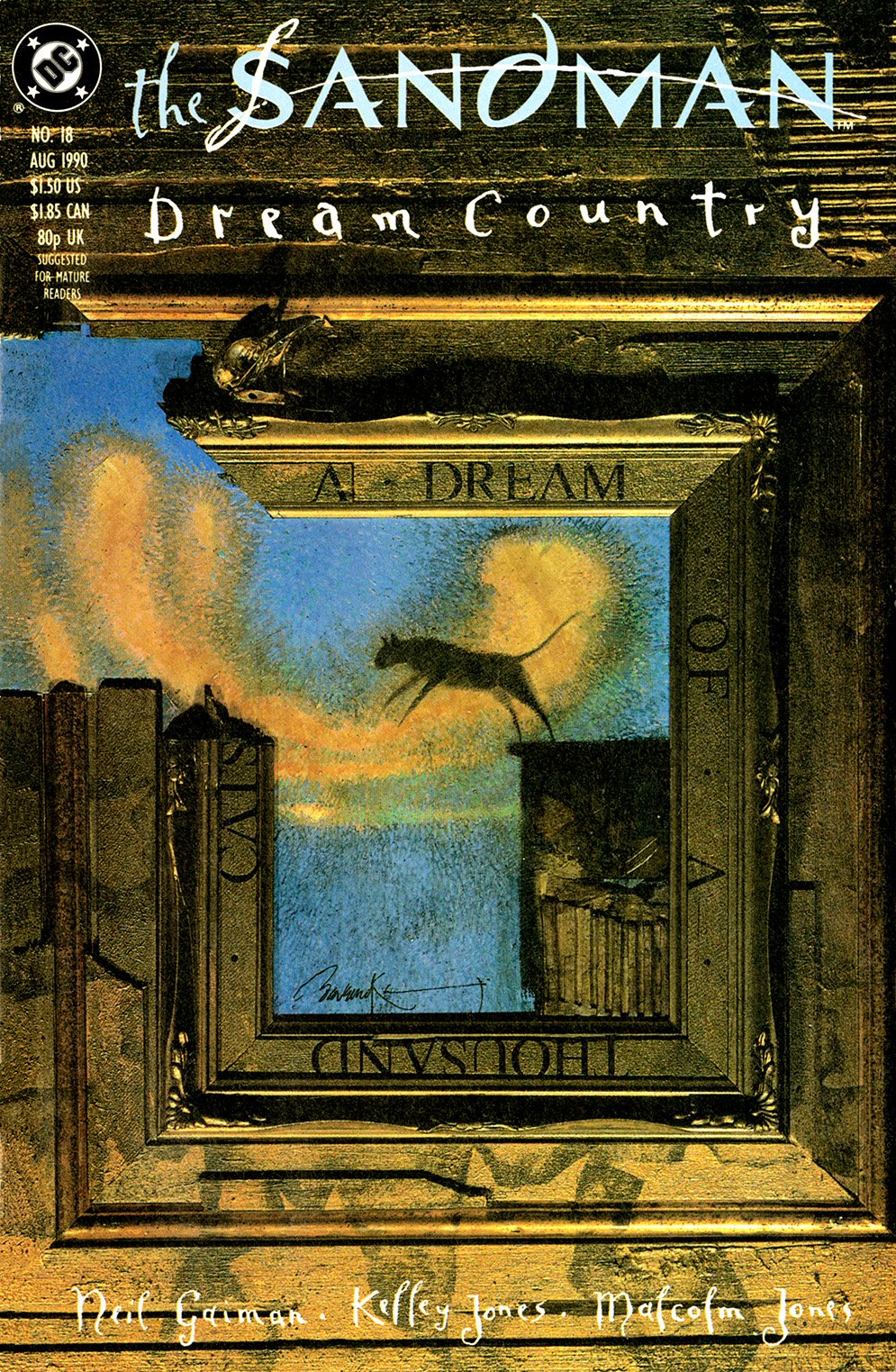
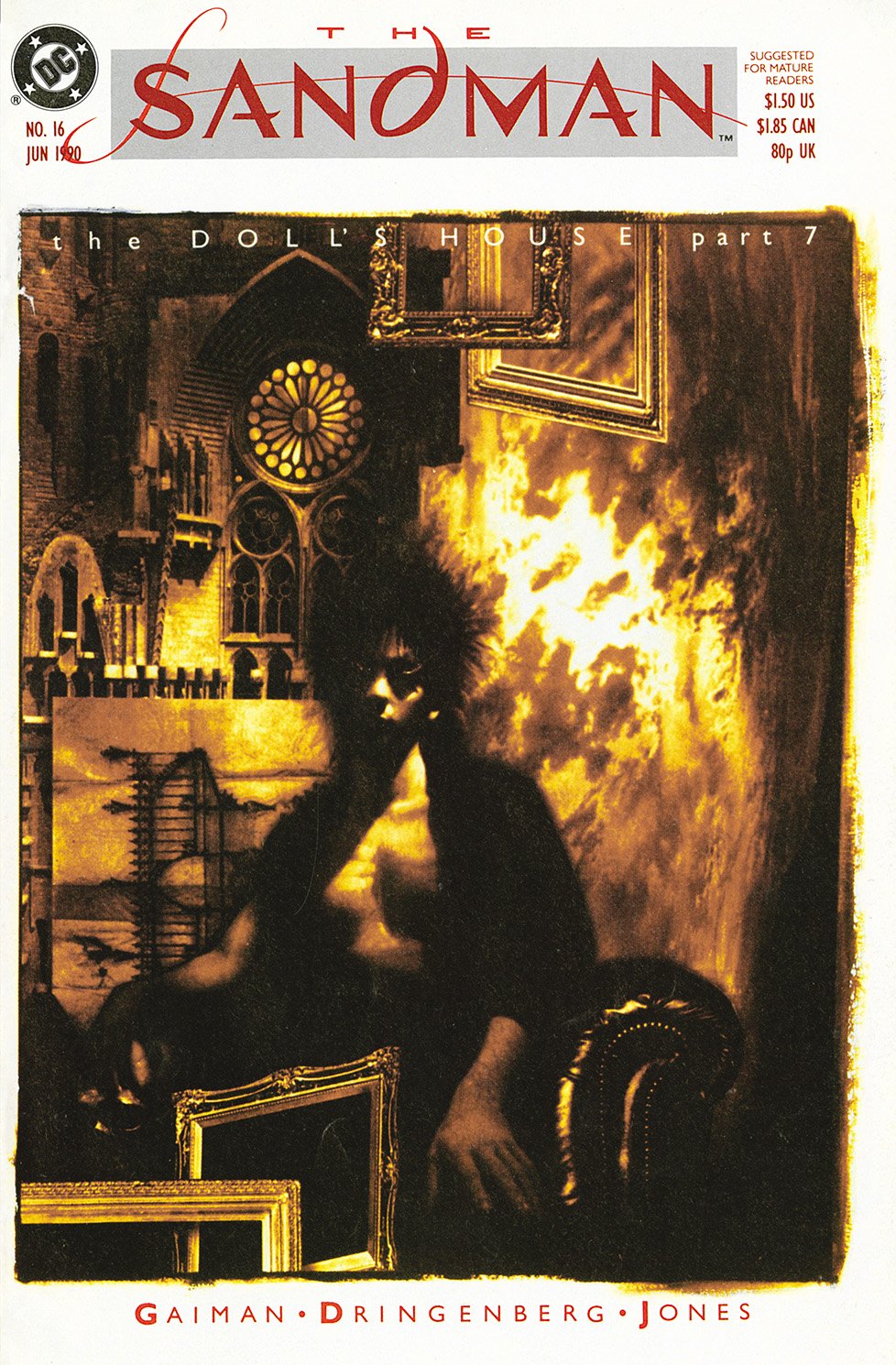
The convergence of the dreaming and waking worlds reaches a critical juncture as Rose Walker discovers the terrifying reality of her existence. As a Dream Vortex, Rose possesses the subconscious power to collapse the barriers between every sentient being's mind, potentially merging all individual dreams into a single, chaotic maelstrom. This metaphysical anomaly threatens the very stability of reality, forcing the somber ruler of the Dreaming, Morpheus, to confront the heavy burden of his office against a mortal who has done nothing wrong but exist.
While Rose seeks only to reunite her fractured family and find a semblance of peace after a harrowing journey, her very presence acts as a gravity well for the stories and souls of those around her. The narrative explores the cold necessity of cosmic laws versus the personal weight of human connection. Morpheus, still recovering from decades of imprisonment and the loss of his tools, finds himself caught between the rigid traditions of the Endless and a shifting perspective on the value of individual lives—a conflict that will determine whether the world wakes to a new dawn or dissolves into a collective nightmare.
The world-building in this chapter of the saga focuses on the structural integrity of the Dreaming—a realm that is not merely a place of sleep, but the foundation of all consciousness. Gaiman establishes the concept of the Dream Vortex as a natural, albeit destructive, biological glitch in the universe. The rules are absolute: a Vortex appears once an age, and if left unchecked, it will eventually wear away the walls between individual dreamers until their minds bleed into one another, leading to mass insanity and the eventual collapse of the Dreaming itself. The atmosphere is one of encroaching dread, where the beauty of the dreamscape is haunted by the clinical necessity of a "cull" to save the whole of existence.
The character development centers on the internal conflict of a protagonist who has spent eons defining himself by duty. Morpheus is no longer the same entity he was before his capture; his interactions with Rose reveal a hairline fracture in his formerly stoic, often cruel, exterior. Meanwhile, Rose Walker undergoes a rapid maturation. She moves from being a passive victim of circumstance to an active participant in a cosmic trial, forced to reconcile her desire for a normal life with the terrifying scale of her own soul. Their relationship is not one of hero and villain, but of two figures trapped by the roles the universe has assigned them.
Gaiman utilizes and subverts the "Chosen One" trope by stripping away its traditional glory. In most fantasy narratives, being a central figure of prophecy or power is a gift; here, being the Dream Vortex is presented as a tragic biological catastrophe. It is a "destiny" that functions more like a terminal illness than a superpower. The story further explores the "Cosmic Horror" trope, where the stakes are so high that individual human lives become rounding errors in the calculations of the gods. This creates a moral dilemma that emphasizes the tragedy of the "Great Man" theory—where the survival of the many requires the sacrifice of the innocent few.
The convergence of the dreaming and waking worlds reaches a critical juncture as Rose Walker discovers the terrifying reality of her existence. As a Dream Vortex, Rose possesses the subconscious power to collapse the barriers between every sentient being's mind, potentially merging all individual dreams into a single, chaotic maelstrom. This metaphysical anomaly threatens the very stability of reality, forcing the somber ruler of the Dreaming, Morpheus, to confront the heavy burden of his office against a mortal who has done nothing wrong but exist.
While Rose seeks only to reunite her fractured family and find a semblance of peace after a harrowing journey, her very presence acts as a gravity well for the stories and souls of those around her. The narrative explores the cold necessity of cosmic laws versus the personal weight of human connection. Morpheus, still recovering from decades of imprisonment and the loss of his tools, finds himself caught between the rigid traditions of the Endless and a shifting perspective on the value of individual lives—a conflict that will determine whether the world wakes to a new dawn or dissolves into a collective nightmare.
The world-building in this chapter of the saga focuses on the structural integrity of the Dreaming—a realm that is not merely a place of sleep, but the foundation of all consciousness. Gaiman establishes the concept of the Dream Vortex as a natural, albeit destructive, biological glitch in the universe. The rules are absolute: a Vortex appears once an age, and if left unchecked, it will eventually wear away the walls between individual dreamers until their minds bleed into one another, leading to mass insanity and the eventual collapse of the Dreaming itself. The atmosphere is one of encroaching dread, where the beauty of the dreamscape is haunted by the clinical necessity of a "cull" to save the whole of existence.
The character development centers on the internal conflict of a protagonist who has spent eons defining himself by duty. Morpheus is no longer the same entity he was before his capture; his interactions with Rose reveal a hairline fracture in his formerly stoic, often cruel, exterior. Meanwhile, Rose Walker undergoes a rapid maturation. She moves from being a passive victim of circumstance to an active participant in a cosmic trial, forced to reconcile her desire for a normal life with the terrifying scale of her own soul. Their relationship is not one of hero and villain, but of two figures trapped by the roles the universe has assigned them.
Gaiman utilizes and subverts the "Chosen One" trope by stripping away its traditional glory. In most fantasy narratives, being a central figure of prophecy or power is a gift; here, being the Dream Vortex is presented as a tragic biological catastrophe. It is a "destiny" that functions more like a terminal illness than a superpower. The story further explores the "Cosmic Horror" trope, where the stakes are so high that individual human lives become rounding errors in the calculations of the gods. This creates a moral dilemma that emphasizes the tragedy of the "Great Man" theory—where the survival of the many requires the sacrifice of the innocent few.
Add to your library to track progress and write reviews
Find The Sandman #16: Lost Hearts Neil Gaiman in PDF, EPUB, ebook, audiobook, print, or library editions.

44 books in catalog
Groundbreaking dark fantasy comic books and dark, whimsical prose fiction have reshaped speculative literature, most famously through the comic book series The Sandman. English author Neil Gaiman, born Neil Richard Gaiman on 10 November 1960, created this influential series before publishing widely acclaimed fantasy novels including Stardust, American Gods, Coraline, and The Graveyard Book.
Born Neil Richard Gaiman in Portchester, Hampshire, UK, he spent much of his childhood reading in public libraries, where he discovered the works of C.S. Lewis, J.R.R. Tolkien, Edgar Allan Poe, Ursula K. LeGuin, and G.K. Chesterton. He began his professional career in journalism before transitioning into comic book writing in the late 1980s, gaining prominence with Black Orchid in 1988 and launching The Sandman series for DC Comics' Vertigo imprint in 1989. Over the subsequent decades, he expanded into writing novels, short fiction, audio theatre, screenplays, and films, eventually taking up residence in the United States near Minneapolis.
His fiction has earned widespread critical recognition, receiving Hugo, Nebula, and Bram Stoker awards. In 2008, he published The Graveyard Book, becoming the first author to win both the American Newbery Medal and the British Carnegie Medal for the same work. In 2013, his novel The Ocean at the End of the Lane was voted Book of the Year in the British National Book Awards. His extensive bibliography and media adaptations continued to draw major critical attention through 2017 and beyond.
Gaiman's literary work is noted for combining imaginative fantasy with a darkly humorous tone, fusing modern settings with classical mythology, folklore, and fairy tale motifs. His stories frequently explore themes of memory, childhood innocence, ancient gods navigating contemporary society, and the fundamental power of stories. Across all age categories, his narratives balance gothic atmosphere with warm human empathy and sharp observational wit.

44 books in catalog
Groundbreaking dark fantasy comic books and dark, whimsical prose fiction have reshaped speculative literature, most famously through the comic book series The Sandman. English author Neil Gaiman, born Neil Richard Gaiman on 10 November 1960, created this influential series before publishing widely acclaimed fantasy novels including Stardust, American Gods, Coraline, and The Graveyard Book.
Born Neil Richard Gaiman in Portchester, Hampshire, UK, he spent much of his childhood reading in public libraries, where he discovered the works of C.S. Lewis, J.R.R. Tolkien, Edgar Allan Poe, Ursula K. LeGuin, and G.K. Chesterton. He began his professional career in journalism before transitioning into comic book writing in the late 1980s, gaining prominence with Black Orchid in 1988 and launching The Sandman series for DC Comics' Vertigo imprint in 1989. Over the subsequent decades, he expanded into writing novels, short fiction, audio theatre, screenplays, and films, eventually taking up residence in the United States near Minneapolis.
His fiction has earned widespread critical recognition, receiving Hugo, Nebula, and Bram Stoker awards. In 2008, he published The Graveyard Book, becoming the first author to win both the American Newbery Medal and the British Carnegie Medal for the same work. In 2013, his novel The Ocean at the End of the Lane was voted Book of the Year in the British National Book Awards. His extensive bibliography and media adaptations continued to draw major critical attention through 2017 and beyond.
Gaiman's literary work is noted for combining imaginative fantasy with a darkly humorous tone, fusing modern settings with classical mythology, folklore, and fairy tale motifs. His stories frequently explore themes of memory, childhood innocence, ancient gods navigating contemporary society, and the fundamental power of stories. Across all age categories, his narratives balance gothic atmosphere with warm human empathy and sharp observational wit.
The Sandman
The Sandman