by Neil Gaiman, Dave McKean, Mike Dringenberg, Malcolm Jones

by Neil Gaiman, Dave McKean, Mike Dringenberg, Malcolm Jones
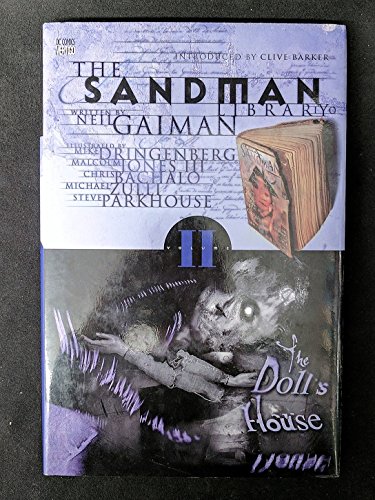
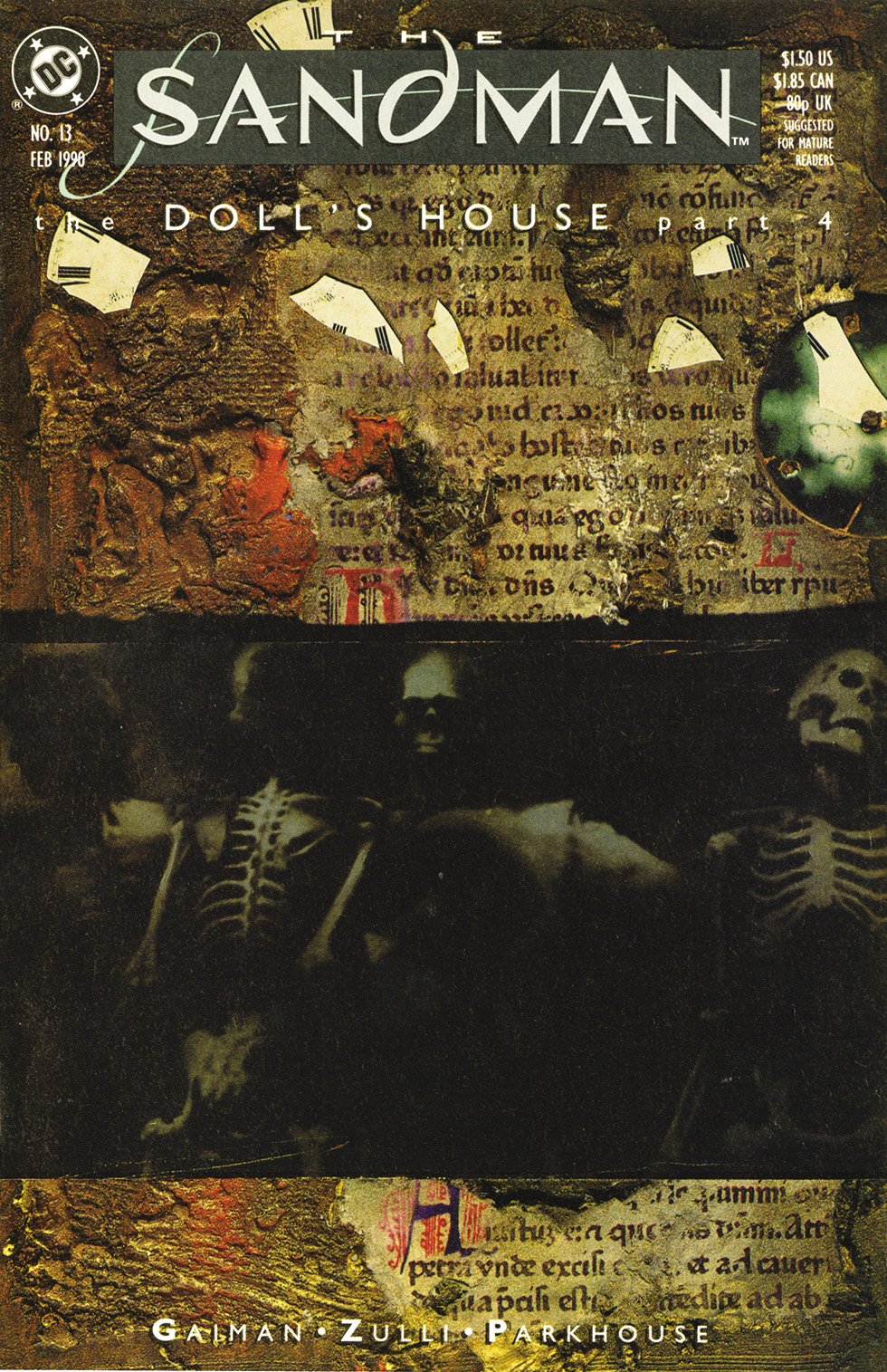
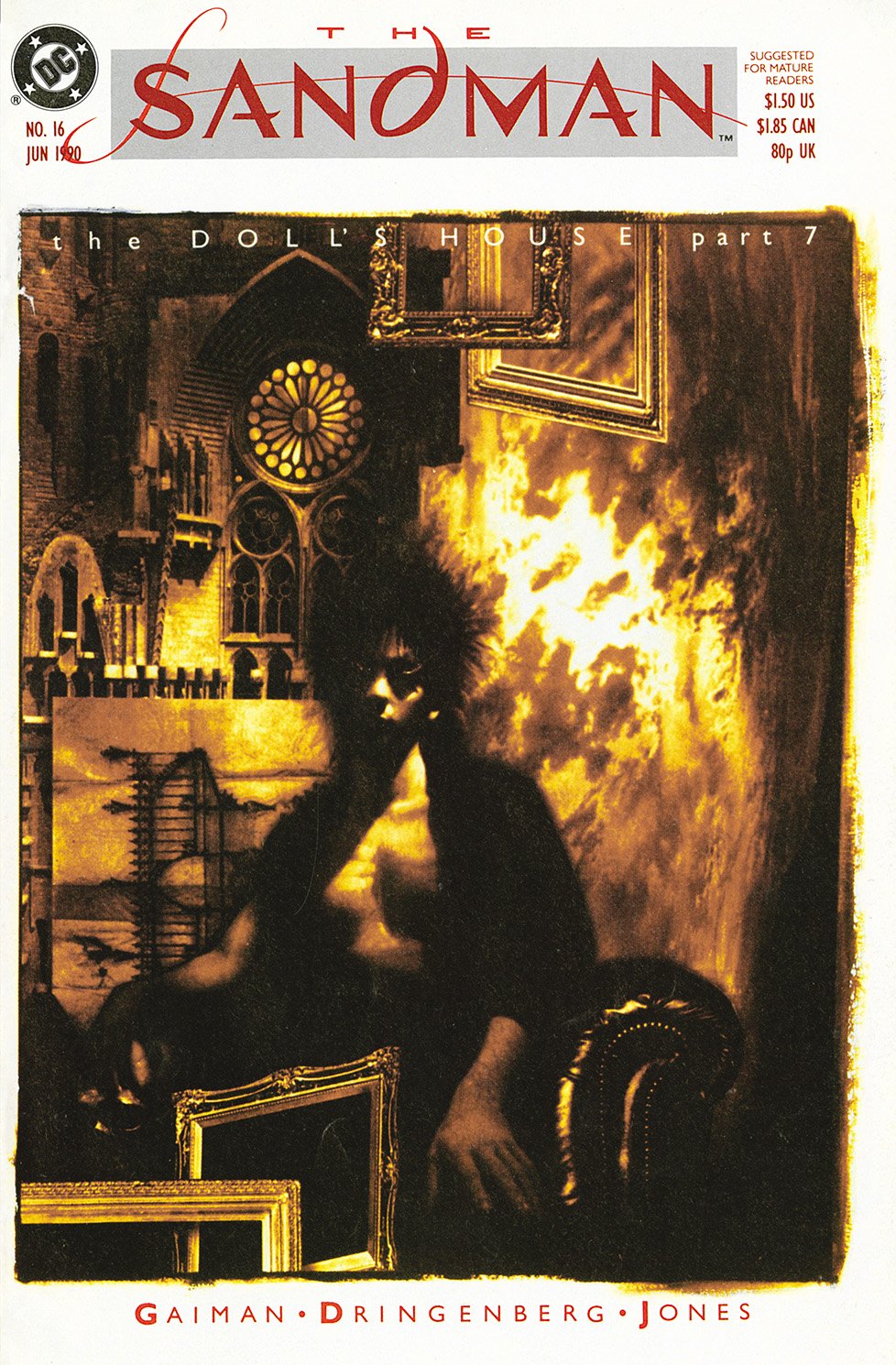
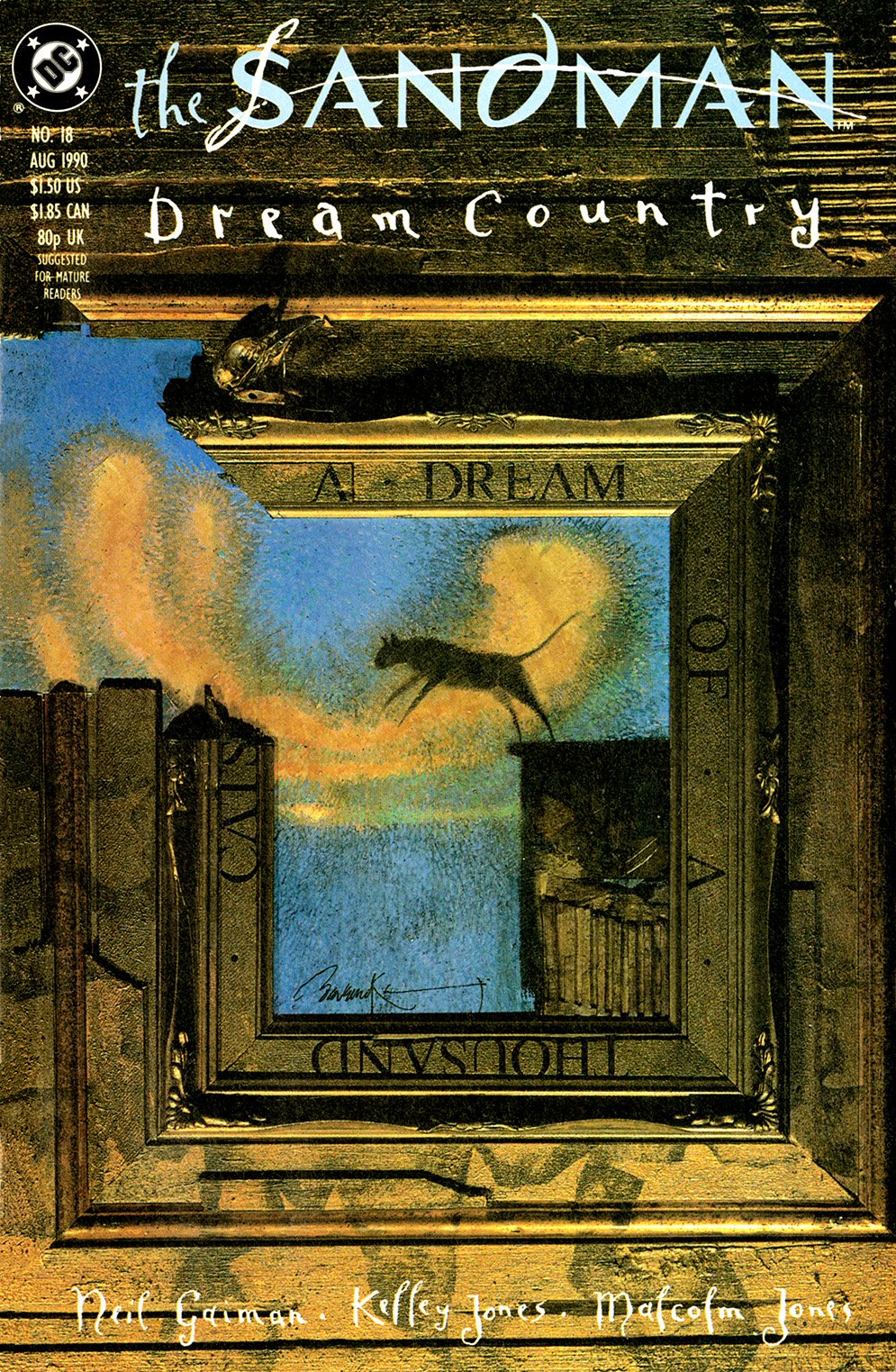
Rose Walker’s journey to find her missing brother leads her to a peculiar boarding house in Florida, but the true mystery lies not in the physical building, but in the minds of those sleeping within its walls. As a "Dream Vortex," Rose possesses a rare and unintentional power to break down the barriers between individual dreams, causing the private subconscious landscapes of her fellow tenants to bleed into one another. While she attempts to navigate her mundane reality, she remains unaware that her very existence acts as a beacon for the King of Dreams, who views her not as a guest, but as a fundamental threat to the stability of his realm.
The narrative shifts focus from the grand, cosmic scale of the Endless to the intimate, often bizarre inner lives of ordinary people. By peering into the dreams of characters like the inseparable Chantal and Zelda or the seemingly conventional Ken and Barbie, the story examines how the internal world of a dreamer often contradicts their external persona. This issue serves as a critical junction where the personal quest of a mortal woman intersects with the rigid laws of the Dreaming, forcing a confrontation between human desire and metaphysical necessity.
The setting operates on the principle that dreams are sovereign territories usually separated by insurmountable walls. In this installment, the "Dream Vortex" is introduced as a biological anomaly that acts as a gravity well, pulling these separate realities toward a single point. The atmosphere is one of creeping surrealism, where the mundane Florida heat of the waking world is contrasted with the shifting, symbolic logic of the dreamscapes. The rules are clear: a Vortex can collapse the Dreaming into a single, chaotic nightmare, and the ruler of that realm is bound by ancient law to prevent such a catastrophe at any cost.
Rose Walker begins the story as a proactive protagonist defined by her search for her brother, Jed. However, her development is quickly complicated by her shifting relationship with reality; she moves from being an observer of her own life to a catalyst for cosmic events beyond her control. Her dynamic with Gilbert provides the emotional anchor of the story, as he acts as a mentor figure who seems to understand the gravity of her situation better than she does. Simultaneously, Morpheus undergoes a subtle shift, moving from a distant deity to a cautious investigator who must decide if Rose is a person or merely a problem to be solved.
The story utilizes the "Chosen One" trope but strips it of its usual heroic luster. Instead of Rose being "chosen" for a grand purpose, she is a biological fluke whose "specialness" is a source of danger rather than salvation. The narrative also plays with the "Secret World" trope; while most urban fantasies involve a protagonist discovering a hidden magic system, Rose remains largely oblivious to the mechanics of the Dreaming even as she begins to dismantle them. Gaiman further subverts the "Microcosm" trope by using a diverse group of tenants to show that humanity’s shared commonality isn't found in their waking interactions, but in the chaotic, shared vulnerability of their sleep.
Rose Walker’s journey to find her missing brother leads her to a peculiar boarding house in Florida, but the true mystery lies not in the physical building, but in the minds of those sleeping within its walls. As a "Dream Vortex," Rose possesses a rare and unintentional power to break down the barriers between individual dreams, causing the private subconscious landscapes of her fellow tenants to bleed into one another. While she attempts to navigate her mundane reality, she remains unaware that her very existence acts as a beacon for the King of Dreams, who views her not as a guest, but as a fundamental threat to the stability of his realm.
The narrative shifts focus from the grand, cosmic scale of the Endless to the intimate, often bizarre inner lives of ordinary people. By peering into the dreams of characters like the inseparable Chantal and Zelda or the seemingly conventional Ken and Barbie, the story examines how the internal world of a dreamer often contradicts their external persona. This issue serves as a critical junction where the personal quest of a mortal woman intersects with the rigid laws of the Dreaming, forcing a confrontation between human desire and metaphysical necessity.
The setting operates on the principle that dreams are sovereign territories usually separated by insurmountable walls. In this installment, the "Dream Vortex" is introduced as a biological anomaly that acts as a gravity well, pulling these separate realities toward a single point. The atmosphere is one of creeping surrealism, where the mundane Florida heat of the waking world is contrasted with the shifting, symbolic logic of the dreamscapes. The rules are clear: a Vortex can collapse the Dreaming into a single, chaotic nightmare, and the ruler of that realm is bound by ancient law to prevent such a catastrophe at any cost.
Rose Walker begins the story as a proactive protagonist defined by her search for her brother, Jed. However, her development is quickly complicated by her shifting relationship with reality; she moves from being an observer of her own life to a catalyst for cosmic events beyond her control. Her dynamic with Gilbert provides the emotional anchor of the story, as he acts as a mentor figure who seems to understand the gravity of her situation better than she does. Simultaneously, Morpheus undergoes a subtle shift, moving from a distant deity to a cautious investigator who must decide if Rose is a person or merely a problem to be solved.
The story utilizes the "Chosen One" trope but strips it of its usual heroic luster. Instead of Rose being "chosen" for a grand purpose, she is a biological fluke whose "specialness" is a source of danger rather than salvation. The narrative also plays with the "Secret World" trope; while most urban fantasies involve a protagonist discovering a hidden magic system, Rose remains largely oblivious to the mechanics of the Dreaming even as she begins to dismantle them. Gaiman further subverts the "Microcosm" trope by using a diverse group of tenants to show that humanity’s shared commonality isn't found in their waking interactions, but in the chaotic, shared vulnerability of their sleep.
Add to your library to track progress and write reviews
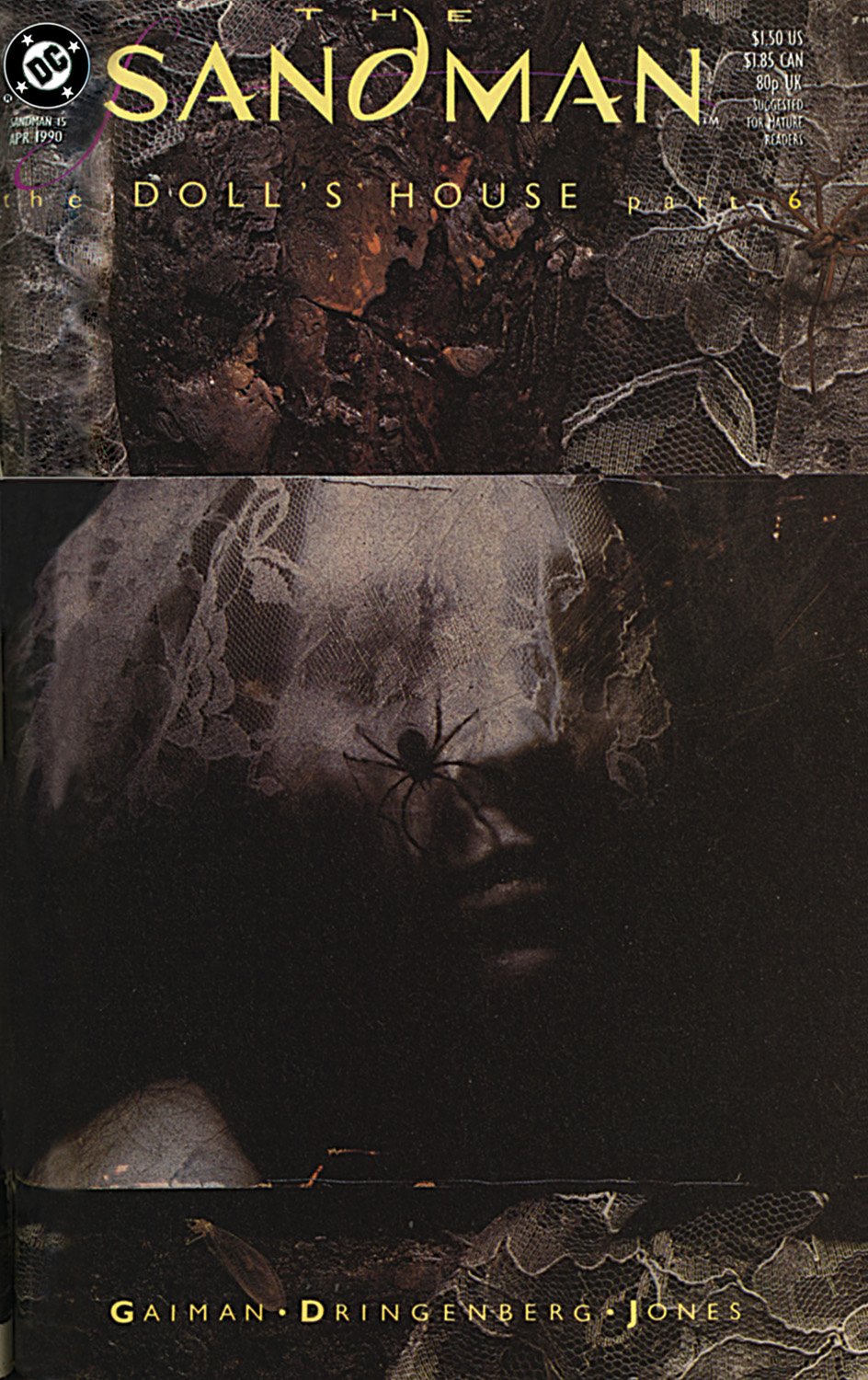
Find The Sandman #15: Into the Night Neil Gaiman in PDF, EPUB, ebook, audiobook, print, or library editions.
The Sandman
The Sandman

44 books in catalog
Groundbreaking dark fantasy comic books and dark, whimsical prose fiction have reshaped speculative literature, most famously through the comic book series The Sandman. English author Neil Gaiman, born Neil Richard Gaiman on 10 November 1960, created this influential series before publishing widely acclaimed fantasy novels including Stardust, American Gods, Coraline, and The Graveyard Book.
Born Neil Richard Gaiman in Portchester, Hampshire, UK, he spent much of his childhood reading in public libraries, where he discovered the works of C.S. Lewis, J.R.R. Tolkien, Edgar Allan Poe, Ursula K. LeGuin, and G.K. Chesterton. He began his professional career in journalism before transitioning into comic book writing in the late 1980s, gaining prominence with Black Orchid in 1988 and launching The Sandman series for DC Comics' Vertigo imprint in 1989. Over the subsequent decades, he expanded into writing novels, short fiction, audio theatre, screenplays, and films, eventually taking up residence in the United States near Minneapolis.
His fiction has earned widespread critical recognition, receiving Hugo, Nebula, and Bram Stoker awards. In 2008, he published The Graveyard Book, becoming the first author to win both the American Newbery Medal and the British Carnegie Medal for the same work. In 2013, his novel The Ocean at the End of the Lane was voted Book of the Year in the British National Book Awards. His extensive bibliography and media adaptations continued to draw major critical attention through 2017 and beyond.
Gaiman's literary work is noted for combining imaginative fantasy with a darkly humorous tone, fusing modern settings with classical mythology, folklore, and fairy tale motifs. His stories frequently explore themes of memory, childhood innocence, ancient gods navigating contemporary society, and the fundamental power of stories. Across all age categories, his narratives balance gothic atmosphere with warm human empathy and sharp observational wit.

44 books in catalog
Groundbreaking dark fantasy comic books and dark, whimsical prose fiction have reshaped speculative literature, most famously through the comic book series The Sandman. English author Neil Gaiman, born Neil Richard Gaiman on 10 November 1960, created this influential series before publishing widely acclaimed fantasy novels including Stardust, American Gods, Coraline, and The Graveyard Book.
Born Neil Richard Gaiman in Portchester, Hampshire, UK, he spent much of his childhood reading in public libraries, where he discovered the works of C.S. Lewis, J.R.R. Tolkien, Edgar Allan Poe, Ursula K. LeGuin, and G.K. Chesterton. He began his professional career in journalism before transitioning into comic book writing in the late 1980s, gaining prominence with Black Orchid in 1988 and launching The Sandman series for DC Comics' Vertigo imprint in 1989. Over the subsequent decades, he expanded into writing novels, short fiction, audio theatre, screenplays, and films, eventually taking up residence in the United States near Minneapolis.
His fiction has earned widespread critical recognition, receiving Hugo, Nebula, and Bram Stoker awards. In 2008, he published The Graveyard Book, becoming the first author to win both the American Newbery Medal and the British Carnegie Medal for the same work. In 2013, his novel The Ocean at the End of the Lane was voted Book of the Year in the British National Book Awards. His extensive bibliography and media adaptations continued to draw major critical attention through 2017 and beyond.
Gaiman's literary work is noted for combining imaginative fantasy with a darkly humorous tone, fusing modern settings with classical mythology, folklore, and fairy tale motifs. His stories frequently explore themes of memory, childhood innocence, ancient gods navigating contemporary society, and the fundamental power of stories. Across all age categories, his narratives balance gothic atmosphere with warm human empathy and sharp observational wit.