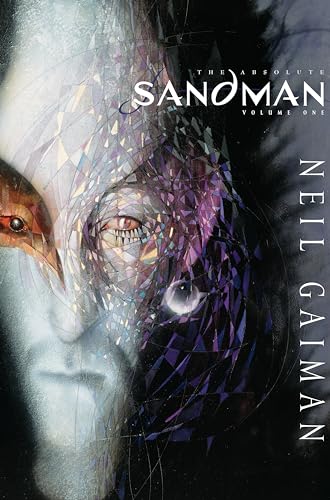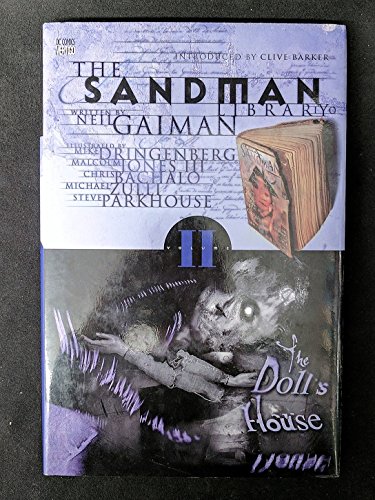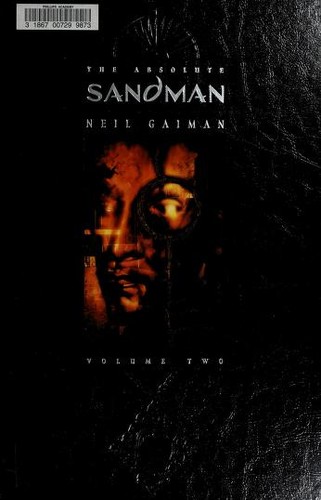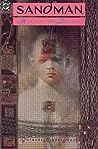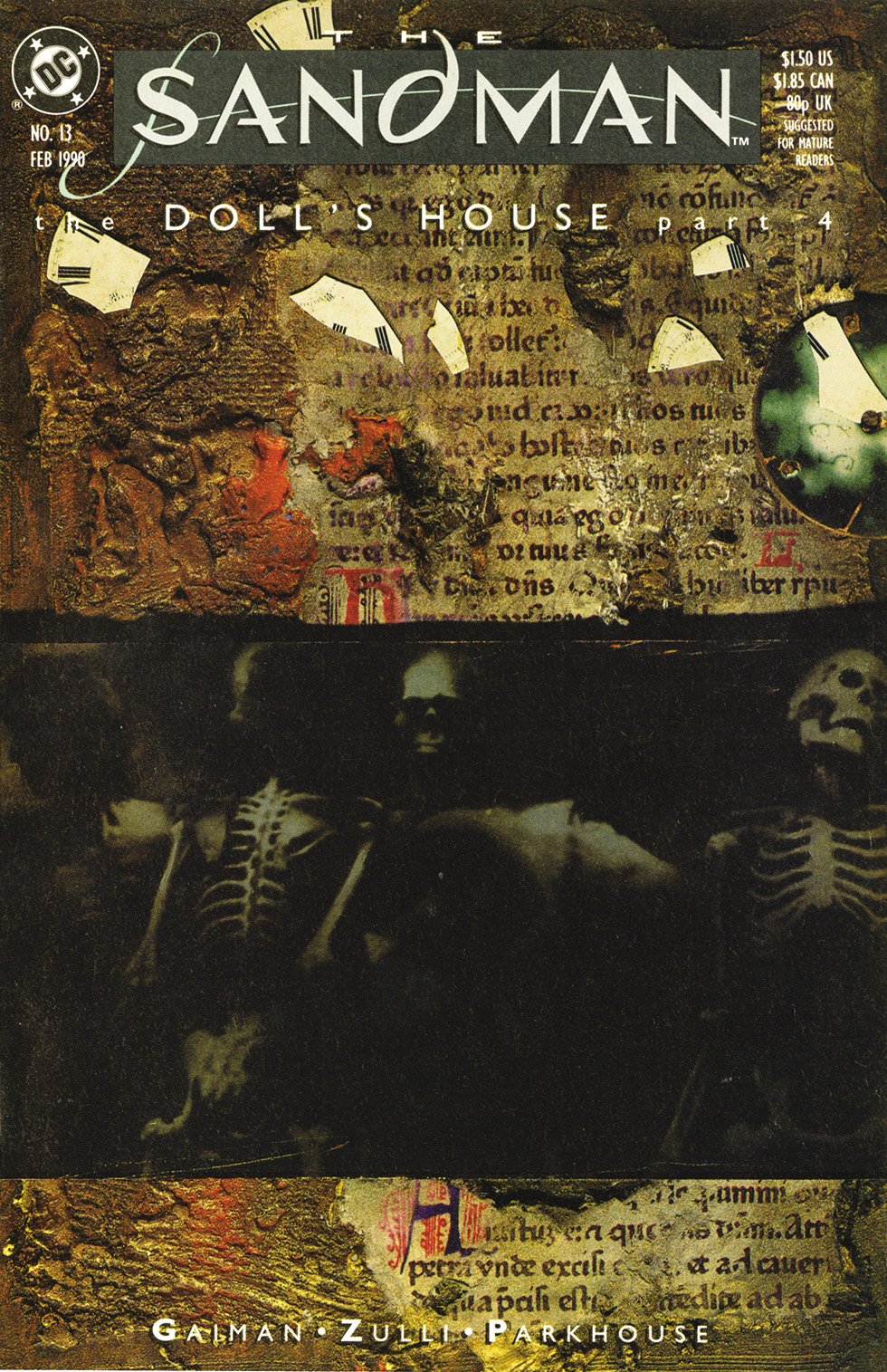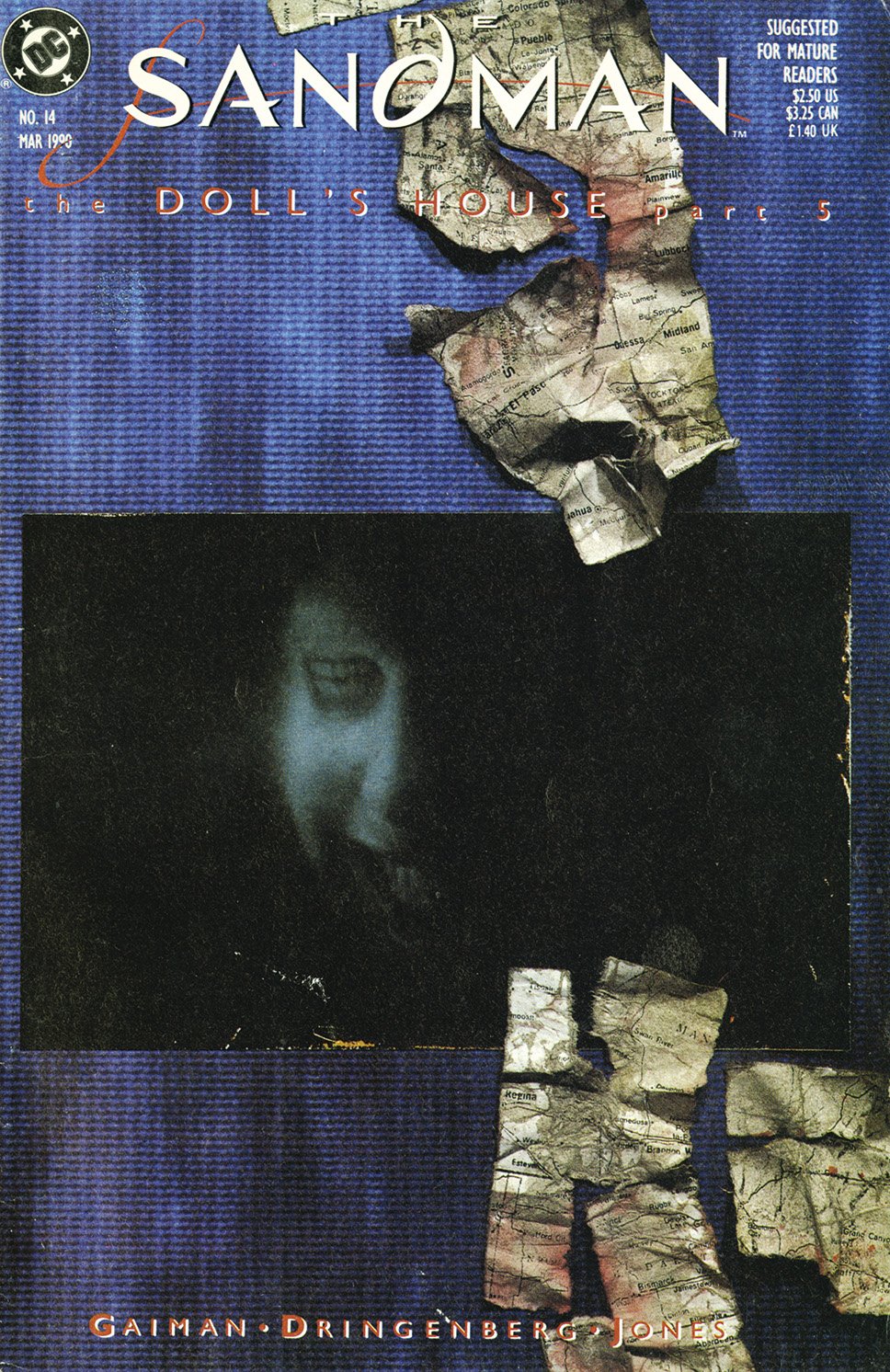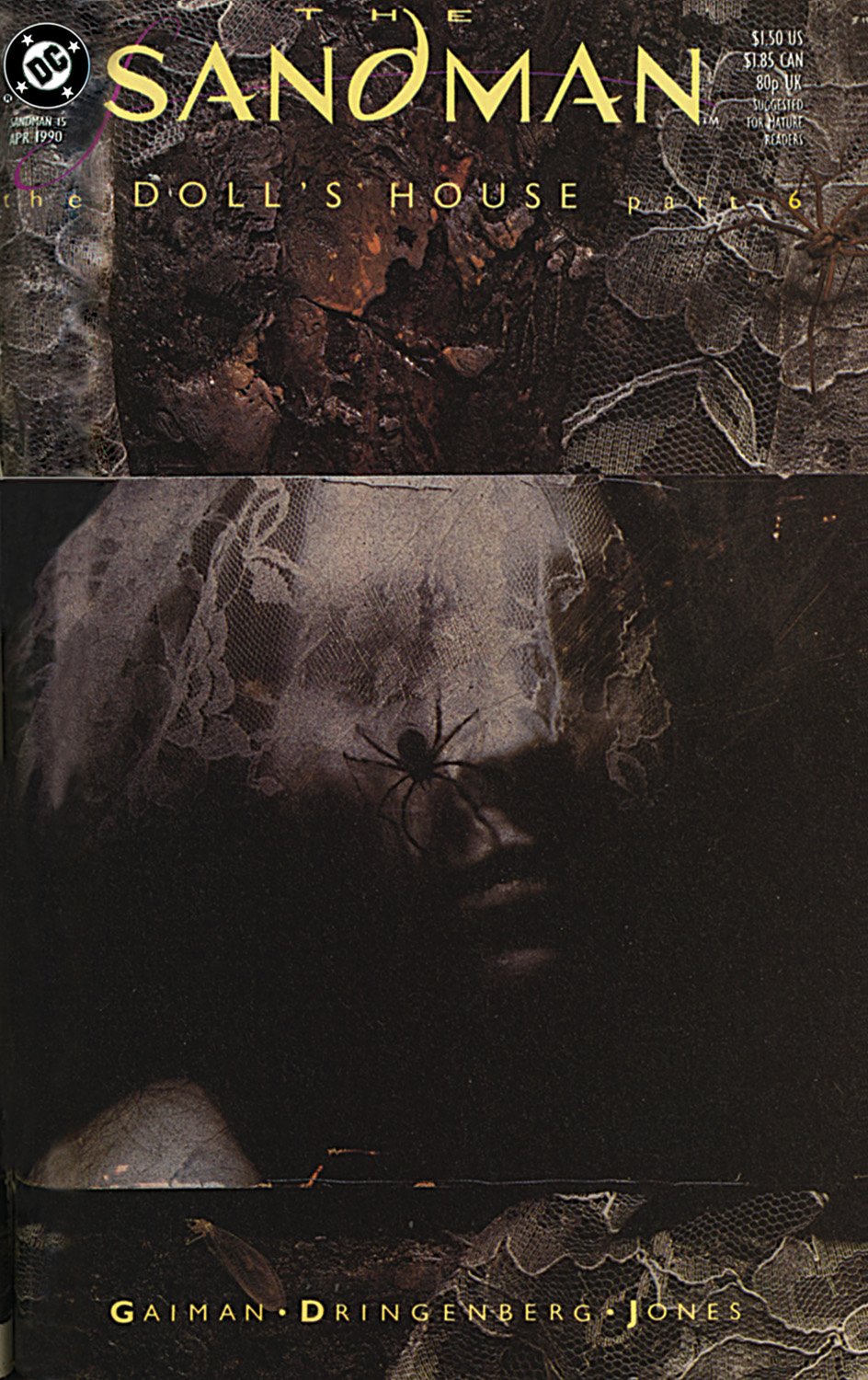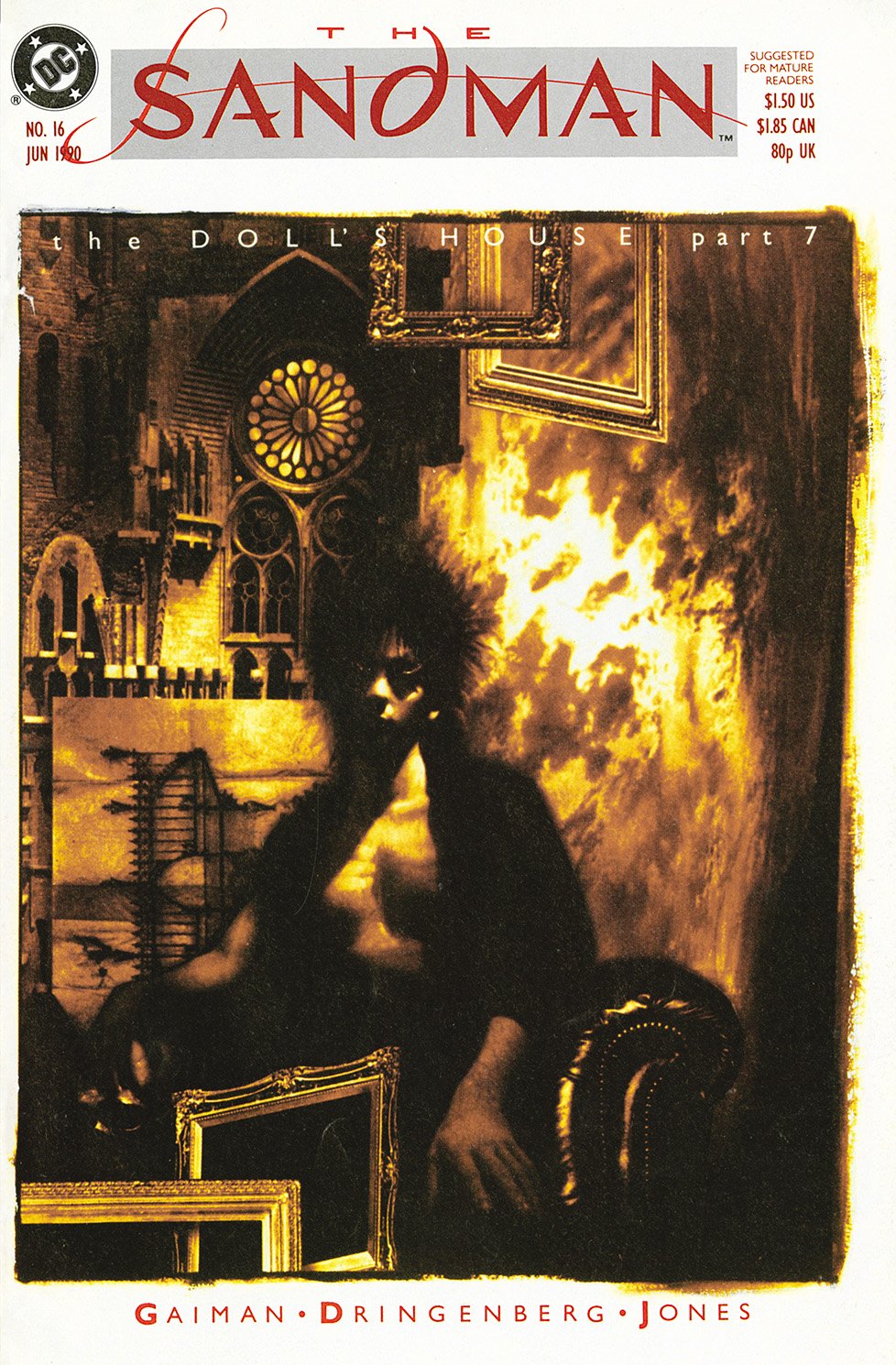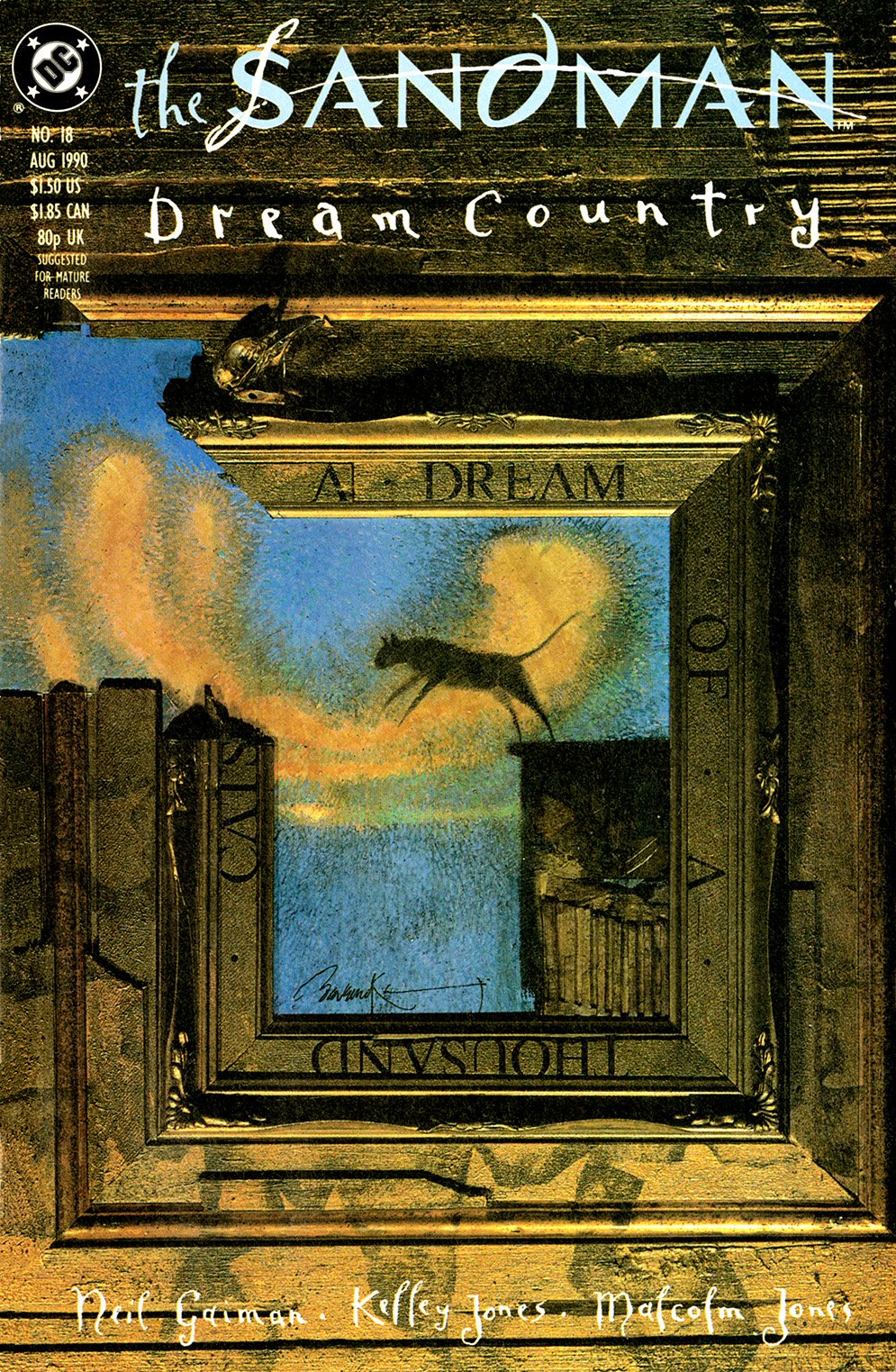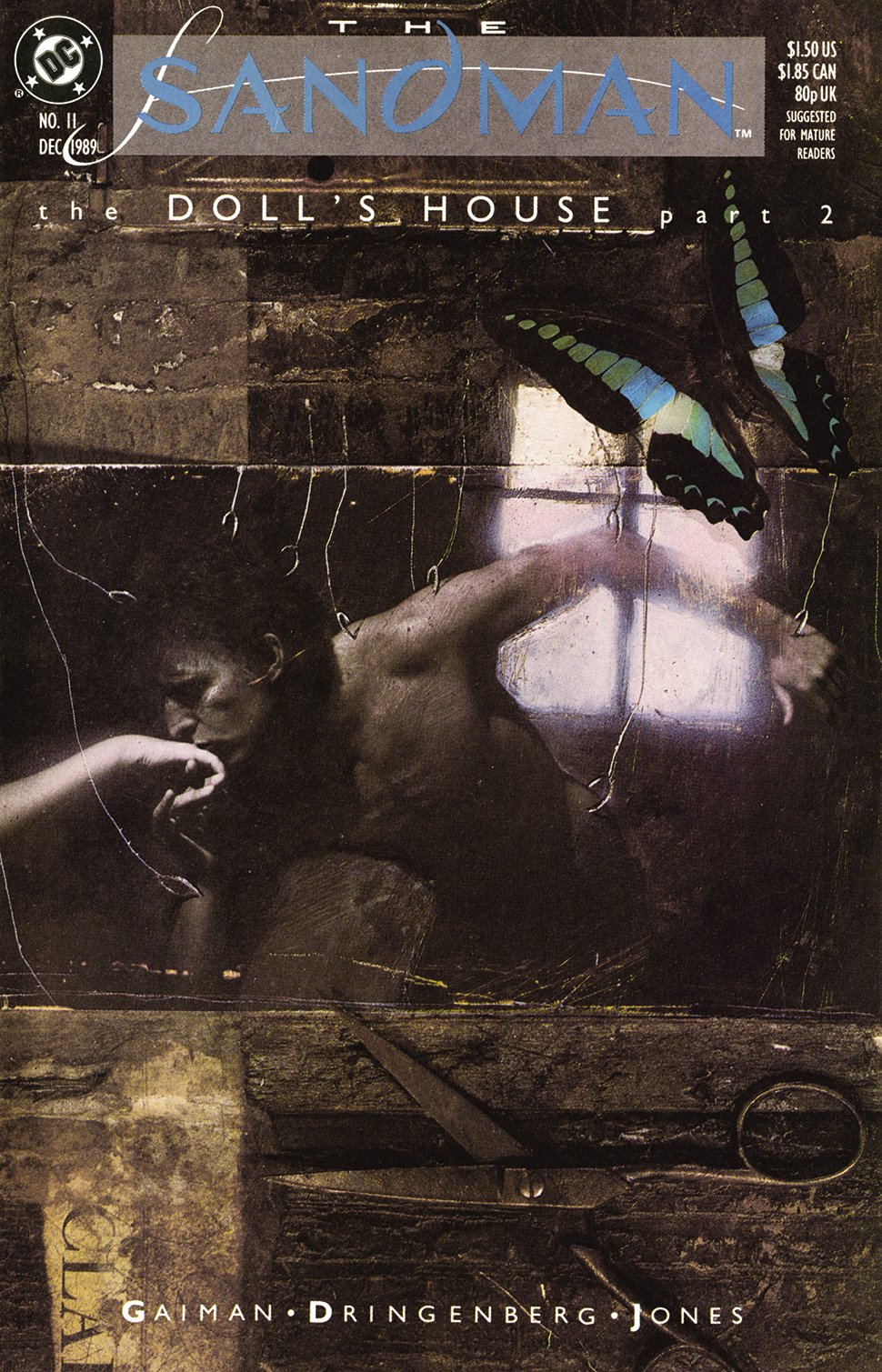

In the waking world, Rose Walker navigates a landscape of fractured families and hidden histories as she seeks her long-lost brother, Jed. This journey leads her to a peculiar boarding house in Florida, where the mundane veneer of suburban life masks a series of eccentricities that feel almost too deliberate to be accidental. As Rose attempts to piece together her family’s past, she unknowingly steps into the crosshairs of a cosmic accounting.
While Rose searches for her kin, the Lord of Dreams moves through the periphery of her reality, attempting to reclaim pieces of his kingdom that have escaped into the waking world. The narrative explores the unsettling idea that our private lives are often the stages for larger, mythical dramas. Here, the search for a missing child is not merely a personal tragedy, but a catalyst for the collision between human necessity and the cold, structural requirements of the Dreaming.
The world-building in this volume emphasizes the "leakage" between the realm of sleep and the physical world. Gaiman establishes a setting where the rules of reality are increasingly thin, particularly around Rose Walker. The atmosphere is one of domestic noir infused with metaphysical dread; the Florida boarding house serves as a microcosm of a world where everyone is hiding a secret identity or a repressed desire. This setting reinforces the theme that the Dreaming is not a distant place, but a layer of existence that can bleed into a kitchen or a hallway if the right anchors are removed.
The character development focuses on Rose’s transition from a girl defined by her loss to an investigator of her own lineage. Her arc is defined by her growing realization that her family is tied to powers far beyond human comprehension. Simultaneously, the narrative examines the dynamic of the "creator and the created." Morpheus views his escaped dreams as wayward tools or broken property, while the rogue dreams themselves demonstrate a desperate, often violent, urge to define their own identities outside of their designated roles in his kingdom.
Gaiman utilizes several major tropes while stripping away their traditional comforts. The "Missing Person" trope is subverted by revealing that the search is not just about a lost boy, but about a cosmic imbalance that the protagonist does not yet understand. Furthermore, the "Secret Society" trope is turned on its head through the introduction of a disturbing convention that uses the language of boring corporate seminars to mask something much darker. Rather than a hero's journey toward empowerment, the story suggests a journey toward a terrifying realization of one's place in a much larger, often indifferent, mythological clockwork.
In the waking world, Rose Walker navigates a landscape of fractured families and hidden histories as she seeks her long-lost brother, Jed. This journey leads her to a peculiar boarding house in Florida, where the mundane veneer of suburban life masks a series of eccentricities that feel almost too deliberate to be accidental. As Rose attempts to piece together her family’s past, she unknowingly steps into the crosshairs of a cosmic accounting.
While Rose searches for her kin, the Lord of Dreams moves through the periphery of her reality, attempting to reclaim pieces of his kingdom that have escaped into the waking world. The narrative explores the unsettling idea that our private lives are often the stages for larger, mythical dramas. Here, the search for a missing child is not merely a personal tragedy, but a catalyst for the collision between human necessity and the cold, structural requirements of the Dreaming.
The world-building in this volume emphasizes the "leakage" between the realm of sleep and the physical world. Gaiman establishes a setting where the rules of reality are increasingly thin, particularly around Rose Walker. The atmosphere is one of domestic noir infused with metaphysical dread; the Florida boarding house serves as a microcosm of a world where everyone is hiding a secret identity or a repressed desire. This setting reinforces the theme that the Dreaming is not a distant place, but a layer of existence that can bleed into a kitchen or a hallway if the right anchors are removed.
The character development focuses on Rose’s transition from a girl defined by her loss to an investigator of her own lineage. Her arc is defined by her growing realization that her family is tied to powers far beyond human comprehension. Simultaneously, the narrative examines the dynamic of the "creator and the created." Morpheus views his escaped dreams as wayward tools or broken property, while the rogue dreams themselves demonstrate a desperate, often violent, urge to define their own identities outside of their designated roles in his kingdom.
Gaiman utilizes several major tropes while stripping away their traditional comforts. The "Missing Person" trope is subverted by revealing that the search is not just about a lost boy, but about a cosmic imbalance that the protagonist does not yet understand. Furthermore, the "Secret Society" trope is turned on its head through the introduction of a disturbing convention that uses the language of boring corporate seminars to mask something much darker. Rather than a hero's journey toward empowerment, the story suggests a journey toward a terrifying realization of one's place in a much larger, often indifferent, mythological clockwork.
Add to your library to track progress and write reviews
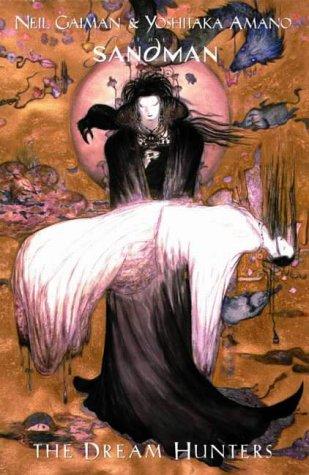
Find Sandman, #11 Neil Gaiman in PDF, EPUB, ebook, audiobook, print, or library editions.

44 books in catalog
Groundbreaking dark fantasy comic books and dark, whimsical prose fiction have reshaped speculative literature, most famously through the comic book series The Sandman. English author Neil Gaiman, born Neil Richard Gaiman on 10 November 1960, created this influential series before publishing widely acclaimed fantasy novels including Stardust, American Gods, Coraline, and The Graveyard Book.
Born Neil Richard Gaiman in Portchester, Hampshire, UK, he spent much of his childhood reading in public libraries, where he discovered the works of C.S. Lewis, J.R.R. Tolkien, Edgar Allan Poe, Ursula K. LeGuin, and G.K. Chesterton. He began his professional career in journalism before transitioning into comic book writing in the late 1980s, gaining prominence with Black Orchid in 1988 and launching The Sandman series for DC Comics' Vertigo imprint in 1989. Over the subsequent decades, he expanded into writing novels, short fiction, audio theatre, screenplays, and films, eventually taking up residence in the United States near Minneapolis.
His fiction has earned widespread critical recognition, receiving Hugo, Nebula, and Bram Stoker awards. In 2008, he published The Graveyard Book, becoming the first author to win both the American Newbery Medal and the British Carnegie Medal for the same work. In 2013, his novel The Ocean at the End of the Lane was voted Book of the Year in the British National Book Awards. His extensive bibliography and media adaptations continued to draw major critical attention through 2017 and beyond.
Gaiman's literary work is noted for combining imaginative fantasy with a darkly humorous tone, fusing modern settings with classical mythology, folklore, and fairy tale motifs. His stories frequently explore themes of memory, childhood innocence, ancient gods navigating contemporary society, and the fundamental power of stories. Across all age categories, his narratives balance gothic atmosphere with warm human empathy and sharp observational wit.

44 books in catalog
Groundbreaking dark fantasy comic books and dark, whimsical prose fiction have reshaped speculative literature, most famously through the comic book series The Sandman. English author Neil Gaiman, born Neil Richard Gaiman on 10 November 1960, created this influential series before publishing widely acclaimed fantasy novels including Stardust, American Gods, Coraline, and The Graveyard Book.
Born Neil Richard Gaiman in Portchester, Hampshire, UK, he spent much of his childhood reading in public libraries, where he discovered the works of C.S. Lewis, J.R.R. Tolkien, Edgar Allan Poe, Ursula K. LeGuin, and G.K. Chesterton. He began his professional career in journalism before transitioning into comic book writing in the late 1980s, gaining prominence with Black Orchid in 1988 and launching The Sandman series for DC Comics' Vertigo imprint in 1989. Over the subsequent decades, he expanded into writing novels, short fiction, audio theatre, screenplays, and films, eventually taking up residence in the United States near Minneapolis.
His fiction has earned widespread critical recognition, receiving Hugo, Nebula, and Bram Stoker awards. In 2008, he published The Graveyard Book, becoming the first author to win both the American Newbery Medal and the British Carnegie Medal for the same work. In 2013, his novel The Ocean at the End of the Lane was voted Book of the Year in the British National Book Awards. His extensive bibliography and media adaptations continued to draw major critical attention through 2017 and beyond.
Gaiman's literary work is noted for combining imaginative fantasy with a darkly humorous tone, fusing modern settings with classical mythology, folklore, and fairy tale motifs. His stories frequently explore themes of memory, childhood innocence, ancient gods navigating contemporary society, and the fundamental power of stories. Across all age categories, his narratives balance gothic atmosphere with warm human empathy and sharp observational wit.
The Sandman
The Sandman