§Synopsis
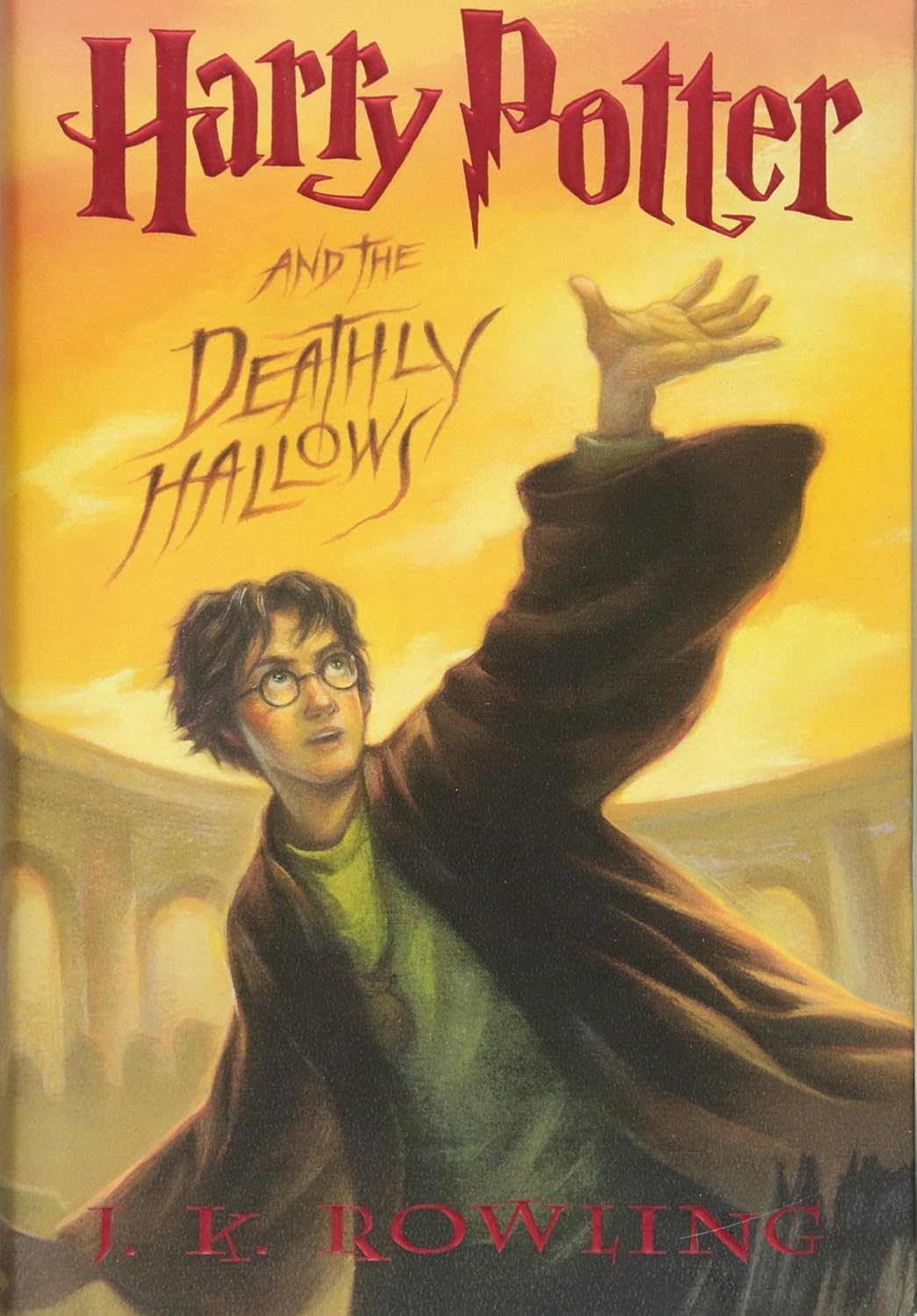
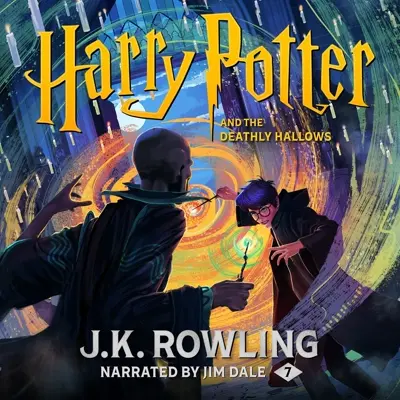
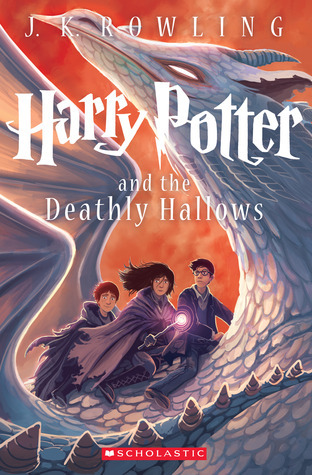
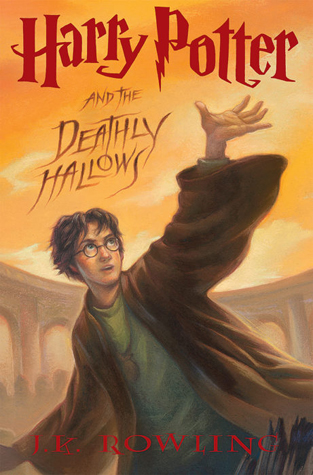
01The finality of adulthood arrives not with a graduation, but with the total collapse of the institutions that once provided safety. As Harry Potter prepares to leave Privet Drive for the last time, the protective enchantments that have defined his existence since infancy dissolve, signaling the end of his status as a protected minor and the beginning of a total war. The narrative shifts the series away from the structured, academic environment of Hogwarts and into a survivalist odyssey, where the protagonist is no longer a student following a curriculum, but a fugitive navigating a society that has institutionalized the very darkness he is tasked to destroy.
The psychological weight of the story rests on a mission inherited from a deceased mentor, Albus Dumbledore. Stripped of guidance and sanctuary, Harry, Ron, and Hermione must operate as an isolated underground resistance cell. Their struggle is defined by a slow, grueling search for the Horcruxes—fragments of Lord Voldemort’s soul—while simultaneously grappling with a growing obsession over a legendary set of magical artifacts known as the Deathly Hallows. These objects promise a seductive power over mortality that threatens to distract Harry from his immediate moral obligations, creating a tension between the necessity of sacrifice and the temptation of absolute mastery.
The Mechanics of a Totalitarian Wizarding World
Rowling transforms the wizarding world from a place of whimsical discovery into a landscape of institutionalized terror. With the Ministry of Magic falling under the clandestine control of the Death Eaters, the setting becomes a study in how a society’s infrastructure can be turned against its own citizens. The "Potterverse" world-building here focuses on the atmosphere of a police state: the use of propaganda, the registration of "Muggle-borns," and the breakdown of public trust. Magic is no longer merely a tool for education or convenience but a medium for surveillance and enforcement, forcing the protagonists to live in the "in-between" spaces of the Muggle and magical worlds.
The Erosion of the Heroic Ideal
Character development in this final installment focuses on the strain of isolation and the burden of incomplete information. Unlike previous years where Harry could rely on the wisdom of elders, he is now forced into a leadership role for which he feels fundamentally unprepared. The relationship dynamic between the central trio is tested by the physical and emotional toll of their mission. Harry’s initial arc is defined by a burgeoning resentment toward Dumbledore; he must reconcile his idealized image of his mentor with the messy, human reality of the man’s past. This internal conflict mirrors the external struggle, as Harry moves from a reactive hero to one who must make agonizing choices regarding loyalty and priority.
Deconstructing the Quest Narrative
The book utilizes and subverts the "Chosen One" and "Holy Grail" tropes by grounding them in the reality of sustained labor rather than showy acts of heroism. While the search for the Hallows mimics a traditional folkloric quest, it is framed as a dangerous distraction from the more grounded, difficult work of dismantling Voldemort's immortality. Rowling replaces the traditional coming-of-age milestones with the grim realities of guerrilla warfare—staying mobile, managing scarce resources, and the protection of information. The moral dilemma centers on the "Greater Good," a theme that challenges the reader to distinguish between the pursuit of power and the pursuit of justice.
§Our take
Without a school year to give it shape, the pacing is the whole argument. The book opens fast and ends fast, but a long central stretch leaves the three leads stuck in a tent, bickering and waiting with little momentum. That's where opinion splits hardest. One blogger's reread found it punishing; defenders say the stall mirrors the characters' own confusion and isolation. Nobody has won that one.
Underneath the plot, Rowling has said death is the series' central theme, and study guides read the book's two competing pursuits as a choice between accepting mortality and grasping at mastery over it. She's also explained that she wrote the epilogue to show that life goes on for an orphaned child. Some readers find that reassuring, others too tidy.
§Themes
- Mortality and sacrifice
- Study guides frame the central choice as accepting death or grabbing at power over it. Rowling calls death the series' central theme.
- No more mentors
- As protective adults and institutions fall away, Harry has to move from being protected to acting without guidance.
- Knowledge over strength
- Study guides read the legendary objects as a test of what a character wants, with understanding mattering more than magical power.
- A government turned on its own
- The series' most direct treatment of prejudice, persecution and resistance.
§How it was received
Michiko Kakutani's New York Times review called the finale satisfying and emotionally releasing while faulting lumpy exposition. Opinion on structure split: one critic argued it crams a trilogy's worth of resolution into one volume, and Christopher Hitchens's negative New York Times review reportedly objected to repeated last-minute rescues. It still landed on the Times's list of 100 Notable Books of 2007 and sold 8.3 million US copies in its first 24 hours, a Guinness World Record.
§Read it if
- You've read the first six books recently enough to catch payoffs planted across the whole series
- You like finales that swap a school-year structure for a grim survival story
- You can sit through a long, low-momentum stretch where the trio hides, argues and waits
§Skip it if
- You want steady momentum. The central stretch stalls for long chapters, a complaint readers and some critics share.
- You're reading with a younger child. Common Sense Media suggests 12 and up and recommends previewing.
§Before you start
- Reading experience
- moderate pace. moderate difficulty. It opens fast, stalls through the long middle in hiding, and finishes fast.
- Reading order
- Book 7 of 7, directly continuing Half-Blood Prince and resolving threads from all six earlier books. Start with Sorcerer's Stone.
- Content notes
- Widespread character deaths, including dozens of heroic characters, by curses, stabbing, strangulation and snake attack; Torture scenes with characters in visible agony, plus explosions, kidnapping and near-drowning; Grief and the deaths of beloved characters; an emotionally intense ending; Themes of prejudice and persecution that parallel historical atrocities; Minimal sexual content and mostly mild language.
§Common questions
- Is it the last Harry Potter book?
- Yes. It's the seventh and final novel, published 21 July 2007, picking up directly from Half-Blood Prince.
- What age is it for?
- Common Sense Media recommends 12 and up and suggests parents preview it for younger children because of the intensity and the many deaths.
- Why is the middle so slow?
- With no school year to structure it, the trio spends a long stretch in hiding with little forward momentum. Some readers call that a flaw, others say it mirrors the characters' confusion and isolation.
§If you liked this
- The Return of the King by J.R.R. Tolkien — Closes a long fantasy epic with a quest, a last battle and an aftermath chapter readers argue about the length of.
- The Hunger Games: Mockingjay by Suzanne Collins — A darker, more political YA finale with heavy losses and the same debate over whether grimness undercuts the series.
- The Amber Spyglass by Philip Pullman — A children's fantasy finale that takes on death head-on and challenges authority.
Track this book
Add to your library to track progress and write reviews