№ 3 · Harry Potter
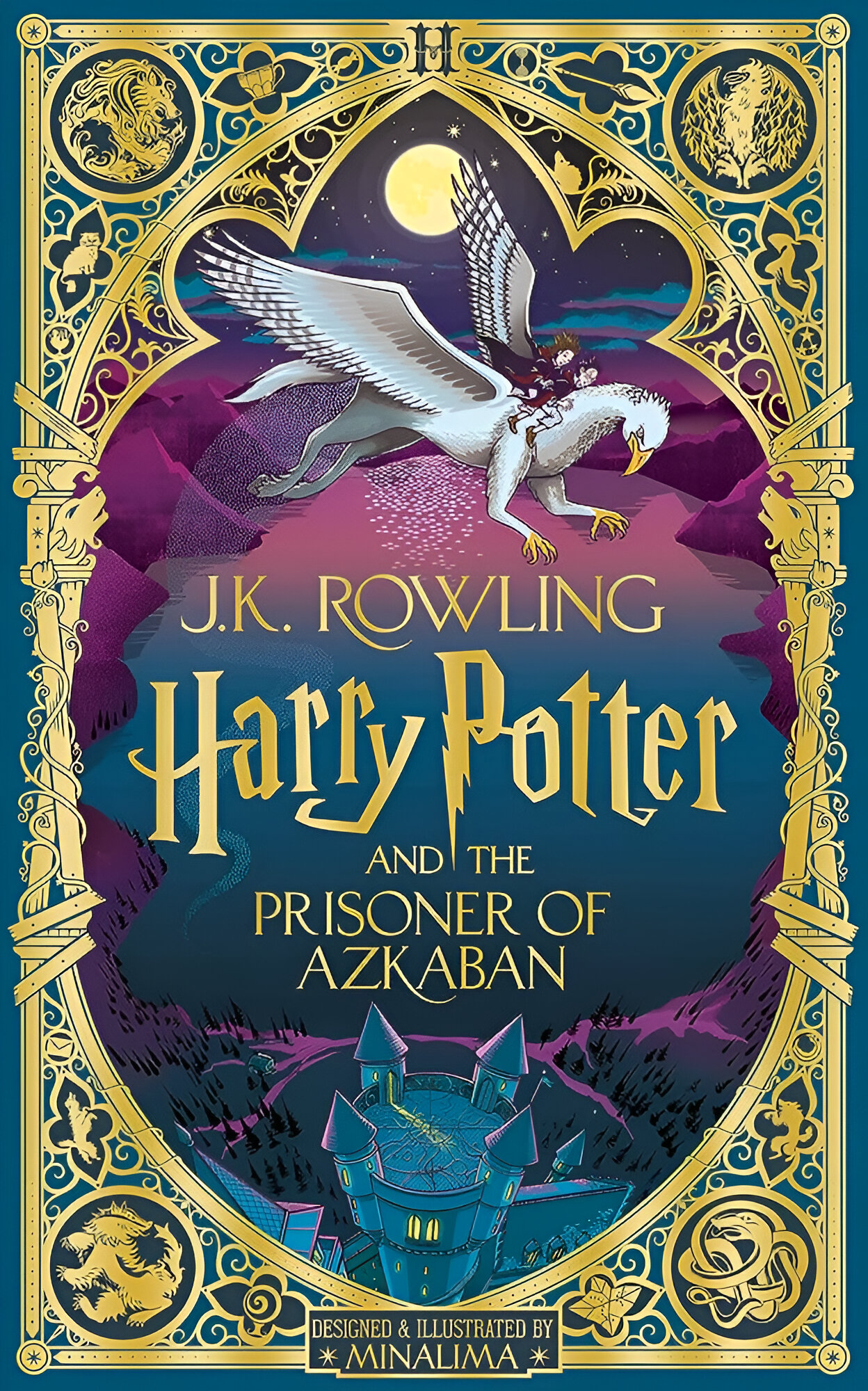
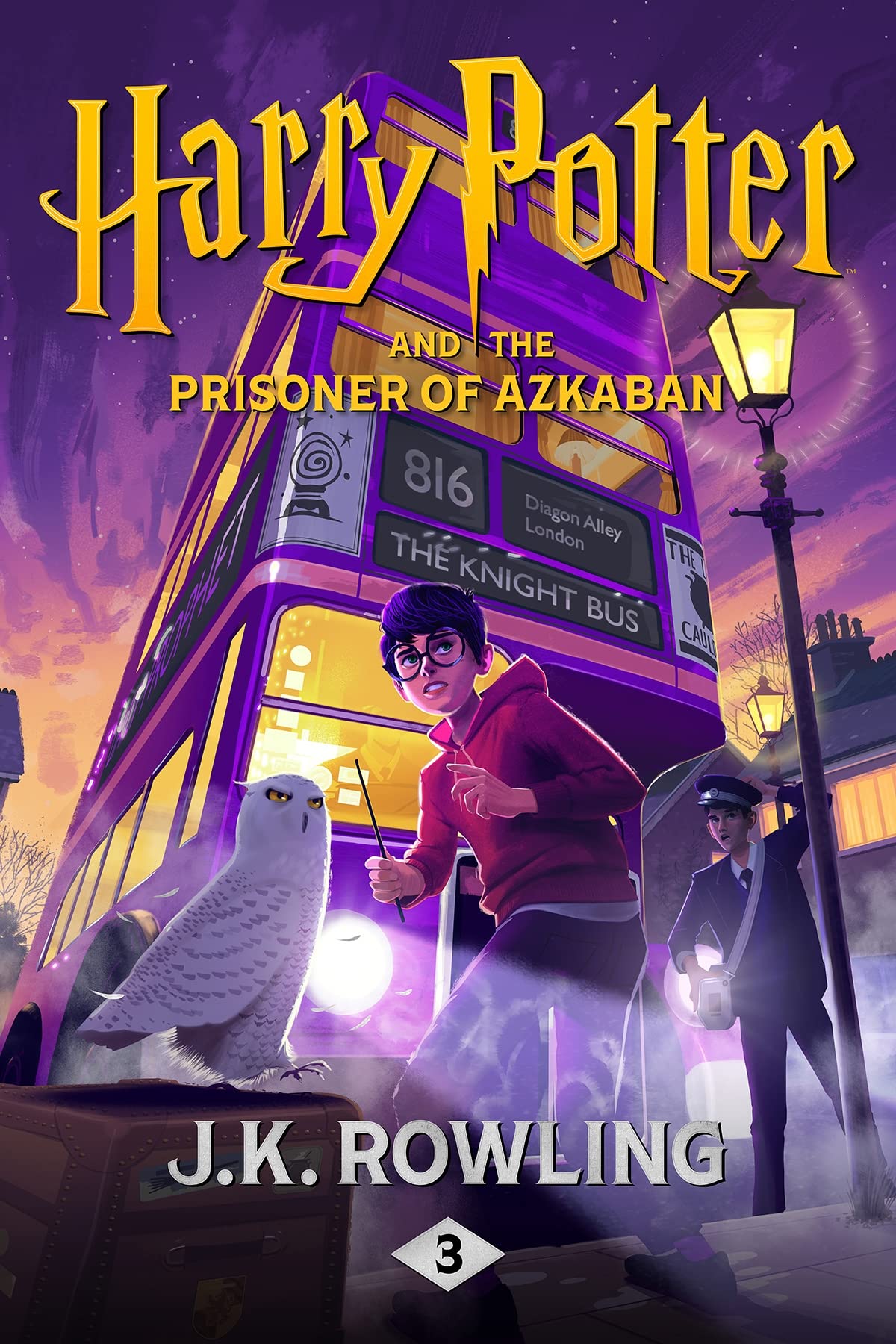
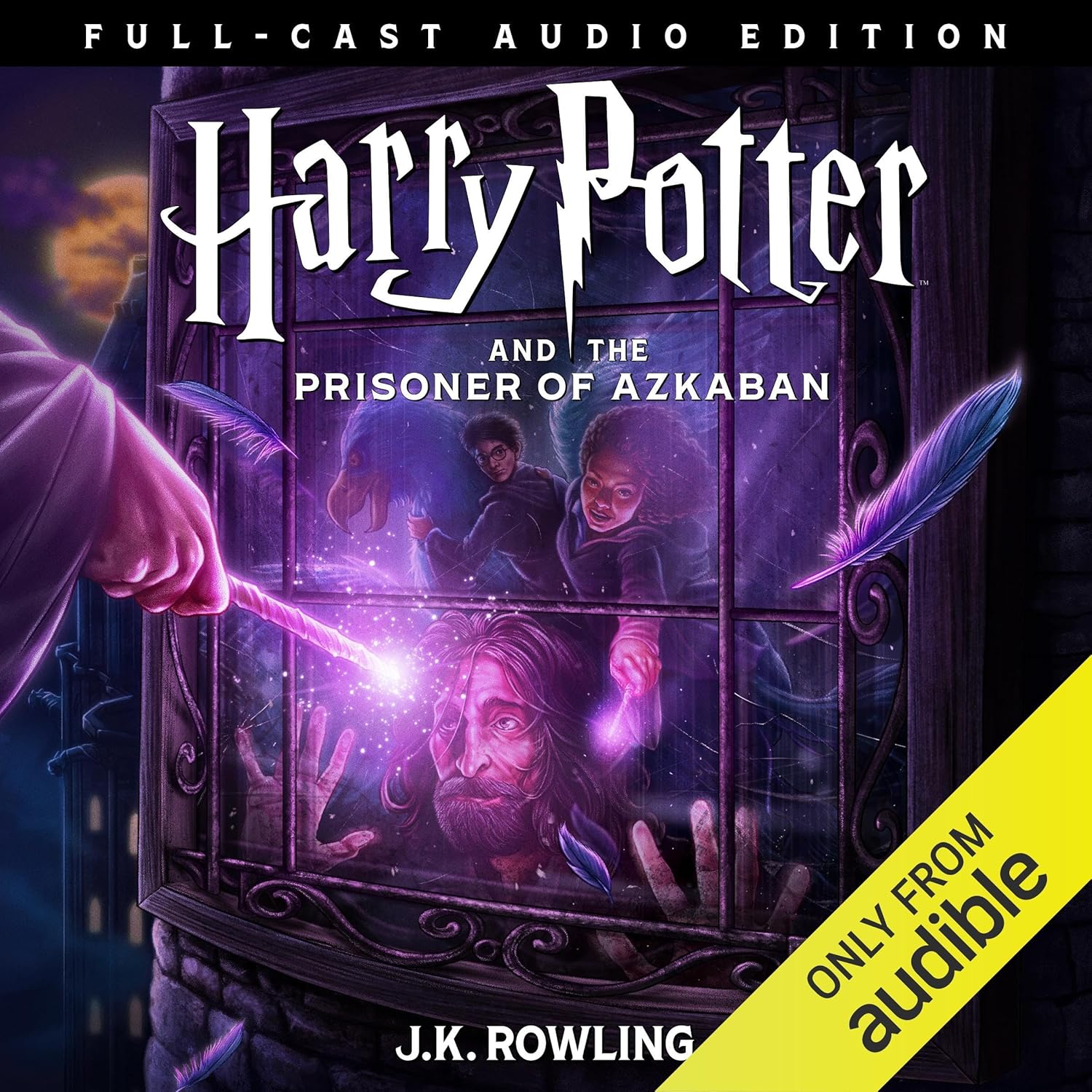
Harry Potter and the Prisoner of Azkaban,
§Synopsis
01As Harry Potter enters his third year at Hogwarts, the boundaries between the safety of the wizarding school and the dangers of the outside world begin to dissolve. The narrative shifts from the whimsical discovery of magic toward a more grounded exploration of trauma, memory, and the consequences of adult secrets. While previous years focused on thwarting a distant dark lord, this chapter of Harry’s life is defined by a more intimate threat: the escape of Sirius Black, a notorious prisoner from the fortress of Azkaban who is believed to be hunting Harry to finish what his master started.
The atmosphere of the series matures significantly as the "Boy Who Lived" confronts the reality that justice in the magical world is often cold and unforgiving. The introduction of the Dementors—the soul-sucking guardians of Azkaban stationed at the school gates—serves as a physical manifestation of fear and depression. Harry finds himself struggling not just against an external assassin, but against his own visceral reactions to these creatures, which force him to relive his most painful memories. This struggle sets the stage for a story about finding the internal strength to repel darkness when the traditional adults in one’s life cannot provide a total shield.
The Evolution of the Wizarding Frontier
The world-building in this installment expands the wizarding society beyond the classroom, introducing the concept of a magical justice system and the terrifying infrastructure of Azkaban. We see the mechanics of the "Knight Bus," an emergency transport for stranded witches and wizards, and the cozy, yet high-stakes environment of Hogsmeade village. The setting is no longer just a backdrop for adventure; it is a place under martial law. The presence of the Dementors introduces a darker rule to the magic system—that some forces cannot be fought with simple hexes, but require a mastery of one's own happiest and most powerful memories.
Adolescence and the Burden of History
Character development takes a turn toward the complexities of adolescence. Harry, Ron, and Hermione are no longer merely reacting to events; they are beginning to question the adults around them and the stories they have been told about the past. Harry’s relationship with the new Defense Against the Dark Arts teacher, Professor Lupin, provides a rare look at a mentor who treats him with intellectual honesty rather than protective silence. Meanwhile, Hermione’s mysterious academic schedule and Ron’s anxieties over his aging pet, Scabbers, signal a shift toward personal stakes and the tension that arises when friends begin to keep secrets from one another.
Subverting the Gothic Thriller
The book leans heavily into the tropes of the gothic thriller and the "man-on-the-run" mystery, but it subverts them by placing these elements within a school for children. By utilizing the trope of the "Omen"—specifically the Grim, a spectral dog supposedly signifying death—the narrative plays with the idea of fate versus perception. Rather than a straightforward quest, the plot functions as a psychological mystery where the primary antagonist is an unseen shadow, and the protagonist’s greatest challenge is overcoming a paralyzing fear of fear itself. This focus on the internal psyche of the hero marks a departure from the more traditional "hero's journey" found in the earlier volumes.
§Our take
Rowling told The Times in 2000 that the Dementors were a deliberate image of depression, drawn from her own experience: not sadness, but the loss of any belief that cheer could return. It shows on the page, in creatures whose deepest horror is psychological (they make Harry relive his mother's death) and in a defense that has to come from inside Harry rather than from a stronger spell. Opinion splits hardest over the ending's time-travel logic. Publishers Weekly noted in 1999 that the finale doesn't entirely hold up, and readers still argue over whether the climax earns itself or leans on a device the story never fully justifies.
§Themes
- Depression, made into a creature
- Dementors drain hope and happiness. Rowling confirmed they were drawn from her own experience of depression.
- Who's actually dangerous
- An escaped convict is presented as the threat, and the mystery keeps overturning who can be trusted.
- Time as a plot device
- A gadget introduced early as a scheduling tool returns in the last act, the series' only major time-travel plot.
- A turn in tone
- Reviewers and fans mark this as the book where the humor stays but the threats turn psychological and the backstory turns adult.
§How it was received
Kirkus praised the vividly imagined Dementors and a plot that keeps gaining momentum, and the Christian Science Monitor's 1999 review called it an improvement on the first two. It won the 1999 Whitbread Children's Book Award and was a 2000 Hugo Best Novel finalist, but lost the overall Whitbread Book of the Year to Seamus Heaney's Beowulf by five votes to four at the February 2000 ceremony, a result judge Anthony Holden had publicly argued for. Publishers Weekly liked how details from earlier books pay off while noting the finale's logic isn't entirely watertight.
§Read it if
- You like mysteries where the menace is psychological and the payoff comes from details planted earlier
- You want the series' darker turn while keeping the humor of the first two books
- You're deciding when a young reader is ready for scarier material
§Skip it if
- The ending's time-travel logic has drawn complaints from readers and trade reviewers since 1999, and it may bother you too.
- Some readers find it slower or less eventful than the later books.
§Before you start
- Reading experience
- moderate pace. moderate difficulty. Sustained psychological horror around the Dementors, with a mystery that pays off details from earlier books.
- Reading order
- Third of seven Harry Potter novels, after Sorcerer's Stone and Chamber of Secrets and before Goblet of Fire. Usually read in order, though the central mystery largely stands on its own.
- Content notes
- Sustained psychological horror around the Dementors, who drain hope and force Harry to relive painful memories. Common Sense Media flags this as the main scare, and a 1999 reviewer warned it might upset small children; Mild physical violence and peril, including a creature attack, an injury with broken bones, and a fight between a werewolf and a dog; Very mild language and some adult drinking, including a character who gets drunk.
§Common questions
- What age is it for?
- Common Sense Media recommends ages 9 and up; Kirkus rated it for 10 to 13. The Dementors are the main scare, and a 1999 reviewer warned they might frighten very young children.
- Do I have to read the first two first?
- It's usually read in order, but the central mystery mostly stands on its own. It does contain the series' first major backstory about Harry's parents' generation, which lands better with the earlier books behind you.
- Why do fans call it the best one?
- Readers often rank it the series' best or most perfectly plotted, praising the foreshadowing that pays off and characters like Sirius and Lupin. Others prefer later books or question the ending's logic.
§If you liked this
- Lockwood & Co. by Jonathan Stroud — Spectral threats that genuinely frighten, in the spirit of the Dementors. BookTrust lists it for Potter fans.
- Knights of the Borrowed Dark by Dave Rudden — An orphaned hero and terrifying creatures, at a darker pitch than a cosy school story. BookTrust recommends it for Potter readers.
- The Dark Is Rising by Susan Cooper — An older fantasy classic matching this book's shift toward menace and moral seriousness. It's on BookTrust's Potter list.
- Bartimaeus (The Amulet of Samarkand) by Jonathan Stroud — A clever, darker magic-world story with a twisty plot. BookTrust lists the trilogy for Potter fans.
Track this book
Add to your library to track progress and write reviews