№ 6 · Harry Potter
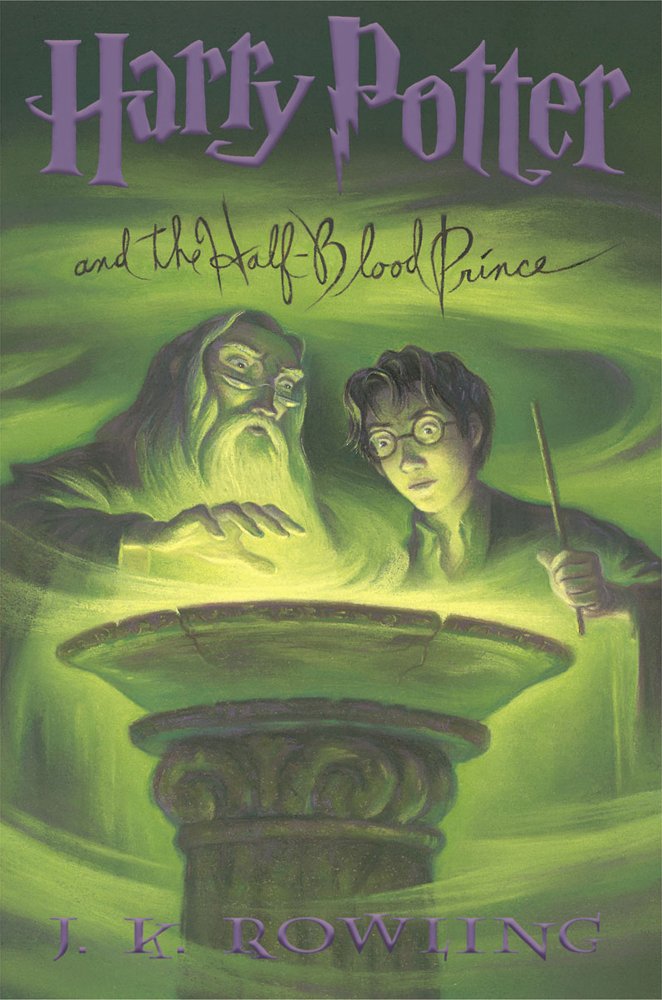
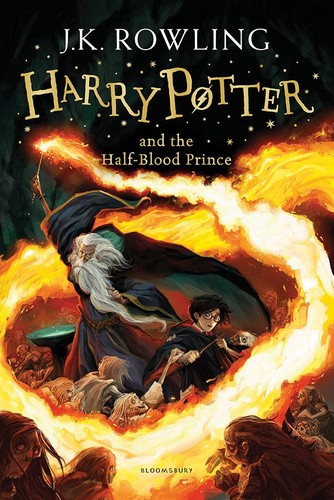
Harry Potter and the Half-Blood Prince,
§Synopsis
01As the sixth year at Hogwarts begins, the boundary between the magical and mundane worlds has finally collapsed. No longer confined to the shadows, the return of Lord Voldemort has plunged both realms into a state of visible terror, where disappearances and inexplicable disasters have become the new currency of daily life. For Harry Potter, the shift is internal as much as it is external; he is no longer just a student surviving yearly encounters with darkness, but a young man being systematically prepared by Albus Dumbledore for an inevitable, final confrontation.
This preparation takes the form of a forensic investigation into the past. By utilizing the Pensieve to navigate the fragmented memories of those who knew the young Tom Riddle, Harry begins to understand that the key to defeating his enemy lies in the psychological architecture of the Dark Lord’s origins. Amidst this high-stakes tutelage, Harry finds an unlikely edge in the form of a weathered Potions textbook once belonging to the mysterious "Half-Blood Prince," whose handwritten marginalia offers a shortcut to mastery that is as seductive as it is concerning.
A World Under Siege
The world-building in this installment shifts from the wonder of discovery to the grim mechanics of a society at war. Hogwarts, once a sanctuary, is now a fortress protected by ancient enchantments and rigorous security checkpoints. The atmosphere is thick with suspicion, reflecting a "state of exception" where the Ministry of Magic struggles to maintain order against an enemy that uses infiltration and fear rather than open battlefield tactics. This transition highlights the fragility of the wizarding world’s institutions, showing how the leak of dark magic into the Muggle world forces the magical community to confront its own isolation and the consequences of its hidden history.
The Burden of Apprenticeship and Adolescence
The protagonist's development moves away from reactionary survival and toward proactive discipline. Harry’s relationship with Dumbledore evolves from a distant mentorship into a complex partnership, characterized by private lessons that prioritize intellectual detective work over combat training. Simultaneously, the social fabric of the "Golden Trio" is tested by the onset of late-adolescent romantic tensions. As Ron and Hermione navigate the clumsy, often painful complexities of jealousy and attraction, Harry finds himself increasingly isolated by his unique responsibilities. This personal growth is mirrored in the shifting arc of Draco Malfoy, who moves from the role of a schoolyard antagonist to a shadowed figure burdened by a terrifying, high-stakes mission that he is ill-prepared to handle.
The Alchemy of Mystery and Memory
The narrative skillfully utilizes the "Mystery Textbook" trope to examine the morality of power. The Half-Blood Prince’s notes provide Harry with immediate success and status, yet they bypass the fundamental understanding required for magical mastery, creating a dilemma between convenience and ethics. Furthermore, the story subverts the "Chosen One" archetype by focusing on historical research. Rather than acquiring a legendary weapon, Harry must engage in the meticulous study of Voldemort’s lineage and character flaws. This emphasizes the theme that understanding an enemy’s humanity—however distorted it may be—is a prerequisite for dismantling their power, blending elements of a gothic mystery with a traditional coming-of-age tale.
§Our take
The Voldemort backstory is the most praised thing here, but readers and critics disagree about what it adds up to. Nilanjana Roy, reviewing in 2005, found the explanation of the villain's motives too simple, a bit of pop psychology; other readers love seeing him humanized. Structure is the other sore spot: Ben Hourigan called the long school-year middle meandering, with the action crammed into the last hundred pages, and a release-week Dragonpage review accepted that the book's main job is setting up volume seven. Librarian Sondra Eklund ranked it second in the series for the humor and a Dumbledore who mentors actively instead of explaining everything at year's end. In reader communities some rank it their favorite for the backstory and emotional payoff, others rank it last for the slow setup.
§Themes
- The villain, by flashback
- Dumbledore's private lessons trace Voldemort's origins, widely named the book's strongest material.
- Love and friendship as strength
- Friendship and choice are what separate Harry from an isolated villain, though one critic found the framing sentimental.
- Mortality
- Death becomes central, and magic offers no escape from it, even while the school comedy carries on underneath.
- Lies
- Magic makes lying easy, and the mystery of the Prince's margin notes runs on concealment.
§How it was received
Professional notices ran from mixed to glowing. The Christian Science Monitor's Yvonne Zipp praised Harry's maturity while warning parents about intense scenes, and Roy found the villain psychology thin. Readers voted it Book of the Year at the 2005 Quill Awards, and a wire report says it took book of the year at the 2006 British Book Awards, a contrast with the divided professional response. Reader reviews themselves split sharply over its pacing and its job as setup.
§Read it if
- You're rereading the series in order and want the villain backstory that feeds the final volume
- You like school comedy, teen crushes and wit running under a darkening plot
- You'd pick detective work over duels. The centerpiece is research into a villain's past.
§Skip it if
- You want action throughout. The pacing is leisurely until a compressed climax.
- You're new to the series. It pulls strands from earlier volumes together and would confuse newcomers.
§Before you start
- Reading experience
- slow pace. moderate difficulty. Leisurely through the school-year middle, then a compressed climax in the last hundred pages or so.
- Reading order
- Book 6 of 7, after Order of the Phoenix and before Deathly Hallows. Read the earlier books first.
- Content notes
- Noticeably darker than the early volumes: students are cursed, poisoned and injured, with scenes involving reanimated dead creatures; Emotionally heavy late-book scenes that Common Sense Media flags as hard on younger readers; Contains disturbing childhood memories of the villain; some readers may find them unsettling; Frequent teen kissing, treated humorously; mild language only.
§Common questions
- What age is it for?
- Common Sense Media recommends 11 and up, noting it's darker than earlier volumes, with intense scenes some parents may want to preview.
- How long is the audiobook?
- The Jim Dale unabridged audiobook runs about 19 hours, with library listings varying between roughly 18.5 and 19.
- Is there a movie?
- Yes. David Yates directed it, it came out in July 2009, and it got an Academy Award nomination for cinematography.
§If you liked this
- The Dark Is Rising by Susan Cooper — A young hero with an inherited destiny gathers artifacts against an ancient evil. A darker, older echo of the quest structure.
- The Iron Trial by Holly Black and Cassandra Clare — A magic school where dark magic complicates the hero's training. For readers who liked the shadow over school life here.
- Lockwood & Co. by Jonathan Stroud — Teens facing dangerous threats with peril and wit, in a moody setting.
- Percy Jackson and the Olympians by Rick Riordan — A lighter, quicker alternative for readers who found this volume slow.
Track this book
Add to your library to track progress and write reviews