
§Author· 15 books
J.K. Rowling
Also known as Joanne Rowling, Robert Galbraith, Joanne K. Rowling, Joanne K Rowling, J K rowling, J.K.Rowling, Rowling, J.K., J. Rowling, Rowling, Joanne K., Jo Murray, J K Rowling, Rowling J.K., J.K. Rowling (author), Rowling Joanne, J.K. ROWLING, Rowling J K, J K ROWLING, Newt Scamander, JOANNE K. ROWLING, Kennilworthy Whisp, JK Rowling, JK Rowlings, jk rowling, R.K Rowling, J. K Rowling, J.K Rowling, Rowling J. K., J. K. Rowling (Auteur), J.k. Rowling, Rowling, J. K.
Joanne Rowling was born on 31st July 1965 at Yate General Hospital near Bristol, and grew up in Gloucestershire in England and in Chepstow, Gwent, in south-east Wales.
Her father, Peter, was an aircraft engineer at the Rolls Royce factory in Bristol and her mother, Anne, was a science technician in the Chemistry department at Wyedean Comprehensive, where Jo herself went to school. Anne was diagnosed with multiple sclerosis when Jo was a teenager and died in 1990, before the Harry Potter books were published. Jo also has a younger sister, Di.
§All Books
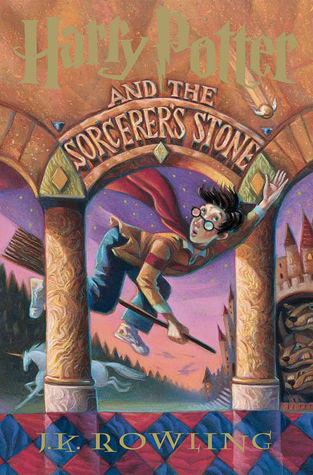
Harry Potter and the Sorcerer's Stone
J.K. Rowling, 1997
6,199 ratings
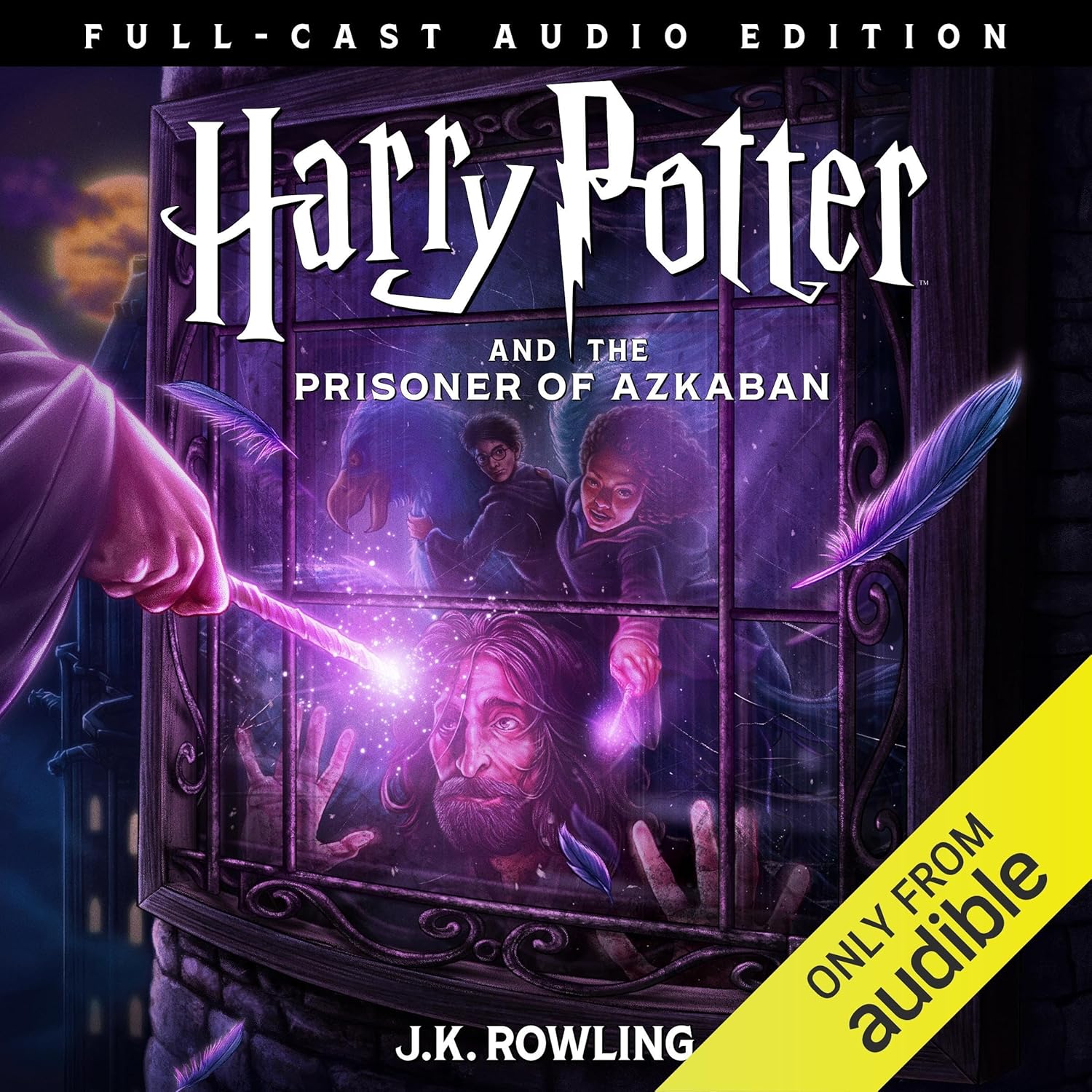
Harry Potter and the Prisoner of Azkaban
J.K. Rowling, 1998
5,395 ratings
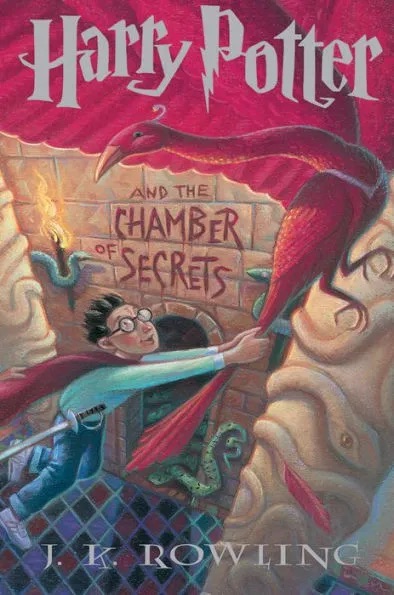
Harry Potter and the Chamber of Secrets
J.K. Rowling, 1998
5,091 ratings
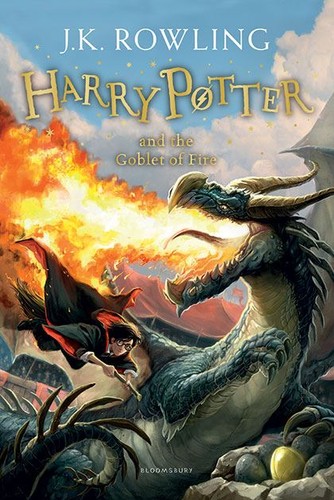
Harry Potter and the Goblet of Fire
J.K. Rowling, 2000
5,051 ratings
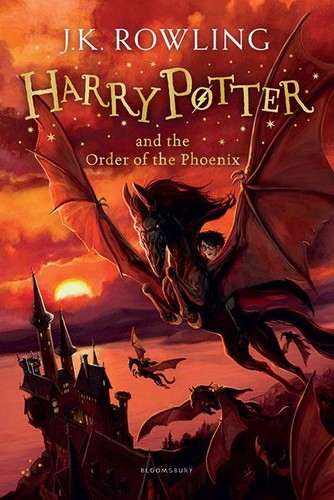
Harry Potter and the Order of the Phoenix
J.K. Rowling, 2003
4,726 ratings
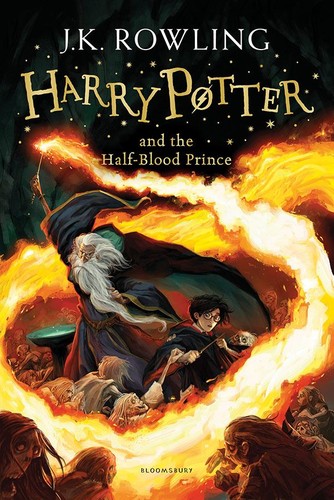
Harry Potter and the Half-Blood Prince
J.K. Rowling, 2005
4,627 ratings
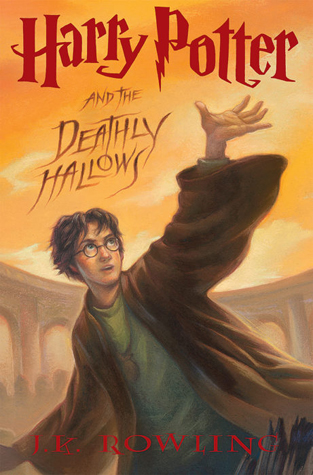
Harry Potter and the Deathly Hallows
J.K. Rowling, 2007
4,426 ratings
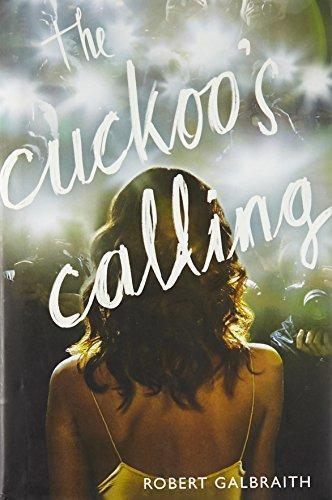
The Cuckoo's Calling
Robert Galbraith, 2013
870 ratings
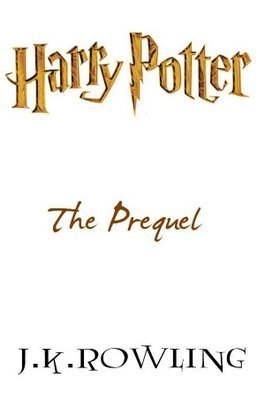
Harry Potter: The Prequel
J.K. Rowling, 2008
67 ratings

رد پای شیطان
J.K. Rowling, 2015
آوای فاخته
Robert Galbraith, 2013
Harry Potter: La precuela
J.K. Rowling, 2008
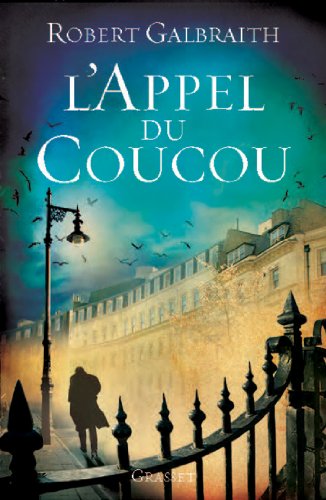
L'Appel du coucou
J.K. Rowling, 2013
کرم ابریشم
J.K. Rowling, 2014
Käo kukkumine
Robert Galbraith, 2013
§ About J.K. Rowling's books
- Books on SansFiction
- 15
- Published
- 1997–2015
- Average rating
- 4.3 / 5 across 36,452 ratings
- Genres
- Adventure, Fantasy, Fiction, Classics
- Series
- Harry Potter, Cormoran Strike
Start here: Harry Potter and the Sorcerer's Stone (1997)
Harry Potter’s existence is defined by a profound absence—of family, of history, and of any sense of belonging. Confined to a cupboard beneath the stairs of his aunt and uncle’s home, his life is an exercise in invisibility, dictated by the mundane and often cruel whims of the Dursley family.
Harry Potter: reading order
- Harry Potter: The Prequel
- Harry Potter: La precuela
- Harry Potter and the Sorcerer's Stone
- Harry Potter and the Chamber of Secrets
- Harry Potter and the Prisoner of Azkaban
- Harry Potter and the Goblet of Fire
- Harry Potter and the Order of the Phoenix
- Harry Potter and the Half-Blood Prince
- Harry Potter and the Deathly Hallows
Cormoran Strike: reading order
Common questions about J.K. Rowling
- Who is J.K. Rowling?
- Joanne Rowling was born on 31st July 1965 at Yate General Hospital near Bristol, and grew up in Gloucestershire in England and in Chepstow, Gwent, in south-east Wales. Her father, Peter, was an aircraft engineer at the Rolls Royce factory in Bristol and her mother, Anne, was a science technician in the Chemistry department at Wyedean Comprehensive, where Jo herself went to school.
- What is J.K. Rowling best known for?
- J.K. Rowling is best known for Harry Potter and the Sorcerer's Stone, published in 1997 with 6,199 ratings and a 4.3 average. It is the most-rated of J.K. Rowling's books on SansFiction.
- How many books has J.K. Rowling written?
- SansFiction lists 15 books by J.K. Rowling, published between 1997 and 2015. The most popular are Harry Potter and the Sorcerer's Stone, Harry Potter and the Prisoner of Azkaban, Harry Potter and the Chamber of Secrets, Harry Potter and the Goblet of Fire and Harry Potter and the Order of the Phoenix.
- What order should I read J.K. Rowling's Harry Potter books in?
- Read the Harry Potter books in series order: 0.5. Harry Potter: The Prequel, 0.5. Harry Potter: La precuela, 1. Harry Potter and the Sorcerer's Stone, 2. Harry Potter and the Chamber of Secrets, 3. Harry Potter and the Prisoner of Azkaban, 4. Harry Potter and the Goblet of Fire, 5. Harry Potter and the Order of the Phoenix, 6. Harry Potter and the Half-Blood Prince, 7. Harry Potter and the Deathly Hallows.
- What genres does J.K. Rowling write?
- J.K. Rowling's books on SansFiction are tagged Adventure, Fantasy, Fiction and Classics.