§Collection
The Esquire 75 Best Sci-Fi Books of All Time
Since time immemorial, mankind has been looking up at the stars and dreaming. Those dreams became science fiction—a sprawling genre of distant worlds, artificial intelligence, and ethical questioning. From the pioneering voyages of the 1600s to the genre-defining birth of *Frankenstein* in 1818, sci-fi has evolved into a mirror for our own zeitgeist. As Doris Lessing famously said: > “Science fiction is some of the best social fiction of our time.” For our latest **Summer Fiction Week**, we’ve expanded our net from 50 to **75 essential titles**. We limited the list to one book per author, emphasizing works that “boldly go where no one has gone before.” In ranked order, here are the best science fiction books of all time.

The Book of Phoenix
Nnedi Okorafor, 2015
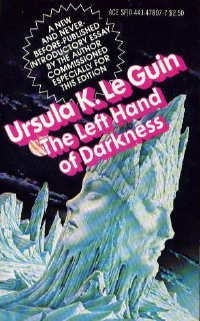
The Left Hand of Darkness
Ursula K. Le Guin, 1969

The Claw of the Conciliator
Gene Wolfe, 1980
Wolfe's dying-earth sequel trusts you to keep up: unreliable memory, buried theology, apes, cannibals, a relic that may not be what it seems. Demanding, and worth every reread.

1984
George Orwell, 1949
Orwell's dystopia of rewritten history and permanent surveillance remains a benchmark for the genre. Decades on, it reads as warning, not period piece.
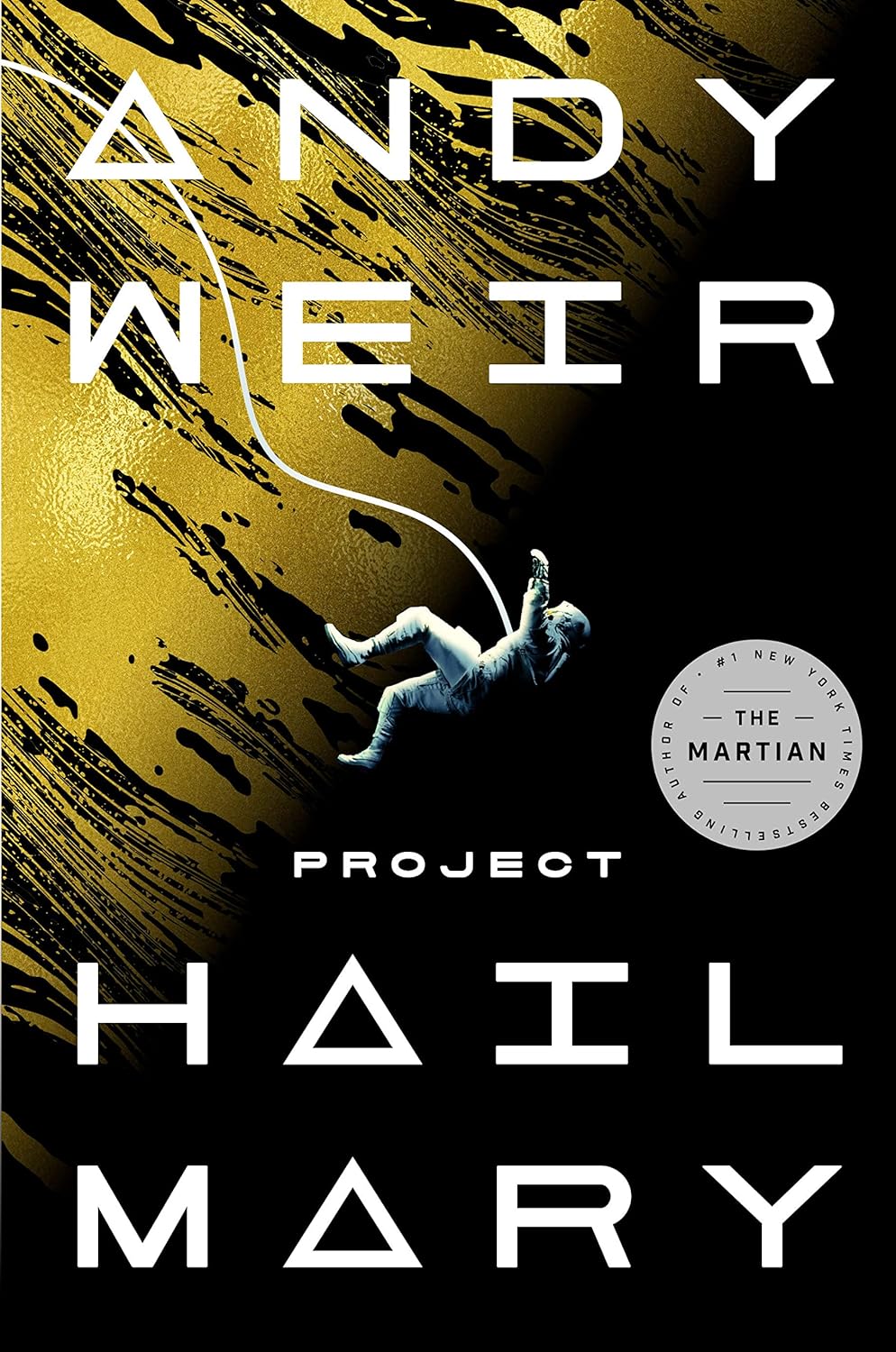
Project Hail Mary
Andy Weir, 2021
A man wakes alone on a spaceship with no memory and only the scientific method for company. Weir drives the amnesia premise with relentless problem-solving.

Excession
Iain M. Banks, 1996
Banks drops a perfect black sphere from another universe into the Culture's lap, and the superintelligent Minds react with characteristic wit. Big-ideas space opera with jokes.
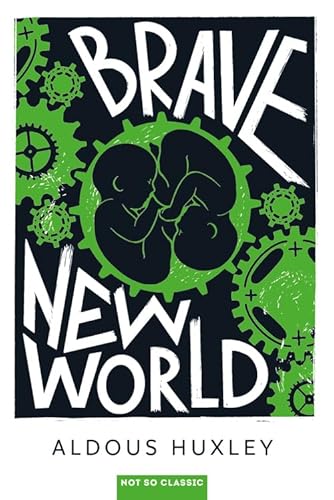
Brave New World
Aldous Huxley, 1930
Huxley's engineered, medicated future is the gentler nightmare, which is the point. Where Orwell forbids, this classic distracts us into compliance.
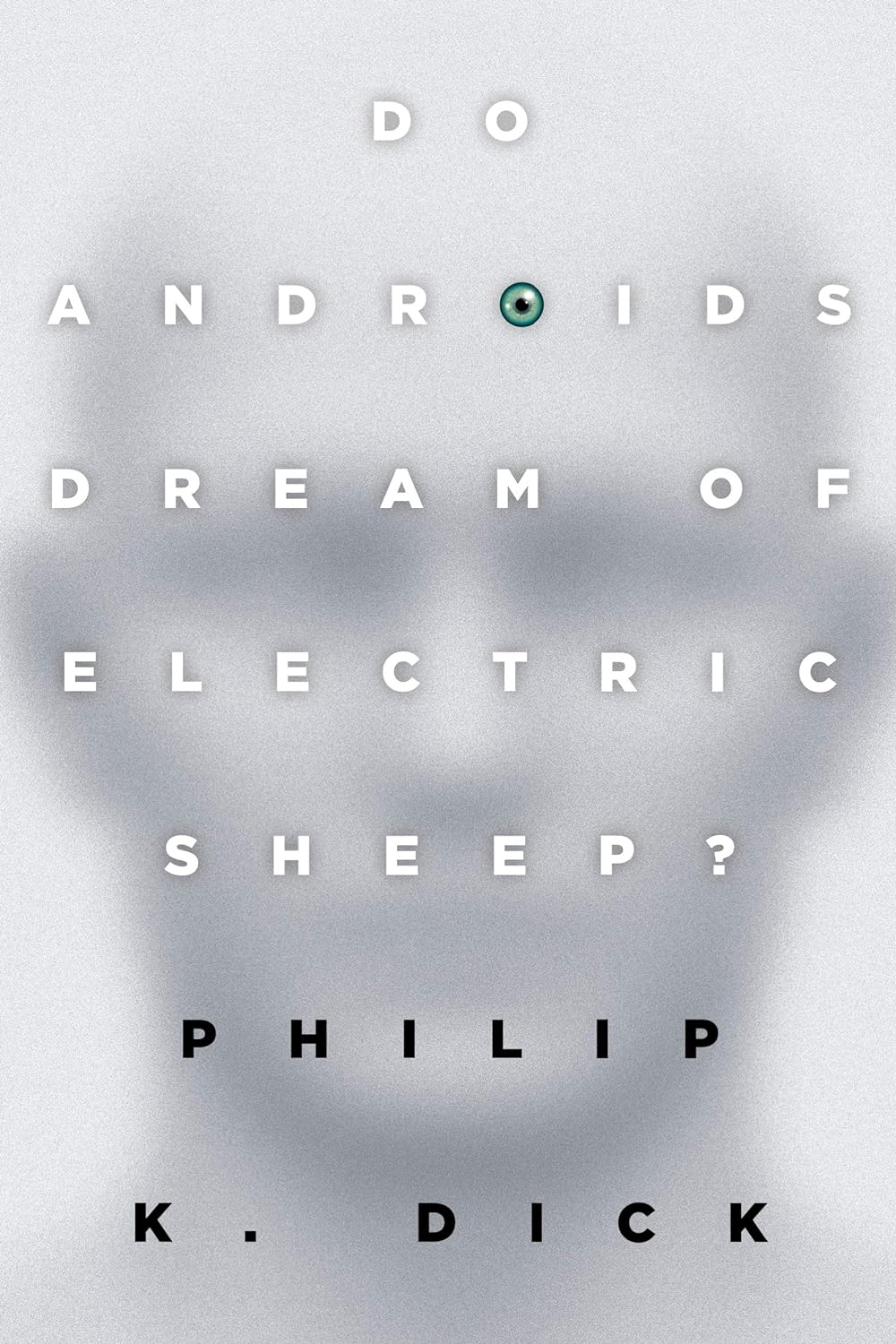
Do Androids Dream of Electric Sheep?
Philip K. Dick, 1968
A world so starved of living things that artificial humans pass unnoticed among us. Dick's melancholy bounty hunt asks a central genre question: what counts as human?
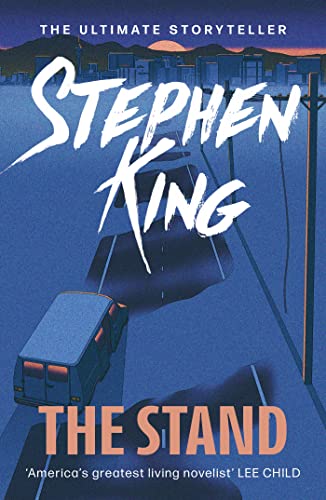
The Stand
Stephen King, 1978
One lab breach, one super-flu, and American civilization gone in weeks. King's pandemic epic is less about the plague than about what people build in the rubble.

This Is How You Lose the Time War
Amal El-Mohtar, Max Gladstone, 2019
Two rival agents in a time-traveling war fall for each other through letters, and the prose is sharp and moving. Short, lush, and worth an evening.

Station Eleven
Emily St. John Mandel, 2014
Most pandemic novels end the world; this one asks what survives it. Mandel's traveling Shakespeare troupe makes the apocalypse feel almost worth attending.
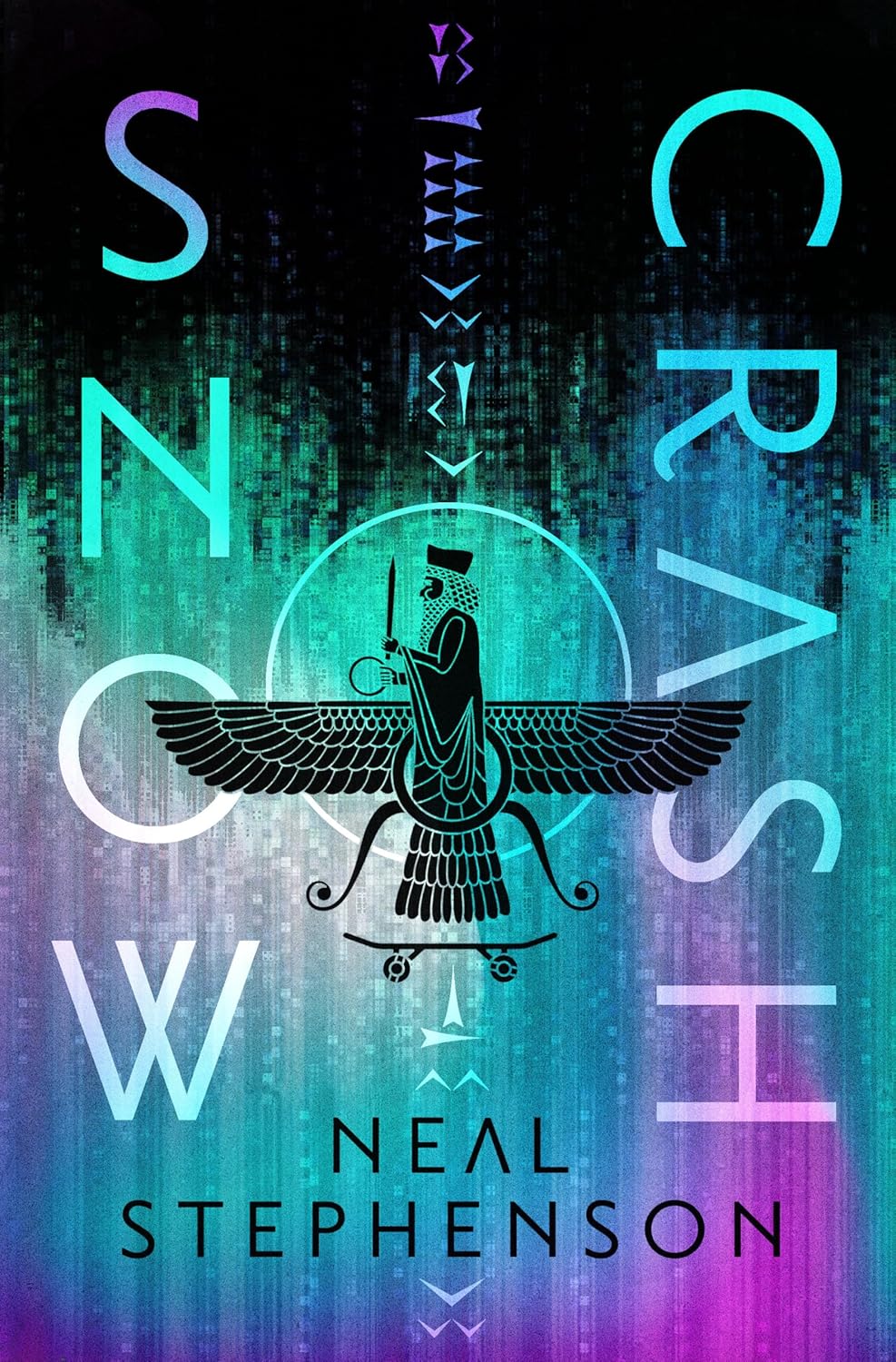
Snow Crash
Neal Stephenson, 1992
Stephenson gave us the Metaverse before it was a buzzword, plus a pizza delivery guy who wields a katana. Loud, funny, and still the cyberpunk blueprint.

Never Let Me Go
Kazuo Ishiguro, 2000
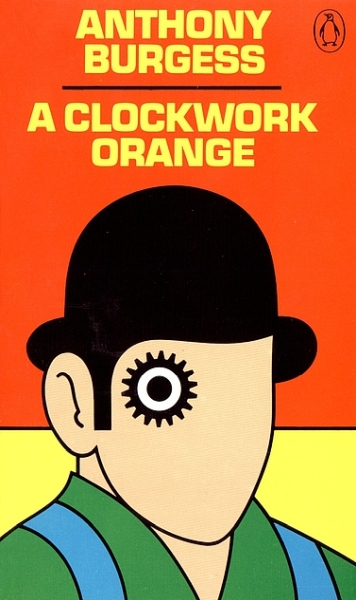
A Clockwork Orange
Anthony Burgess, 1962
Burgess invents a teenage slang to implicate readers in Alex's violence, then asks whether forced goodness counts as goodness at all—a classic exploration of free will.
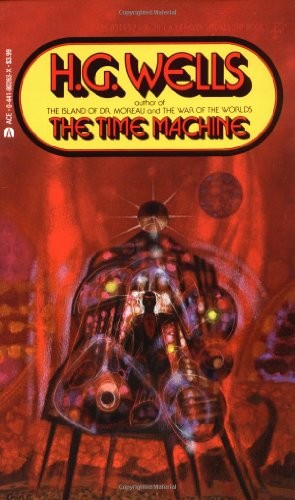
The Time Machine
H. G. Wells, 1895
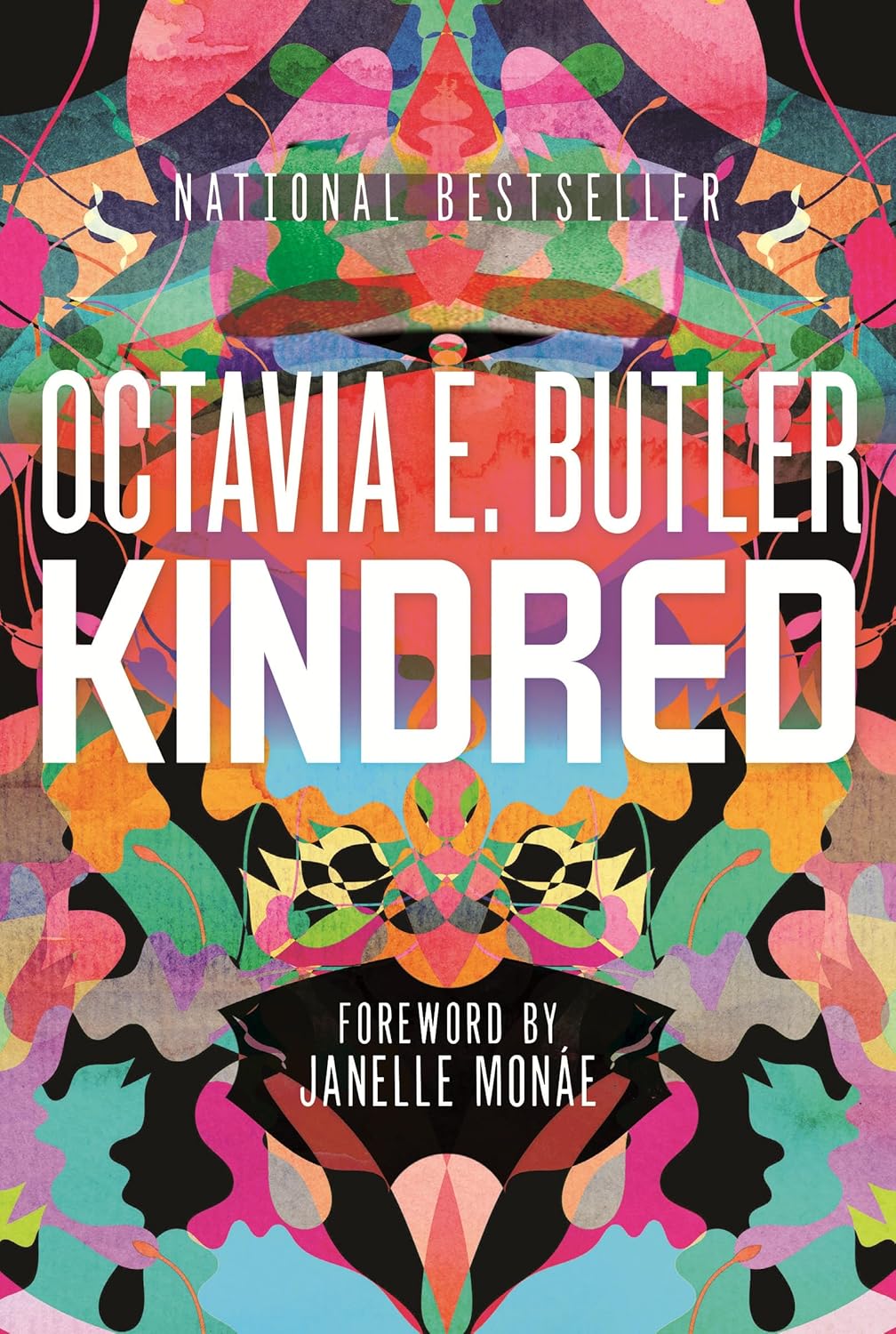
Kindred
Octavia E. Butler, 1979
The Martian Chronicles
Ray Bradbury, 1950

Exhalation
Ted Chiang, 2019

Redshirts
John Scalzi, 2012
Scalzi asks what happens to the expendable crew on a starship where the plot keeps killing them. A funny, clever riff that Trekkies will finish in a weekend.
Childhood's End
Arthur C. Clarke, 1953
Benevolent aliens end war, poverty, and apparently human striving. Clarke asks what a golden age costs, and the answer gets stranger with every page.

Solaris
Stanisław Lem, 1961
The alien here is a planet that studies you back, and Lem's point is that contact may be impossible by design. Read it for the melancholy, not the movie's plot.
Contact
Carl Sagan, 1985
Sagan knew the universe better than almost anyone, and here he imagines what first contact would actually cost us. The science is real; the wonder is earned.
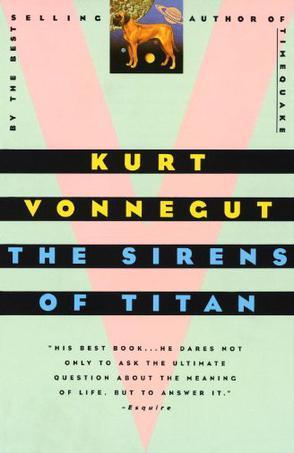
The Sirens of Titan
Kurt Vonnegut, 1959
Esquire called it Vonnegut's best book, and it dares to answer the meaning of life. A mad spin through space with a moralist at the controls.
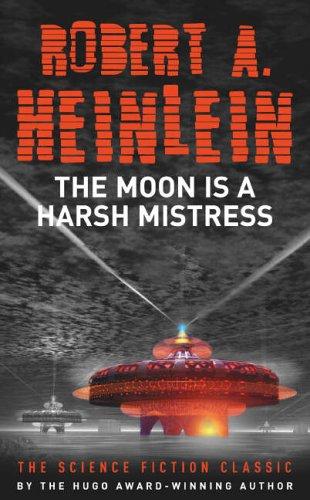
The Moon Is a Harsh Mistress
Robert A. Heinlein, 1963
§ About this list
- Books
- 74
- Published
- 1895–2024
- Average rating
- 4.1 / 5 across 56,266 ratings
- Genres
- Fantasy, Fiction, Science Fiction, Dystopian
Most-rated on The Esquire 75 Best Sci-Fi Books of All Time
- 11984 · George Orwell
Orwell's dystopia of rewritten history and permanent surveillance remains a benchmark for the genre. Decades on, it reads as warning, not period piece.
- 2Project Hail Mary · Andy Weir
A man wakes alone on a spaceship with no memory and only the scientific method for company. Weir drives the amnesia premise with relentless problem-solving.
- 3Dune · Frank Herbert
Common questions about The Esquire 75 Best Sci-Fi Books of All Time
- How many books are on The Esquire 75 Best Sci-Fi Books of All Time?
- The Esquire 75 Best Sci-Fi Books of All Time has 74 books, published between 1895 and 2024.
- Which book on The Esquire 75 Best Sci-Fi Books of All Time is the most popular?
- 1984 by George Orwell is the most-rated book on the list, with 5,983 ratings and a 4.2 average.
- What is the highest-rated book on The Esquire 75 Best Sci-Fi Books of All Time?
- Project Hail Mary by Andy Weir has the highest average rating among the list's books with at least 100 ratings: 4.5 out of 5.
- Where should I start with The Esquire 75 Best Sci-Fi Books of All Time?
- Start with 1984, Project Hail Mary and Dune: the three most-rated books on the list.
- What genres are on The Esquire 75 Best Sci-Fi Books of All Time?
- The books on this list are tagged Fantasy, Fiction, Science Fiction and Dystopian.
Explore: Fantasy · Fiction · Science Fiction · Dystopian