§Collection
The Esquire 75 Best Sci-Fi Books of All Time
Since time immemorial, mankind has been looking up at the stars and dreaming. Those dreams became science fiction—a sprawling genre of distant worlds, artificial intelligence, and ethical questioning. From the pioneering voyages of the 1600s to the genre-defining birth of *Frankenstein* in 1818, sci-fi has evolved into a mirror for our own zeitgeist. As Doris Lessing famously said: > “Science fiction is some of the best social fiction of our time.” For our latest **Summer Fiction Week**, we’ve expanded our net from 50 to **75 essential titles**. We limited the list to one book per author, emphasizing works that “boldly go where no one has gone before.” In ranked order, here are the best science fiction books of all time.

Frankenstein
Michael Burgan, Mary Shelley

Dune
Frank Herbert, 1965
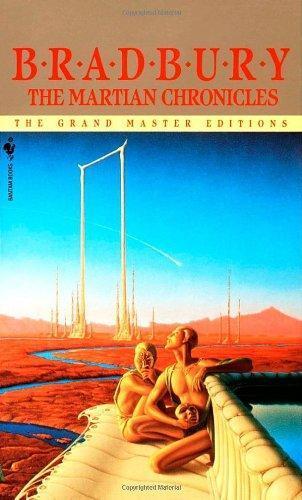
The Martian Chronicles
Ray Bradbury, 1950

The Fifth Season
N. K. Jemisin, 2015
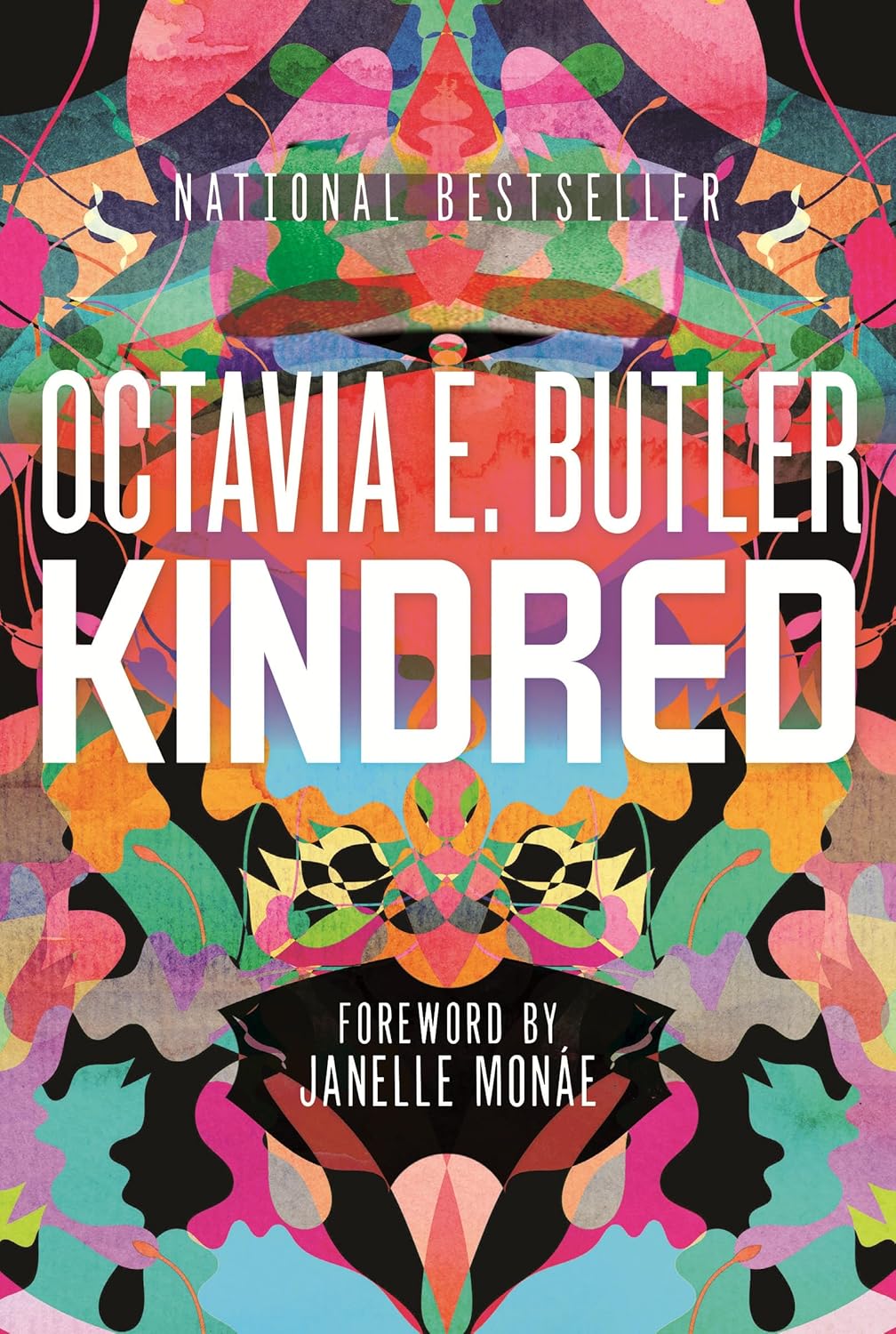
Kindred
Octavia E. Butler, 1979
The Left Hand of Darkness
Ursula K. Le Guin, 1969

Never Let Me Go
Kazuo Ishiguro, 2000

Exhalation
Ted Chiang, 2019

Station Eleven
Emily St. John Mandel, 2014
Most pandemic novels end the world; this one asks what survives it. Mandel's traveling Shakespeare troupe makes the apocalypse feel almost worth attending.
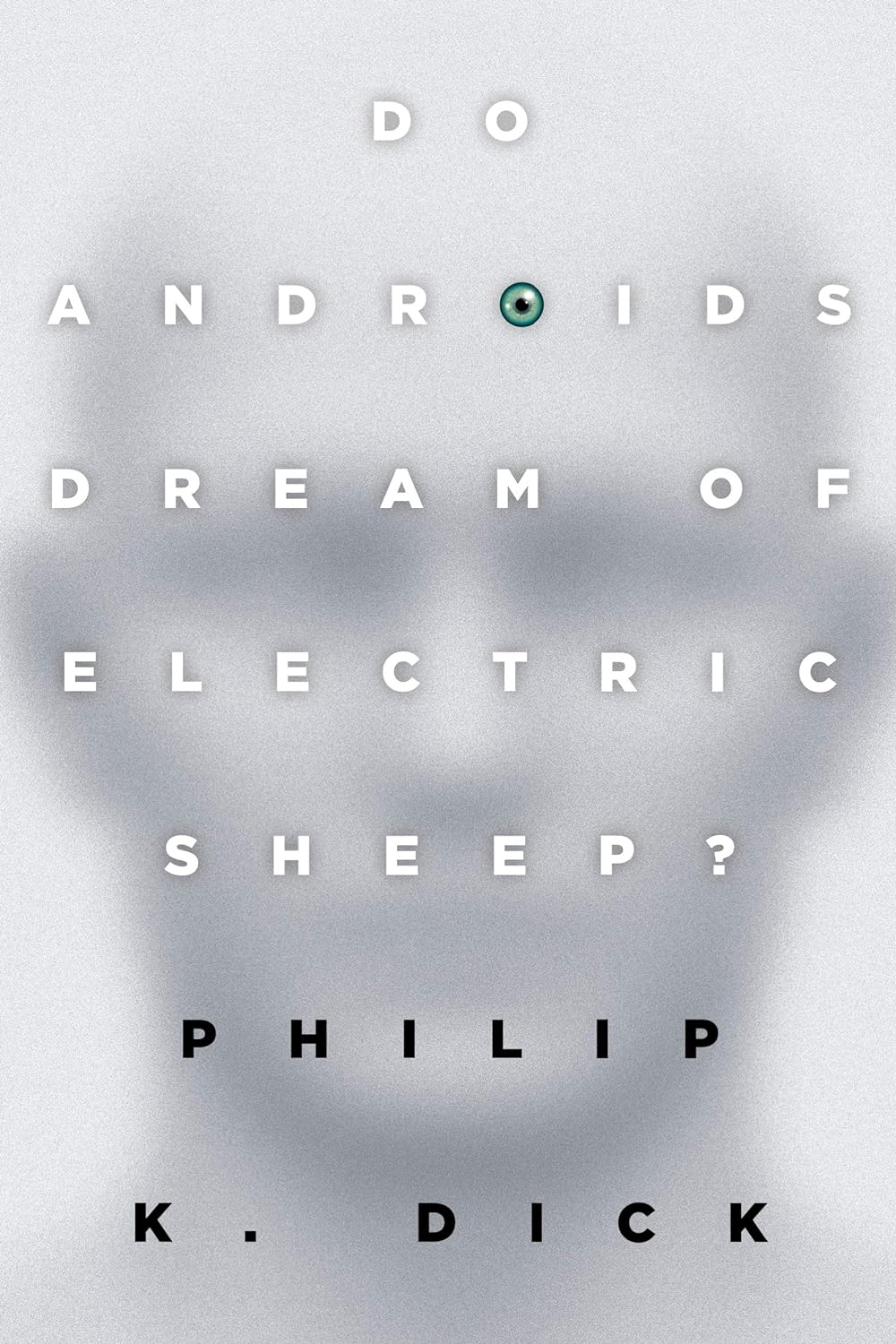
Do Androids Dream of Electric Sheep?
Philip K. Dick, 1968
A world so starved of living things that artificial humans pass unnoticed among us. Dick's melancholy bounty hunt asks a central genre question: what counts as human?

The Three-Body Problem
Cixin Liu, 2006
First contact with a political conscience. Liu sets an alien invasion against the Cultural Revolution, and the result feels like no other first-contact novel on this list.
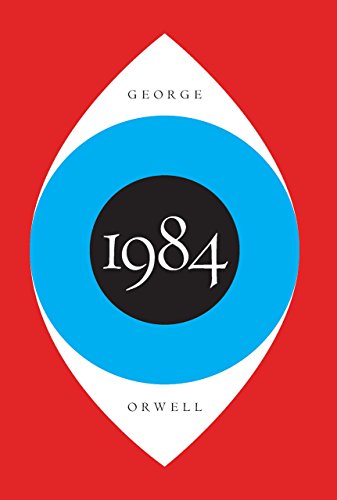
1984
George Orwell, 1949
Orwell's dystopia of rewritten history and permanent surveillance remains a benchmark for the genre. Decades on, it reads as warning, not period piece.
The Employees: A workplace novel of the 22nd century
Olga Ravn, 2018
Ravn tells a voyage through staff memos, and the format works strangely well. Humans and humanoids grow attached to alien objects until mutiny looms.
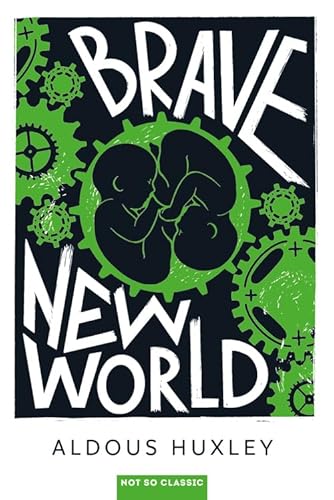
Brave New World
Aldous Huxley, 1930
Huxley's engineered, medicated future is the gentler nightmare, which is the point. Where Orwell forbids, this classic distracts us into compliance.

How to Live Safely in a Science Fictional Universe
Charles Yu, 2010
A time travel technician fixing other people's paradoxes while stuck in his own. Yu turns the genre inside out and finds a family story in the wreckage.
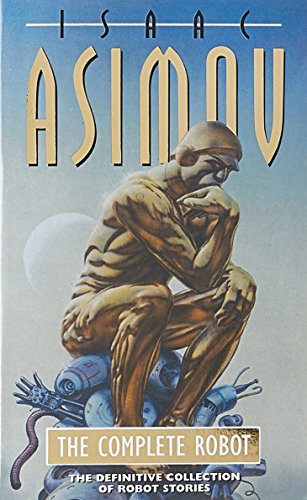
The Complete Robot
Isaac Asimov, 1982
Asimov's Robot stories introduce the Three Laws and continue to influence thinking about machines. Engineers later programmed those laws into real computers, with odd results.
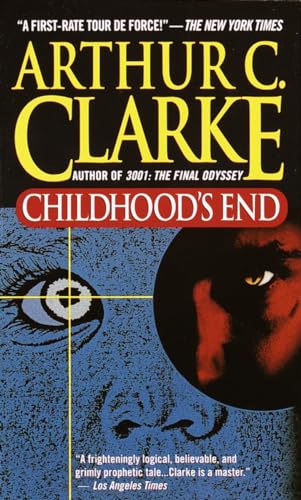
Childhood's End
Arthur C. Clarke, 1953
Benevolent aliens end war, poverty, and apparently human striving. Clarke asks what a golden age costs, and the answer gets stranger with every page.
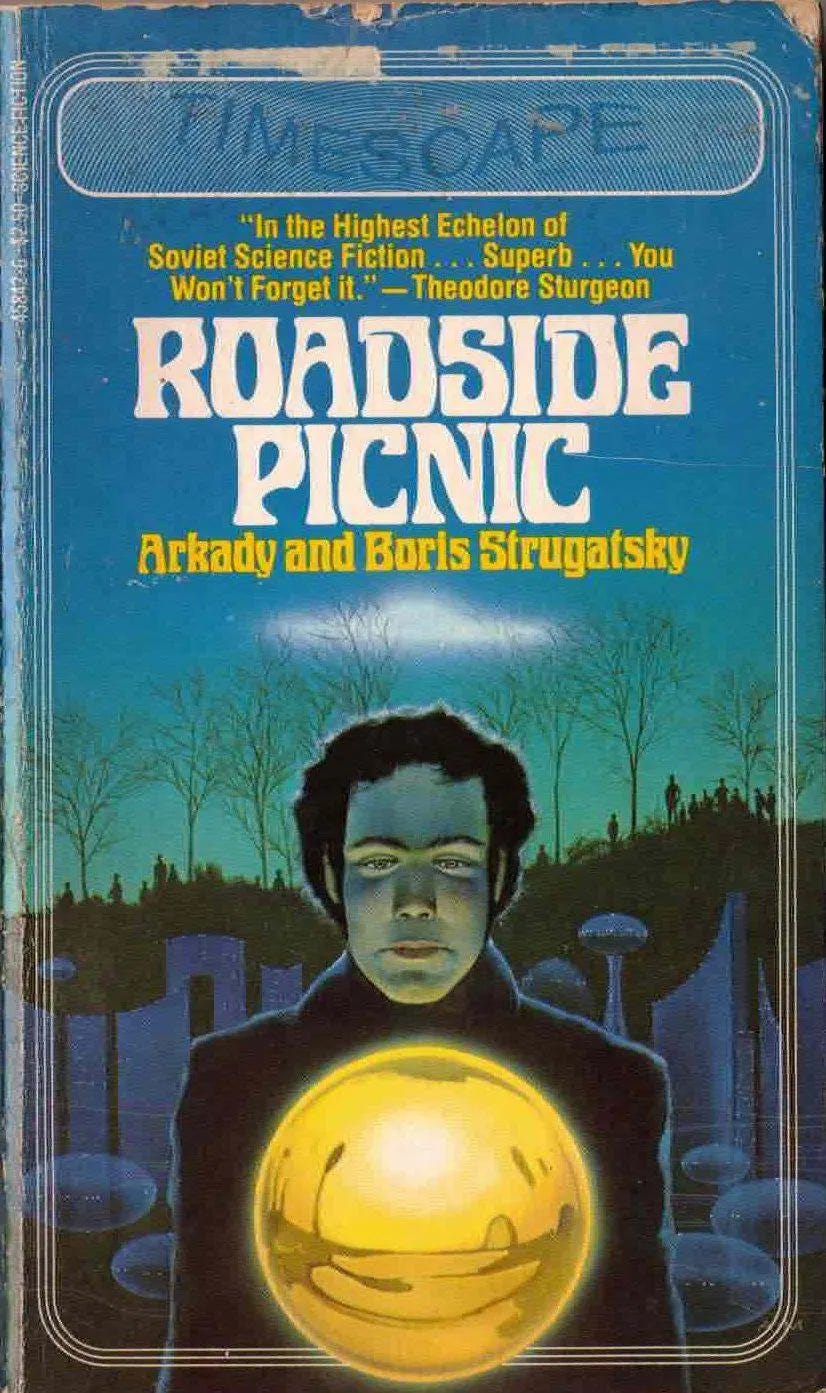
Roadside Picnic
Arkady Strugatsky, Boris Strugatsky, 1972
Aliens came and left, and no one knows why. The Strugatsky brothers' Zone of warped physics inspired Tarkovsky's Stalker and still feels unexplained in the best way.
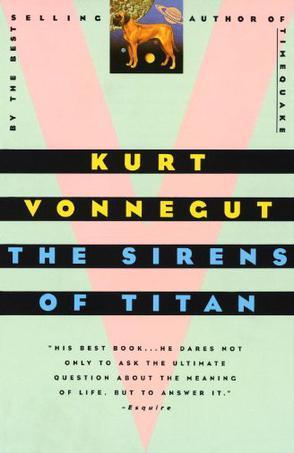
The Sirens of Titan
Kurt Vonnegut, 1959
Esquire called it Vonnegut's best book, and it dares to answer the meaning of life. A mad spin through space with a moralist at the controls.

Shikasta (Canopus in Argos: Archives Series, Book 1): Re-colonised Planet 5
Doris Lessing, 1979
Lessing trades realism for cosmic archives, telling Earth's story through reports from an alien emissary. A Nobel laureate cutting loose is reason enough to look.
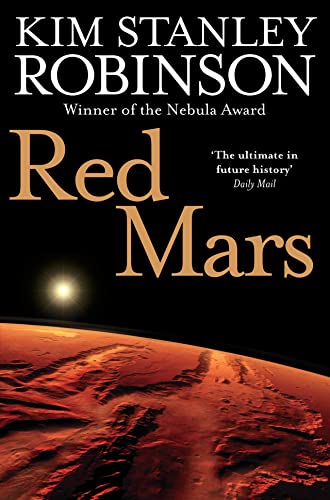
Red Mars
Kim Stanley Robinson, 1992
The colonization novel that treats Mars like a real place with real politics. If you want your interplanetary drama argued over in committee meetings, this is the one.
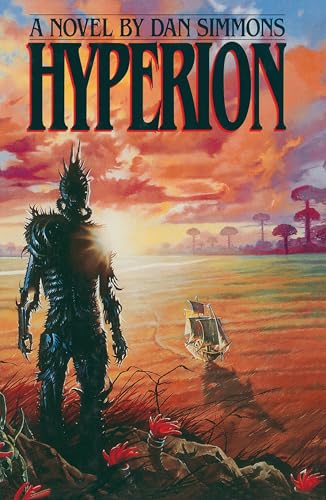
Hyperion
Dan Simmons, 1989
Pilgrims head for a world where tombs move backwards in time, guarded by the Shrike, and Simmons builds a vast civilisation on the brink around them.

Oryx and Crake
Margaret Atwood, 2002
Atwood does apocalypse through the eyes of possibly its last survivor. A love triangle and a biotech catastrophe, told with her usual refusal to look away.

Ammonite
Nicola Griffith, 1992
A planet where a deadly virus killed most colonists and changed the rest, and an anthropologist sent to test a vaccine. Griffith makes first contact a story about becoming someone new.
§ About this list
- Books
- 74
- Published
- 1895–2024
- Average rating
- 4.1 / 5 across 56,266 ratings
- Genres
- Fantasy, Fiction, Science Fiction, Dystopian
Most-rated on The Esquire 75 Best Sci-Fi Books of All Time
- 11984 · George Orwell
Orwell's dystopia of rewritten history and permanent surveillance remains a benchmark for the genre. Decades on, it reads as warning, not period piece.
- 2Project Hail Mary · Andy Weir
A man wakes alone on a spaceship with no memory and only the scientific method for company. Weir drives the amnesia premise with relentless problem-solving.
- 3Dune · Frank Herbert
Common questions about The Esquire 75 Best Sci-Fi Books of All Time
- How many books are on The Esquire 75 Best Sci-Fi Books of All Time?
- The Esquire 75 Best Sci-Fi Books of All Time has 74 books, published between 1895 and 2024.
- Which book on The Esquire 75 Best Sci-Fi Books of All Time is the most popular?
- 1984 by George Orwell is the most-rated book on the list, with 5,983 ratings and a 4.2 average.
- What is the highest-rated book on The Esquire 75 Best Sci-Fi Books of All Time?
- Project Hail Mary by Andy Weir has the highest average rating among the list's books with at least 100 ratings: 4.5 out of 5.
- Where should I start with The Esquire 75 Best Sci-Fi Books of All Time?
- Start with 1984, Project Hail Mary and Dune: the three most-rated books on the list.
- What genres are on The Esquire 75 Best Sci-Fi Books of All Time?
- The books on this list are tagged Fantasy, Fiction, Science Fiction and Dystopian.
Explore: Fantasy · Fiction · Science Fiction · Dystopian