SSansFiction
The libraryCollectionsJournalStatsFor authors
Sign inJoin now
Sansfiction,

A digital library for books. Made by readers, for readers.

v 2.0 · 2026
The library
  • Discover
  • Collections
  • Book tracker
  • Journal
  • Stats
For authors
  • SF Links
  • Analytics
  • How it works
  • FAQ
Elsewhere
  • X / @sansfiction
  • Privacy
  • Terms
  • Contact
© 2026 SansFiction · Digital · GlobalA quiet room for your reading life.
The libraryCollectionsJournalStatsFor authors
Sign inJoin now →
Navigation
Library
Bookshelf
Journal
Discover
Collections
Tierlists
Stats
Profile
Author Page
Link Builder
Account
Sign in
S
G
BooksadventureDune
Cover of Dune by Frank Herbert
№ 1 · Dune Universe (Publication Order)

Dune,

by Frank Herbert, Brian Herbert

Ask AI
Rating4.3/ 5
Ratings4,332
Pages704
Reading Hours15h
Published1965
LanguageEnglish

§Synopsis

01

In a future where humanity has discarded "thinking machines" in favor of the hyper-developed potential of the human mind, power resides in the control of a single resource: the spice melange. Found only on the unforgiving desert world of Arrakis, this substance grants the longevity and prescience necessary to navigate the stars, making it the essential cornerstone of a precarious galactic feudalism. When Duke Leto Atreides is ordered by the Padishah Emperor to seize Arrakis from his sworn enemies, the Harkonnens, he enters a political landscape where the environment is as lethal as the assassins lurking in the shadows.

At the center of this transition is Paul Atreides, the Duke's heir, who is burdened by a genetic legacy he doesn't fully understand and a planet that views him through the lens of ancient, manufactured prophecies. As House Atreides attempts to establish a foothold on the "dune" planet, they must contend with extreme water scarcity, the presence of gargantuan sandworms, and the indigenous Fremen—a people who have adapted to the desert’s brutality through a combination of religious fervor and technological ingenuity. The narrative is a clinical study of how human systems—be they religious, ecological, or political—converge to trap individuals in the currents of history.

The Mechanics of an Alien Ecology

The world of Arrakis is governed by the absolute rule of scarcity. Water is not merely a resource; it is the primary currency and the focal point of all cultural ritual. Herbert constructs a "closed loop" ecology where the survival of the human population depends on stillsuits—specialized garments that reclaim the body's moisture—and a deep understanding of the desert’s apex predator, the Shai-Hulud. The atmosphere is defined by a tension between the clinical, technological requirements of spice mining and the mystical, harsh reality of the deep desert, where the rules of the Imperial Court no longer apply.

Main Characters

  • Paul Atreides: The young ducal heir who possesses nascent prescient abilities and must navigate the burden of being a potential messianic figure.
  • Duke Leto Atreides: A nobleman who attempts to rule through loyalty and "brave administration" while fully aware that he is walking into a political trap.
  • Lady Jessica: Paul’s mother and a member of the Bene Gesserit sisterhood, whose secret training and forbidden choices shape her son’s destiny.
  • Baron Vladimir Harkonnen: The head of a rival house who utilizes economic sabotage and a vast web of spies to orchestrate the downfall of the Atreides.
  • Stilgar: A Fremen leader who represents the pragmatic survivalism and hidden power of the desert-dwelling tribes.

The Education of a Leader

Paul Atreides begins the story not as a warrior, but as a student of history, linguistics, and the "Prana-Bindu" mental disciplines. His development is defined by a shift from theoretical knowledge to the visceral reality of survival. His relationship with his mother, Jessica, is particularly complex; she is both his parent and his instructor in the "Weirding Way," a deadly style of combat. As Paul moves from the lush, water-rich world of Caladan to the arid wastes of Arrakis, his arc focuses on the terrifying realization that his path may be predestined by centuries of genetic manipulation and religious engineering.

Subverting the Hero’s Journey

While Dune utilizes the "Chosen One" trope, it does so to analyze the dangers of such figures. The book explores the "Missionaria Protectiva"—a system where a religious order plants myths on primitive worlds to be used by their members later for protection. This introduces a cynical layer to the protagonist's "destiny," suggesting that heroism is often a manufactured tool of social control. Furthermore, the novel subverts the traditional "civilization vs. nature" trope; here, the "civilized" Great Houses are decaying and stagnant, while the "primitive" Fremen possess the most sophisticated ecological understanding and social cohesion.

§Our take

Is Paul Atreides a hero or a trap? Scholars writing for JSTOR Daily read Dune as a caution against messiahs: a leader's mistakes multiply through followers who stop questioning him. Plenty of readers root for Paul all the way, and the novel supports both readings, because his competence and his followers' surrender of judgment are the same machinery. The desert came first. Herbert started with a 1957 assignment about moving sand threatening Florence, Oregon; the article never ran, but the research became Arrakis, where water scarcity shapes every custom. The Encyclopedia of Science Fiction credits the book mainly with bringing ecology into mainstream SF, and readers say the interlocking politics, religion and environment are its strongest element.

§Themes

Ecology drives the plot
Scarce water shapes Fremen custom, worms and spice form one cycle, and terraforming is both hope and risk.
Wary of messiahs
Scholars read the chosen-one story as a caution about leaders whose followers stop questioning them.
Scheming over swordplay
The tension comes from plotting, long conversations and interior monologue more than constant action.
Empire and exploitation
One academic essay reads the desert culture through orientalist motifs while crediting Herbert's critique of imperial greed. The debate is live.

§How it was received

Early response was mixed and Chilton's first printing sold poorly. The genre's institutions moved faster: it won the first Best Novel Nebula in March 1966 and shared a Hugo with Zelazny's This Immortal. Sales only took off after a cheap 1967 paperback, after which Kirkus reports it became the best-selling science fiction novel in the world.

§Read it if

  • You like invented worlds detailed enough to reward rereading, with politics, religion and ecology built as one system
  • You want a classic whose chosen-one story can read as a warning, not a triumph
  • You don't mind learning a vocabulary as you go

§Skip it if

  • You want momentum early. Readers say the first fifty pages of unexplained terms are the hardest.
  • You'd rather have outside action than interior monologue and long political talk.

§Before you start

Reading experience
slow pace. challenging read. Coined terms arrive unexplained in the opening chapters, and several readers say it opens up after roughly fifty pages. A glossary and appendices are included.
Reading order
First of Herbert's six Dune novels. Many readers treat it as complete on its own and report the sequels decline, though series fans disagree.
Content notes
Frequent violence including assassination attempts, poisoning, combat and war, some reported rather than shown; The spice acts as a drug, enhancing abilities and causing dependence in some characters; Minimal explicit sexual content, but people are treated as breeding stock and sexual slavery is implied.

§Common questions

Standalone, or do I need the whole series?
It's the first of six Dune novels by Frank Herbert, but many readers treat it as readable on its own. Opinions on the sequels split sharply.
Is the start hard going?
Readers in Goodreads discussions report a dense opening with unexplained invented vocabulary, and many say it clicks after about fifty pages.
What age is it for?
Common Sense Media suggests 15 and up, noting substantial violence and drug-related content.

§If you liked this

  • This Immortal by Roger Zelazny — The other 1966 Hugo winner, which Jo Walton contrasted as lean and witty next to Dune's ornate scale.
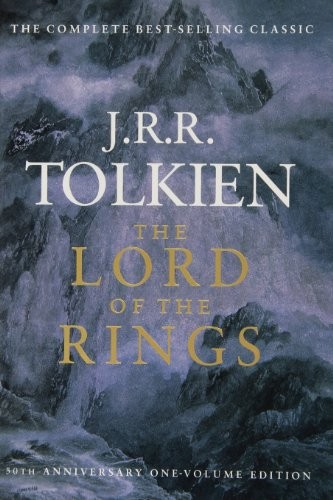
  • The Lord of the Rings by J.R.R. Tolkien — Arthur C. Clarke compared Dune's achievement to Tolkien's world-building, though Tolkien reportedly disliked it.
  • The Wheel of Time by Robert Jordan — One reader notes the Bene Gesserit resemble the Aes Sedai, a mark of Dune's influence on later epic fantasy.
Sources
  • nebulas.sfwa.org
  • reactormag.com
  • en.wikipedia.org
  • kirkusreviews.com
  • sf-encyclopedia.com
  • opb.org
  • daily.jstor.org
  • blogs.kent.ac.uk
  • goodreads.com
  • commonsensemedia.org
  • en.wikipedia.org
  • goodreads.com

Track this book

Add to your library to track progress and write reviews

§Genres

adventure1classics1classics; epic; fantasy; fiction; science fiction; space opera1dystopian1fantasy1fiction1hard science fiction1
§Content Warnings
§Moods
adventurous1challenging1

§About the Author

Frank Herbert
Frank Herbert

22 books in catalog

The desert planet of Arrakis, with its giant sandworms, complex ecology, and political factions vying for control over the spice melange, remains one of the most thoroughly detailed world-building achievements in speculative fiction. American author Frank Herbert introduced this setting in his seminal 1965 novel Dune, creating an expansive universe that transformed epic science fiction by weaving together ecology, philosophy, religion, and political intrigue.

Career & Background

Born in Tacoma, Washington in 1920, Herbert spent his youth in the Pacific Northwest and worked on local newspapers as a teenager. He attended the University of Washington in Seattle and worked a wide variety of jobs throughout his early adult life, including time as a TV cameraman, radio commentator, oyster diver, jungle survival instructor, lay analyst, and creative writing teacher. He also worked as a reporter and later editor of a number of West Coast newspapers before becoming a full-time writer. Herbert began publishing science fiction in 1952 with his short story 'Looking for Something?' in Startling Stories. His research into the Oregon Dunes during the 1950s served as a primary catalyst for his ecological themes. He achieved widespread fame more than ten years later following the serial publication in Analog of 'Dune World' and 'The Prophet of Dune', which were amalgamated into the novel Dune in 1965.

Writing Style & Themes

Herbert's fiction is distinguished by its intricate world-building, ecological awareness, and deep examination of human potential and institutional vulnerability. Rather than relying solely on technological advancement, his narrative focus often centers on human adaptability, psychological conditioning, religious mythmaking, and the perilous consequences of messianic leadership. He frequently explored how harsh environments shape cultures, social structures, and survival strategies, a focus prominently displayed in novels such as Destination: Void and The Jesus Incident alongside his desert sagas.

Major Works

  • Dune — Published in 1965 after being serialized in Analog as 'Dune World' and 'The Prophet of Dune', this novel explores Paul Atreides's journey on the desert planet Arrakis amid feudal galactic politics and ecological struggle.
  • Dune Messiah — The second novel in the series continues the narrative of Paul Atreides, examining the tragic consequences of imperial power and religious fervor.
  • Children of Dune — The third installment focuses on Paul's twin children, Leto II and Ghanima, as they navigate the shifting ecological and political landscape of Arrakis.
  • Destination: Void — A standalone science fiction novel exploring artificial intelligence, human consciousness, and survival aboard a crewed starship.
  • The Jesus Incident — Co-authored with Bill Ransom, this novel expands upon the themes of artificial intelligence, worship, and ecological adaptation on an alien ocean world.

§Featured Series

Dune Universe (Publication Order)

Cover of Dune by Frank Herbert

Dune

Frank Herbert, 1965
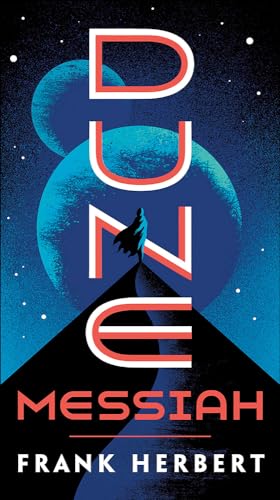
Cover of Dune Messiah by Frank Herbert

Dune Messiah

Frank Herbert, 1965
Cover of Children of Dune by Frank Herbert

Children of Dune

Frank Herbert, 1975
Cover of God Emperor of Dune by Frank Herbert

God Emperor of Dune

Frank Herbert, 1981
Cover of Heretics of Dune by Frank Herbert

Heretics of Dune

Frank Herbert, 1984
Cover of Chapterhouse: Dune by Frank Herbert

Chapterhouse: Dune

Frank Herbert, 1985
Cover of Dune: House Atreides by Brian Herbert, Kevin J. Anderson

Dune: House Atreides

Brian Herbert, 1999
Cover of Dune: House Harkonnen by Brian Herbert, Kevin J. Anderson

Dune: House Harkonnen

Brian Herbert, 2000
Cover of House Corrino by Brian Herbert, Kevin J. Anderson

House Corrino

Brian Herbert, 2001
Cover of Hunting Harkonnens by Brian Herbert, Kevin J. Anderson

Hunting Harkonnens

Brian Herbert, 2002
Cover of Dune: The Butlerian Jihad by Brian Herbert, Kevin J. Anderson

Dune: The Butlerian Jihad

Brian Herbert, 2002
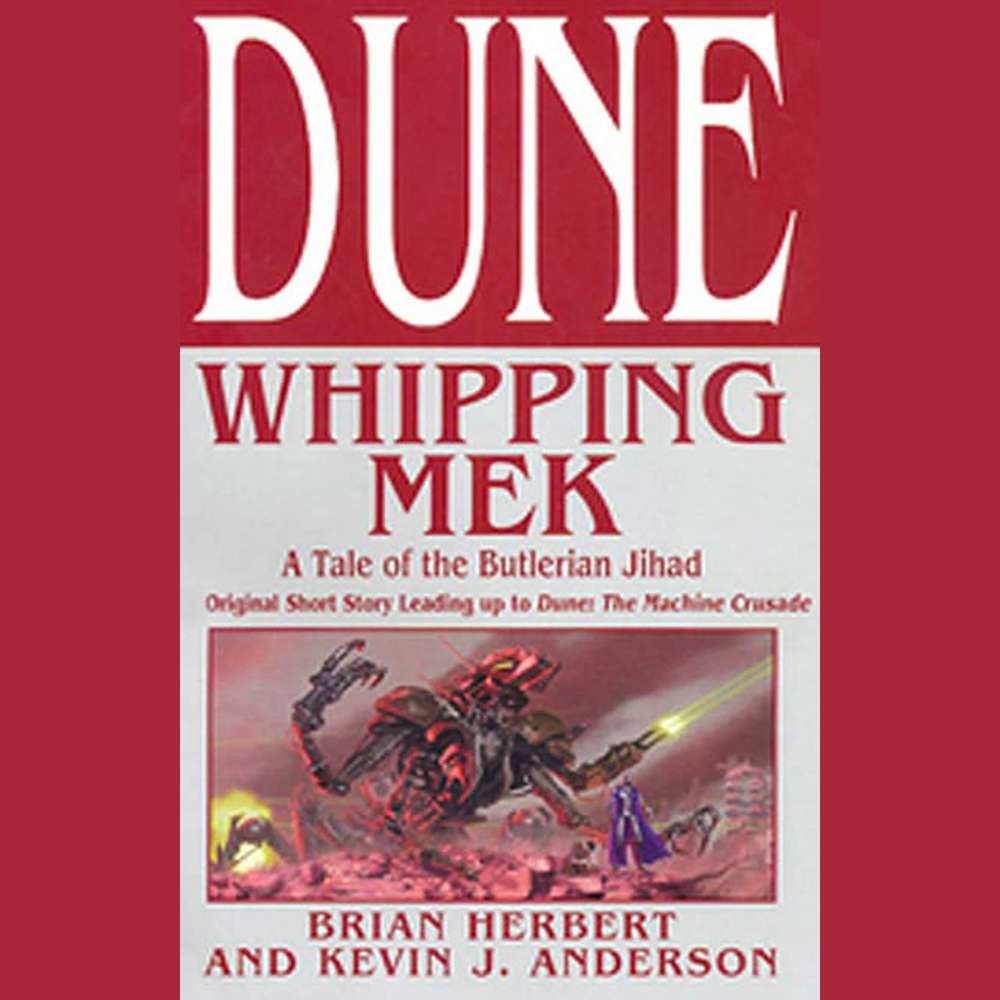
Cover of Whipping Mek by Kevin J. Anderson, Brian Herbert

Whipping Mek

Kevin J. Anderson, 2003
Cover of Children of Dune. God Emporer of Dune by Frank Herbert

Children of Dune. God Emporer of Dune

Frank Herbert, 2004
Cover of The Faces of a Martyr by Brian Herbert, Kevin J. Anderson

The Faces of a Martyr

Brian Herbert, 2004
Cover of Dune: The Battle of Corrin by Brian Herbert, Kevin J. Anderson

Dune: The Battle of Corrin

Brian Herbert, 2004
Cover of The Road to Dune by Brian Herbert, Frank Herbert, Kevin J. Anderson

The Road to Dune

Brian Herbert, 2005
Cover of Hunters of Dune by Brian Herbert, Kevin J. Anderson

Hunters of Dune

Brian Herbert, 2006
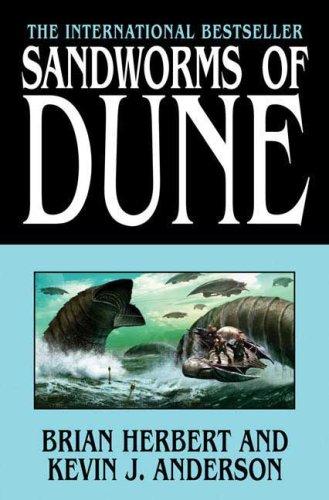
Cover of Sandworms of Dune by Brian Herbert, Kevin J. Anderson

Sandworms of Dune

Brian Herbert, 2007
Cover of Paul of Dune by Brian Herbert, Kevin J. Anderson

Paul of Dune

Brian Herbert, 2008
Cover of The Winds of Dune by Brian Herbert, Kevin J. Anderson

The Winds of Dune

Brian Herbert, 2009
Cover of Tales of Dune by Brian Herbert, Kevin J. Anderson

Tales of Dune

Brian Herbert, 2011
Cover of Sisterhood of Dune by Brian Herbert, Kevin J. Anderson

Sisterhood of Dune

Brian Herbert, 2012
Cover of Mentats of Dune by Brian Herbert, Kevin J. Anderson

Mentats of Dune

Brian Herbert, 2014
Cover of Dune: Red Plague by Brian Herbert, Kevin J. Anderson

Dune: Red Plague

Brian Herbert, 2016
Cover of Dune: The Machine Crusade by Brian Herbert, Kevin J. Anderson

Dune: The Machine Crusade

Brian Herbert, 2003
Cover of Dune: The Duke of Caladan by Brian Herbert, Kevin J. Anderson

Dune: The Duke of Caladan

Brian Herbert, 1978
Cover of Dune: The Lady of Caladan by Brian Herbert, Kevin J. Anderson

Dune: The Lady of Caladan

Brian Herbert, 2021
Cover of Dune: The Heir of Caladan by Brian Herbert, Kevin J. Anderson

Dune: The Heir of Caladan

Brian Herbert, 2022
Cover of Princess of Dune by Brian Herbert, Kevin J. Anderson

Princess of Dune

Brian Herbert, 2023
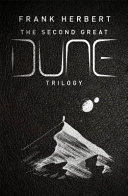
Cover of The Second Great Dune Trilogy by Frank Herbert

The Second Great Dune Trilogy

Frank Herbert, 1987

§Also part of

DuneDune Universe (Chronological)

§Editions

Showing 3 of 217 editions
Cover of Dune: The Gateway Collection

Dune: The Gateway Collection

engebookCollection
Hachette UK20129780575122796
Cover of Dune

Dune

engebook
Gateway20109780575104419
Cover of Dune

Dune

engPaperbackMovie Tie-In
Hodder Paperbacks19659781529347852
§Community Reviews4
Write a review
5.0Paul M
Jan 25, 2026
A timeless sci-fi epic with incredible worldbuilding and political intrigue.
Read full review →
3.0fgbytes.test3
Jan 7, 2026
Great ideas, but the pacing dragged in the middle for me.
Read full review →
5.0fgbytes.test2
Jan 7, 2026
Masterful sci-fi. The ecology and culture feel fully alive.
Read full review →
4.0fgbytes.test1
Jan 7, 2026
Surprisingly dense, but the political tension kept me hooked.
Read full review →
§Genres
adventure1classics1classics; epic; fantasy; fiction; science fiction; space opera1dystopian1fantasy1fiction1hard science fiction1
§Content Warnings
§Moods
adventurous1challenging1

Metadata

ISBN-139780575122796
ISBN-10057512279X
ASINB015EE5JX4

Editions and availability

Find Dune Frank Herbert in PDF, EPUB, ebook, audiobook, print, or library editions.

View on Amazon
Bookshop.orgGoogle Play BooksBarnes & NobleOpen Library

Featured In Lists

Book cover from this collectionBook cover from this collectionBook cover from this collectionBook cover from this collection
Book cover from this collection

The Esquire 75 Best Sci-Fi Books of All Time

74 books
Book cover from this collectionBook cover from this collectionBook cover from this collectionBook cover from this collection
Book cover from this collection

The 31 Best Fantasy Books Everyone Should Read

30 books
Book cover from this collectionBook cover from this collectionBook cover from this collectionBook cover from this collection
Book cover from this collection

NPRs Top 100 Science-Fiction and Fantasy Books of All Time

100 books
Book cover from this collectionBook cover from this collectionBook cover from this collectionBook cover from this collection
Book cover from this collection

Hugo Award for Best Novel (1953 to 2025)

75 books
Book cover from this collectionBook cover from this collectionBook cover from this collectionBook cover from this collection
Book cover from this collection

Hugo Award Best Novel Nominees and Winners ( 1953 - present )

348 books
Book cover from this collectionBook cover from this collectionBook cover from this collectionBook cover from this collection
Book cover from this collection

The Hardcover 2024 Year in Books

248 books
Book cover from this collectionBook cover from this collectionBook cover from this collectionBook cover from this collection
Book cover from this collection

Nebula Award for Best Novel (1965 to 2024)

61 books
Book cover from this collectionBook cover from this collectionBook cover from this collectionBook cover from this collection
Book cover from this collection

Books everyone should read

23 books
Book cover from this collectionBook cover from this collectionBook cover from this collectionBook cover from this collection
Book cover from this collection

100 Greatest Books

98 books
Book cover from this collectionBook cover from this collectionBook cover from this collectionBook cover from this collection
Book cover from this collection

4lit

96 books