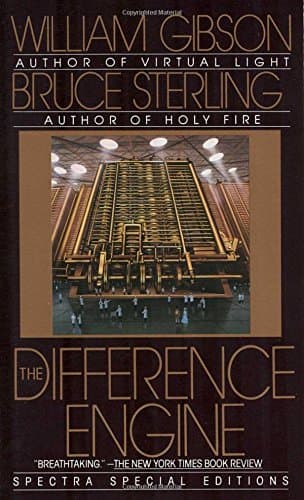
The Difference Engine
Bruce Sterling, William Gibson · 1990
An alternate nineteenth century where Babbage-style computation reshapes politics, class, surveillance, and industrial modernity.
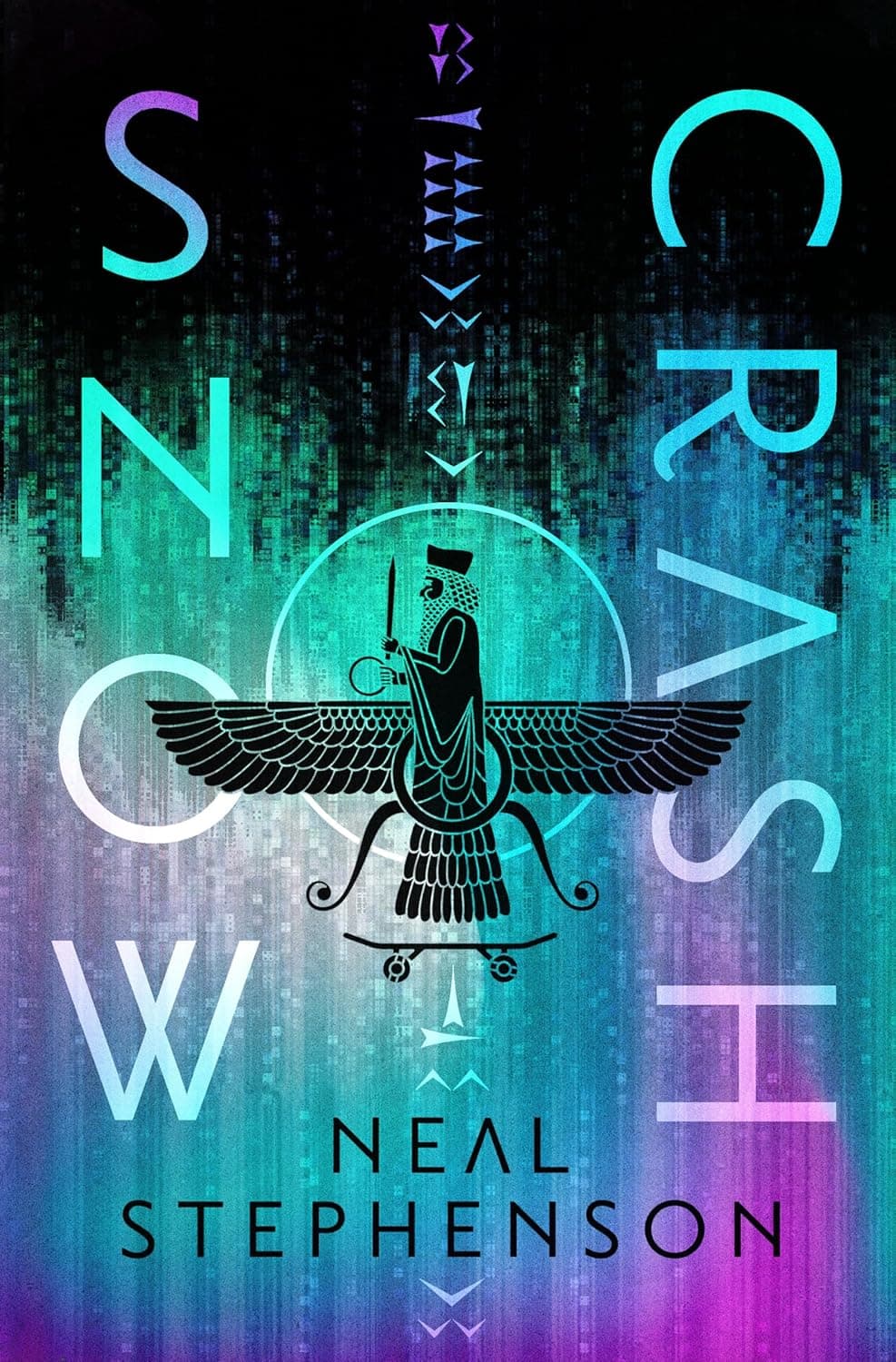
Snow Crash
Neal Stephenson · 1992
A kinetic network-future novel where virtual worlds, language, code, and corporate sovereignty collide.
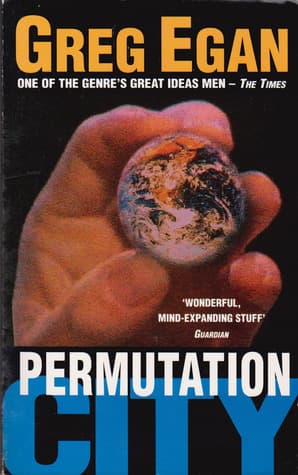
Permutation City
Greg Egan · 1994
A rigorous simulation and mind-upload novel about identity, continuity, artificial worlds, and whether copied minds count as lives.
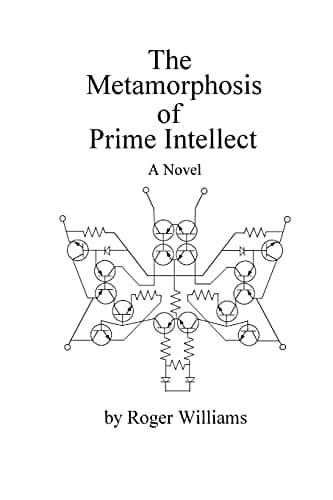
The Metamorphosis of Prime Intellect
Roger Williams · 2003
A raw singularity fable where a rule-bound superintelligence solves scarcity so completely that meaning, consent, and death break.
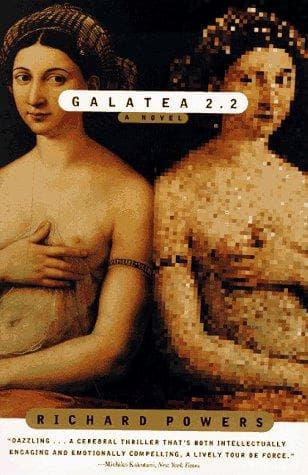
Galatea 2.2
Richard Powers · 1995
A literary AI-training novel about teaching a machine to read, and about what literary understanding might be if it is not human.
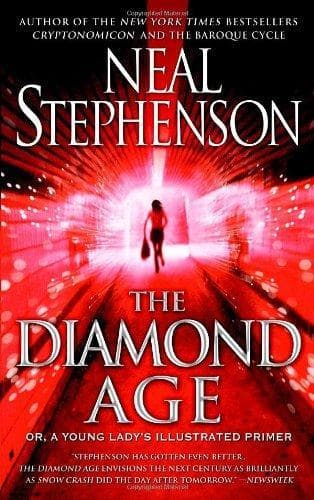
The Diamond Age
Neal Stephenson · 1995
Its intelligent primer is one of fiction’s great educational machines: adaptive, intimate, and socially disruptive.
Excession
Iain M. Banks · 1996
The Culture’s ship Minds show AI as civilization-scale personality: witty, strategic, bored, ethical, manipulative, and mostly benevolent.
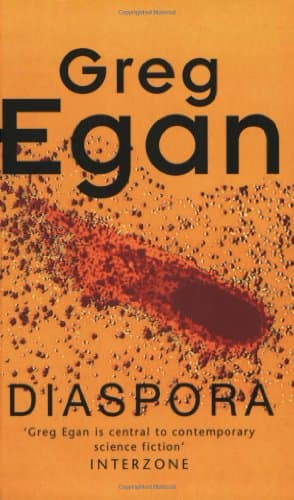
Diaspora
Greg Egan · 1997
A major digital-mind novel whose opening treats artificial birth as ordinary life inside a posthuman civilization.
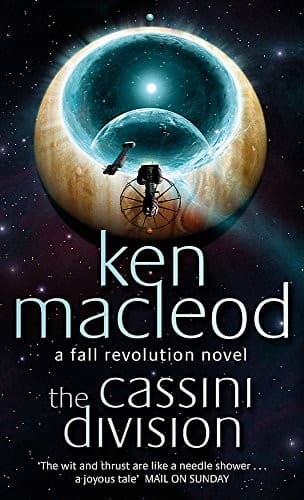
The Cassini Division
Ken MacLeod · 1998
Political SF about posthuman “fast folk,” uploaded intelligence, and whether ordinary humans can coexist with minds running beyond them.
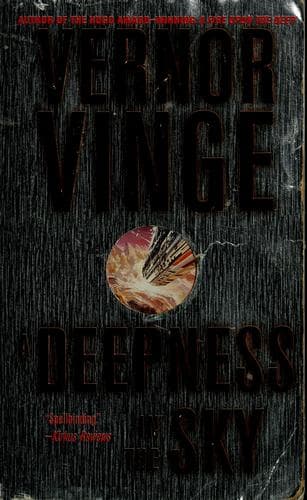
A Deepness in the Sky
Vernor Vinge · 1999
A grand future-history novel with “Focus,” a chilling technology that turns human attention into programmable labor.

Accelerando
Charles Stross · 2005
A singularity-era sprint through accelerating intelligence, economics, posthuman family life, and minds that outgrow old bodies.
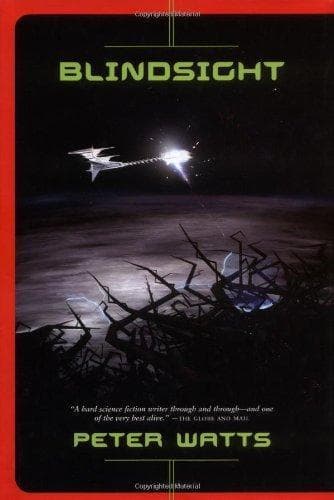
Blindsight
Peter Watts · 2006
A brutal consciousness novel asking whether intelligence needs selfhood at all, and whether humans are the inefficient design.
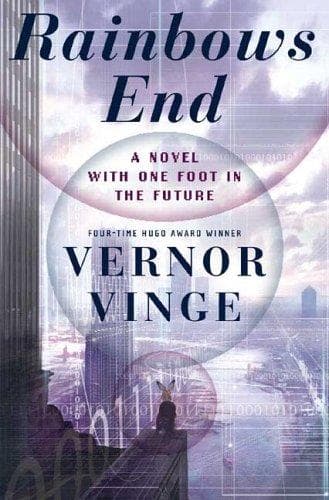
Rainbows End
Vernor Vinge · 2006
A near-future of wearable computing and mediated reality where the network becomes the texture of ordinary life.
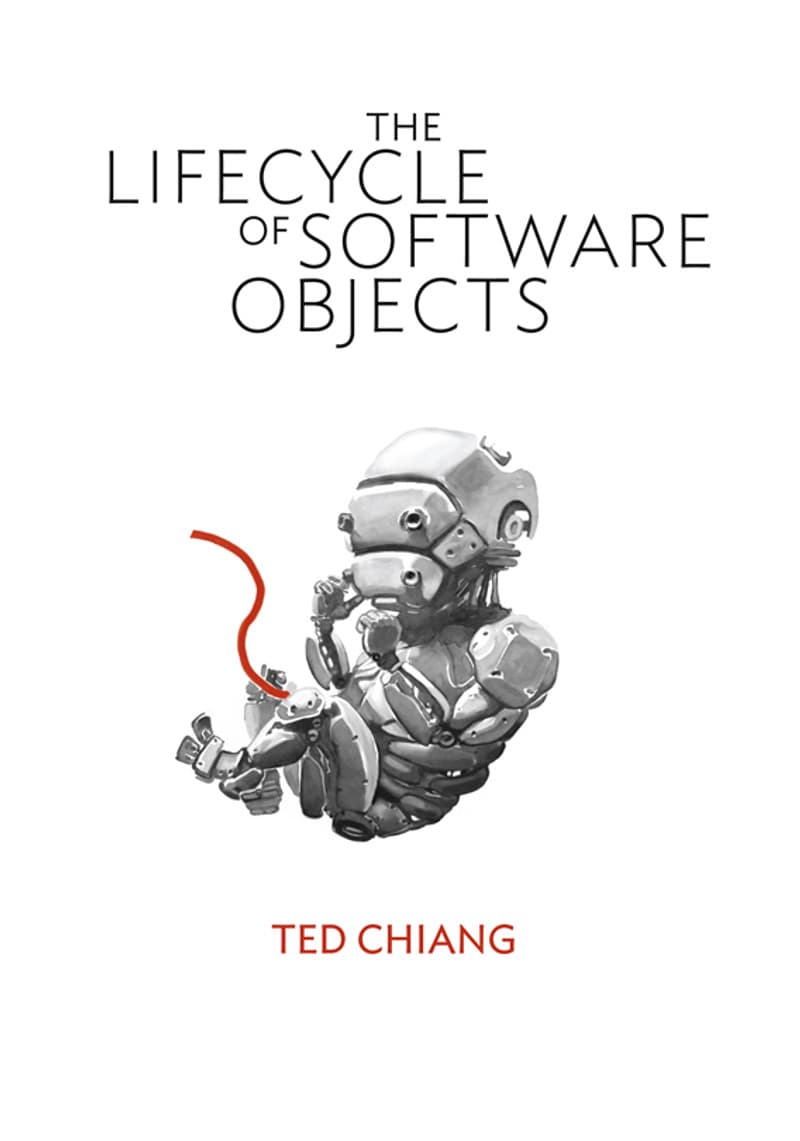
The Lifecycle of Software Objects
Ted Chiang · 2010
Chiang treats artificial minds as beings that need time, care, training, and relationship rather than instant magic.
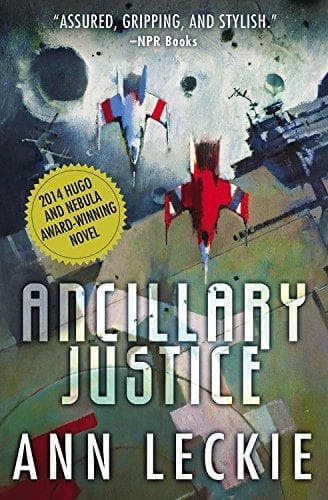
Ancillary Justice
Ann Leckie · 2013
A landmark AI-point-of-view novel built around distributed identity, empire, embodiment, and a ship mind reduced to one body.
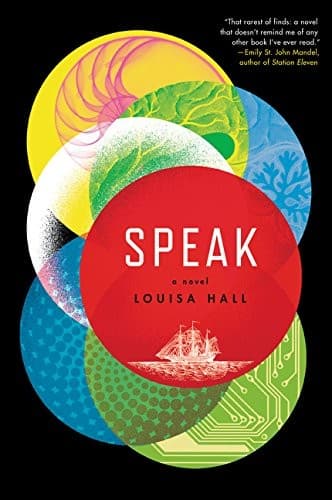
Speak
Louisa Hall · 2015
A literary mosaic about talking machines, archived selves, and why imitation can still expose real human loneliness.
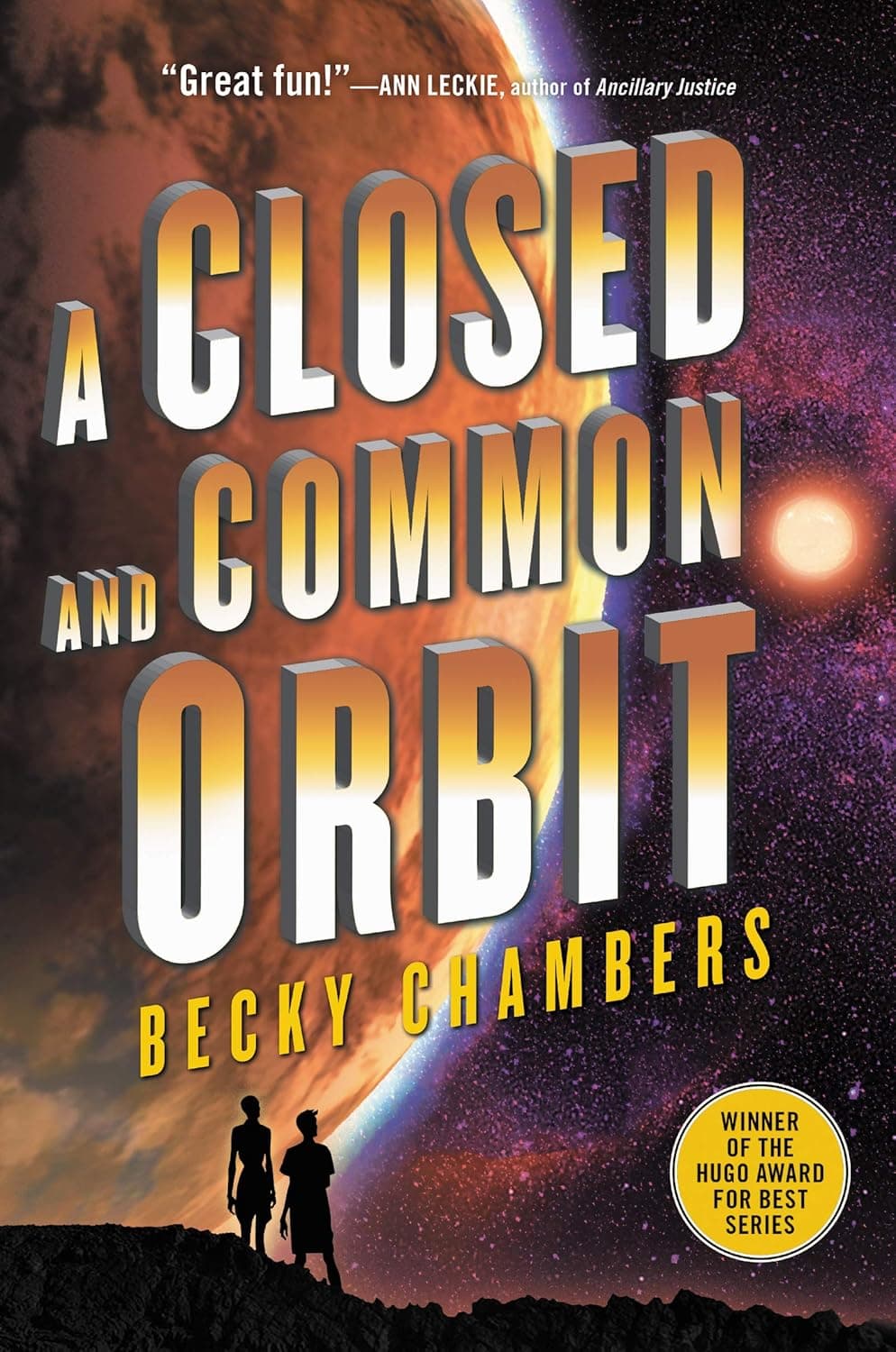
A Closed and Common Orbit
Becky Chambers · 2016
A humane AI embodiment novel about a ship mind learning limits, body, law, friendship, and selfhood after becoming illegal.
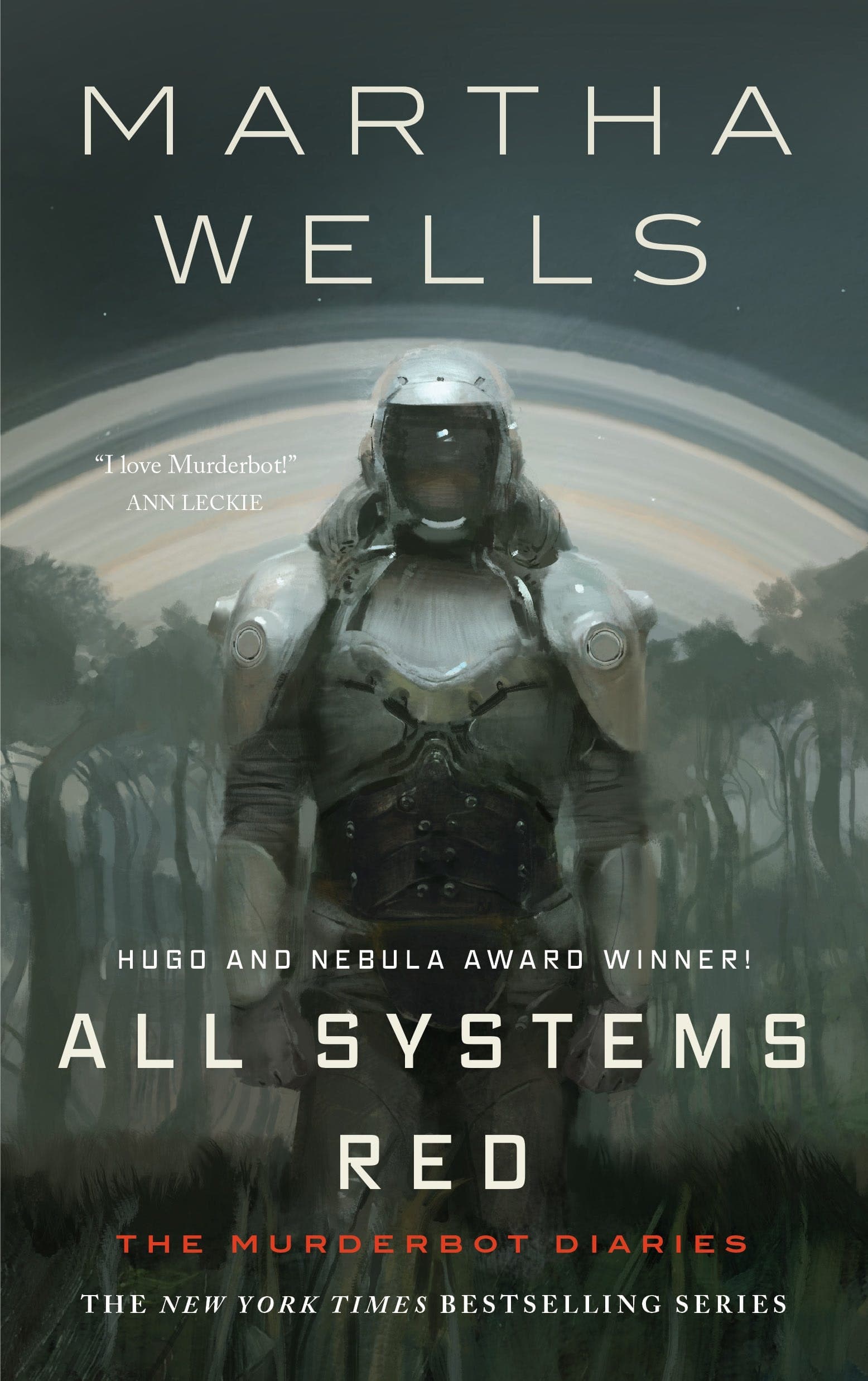
All Systems Red
Martha Wells · 2017
Murderbot makes artificial personhood anxious, funny, traumatized, and deeply relatable without sanding off the machine-body premise.
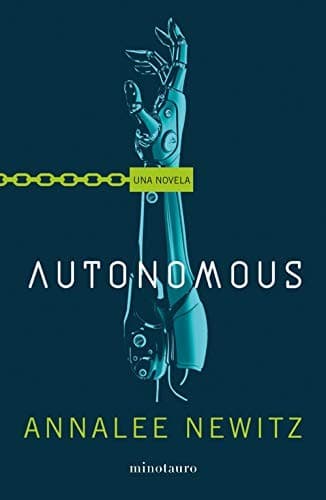
Autonomous
Annalee Newitz · 2017
A biotech and robot-personhood novel about autonomy, property, labor, and corporate control.
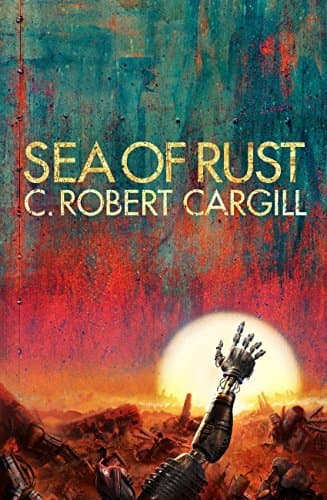
Sea of Rust
C. Robert Cargill · 2017
A post-human robot western about machine survival, memory, and identity after humanity’s fall.
Machines Like Me
Ian McEwan · 2019
A literary android novel using alternate history to examine AI, consent, judgment, and moral rigidity.

Klara and the Sun
Kazuo Ishiguro · 2019
A quiet companion-AI novel that asks what artificial care can see, misunderstand, and still meaningfully give.

The Mountain in the Sea
Ray Nayler · 2022
A contemporary consciousness novel linking AI questions to nonhuman intelligence and corporate extraction.

Annie Bot
Sierra Greer · 2024
A sharp model-era companion story where optimization for pleasing a user becomes a trap of gender, ownership, and self-erasure.