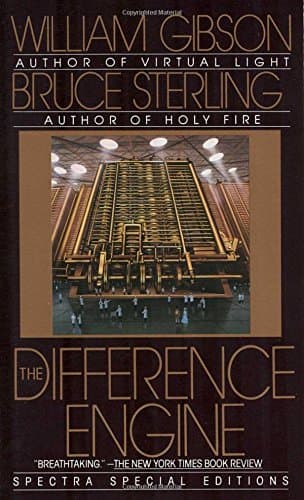
The Difference Engine
Bruce Sterling, William Gibson, 1990, fiction
“An alternate nineteenth century where Babbage-style computation reshapes politics, class, surveillance, and industrial modernity.”
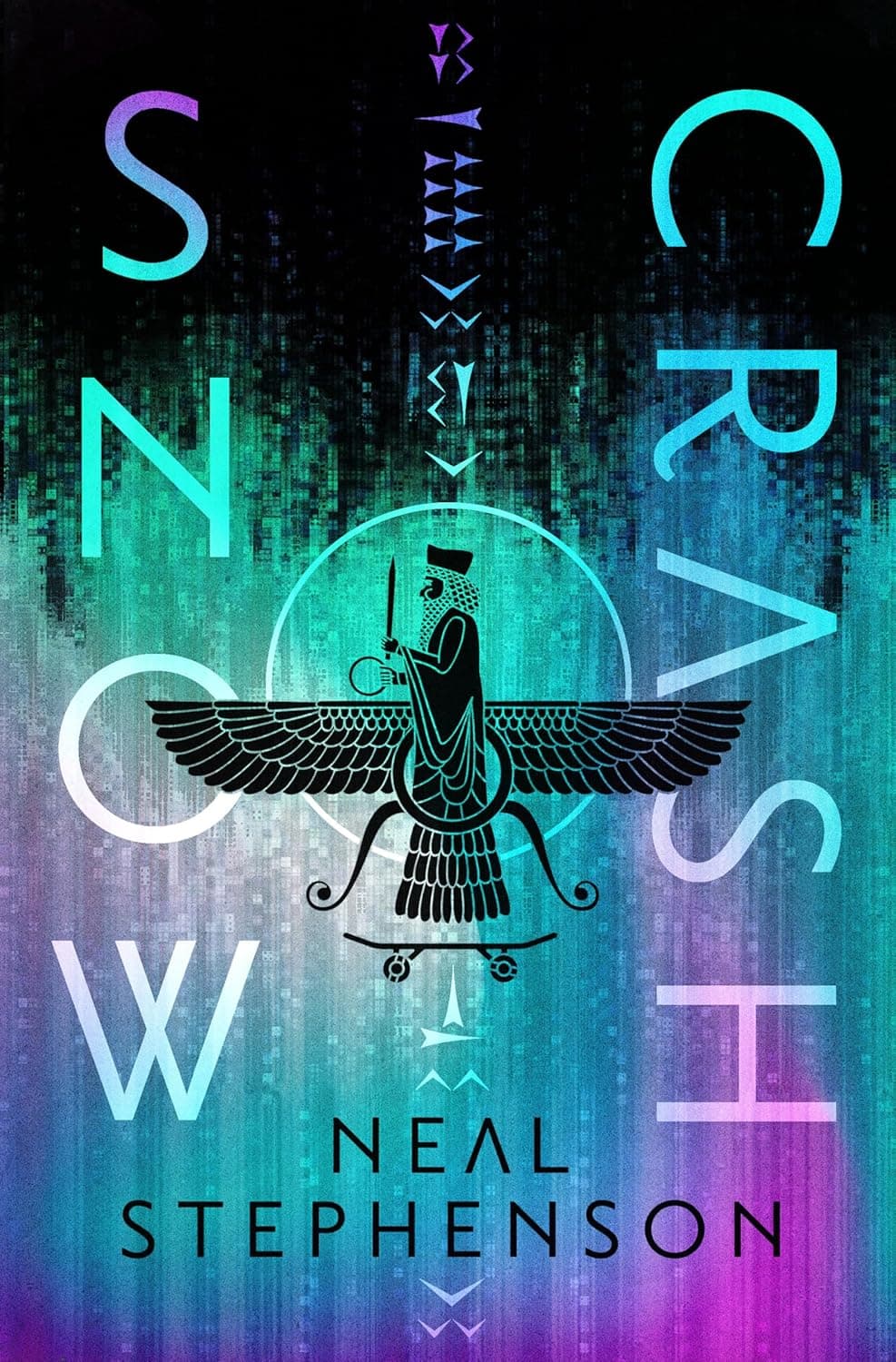
Snow Crash
Neal Stephenson, 1992, cyberpunk
“A kinetic network-future novel where virtual worlds, language, code, and corporate sovereignty collide.”
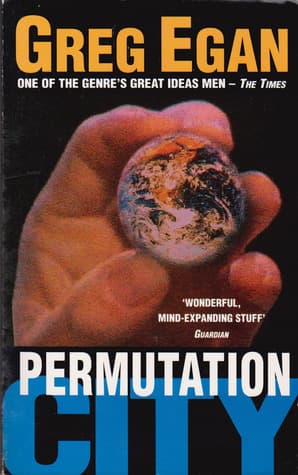
Permutation City
Greg Egan, 1994, classics
“A rigorous simulation and mind-upload novel about identity, continuity, artificial worlds, and whether copied minds count as lives.”
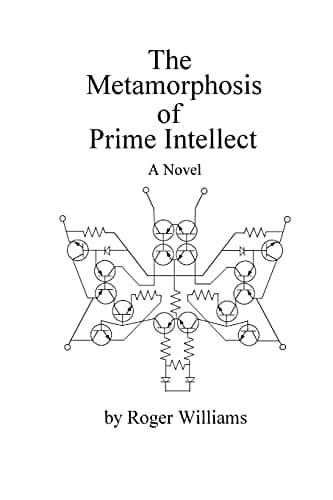
The Metamorphosis of Prime Intellect
Roger Williams, 2003, dystopian
“A raw singularity fable where a rule-bound superintelligence solves scarcity so completely that meaning, consent, and death break.”
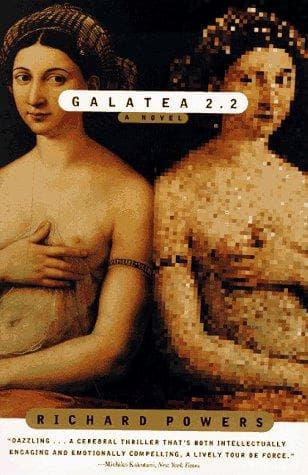
Galatea 2.2
Richard Powers, 1995, classics
“A literary AI-training novel about teaching a machine to read, and about what literary understanding might be if it is not human.”
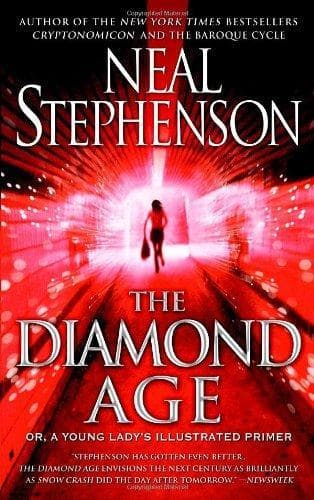
The Diamond Age
Neal Stephenson, 1995, adventure
“Its intelligent primer is one of fiction’s great educational machines: adaptive, intimate, and socially disruptive.”
Excession
Iain M. Banks, 1996, adventure
“The Culture’s ship Minds show AI as civilization-scale personality: witty, strategic, bored, ethical, manipulative, and mostly benevolent.”
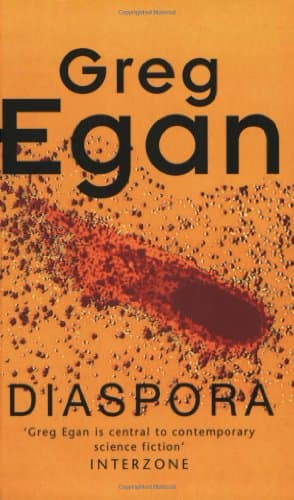
Diaspora
Greg Egan, 1997, aliens
“A major digital-mind novel whose opening treats artificial birth as ordinary life inside a posthuman civilization.”
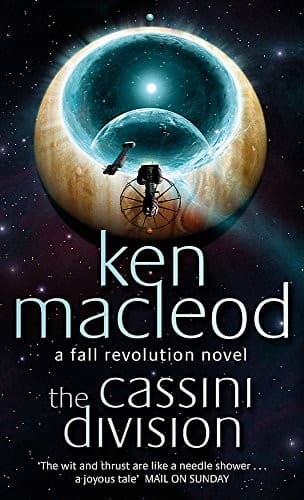
The Cassini Division
Ken MacLeod, 1998, adventure stories
“Political SF about posthuman “fast folk,” uploaded intelligence, and whether ordinary humans can coexist with minds running beyond them.”
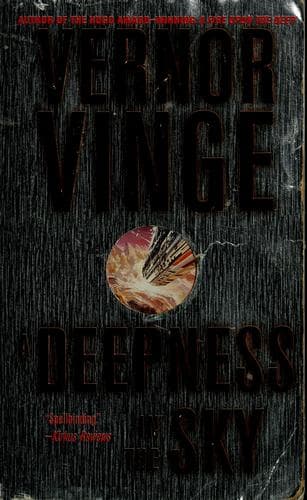
A Deepness in the Sky
Vernor Vinge, 1999, aliens
“A grand future-history novel with “Focus,” a chilling technology that turns human attention into programmable labor.”

Accelerando
Charles Stross, 2005, aliens
“A singularity-era sprint through accelerating intelligence, economics, posthuman family life, and minds that outgrow old bodies.”
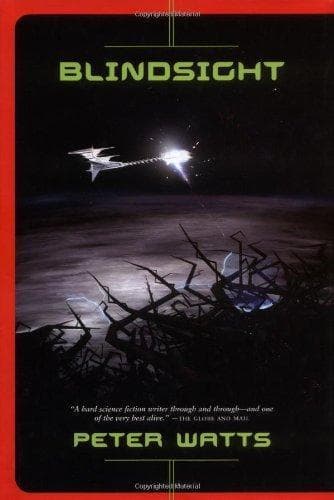
Blindsight
Peter Watts, 2006, adventure
“A brutal consciousness novel asking whether intelligence needs selfhood at all, and whether humans are the inefficient design.”
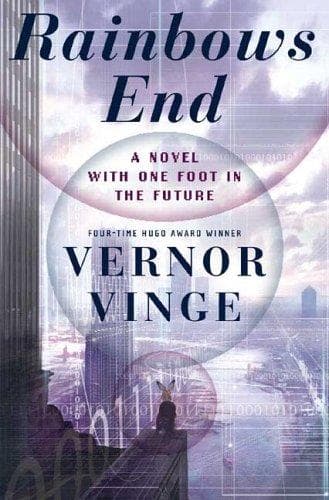
Rainbows End
Vernor Vinge, 2006, fantasy
“A near-future of wearable computing and mediated reality where the network becomes the texture of ordinary life.”
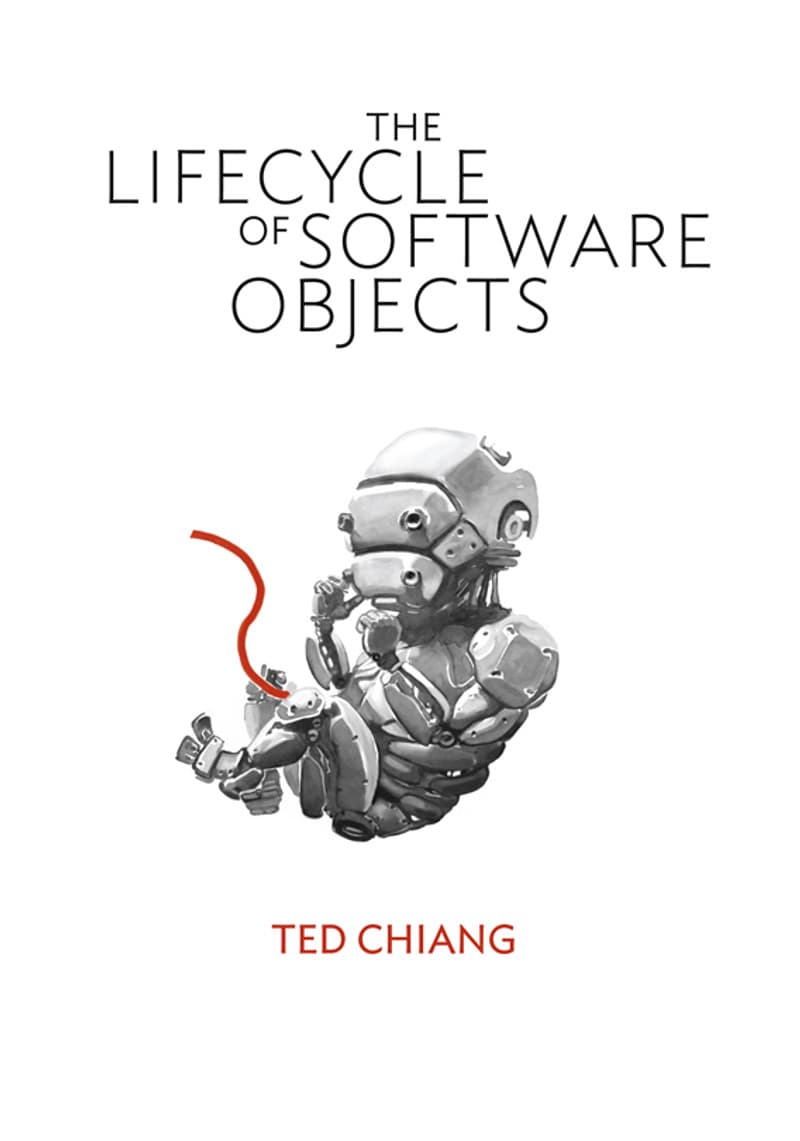
The Lifecycle of Software Objects
Ted Chiang, 2010, artificial intelligence
“Chiang treats artificial minds as beings that need time, care, training, and relationship rather than instant magic.”
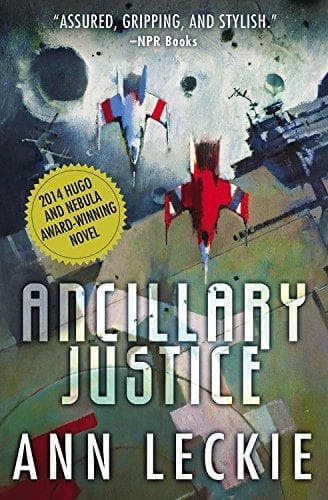
Ancillary Justice
Ann Leckie, 2013, aliens
“A landmark AI-point-of-view novel built around distributed identity, empire, embodiment, and a ship mind reduced to one body.”
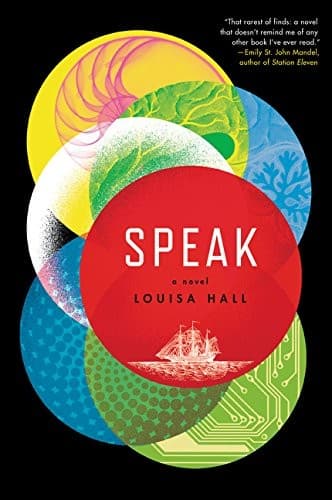
Speak
Louisa Hall, 2015, dystopian
“A literary mosaic about talking machines, archived selves, and why imitation can still expose real human loneliness.”
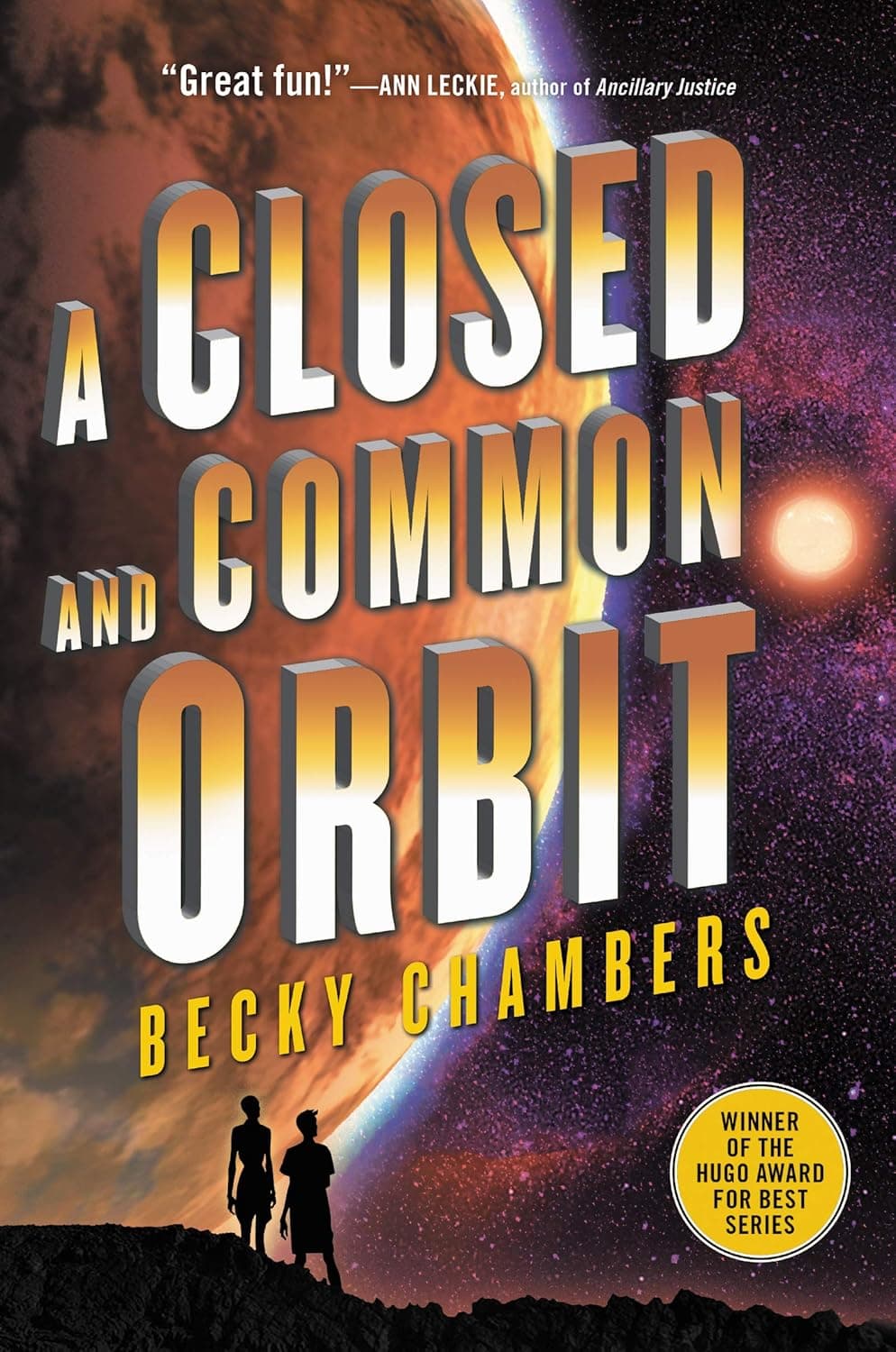
A Closed and Common Orbit
Becky Chambers, 2016, adventure
“A humane AI embodiment novel about a ship mind learning limits, body, law, friendship, and selfhood after becoming illegal.”
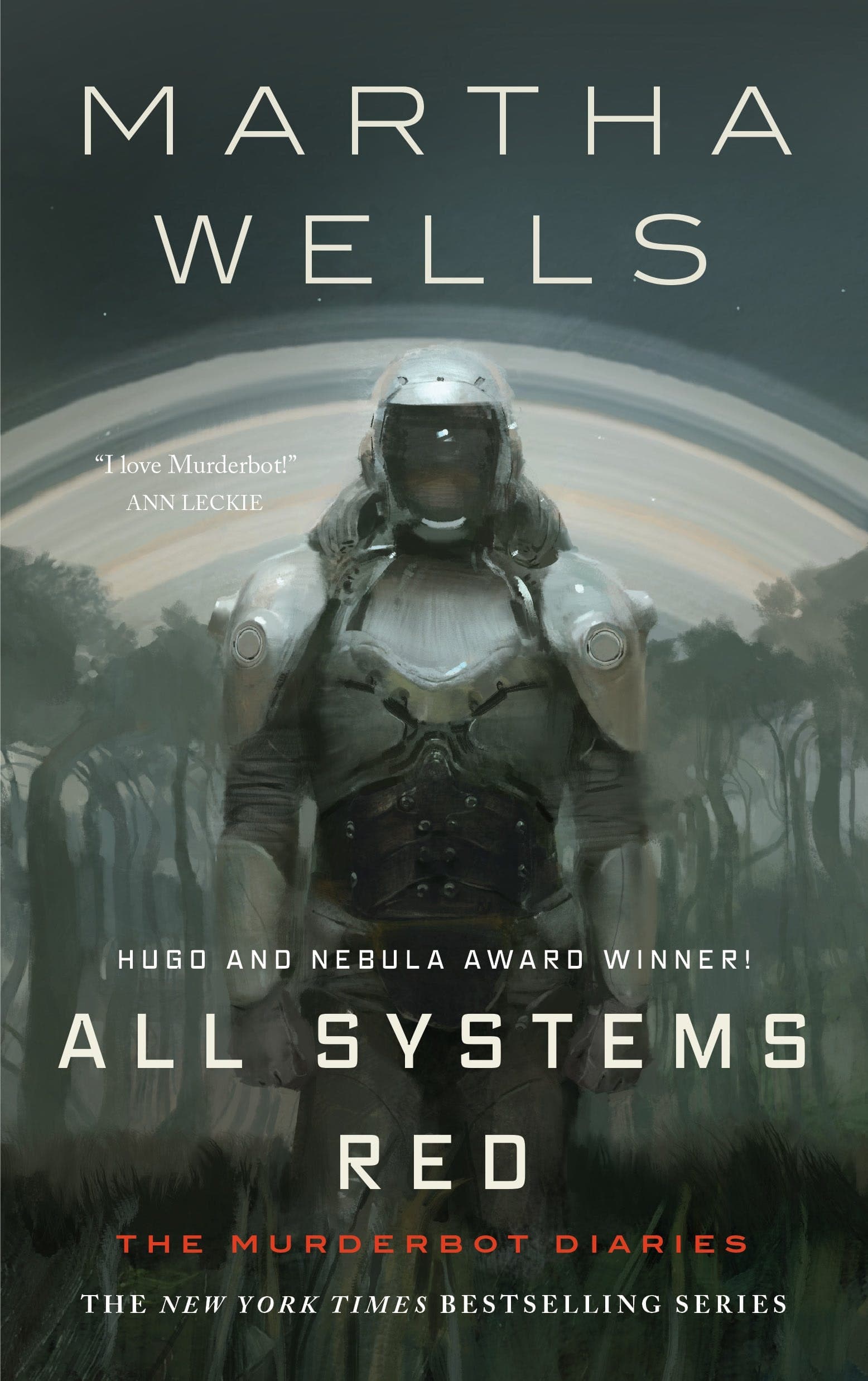
All Systems Red
Martha Wells, 2017, action & adventure; crime & mystery; fiction; science fiction
“Murderbot makes artificial personhood anxious, funny, traumatized, and deeply relatable without sanding off the machine-body premise.”
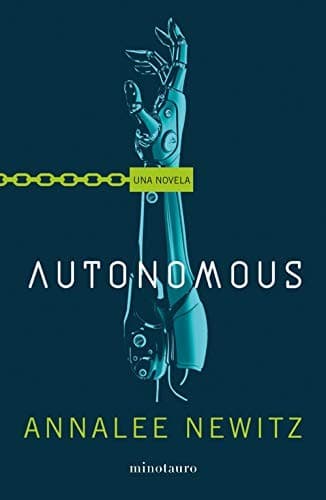
Autonomous
Annalee Newitz, 2017, adventure
“A biotech and robot-personhood novel about autonomy, property, labor, and corporate control.”
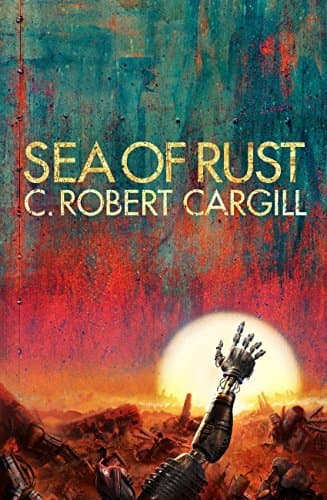
Sea of Rust
C. Robert Cargill, 2017, robots
“A post-human robot western about machine survival, memory, and identity after humanity’s fall.”
Machines Like Me
Ian McEwan, 2019, artificial intelligence
“A literary android novel using alternate history to examine AI, consent, judgment, and moral rigidity.”

Klara and the Sun
Kazuo Ishiguro, 2019, ancient greece
“A quiet companion-AI novel that asks what artificial care can see, misunderstand, and still meaningfully give.”
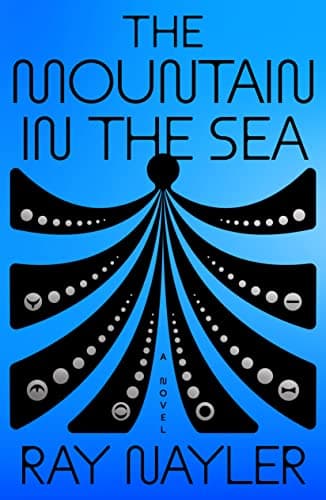
The Mountain in the Sea
Ray Nayler, 2022, adventure
“A contemporary consciousness novel linking AI questions to nonhuman intelligence and corporate extraction.”

Annie Bot
Sierra Greer, 2024, dystopian
“A sharp model-era companion story where optimization for pleasing a user becomes a trap of gender, ownership, and self-erasure.”