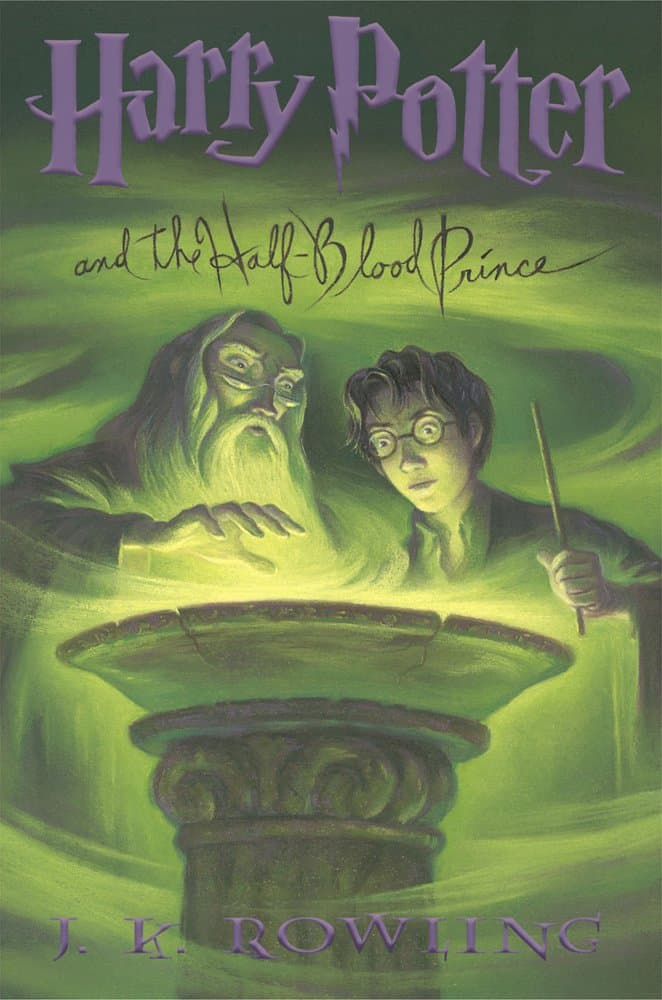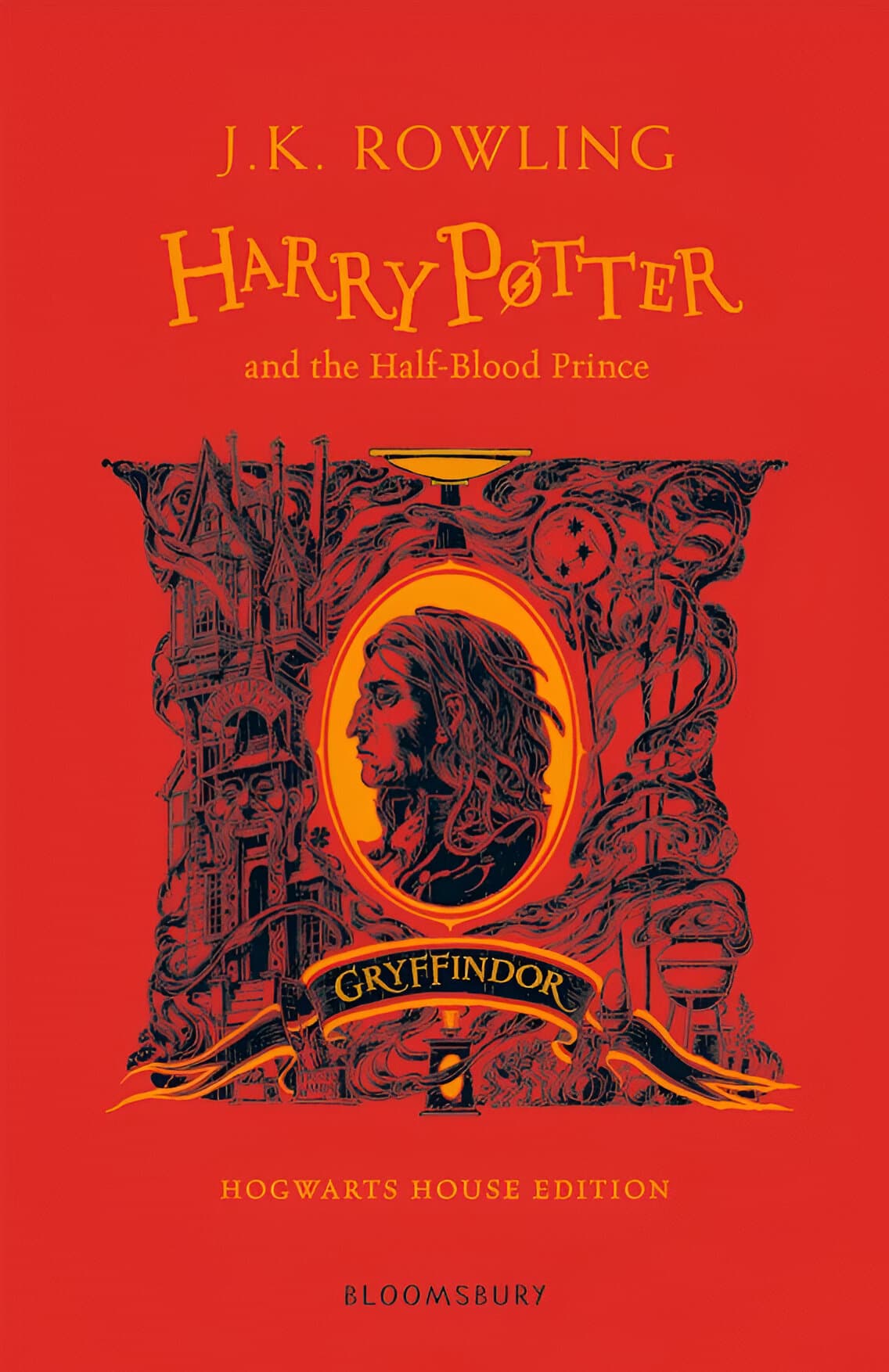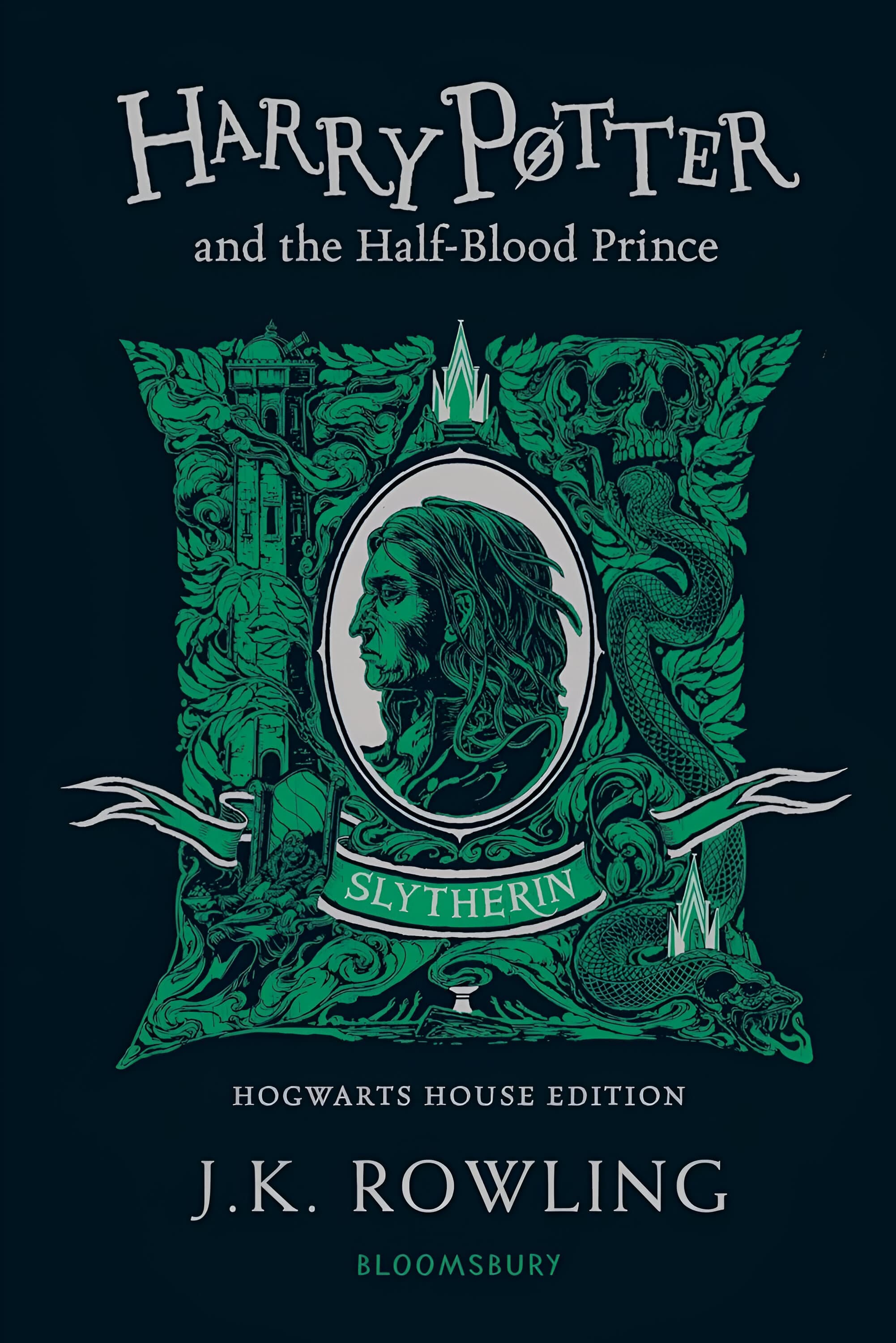
№ 6 · Harry Potter
As the sixth year at Hogwarts begins, the boundary between the magical and mundane worlds has finally collapsed. No longer confined to the shadows, the return of Lord Voldemort has plunged both realms into a state of visible terror, where disappearances and inexplicable disasters have become the new currency of daily life. For Harry Potter, the shift is internal as much as it is external; he is no longer just a student surviving yearly encounters with darkness, but a young man being systematically prepared by Albus Dumbledore for an inevitable, final confrontation.
This preparation takes the form of a forensic investigation into the past. By utilizing the Pensieve to navigate the fragmented memories of those who knew the young Tom Riddle, Harry begins to understand that the key to defeating his enemy lies in the psychological architecture of the Dark Lord’s origins. Amidst this high-stakes tutelage, Harry finds an unlikely edge in the form of a weathered Potions textbook once belonging to the mysterious "Half-Blood Prince," whose handwritten marginalia offers a shortcut to mastery that is as seductive as it is concerning.
The world-building in this installment shifts from the wonder of discovery to the grim mechanics of a society at war. Hogwarts, once a sanctuary, is now a fortress protected by ancient enchantments and rigorous security checkpoints. The atmosphere is thick with suspicion, reflecting a "state of exception" where the Ministry of Magic struggles to maintain order against an enemy that uses infiltration and fear rather than open battlefield tactics. This transition highlights the fragility of the wizarding world’s institutions, showing how the leak of dark magic into the Muggle world forces the magical community to confront its own isolation and the consequences of its hidden history.
The protagonist's development moves away from reactionary survival and toward proactive discipline. Harry’s relationship with Dumbledore evolves from a distant mentorship into a complex partnership, characterized by private lessons that prioritize intellectual detective work over combat training. Simultaneously, the social fabric of the "Golden Trio" is tested by the onset of late-adolescent romantic tensions. As Ron and Hermione navigate the clumsy, often painful complexities of jealousy and attraction, Harry finds himself increasingly isolated by his unique responsibilities. This personal growth is mirrored in the shifting arc of Draco Malfoy, who moves from the role of a schoolyard antagonist to a shadowed figure burdened by a terrifying, high-stakes mission that he is ill-prepared to handle.
The narrative skillfully utilizes the "Mystery Textbook" trope to examine the morality of power. The Half-Blood Prince’s notes provide Harry with immediate success and status, yet they bypass the fundamental understanding required for magical mastery, creating a dilemma between convenience and ethics. Furthermore, the story subverts the "Chosen One" archetype by focusing on historical research. Rather than acquiring a legendary weapon, Harry must engage in the meticulous study of Voldemort’s lineage and character flaws. This emphasizes the theme that understanding an enemy’s humanity—however distorted it may be—is a prerequisite for dismantling their power, blending elements of a gothic mystery with a traditional coming-of-age tale.
The Voldemort backstory is the most praised thing here, but readers and critics disagree about what it adds up to. Nilanjana Roy, reviewing in 2005, found the explanation of the villain's motives too simple, a bit of pop psychology; other readers love seeing him humanized. Structure is the other sore spot: Ben Hourigan called the long school-year middle meandering, with the action crammed into the last hundred pages, and a release-week Dragonpage review accepted that the book's main job is setting up volume seven. Librarian Sondra Eklund ranked it second in the series for the humor and a Dumbledore who mentors actively instead of explaining everything at year's end. In reader communities some rank it their favorite for the backstory and emotional payoff, others rank it last for the slow setup.
Add to your library to track progress and write reviews
Professional notices ran from mixed to glowing. The Christian Science Monitor's Yvonne Zipp praised Harry's maturity while warning parents about intense scenes, and Roy found the villain psychology thin. Readers voted it Book of the Year at the 2005 Quill Awards, and a wire report says it took book of the year at the 2006 British Book Awards, a contrast with the divided professional response. Reader reviews themselves split sharply over its pacing and its job as setup.
Find Harry Potter and the Half-Blood Prince J.K. Rowling in PDF, EPUB, ebook, audiobook, print, or library editions.
Harry Potter
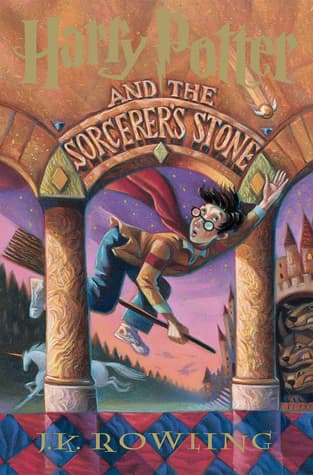
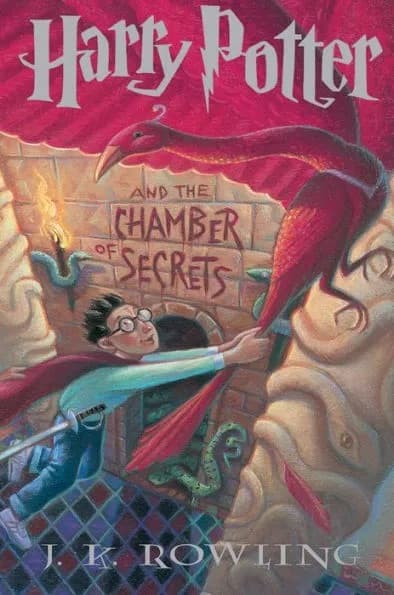
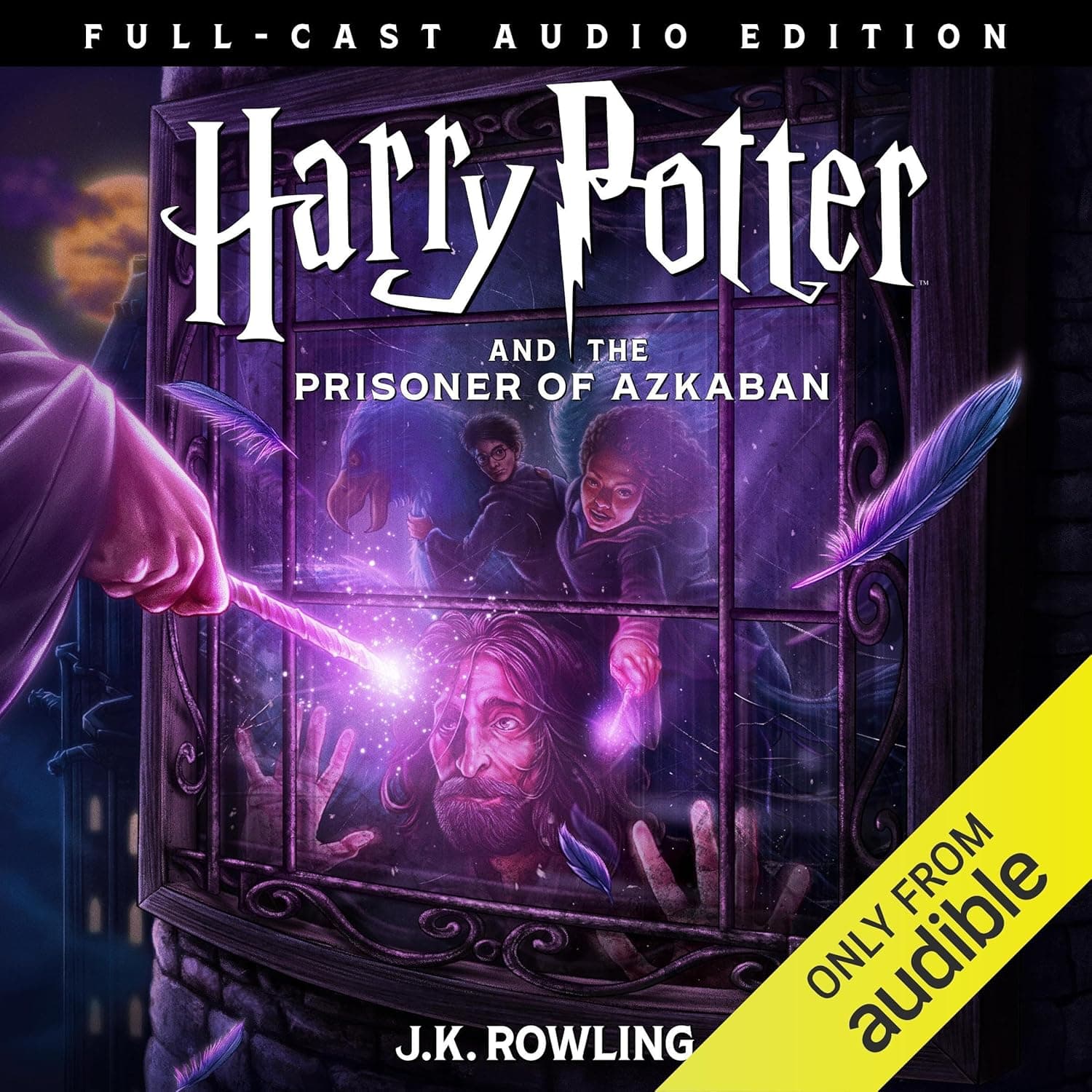
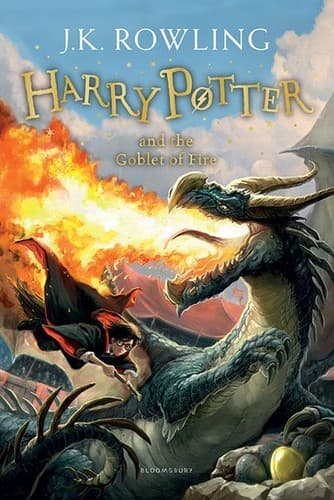
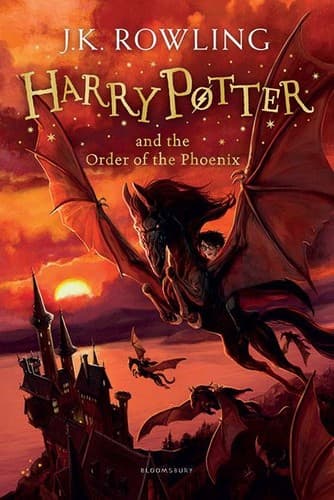
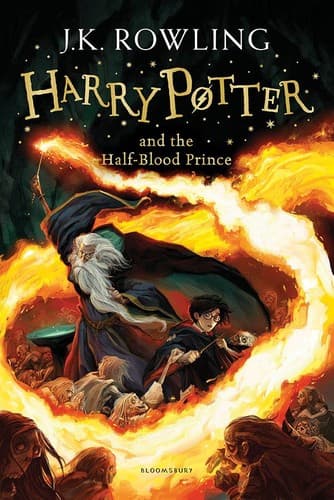
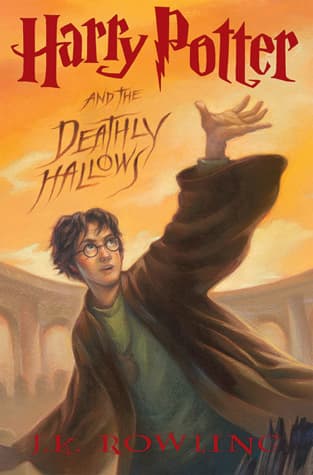

9 books in catalog
The fantasy genre underwent a significant transformation through the introduction of a narrative centered on a young wizard, a concept that first took shape during a delayed train journey from Manchester to London in 1990. This creative development occurred during a period of profound personal adversity for the author, J.K. Rowling, who navigated the loss of her mother to multiple sclerosis while living as a single parent in Edinburgh. It was in local cafes that she completed the initial manuscript for her debut novel, a work that would eventually bridge the gap between juvenile and adult readerships by grounding its magical elements in relatable coming-of-age struggles and complex moral philosophy. The transition from a struggling writer to a critically recognized novelist underscores a career marked by narrative versatility, spanning from high-concept children's literature to gritty social realism and contemporary detective fiction. By exploring the complexities of loss and the weight of personal choice, her bibliography has become a significant component of contemporary English literature.
Born in 1965 in Yate, England, Joanne Rowling’s path to publication was defined by academic focus and professional shifts. After studying French and Classics at the University of Exeter—an education that would later inform the Latinate spells and mythological structures of her fiction—she moved to Portugal to teach English. It was following her return to the United Kingdom, specifically to Scotland, that she faced the most challenging years of her career. Living on a low income, she completed the manuscript for Harry Potter and the Philosopher’s Stone (1997). The book was famously rejected by twelve publishing houses before being accepted by Bloomsbury. This debut sparked a major shift in the industry, leading to seven core novels that have been translated into over 80 languages. Following the conclusion of her primary fantasy series, she expanded her repertoire into adult fiction with the 2012 release of The Casual Vacancy, a novel focused on the social politics of a small English town.
Her writing is characterized by intricate plotting, a penchant for mystery-style clues hidden in plain sight, and a satirical lens often aimed at bureaucracy and social hierarchy. Influenced by the works of Jane Austen and E. Nesbit, she employs a third-person limited perspective that allows for deep emotional resonance while maintaining a vast, interconnected world-building style. Thematic consistency remains a hallmark of her work. Death is a central, recurring motif, influenced largely by her mother’s passing; her stories often examine the redemptive capacity of love and the moral necessity of facing mortality. Furthermore, her narratives frequently tackle the abuse of power and the persistence of bigotry. Whether in a magical school or a contemporary village, she emphasizes that good and evil are not inherent traits but are defined by the choices an individual makes when confronted with fear or ambition.
The Harry Potter series is a seven-book sequence that follows the education of a young wizard. The series is credited with reviving the middle-grade and young adult market, blending elements of the British boarding school story with epic fantasy and mystery. The Cormoran Strike series, written under the pseudonym Robert Galbraith, is a collection of hardboiled detective novels following a private investigator and his assistant, Robin Ellacott. This series allows for a more granular exploration of contemporary London and the technicalities of forensic and psychological investigation. The Casual Vacancy serves as her first foray into adult social realism, examining themes of class warfare, addiction, and the systemic failures of local government. More recent ventures, such as The Ickabog and The Christmas Pig, return to a more whimsical, fable-like tone while maintaining her signature focus on morality and courage.