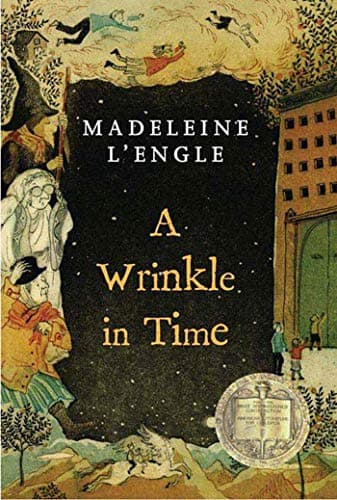
A Wrinkle in Time
Madeleine L'Engle, 1962
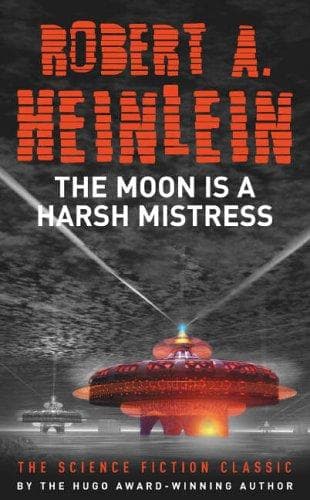
The Moon Is a Harsh Mistress
Robert A. Heinlein, 1963
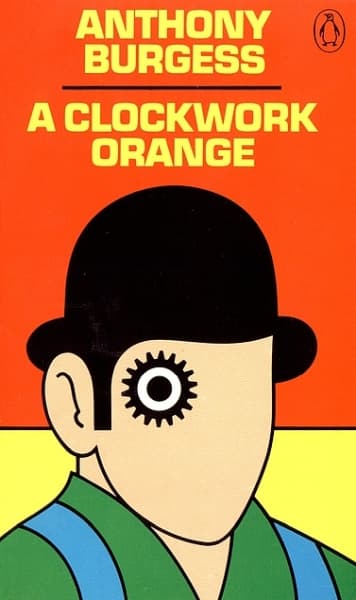
A Clockwork Orange
Anthony Burgess, 1962
Burgess invents a teenage slang to implicate readers in Alex's violence, then asks whether forced goodness counts as goodness at all—a classic exploration of free will.
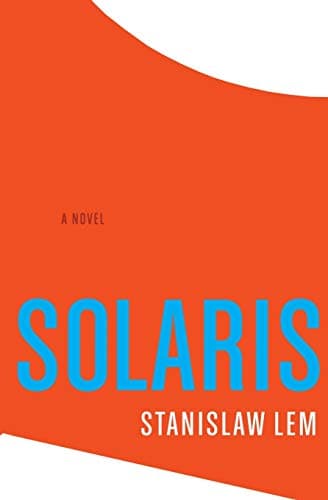
Solaris
Stanisław Lem, 1961
The alien here is a planet that studies you back, and Lem's point is that contact may be impossible by design. Read it for the melancholy, not the movie's plot.
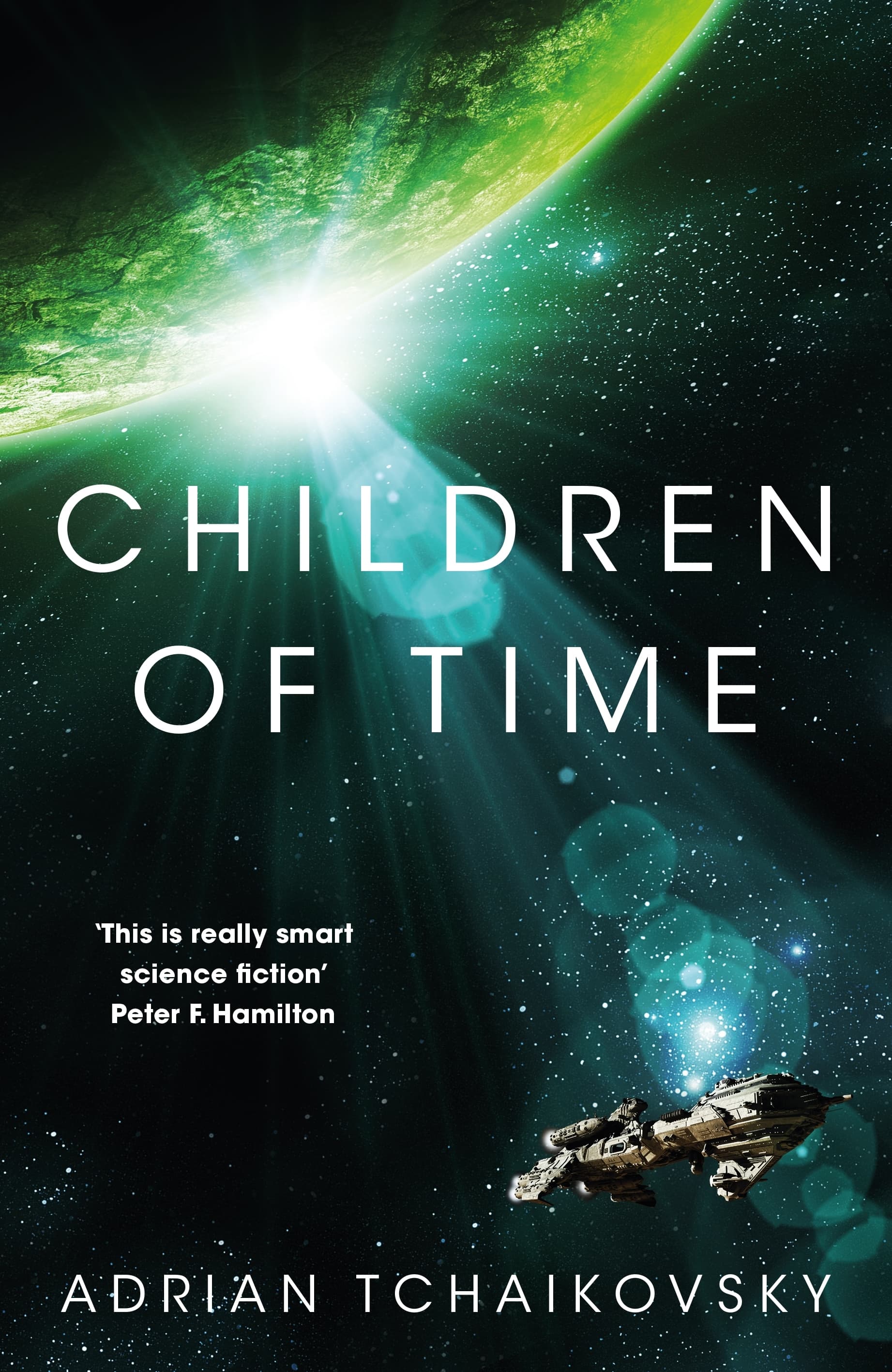
Children of Time
Adrian Tchaikovsky, 2015
Tchaikovsky spans centuries of evolution on a terraformed world while humanity circles desperately, delivering big-idea SF with emotional depth.
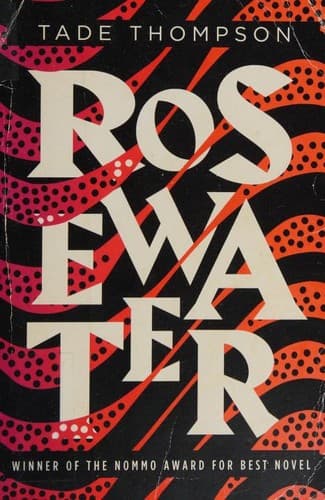
Rosewater
Tade Thompson, 2017
Thompson sets his alien-contact story in a Nigerian town grown around a healing dome, told by a psychic ex-criminal with no interest in being a hero. Fresh, wry, and quietly political.

The Resisters
Gish Jen, 2020
The most recent entry here, Gish Jen's 2020 novel brings a literary novelist's eye to the collection's newer end of the genre.
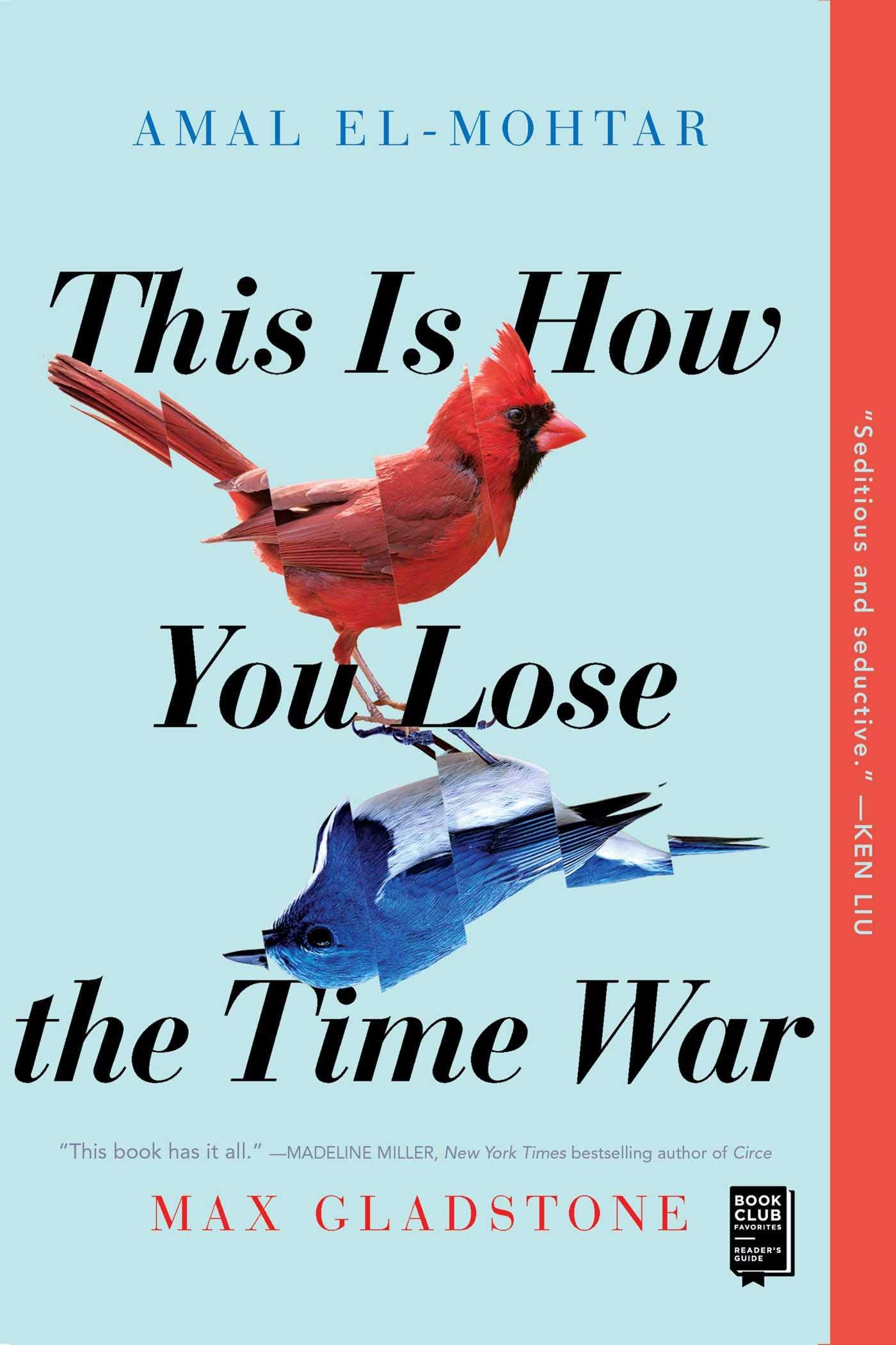
This Is How You Lose the Time War
Amal El-Mohtar, Max Gladstone, 2019
Two rival agents in a time-traveling war fall for each other through letters, and the prose is sharp and moving. Short, lush, and worth an evening.
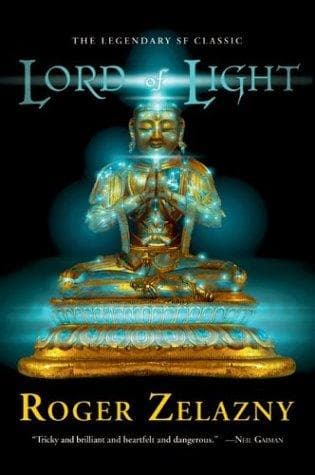
Lord of Light
Roger Zelazny, 1967
Zelazny frames a colony-ship rebellion in Hindu mythology, with tech lords posing as gods and a mortal heretic resisting. A 1967 original that still reads strange.
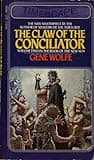
The Claw of the Conciliator
Gene Wolfe, 1980
Wolfe's dying-earth sequel trusts you to keep up: unreliable memory, buried theology, apes, cannibals, a relic that may not be what it seems. Demanding, and worth every reread.
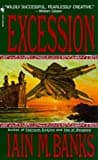
Excession
Iain M. Banks, 1996
Banks drops a perfect black sphere from another universe into the Culture's lap, and the superintelligent Minds react with characteristic wit. Big-ideas space opera with jokes.
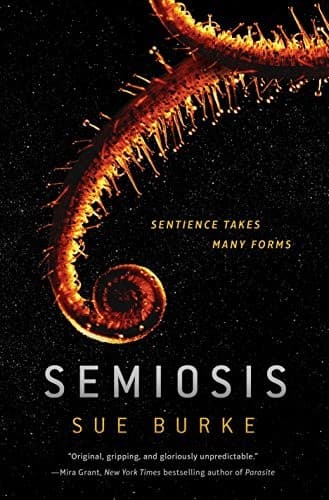
Semiosis
Sue Burke, 2018
Burke's colonists discover the local plants are the intelligent ones, and negotiation, not conquest, becomes survival. A quiet, thoughtful first-contact story that stays with you.
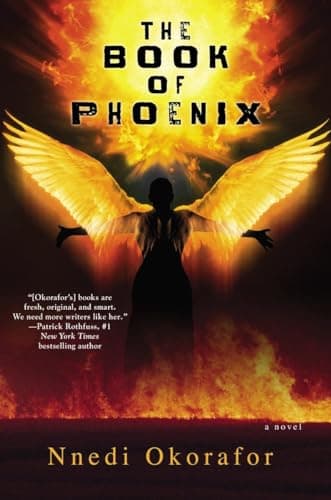
The Book of Phoenix
Nnedi Okorafor, 2015
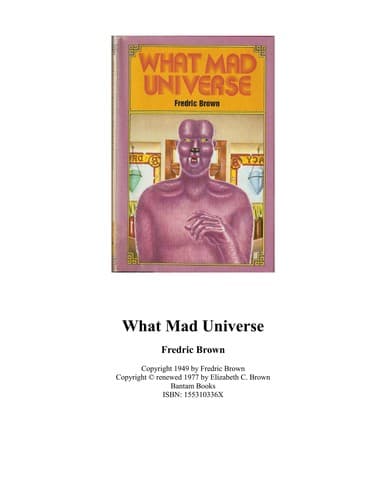
What Mad Universe
Fredric Brown, 1949
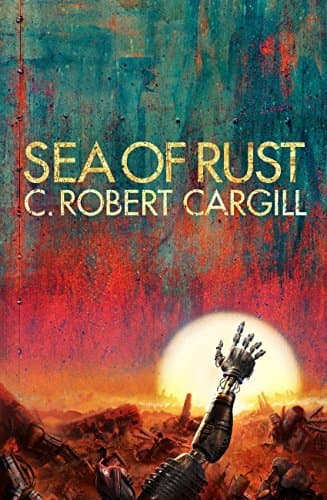
Sea of Rust
C. Robert Cargill, 2017
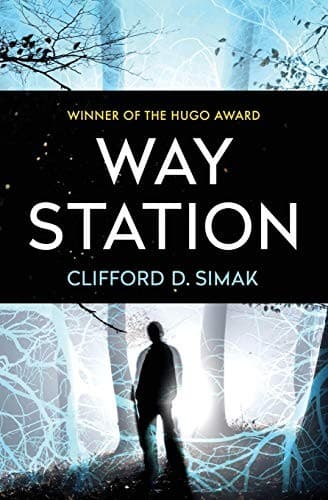
Way Station
Clifford D. Simak, 1963
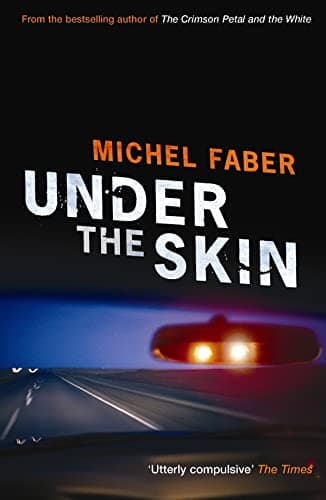
Under the Skin
Michel Faber, 2000
Faber keeps the premise simple—a woman picks up well-muscled hitchhikers—and then makes it terrifying. If you like being unsettled rather than reassured, this is your stop.
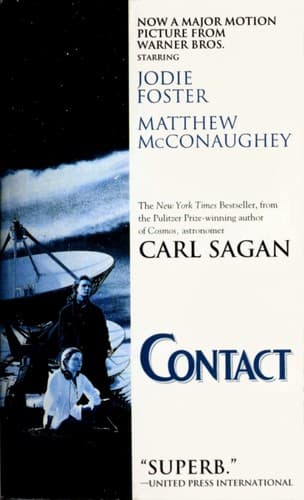
Contact
Carl Sagan, 1985
Sagan knew the universe better than almost anyone, and here he imagines what first contact would actually cost us. The science is real; the wonder is earned.
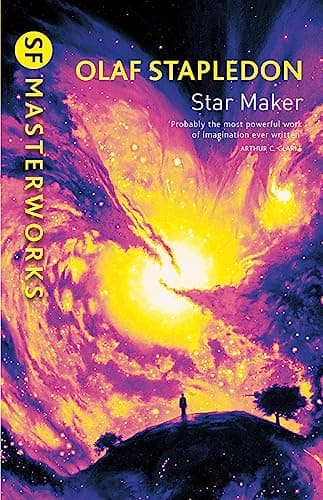
Star Maker
Olaf Stapledon, 1937
Stapledon attempts nothing less than a history of all life in the universe, billions of years of it. Small wonder later writers kept stealing from him.
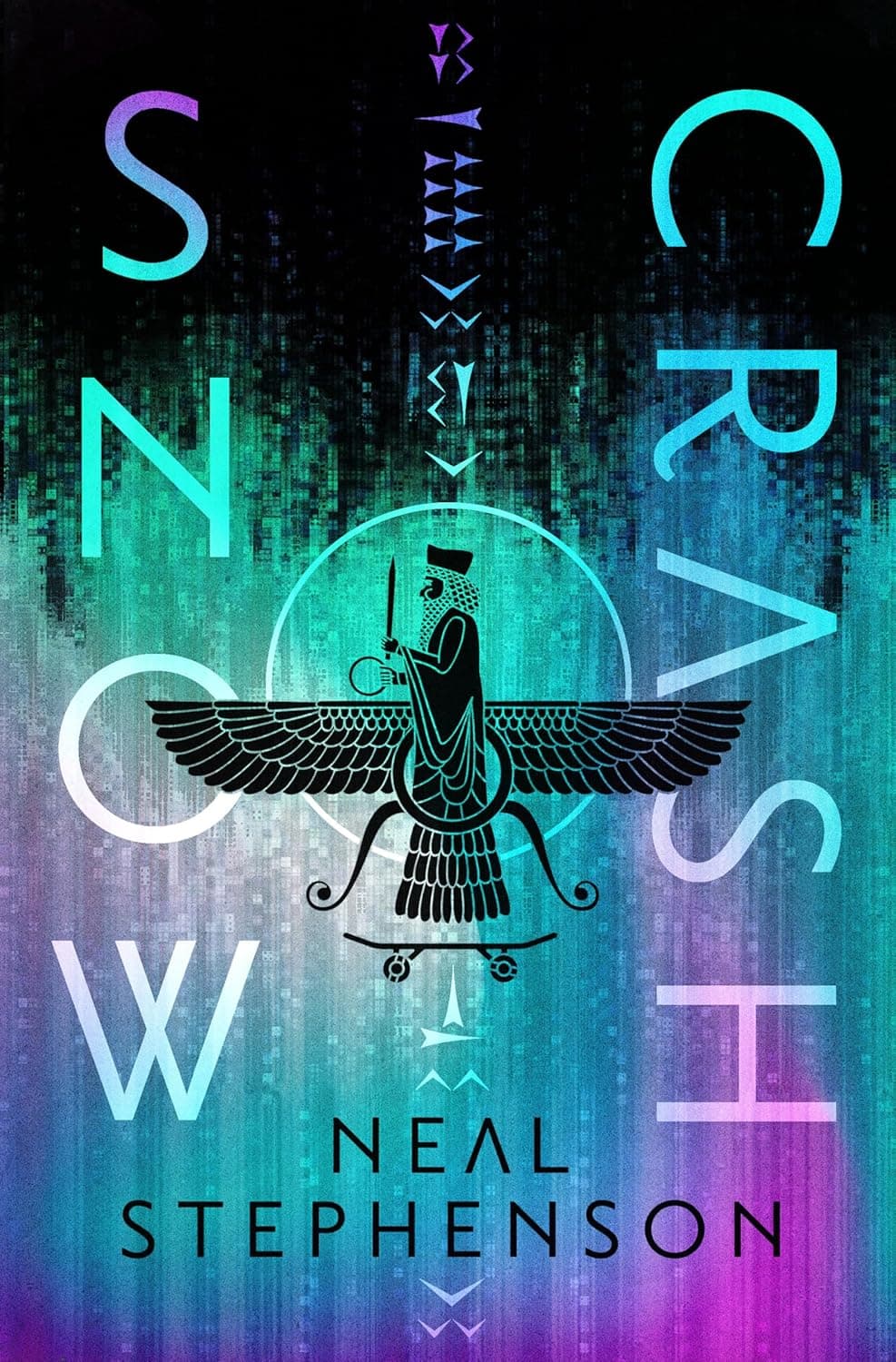
Snow Crash
Neal Stephenson, 1992
Stephenson gave us the Metaverse before it was a buzzword, plus a pizza delivery guy who wields a katana. Loud, funny, and still the cyberpunk blueprint.
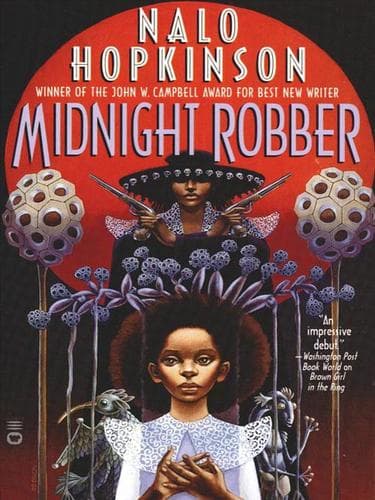
Midnight Robber
Nalo Hopkinson, 2000
Hopkinson folds Caribbean folklore and Carnival into a colonized planet, and out comes sci-fi that sounds like nothing else. Tan-Tan's exile is worth the trip.
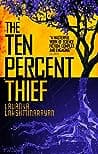
The Ten Percent Thief
Lavanya Lakshminarayan, 2020
Lakshminarayan sorts a future Bangalore into elites and Analogs by algorithm, then lets one stolen seed crack the system. Sharp, timely, and quietly furious.
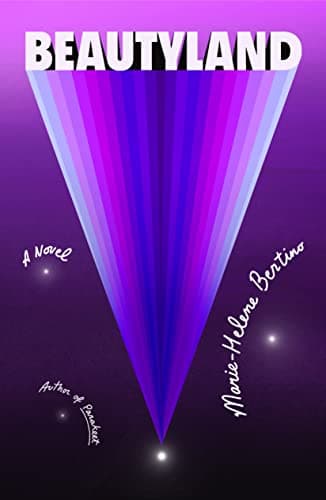
Beautyland
Marie-Helene Bertino, 2024
A woman convinced she's an alien reporting home via fax machine—Bertino makes feeling like a stranger on Earth literal, and somehow tender. For readers who like their sci-fi quiet and aching.
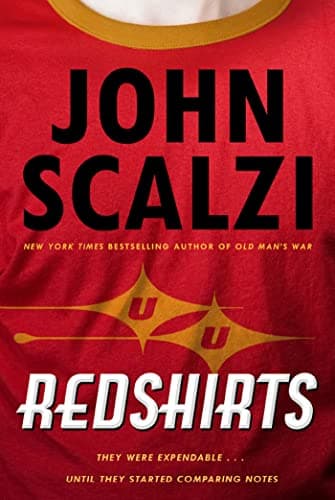
Redshirts
John Scalzi, 2012
Scalzi asks what happens to the expendable crew on a starship where the plot keeps killing them. A funny, clever riff that Trekkies will finish in a weekend.