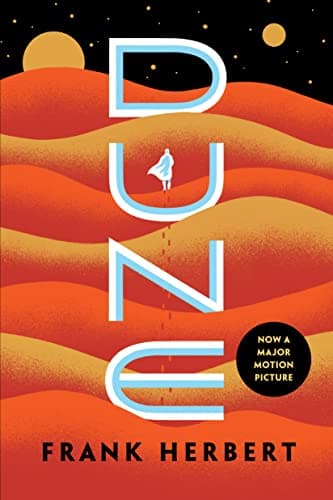
Dune
Frank Herbert, 1965
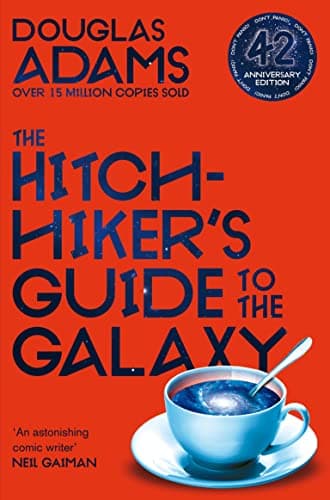
The Hitchhiker's Guide to the Galaxy
Douglas Adams, 1979
Earth gets demolished to make room for a bypass, and the humor drives the story from there. A sharp, comedic take on space adventure.
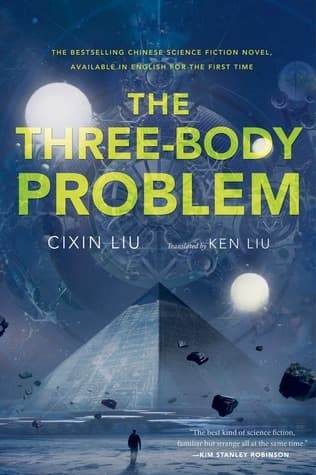
The Three-Body Problem
Cixin Liu, 2006
First contact with a political conscience. Liu sets an alien invasion against the Cultural Revolution, and the result feels like no other first-contact novel on this list.
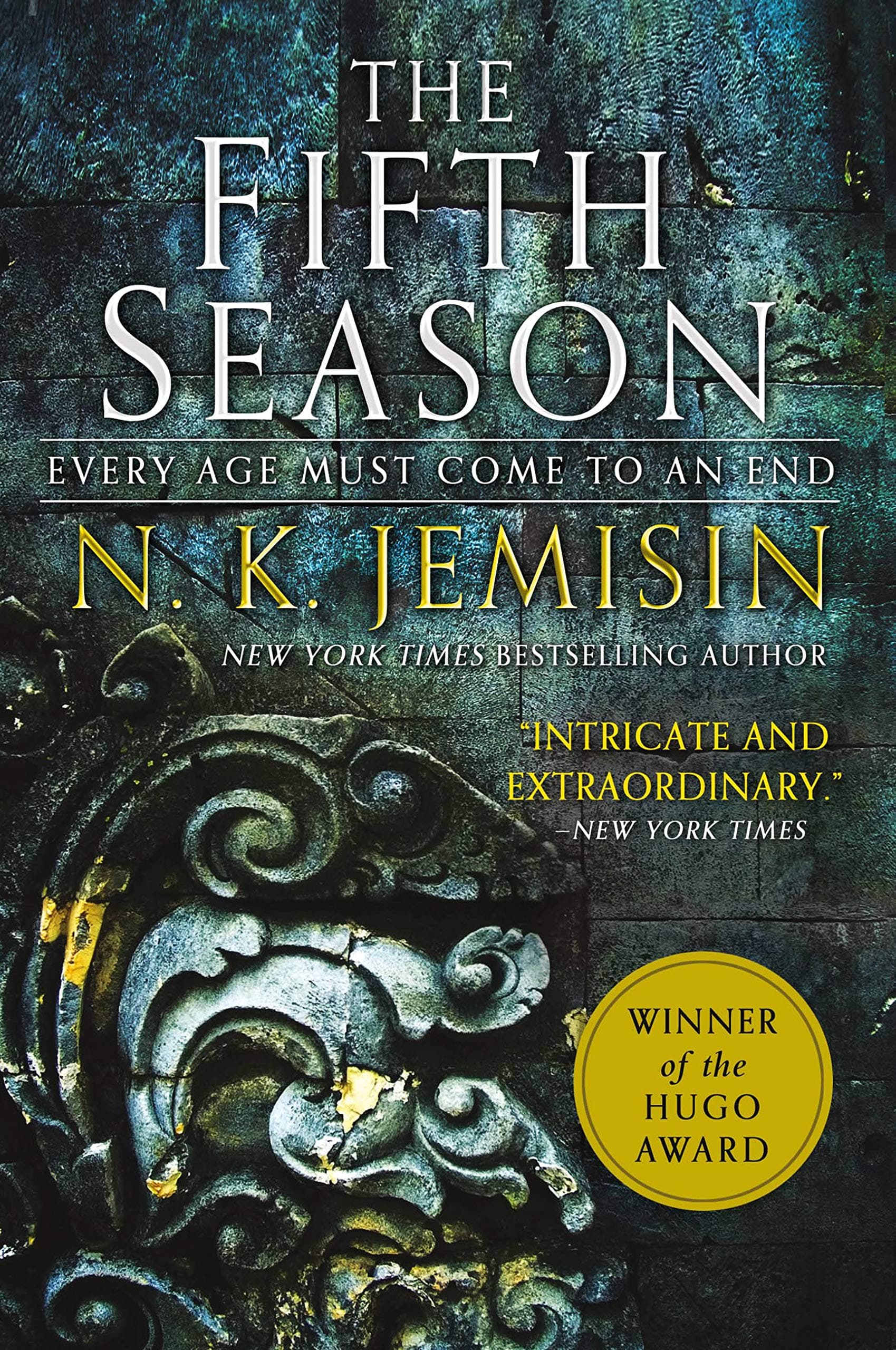
The Fifth Season
N. K. Jemisin, 2015
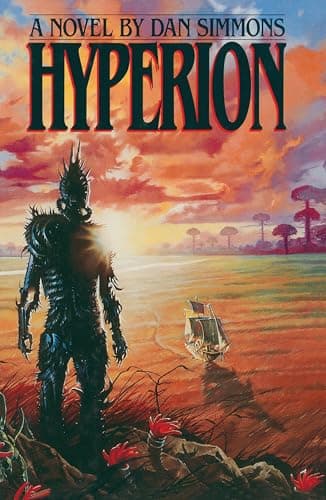
Hyperion
Dan Simmons, 1989
Pilgrims head for a world where tombs move backwards in time, guarded by the Shrike, and Simmons builds a vast civilisation on the brink around them.
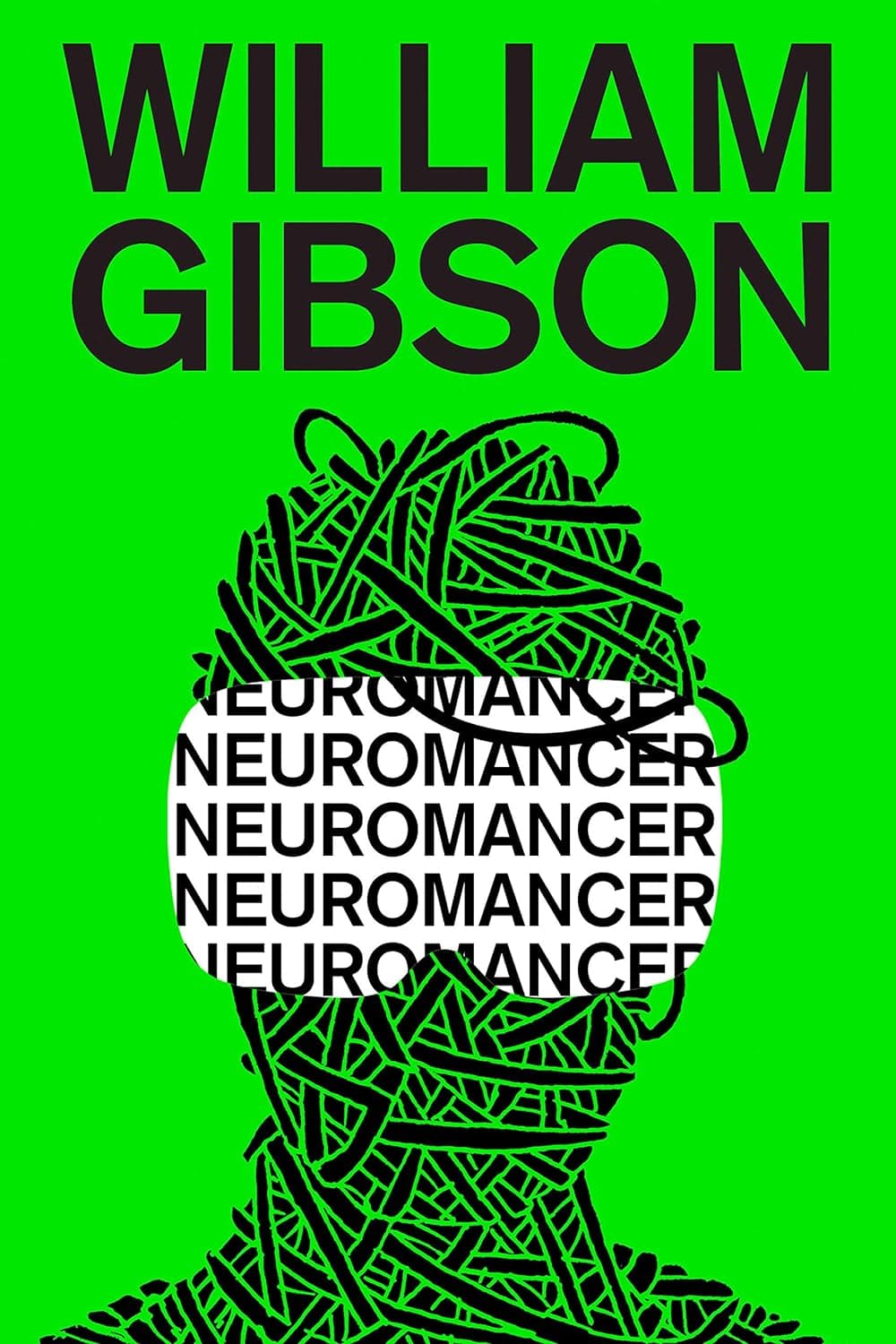
Neuromancer
William Gibson, 1984
Gibson coined cyberspace before the web existed, and Case's last-chance hack launches the cyberpunk genre. The digital future rarely gets imagined this well.
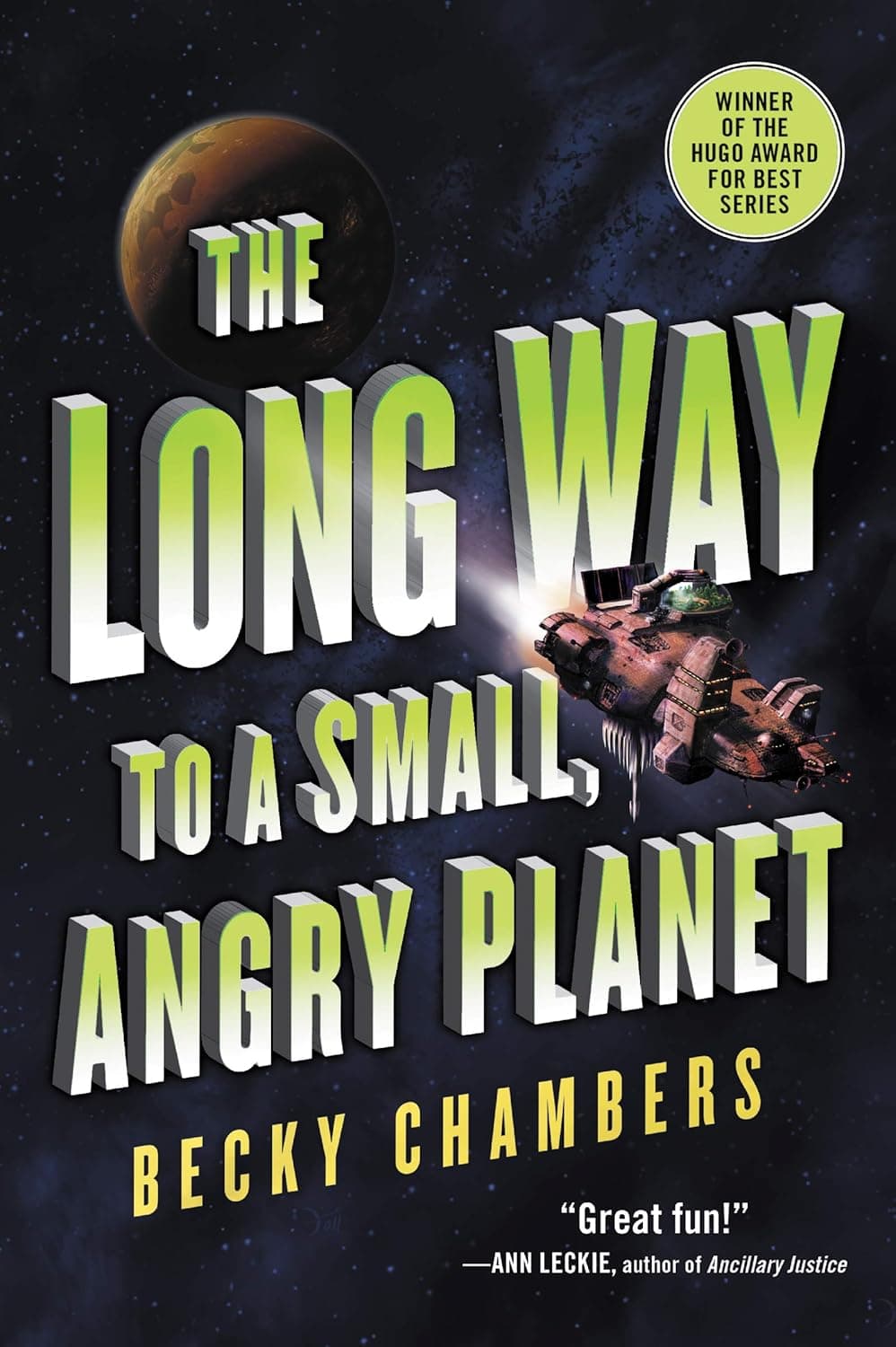
The Long Way to a Small, Angry Planet
Becky Chambers, 2014
A patched-up ship, a mismatched crew, no war in sight. Chambers centers found family in a space opera setting, and it works.
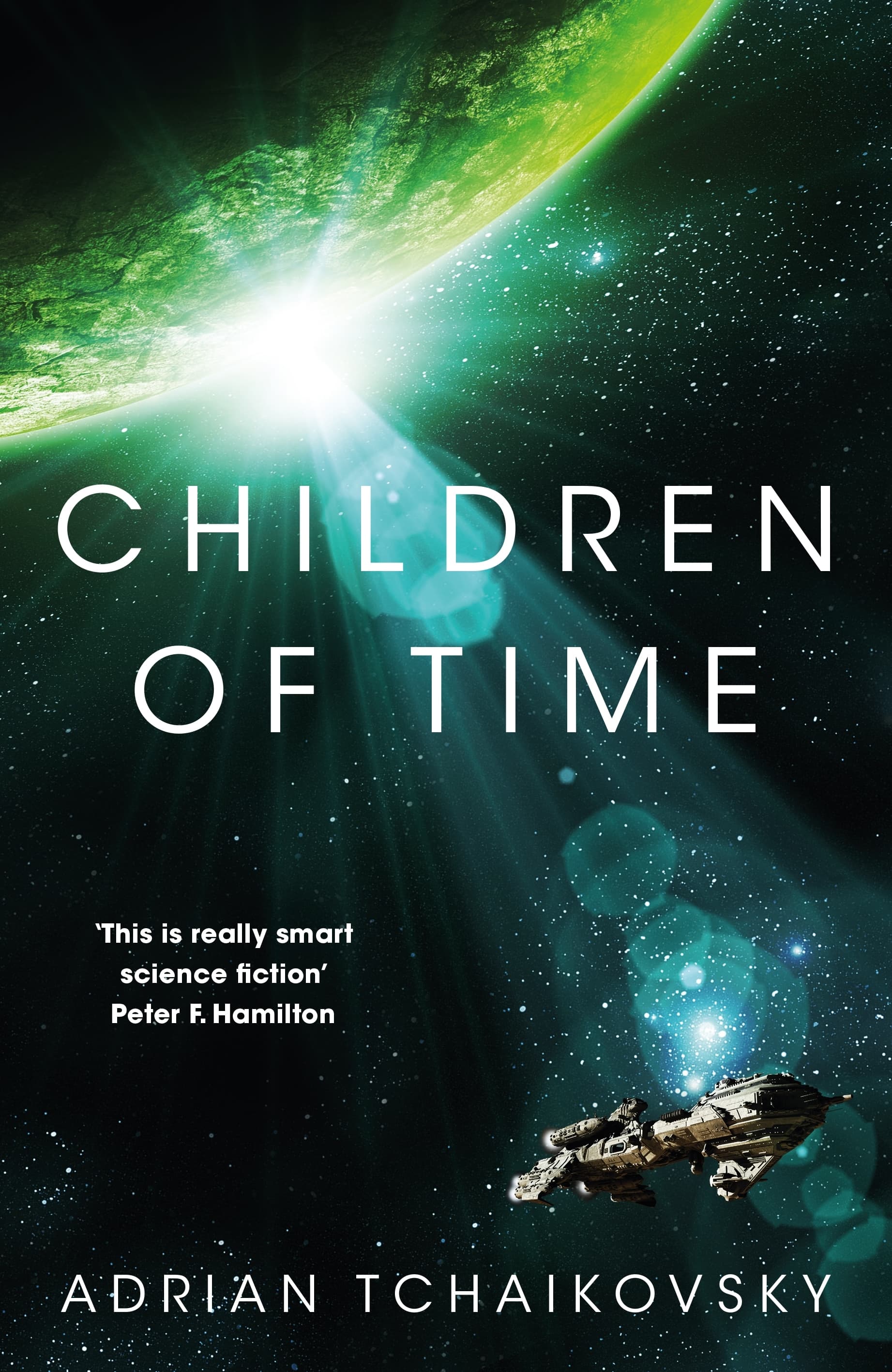
Children of Time
Adrian Tchaikovsky, 2015
Tchaikovsky spans centuries of evolution on a terraformed world while humanity circles desperately, delivering big-idea SF with emotional depth.
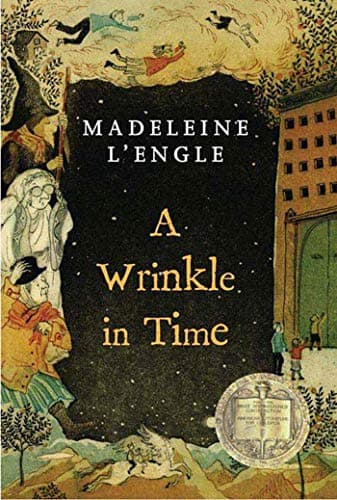
A Wrinkle in Time
Madeleine L'Engle, 1962
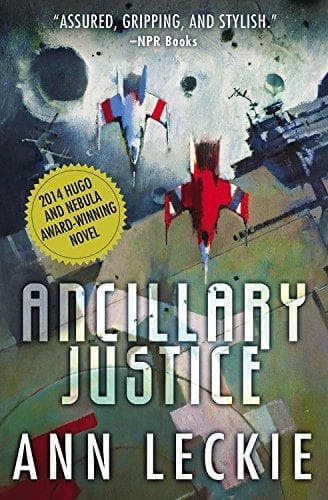
Ancillary Justice
Ann Leckie, 2013
A starship AI reduced to one fragile body, out for revenge against the many-bodied Lord of the Radch. Leckie explores personhood through a revenge plot, and this is where it starts.
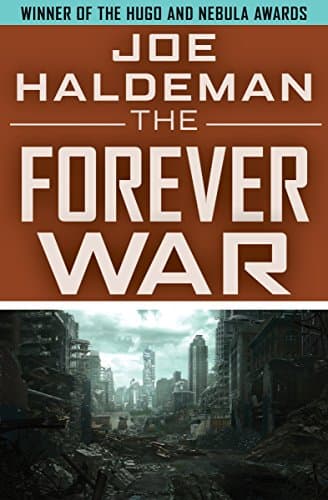
The Forever War
Joe Haldeman, 1974
A soldier fights a thousand-year war and comes home to an Earth that has moved on without him. Haldeman makes time dilation the cruelest weapon of all.
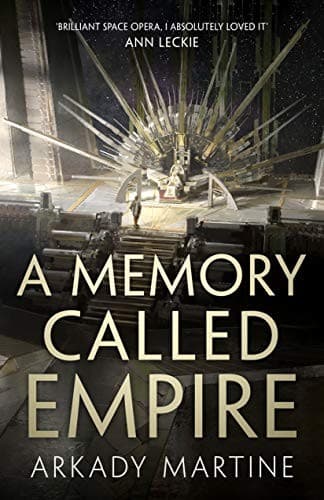
A Memory Called Empire
Arkady Martine, 2019
An ambassador inherits her predecessor's murder mystery and an empire too seductive to resist. Martine combines political intrigue with lyrical prose.
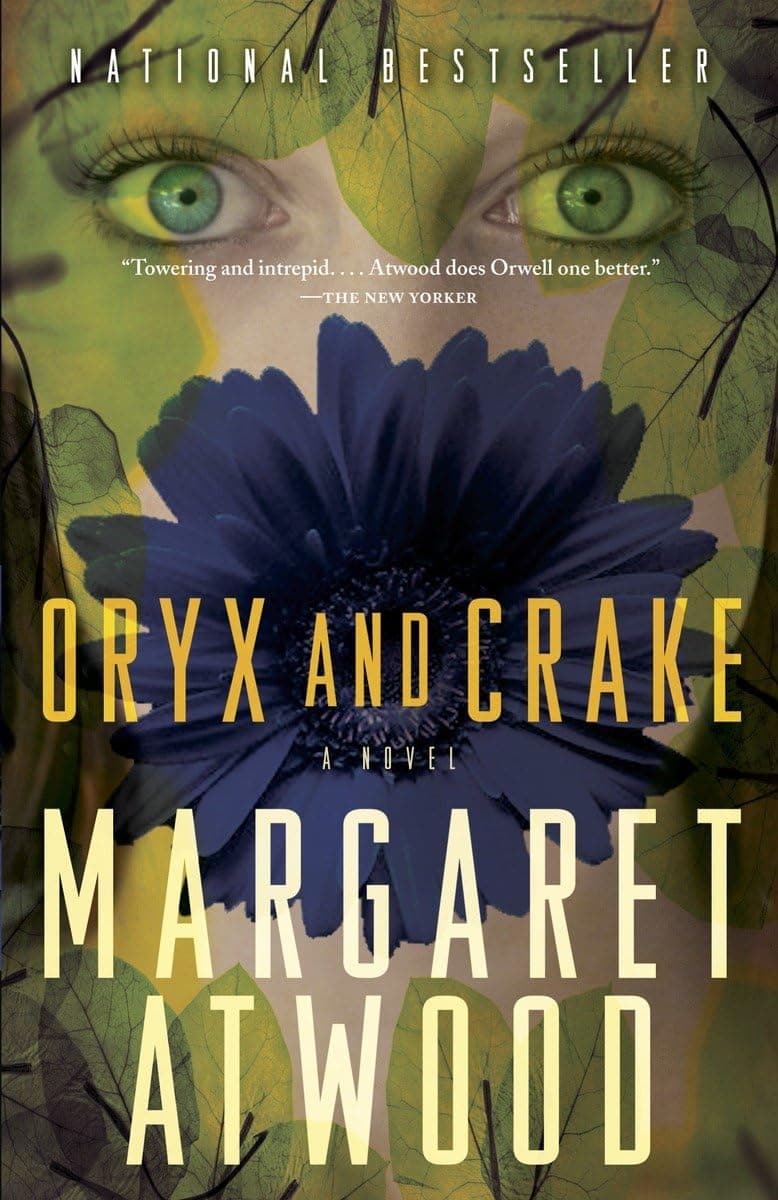
Oryx and Crake
Margaret Atwood, 2002
Atwood does apocalypse through the eyes of possibly its last survivor. A love triangle and a biotech catastrophe, told with her usual refusal to look away.
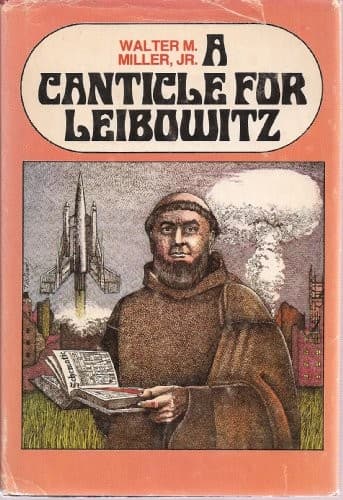
A Canticle for Leibowitz
Walter M. Miller Jr., 1959
Monks guard the scraps of science after the world burns itself, and humanity repeats its mistakes across centuries anyway. Miller's satire cuts deep.
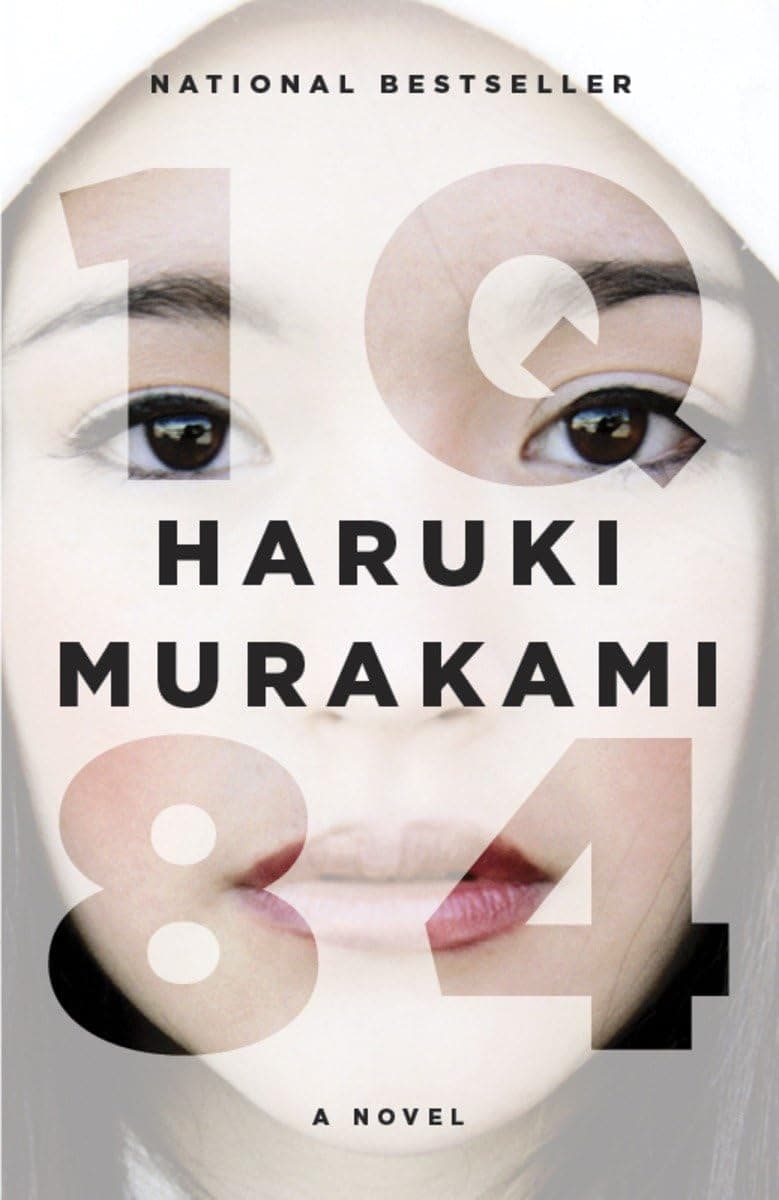
1Q84
Haruki Murakami, Philip Gabriel, 20
Murakami's Tokyo splits into a parallel world with a question mark in its name, following two lives that unravel across realities. Long, and deliberately strange.
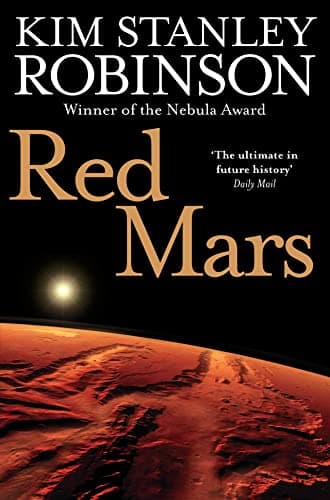
Red Mars
Kim Stanley Robinson, 1992
The colonization novel that treats Mars like a real place with real politics. If you want your interplanetary drama argued over in committee meetings, this is the one.
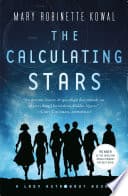
The Calculating Stars
Mary Robinette Kowal, 2018
A meteor wipes out most of Earth, so the space race starts early—and a mathematician fights to be on the rocket. Kowal's alt-history swept the Hugo and Nebula, and deservedly.
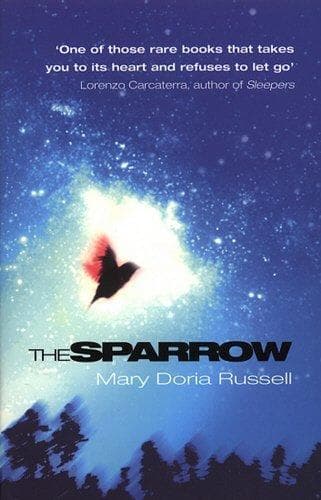
The Sparrow
Mary Doria Russell, 1996
First contact as a Jesuit's crisis of faith, told with the ending known and the horror withheld. Russell's first-contact narrative is a harrowing one, not a space adventure.
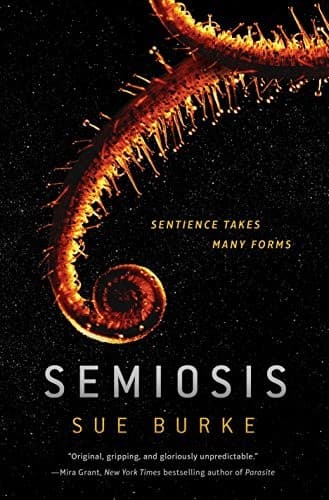
Semiosis
Sue Burke, 2018
Burke's colonists discover the local plants are the intelligent ones, and negotiation, not conquest, becomes survival. A quiet, thoughtful first-contact story that stays with you.
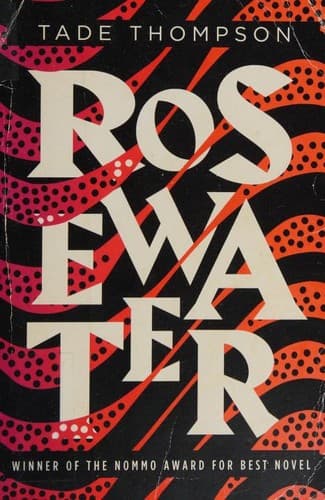
Rosewater
Tade Thompson, 2017
Thompson sets his alien-contact story in a Nigerian town grown around a healing dome, told by a psychic ex-criminal with no interest in being a hero. Fresh, wry, and quietly political.
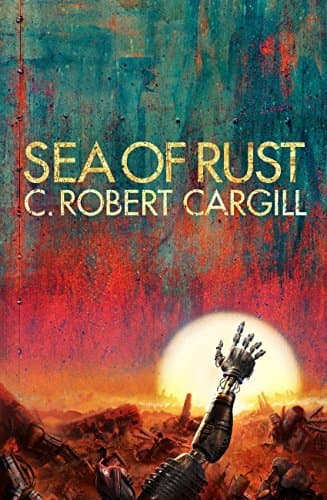
Sea of Rust
C. Robert Cargill, 2017
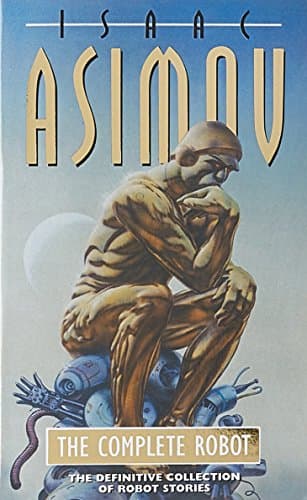
The Complete Robot
Isaac Asimov, 1982
Asimov's Robot stories introduce the Three Laws and continue to influence thinking about machines. Engineers later programmed those laws into real computers, with odd results.
Shikasta (Canopus in Argos: Archives Series, Book 1): Re-colonised Planet 5
Doris Lessing, 1979
Lessing trades realism for cosmic archives, telling Earth's story through reports from an alien emissary. A Nobel laureate cutting loose is reason enough to look.

Dhalgren
Samuel R. Delany, 1975
A drifter walks into a dying city and the novel never quite lets you get your bearings. Delany's cult classic rewards readers who like their sci-fi disorienting on purpose.