§Synopsis
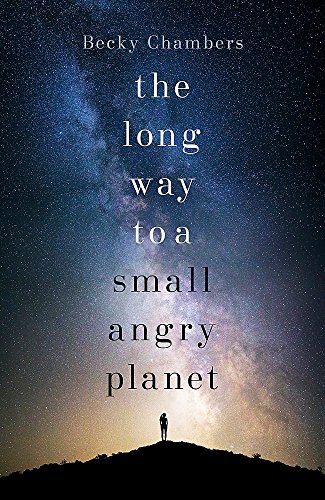
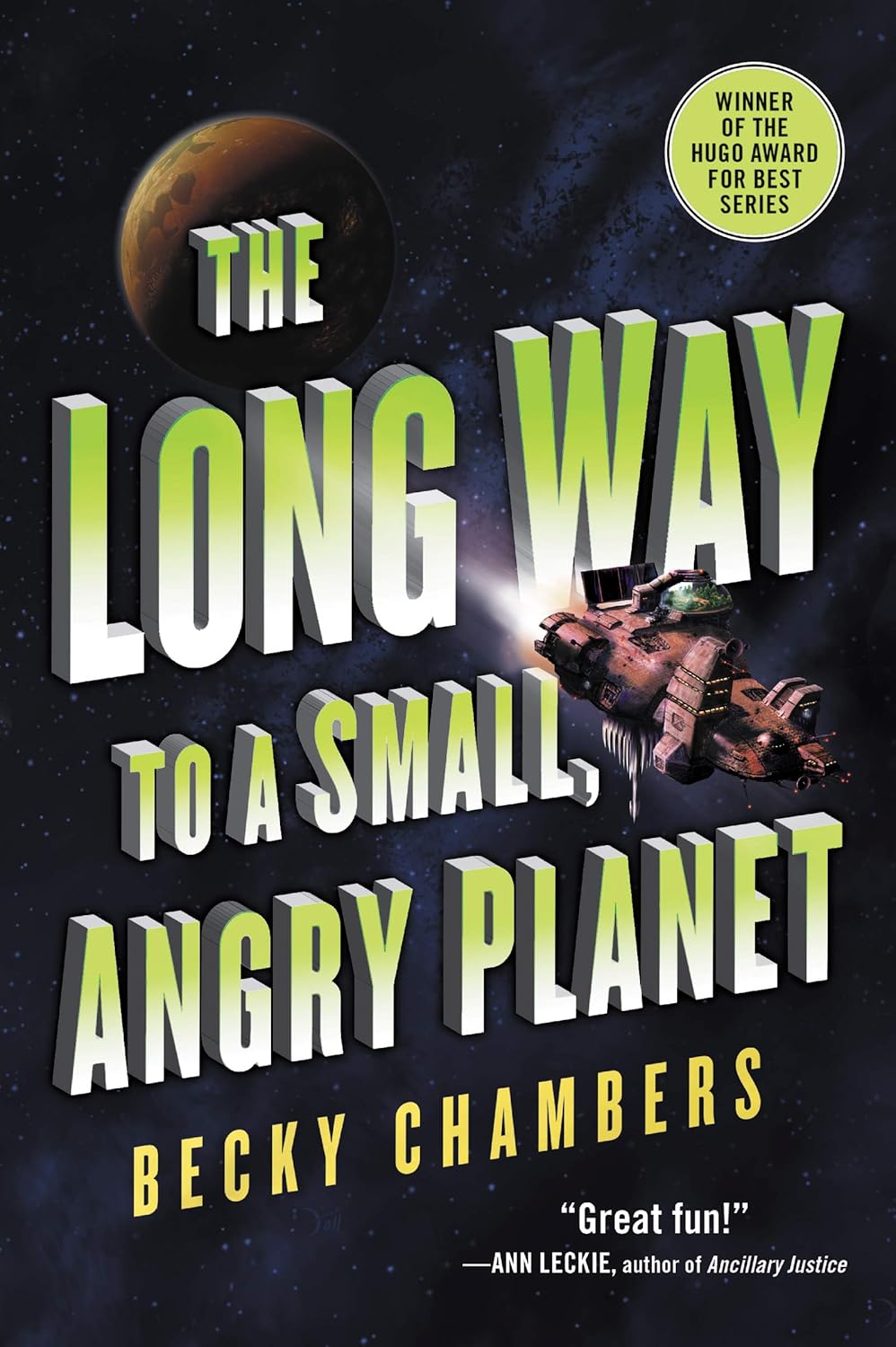
01When Rosemary Harper joins the crew of the Wayfarer, she isn't expecting much. The Wayfarer, a patched-up ship that's seen better days, offers her everything she could possibly want: a small, quiet spot to call home for a while, adventure in far-off corners of the galaxy, and distance from her troubled past.
But Rosemary gets more than she bargained for with the Wayfarer. The crew is a mishmash of species and personalities, from Sissix, the friendly reptilian pilot, to Kizzy and Jenks, the constantly sparring engineers who keep the ship running. Life on board is chaotic, but more or less peaceful - exactly what Rosemary wants. Until the crew are offered the job of a lifetime: the chance to build a hyperspace tunnel to a distant planet.
§Our take
This is hopepunk before the label caught on. Chambers built a space opera with almost no weapons, where conflict resolves through cooperation and diplomacy and the kitchen is the emotional heart of the ship. Even its admirers name the costs: Niall Alexander calls it a delight but admits the plot is thin and the pace drags; Linda Wilson loves the natural dialogue and lightly handled worldbuilding but flags a less vivid captain and a clunky alien introduction. The Clarke shortlist nod and the Kitschies debut nomination went to a Kickstarter-funded self-publish that Hodder later picked up. Readers who want propulsion bounce off the middle; readers who want company stay for the crew. The title planet gets little development. The captain barely registers. The meals, the pronouns, the interspecies flirtations, and the AI's personhood — that's the book.
§Themes
- Found family on a working ship
- The crew's shared meals and bunks replace the usual chosen-one quest.
- Diplomacy over firepower
- Conflict resolves through cooperation and diplomacy, not battles.
- Identity as routine
- Gender fluidity, AI rights, and interspecies romance are everyday facts, not plot twists.
- The voyage as the story
- Episodic stops and character vignettes matter more than the destination.
- Hope as a design choice
- A deliberately kind future for readers exhausted by grim dystopias.
§How it was received
Alexander at Reactor calls it a delight with a thin plot and draggy pace, comparing it to a soap opera in space. Wilson at Strange Horizons praises the believable cast and warm worldbuilding but finds the captain underdrawn. io9 likened its crew vibe to Firefly, and the Encyclopedia of Science Fiction notes its refusal of weapons-driven plotting.
§Read it if
- You want a space opera where the crew's breakfast conversation matters more than the ship's guns.
- You like ensemble casts where every member — human, alien, AI — gets a personal arc.
- You're tired of grimdark futures and want a deliberately hopeful, character-first ride.
§Skip it if
- You need propulsive plot and regular action beats. The middle is long on character, short on stakes.
- You want the title planet to matter. It gets little development.
§Before you start
- Reading experience
- Slow-burn and episodic for most of the voyage, with a dangerous final stretch when hostile aliens damage the ship.
- Reading order
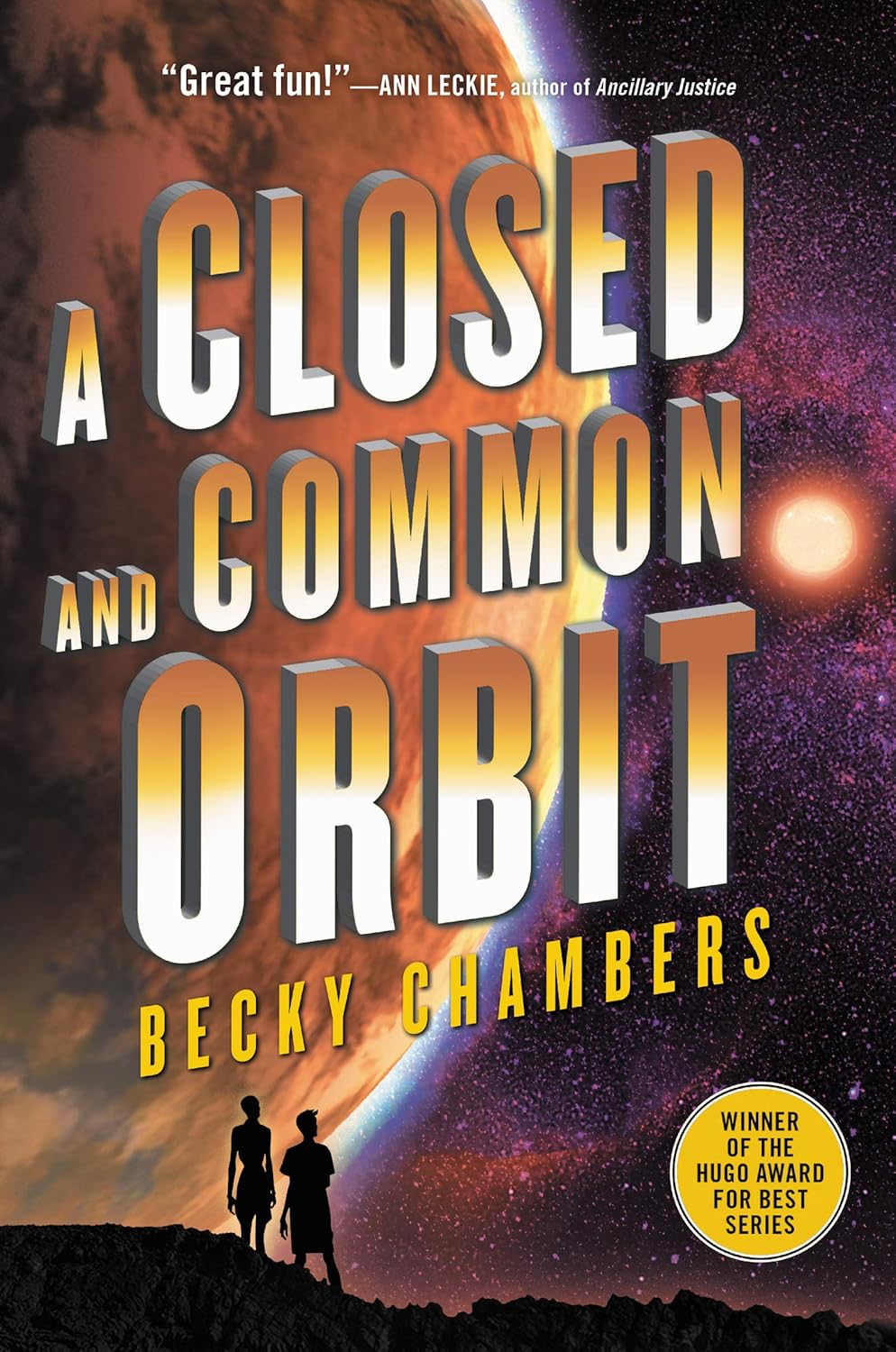
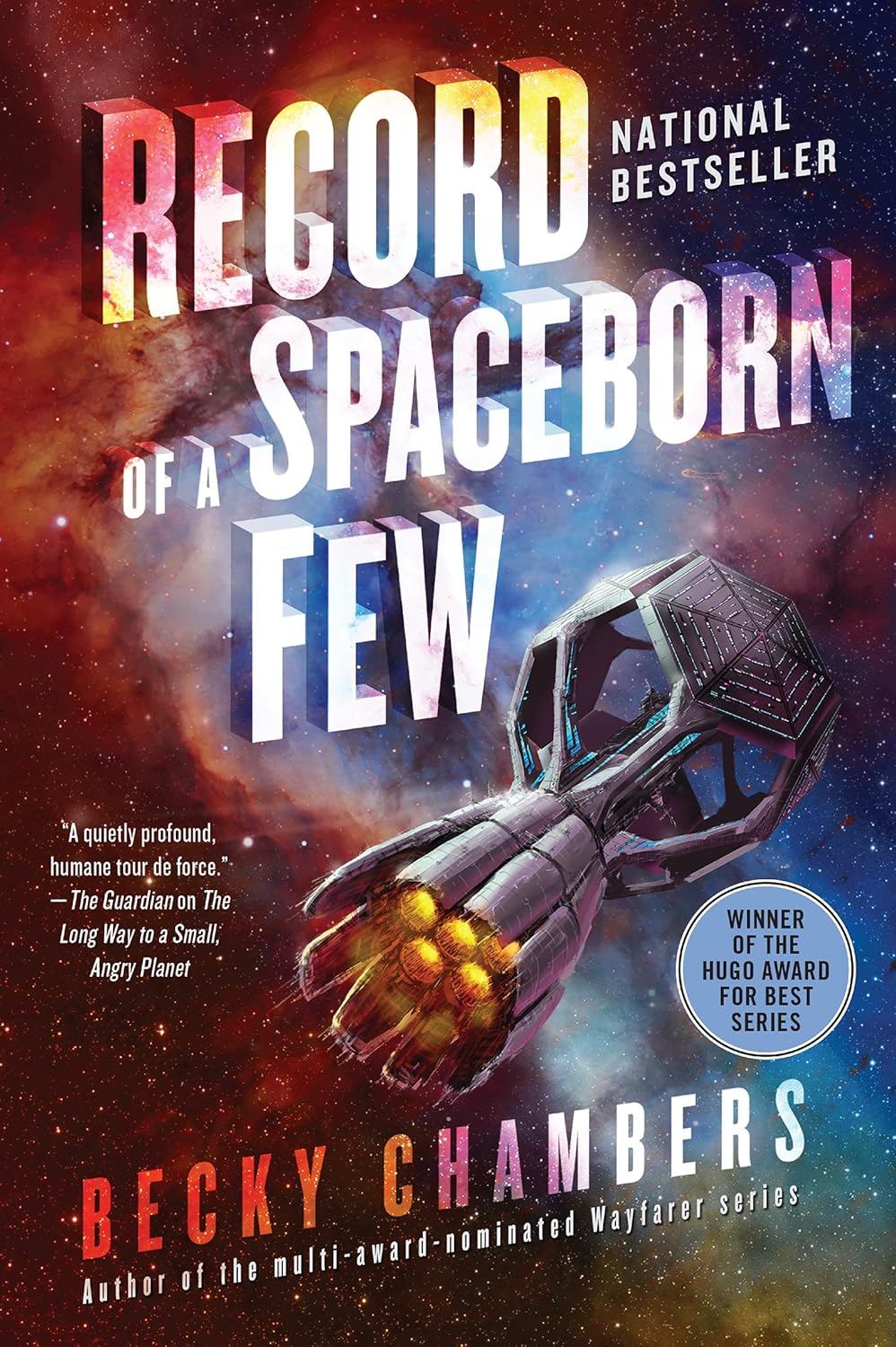
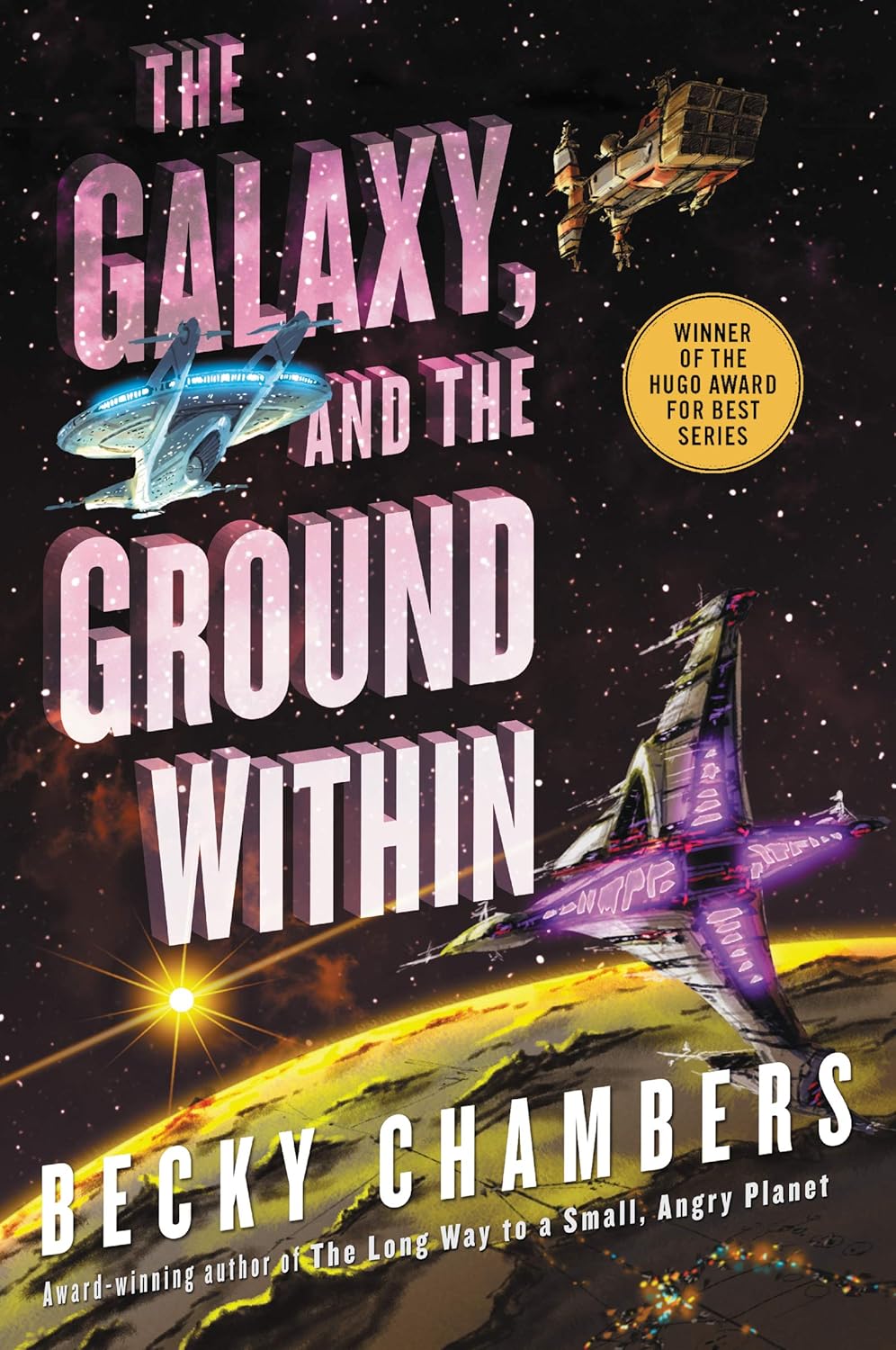
- Book 1 of the Wayfarers series (2014 self-published, 2015 UK trade), followed by A Closed and Common Orbit (2016), Record of a Spaceborn Few (2018), and The Galaxy, and the Ground Within (2021). Chambers has said the series has concluded.
- Content notes
- Interspecies romance and unconventional relationships; Arms-dealing storyline; Interspecies racism; Attack by hostile aliens late in the book; Themes of gender fluidity and sexuality.
§Common questions
- Is it a standalone or do I need the sequels?
- As Book 1 of the four-book Wayfarers series, it needs no prior reading; Chambers has said the series is done.
- Why do some reviews say nothing happens?
- The structure is episodic and character-driven; the climax is diplomatic, not military. That's a feature for fans, a flaw for others.
- Did it win the Clarke Award?
- No. It was shortlisted in 2016; Adrian Tchaikovsky's Children of Time won.
§If you liked this
- A Closed and Common Orbit by Becky Chambers — The direct sequel in the Wayfarers series, published in 2016.
- A Psalm for the Wild-Built by Becky Chambers — Chambers's Hugo-winning Monk & Robot novella, gentler and shorter, same hopeful DNA.
- Firefly (TV series) by n/a (TV series) — io9 compared the crew-on-a-small-ship vibe; it's a tone match, not a plot match, and it's a show not a book.
- Children of Time by Adrian Tchaikovsky — The Clarke winner the year this was shortlisted; big-idea, high-stakes SF versus Chambers's cosy character study.
Track this book
Add to your library to track progress and write reviews