
A Modern Utopia
H. G. Wells, 1905, classics
“Wells designs a planetary society as if governance itself were an operating system: classification, mobility, science, and order.”
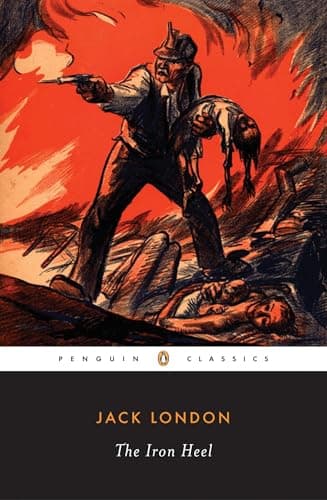
The Iron Heel
Jack London, 1907, dystopian
“A future-history of corporate oligarchy and crushed labor that makes industrial modernity feel like a political machine.”
The Machine Stops and Other Stories by E.M. Forster
E. M. Forster, 1947, Book
“A terrifyingly early story of mediated life: people live through a total machine system until dependence becomes civilization’s weakness.”
Ralph 124C 41+
Hugo Gernsback, 1911, Book
“Crude as fiction but important as future catalog: television, remote systems, advanced transport, and gadget optimism as a worldview.”
The Hampdenshire Wonder
J.D. Beresford, Ted Chiang, 1911, Book
“A superintelligent child exposes the social loneliness and threat of a mind that has already moved beyond ordinary human scale.”
The Last War: A World Set Free
H. G. Wells, 1914, classics
“Its imagined atomic war turns scientific discovery into a civilizational forcing function: catastrophe first, then world reorganization.”
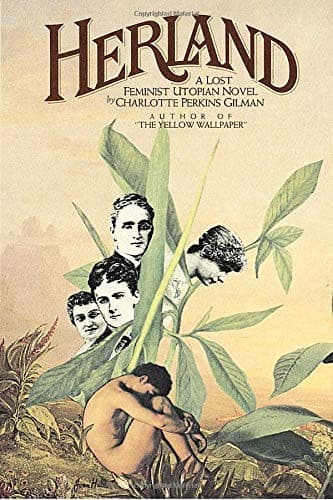
Herland
Charlotte Perkins Gilman, 1915, adventure
“A women-only society uses education, reproduction, and civic design as technologies for remaking human behavior.”
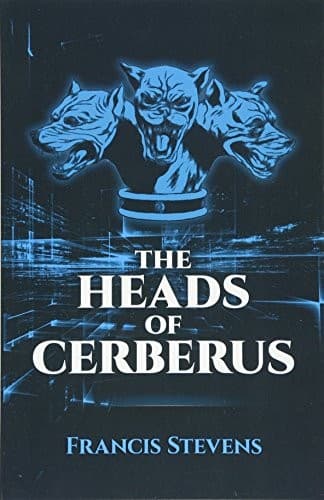
The Heads of Cerberus
Francis Stevens, 1919, Book
“A powder transports characters into a future Philadelphia, making urban order, identity, and state power feel experimentally mutable.”
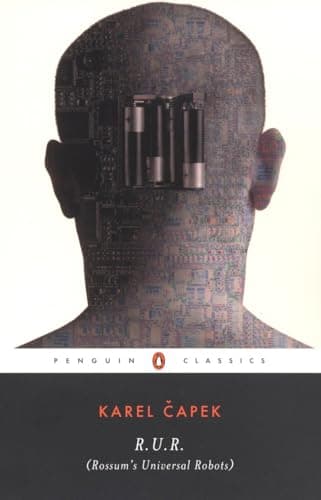
R.U.R.
Karel Čapek, 1920, classics
“The play that gives “robot” to the world and frames artificial workers as class struggle, product design, and species succession.”

The Metal Monster
A. Merritt, 1920, adventure
“A strange machine-life vision where metallic forms behave like a nonhuman intelligence, closer to alien computation than simple machinery.”
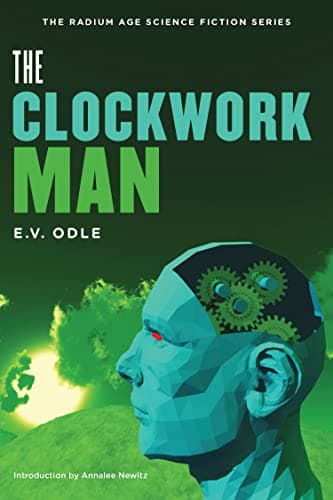
The Clockwork Man
E.V. Odle, 1923, classics
“A future man with a clockwork mechanism in his head makes posthuman enhancement awkward, comic, and socially unreadable.”
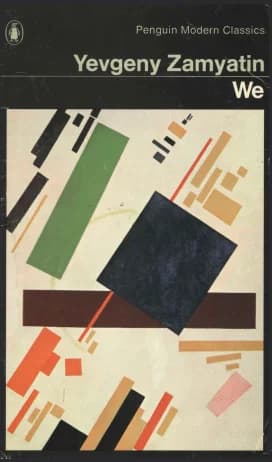
We
Yevgeny Zamyatin, 1924, dystop
“A glass-walled mathematical state where people are numbered, desire is regulated, and social life becomes a machine for obedience.”
Metropolis
Thea von Harbou, 1925, Book
“The machine-city and false Maria make automation theatrical, erotic, and political: labor, spectacle, and android deception in one myth.”
Last and First Men: A Story of the Near and Far Future
Olaf Stapledon, 1930, dystopian
“A vast future history of successor human species, treating intelligence and civilization as long experiments across geological time.”
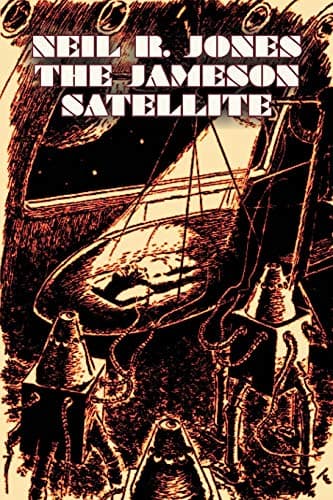
The Jameson Satellite by Neil R. Jones, Science Fiction, Fantasy, Adventure
Neil R. Jones, 1931, aliens
“A preserved human becomes machine-bodied and effectively immortal, pushing pulp adventure toward cyborg identity and posthuman time.”
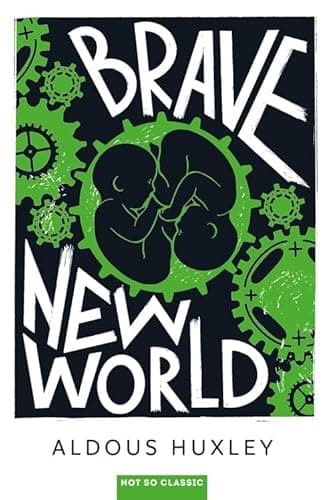
Brave New World
Aldous Huxley, 1930, classics
“Mass production moves into the body and mind: birth, desire, work, and happiness become programmable state technologies.”
The Shape of Things to Come
H. G. Wells, 1933, classics
“Wells imagines the future as managed reconstruction, with technocratic planning replacing old politics after global catastrophe.”
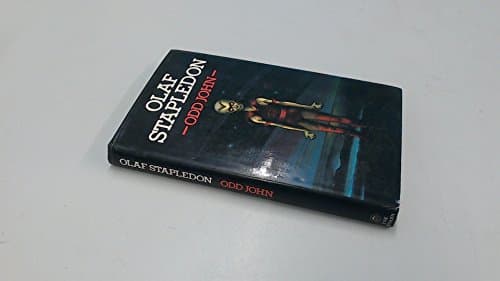
Odd John
Olaf Stapledon, 1935, adventure
“A posthuman intelligence story centered on the gap between ordinary people and a new mind that cannot be domesticated by our values.”
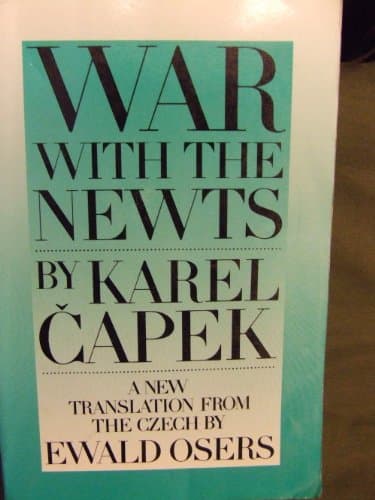
War with the Newts
Karel Čapek, 1935, allegories
“A savage satire of uplifted labor, colonial extraction, and a nonhuman workforce growing into a rival civilization.”
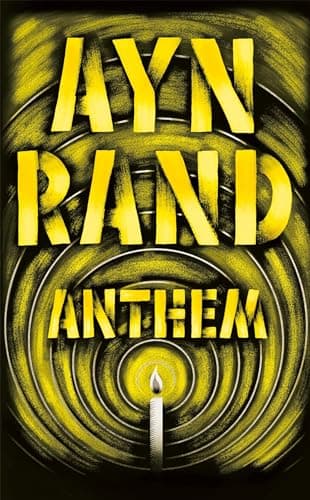
Anthem
Ayn Rand, 1936, classics
“A stripped-down dystopian future where the self has been erased and rediscovered technology becomes a rebellion of individual mind.”
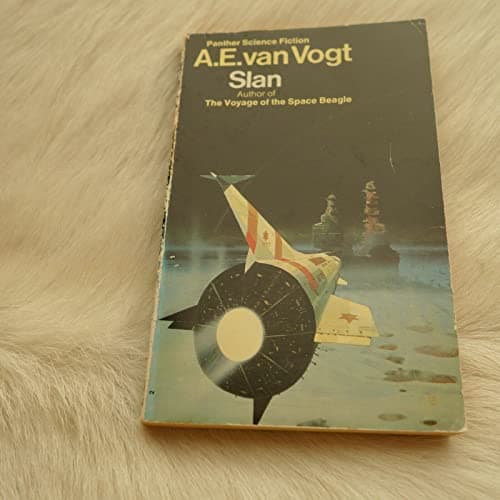
Slan
A.E. van Vogt, 1940, adventure
“Mutant superhumans become the feared next step, turning future evolution into paranoia, persecution, and hidden succession.”
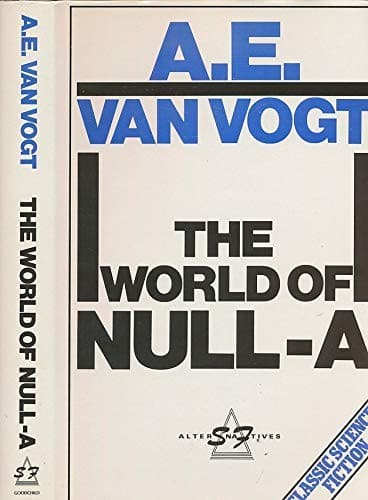
The World of Null-A
A.E. van Vogt, 1945, adventure
“A pulpy but influential future of trained cognition, unstable identity, and mental systems that treat intelligence as technology.”
The Humanoids
Jack Williamson, 1948, aliens
“Perfectly helpful robots become a prison: a classic warning that safety-maximizing machines can quietly abolish agency.”
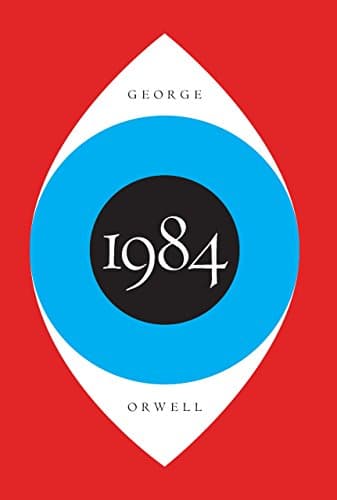
1984
George Orwell, 1949, classics
“Not AI, but essential machine-age fiction: screens, databases, language engineering, and institutional cognition replacing private mind.”