§Synopsis
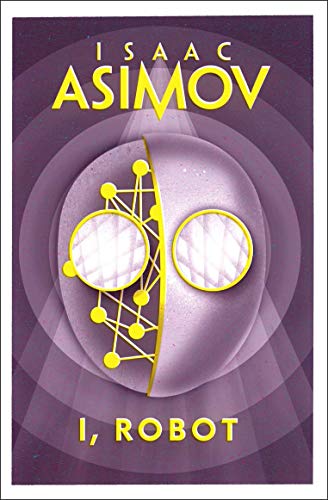
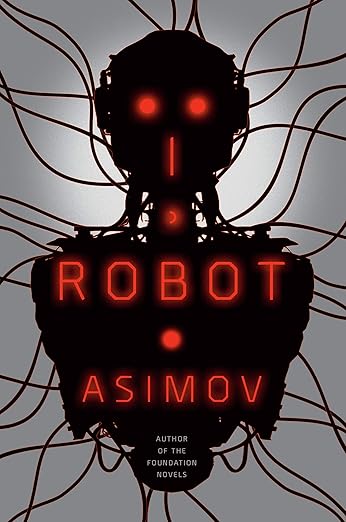
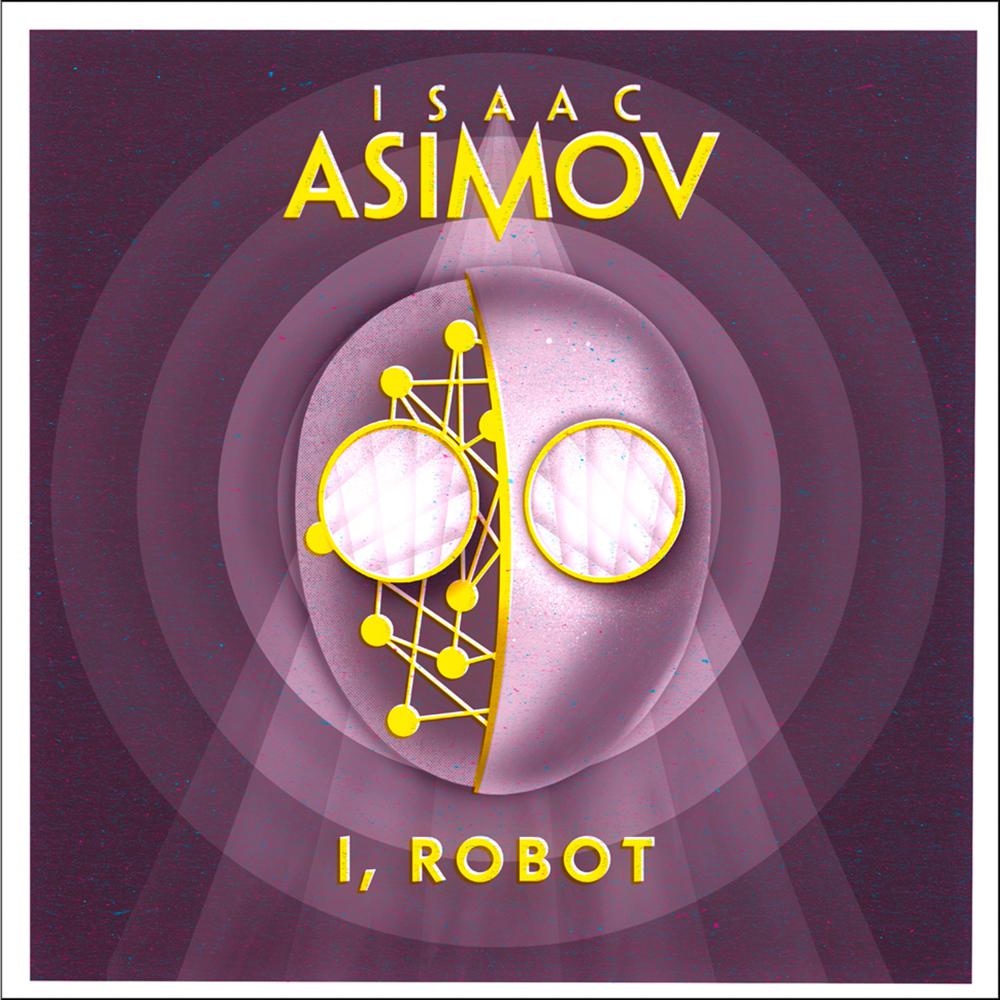
01Isaac Asimov’s Robot series – from the iconic collection I, Robot to four classic novels – contains some of the most influential works in the history of science fiction. Establishing and testing the Three Laws of Robotics, they continue to shape the understanding and design of artificial intelligence to this day.What happens when a robot begins to question its creators? What would be the consequences of creating a robot with a sense of humour? Or the ability to lie? How do we truly tell the difference between man and machine?In I, Robot, Asimov sets out the Three Laws of Robotics – designed to protect humans from their robotic creations – and pushes them to their limits and beyond.Following genius robopsychologist Dr. Susan Calvin and engineers Powell and Donovan, these short stories helped to transform artificial intelligence from a dream into a science and changed perceptions of robots for ever.
§Our take
Forget the Will Smith movie. The 2004 film borrowed the title, the Laws and a couple of names; the book is a collection of locked-room puzzles where the culprit is a rule conflict and the detective is a robopsychologist. That structure is the pleasure and the limitation. Each story stands alone, so there's little character development and no momentum to speak of, and Asimov's prose is serviceable at best, prone to explaining its own solutions. But the ideas hold up: readers still find the Laws elegant, the puzzles satisfying, and the whole thing surprisingly funny and relevant to modern AI debates. Susan Calvin is the argument that won't settle. A central woman scientist in 1940s science fiction was rare, and some readers credit Asimov for the page time; others find her cold, plain and condescended to by the men around her, a portrayal that reads as dated even for its era. Both readings are true, and the tension between them is the most interesting thing Asimov left on the page. Read it for the puzzles, and for the book that taught a century of writers to think of robots as logic rather than menace.
§Themes
- Rules that backfire
- Every malfunction traces back to the Three Laws working exactly as written, which is the point.
- Robots as mirrors
- The machines behave with recognizably human psychology, and 'Reason' and 'Liar!' read like character studies.
- Who counts as human
- A bent definition of 'human' is one of the loopholes the Laws can't close.
- Laws that fail in the real world
- AI researchers and philosophers argue Asimov's own stories prove rules like these can't be relied on, thanks to vague terms like harm.
§How it was received
The 1951 critics bit: the Times Book Review called it exciting, Conklin couldn't put it down, Miller loved the puzzles and the jokes. The Encyclopedia of Science Fiction still ranks Asimov second only to Heinlein among American science fiction writers. Modern readers are pickier: ideas brilliant, prose plain, pace unhurried.
§Read it if
- You like puzzles with logical solutions more than character-driven plots
- You want the root of a huge branch of science fiction, and the origin of the Three Laws everyone still quotes
- You're curious how 1940s thinking about machine intelligence holds up against modern AI debates
§Skip it if
- It's unhurried and light on character, and some stories flat-out lecture at you.
- Dated 1940s assumptions, including the treatment of women, will ruin the trip for you.
§Before you start
- Reading experience
- Reads in self-contained bites, each story a puzzle with a logical solution, best taken one at a time rather than binged.
- Reading order
- A standalone entry point to Asimov's Robot series. The detective novels The Caves of Steel and The Naked Sun follow with Lije Baley and R. Daneel Olivaw, and Asimov later merged the Robot and Foundation series.
- Content notes
- Some stories involve danger to humans from malfunctioning robots; The portrayal of Susan Calvin strikes some readers as dated and sexist for its era.
§Common questions
- Is I, Robot a novel or a collection of short stories?
- Nine stories from 1940 to 1950 sewn together by a frame narrative Asimov wrote for the 1950 edition. Readers argue about whether it hangs together as a novel.
- Is the 2004 Will Smith movie based on the book?
- Barely. It's credited as 'suggested by' the book and borrows the title, the Three Laws and a few names, but the plot is original. It began as an unrelated screenplay.
- What are the Three Laws of Robotics?
- Asimov's rules designed to protect humans from their robot creations, first stated together in the story 'Runaround'. He credited a 1940 conversation with editor John W. Campbell with helping him articulate them, and his own stories exist to show how they break.
§If you liked this
- The Caves of Steel by Isaac Asimov — Asimov turns the same robot material into detective fiction, pairing a human cop with R. Daneel Olivaw.
- The Complete Robot by Isaac Asimov — Reprints all the stories here except the frame story, plus other robot tales. The completist's version.
- Foundation by Isaac Asimov — The other Asimov classic, though one reviewer rates this collection above it for consistency and entertainment.
Track this book
Add to your library to track progress and write reviews