§About the Author
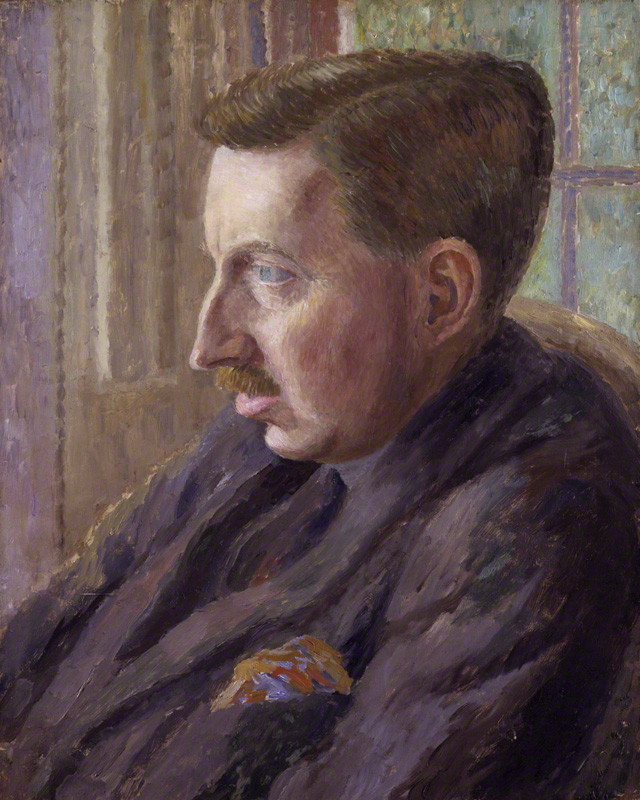
E. M. Forster
7 books in catalog
Exploring class division, social hypocrisy, and human connection in early twentieth-century British society, Howards End offered a penetrating critique of Edwardian conventions through the memorable epigraph "Only connect". The English novelist, short story writer, essayist, and librettist E. M. Forster established himself as an insightful observer of interpersonal dynamics and cultural friction across his novels, short fiction, and critical prose.
Career & Background
Born Edward Morgan Forster in London on January 1, 1879, he was raised by his mother following the early death of his architect father in 1880. He attended Tonbridge School before studying classics and history at King's College, Cambridge, from 1897 to 1901. Inheriting financial independence, he traveled extensively across Europe, particularly Italy, which inspired his early novels Where Angels Fear to Tread (1905) and A Room With a View (1908). He later lectured at the Working Men's College in London, served as a Red Cross volunteer worker during World War I, and spent time in India, an experience that informed his final novel A Passage to India (1924). In addition to his fiction, he co-authored the libretto for Benjamin Britten's opera Billy Budd (1951) and was awarded the Order of Merit and Order of the Companions of Honour.
Writing Style & Themes
Forster's literary style combines ironic humor, well-plotted narratives, and a humanistic approach toward understanding and sympathy. His work consistently examines class differences, hypocrisy, and attitudes toward gender and homosexuality in early twentieth-century British society. Beyond his social realism, his 1909 story The Machine Stops anticipated technological dystopian fiction by portraying a dependent humanity isolated within an automated global system.
Major Works
- Howards End — Published in 1910, this novel examines social class distinctions and personal relationships in Edwardian England, famously carrying the epigraph "Only connect".
- A Room With a View — Published in 1908, this novel contrasts restrictive British social conventions with Italian freedom through the growth of Lucy Honeychurch.
- Where Angels Fear to Tread — Published in 1905, Forster's debut novel explores cultural misunderstandings and class prejudice when an English widow marries an Italian man.
- A Passage to India — Published in 1924, this major novel investigates racial tension, colonialism, and human relationships under British rule in India.
- The Machine Stops — First published in 1909, this influential story presents a dystopian future where human life is completely dependent on a machine network.