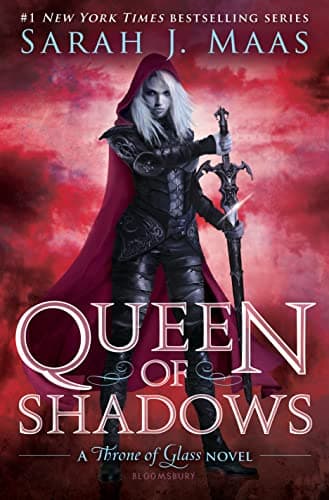

Aelin Galathynius re-enters the capital the way a knife re-enters an old wound—quietly, purposefully, and only after calculating every drop of blood that might follow. The city that once trained her to kill now braces for a phantom queen who keeps two sets of ledgers: one for the lives she will save, and one for the lives she will spend. In Rifthold, freedom is not a single act of rebellion but a currency that compounds nightly; every ally printed on forged permits, every whispered true name, and every birth-ribbon traded on the Shadow Market raises the interest rate on tomorrow’s reprisals.
The arithmetic of vengeance is hers alone, and the cost is already climbing before the first dawn. Aelin's return is not merely a homecoming but a systematic dismantling of the facades she once wore. To reclaim her kingdom, she must first navigate a city strangled by the King of Adarlan’s new, darker enforcements—where the air smells of cold iron and the shadows themselves seem to have teeth. The struggle is no longer just about survival; it is about the moral weight of a crown that requires its wearer to be more than an assassin.
Rifthold under the King’s expanded reign operates on layers of surveillance and magical suppression. The city is architecturally designed to isolate: the glass palace looms as a symbol of fragility and absolute power, while the slums beneath are a labyrinth of desperate resistance. The atmosphere is defined by the absence of magic, creating a grounded, gritty tension where steel and wit are the only reliable tools. Beyond the city walls, the fortress of Morath serves as a silent, terrifying source of industrial-scale cruelty, where the rules of nature are being rewritten to serve the king’s growing shadow-army.
The protagonist’s initial arc is defined by the friction between her past as Celaena Sardothien and her future as Aelin Galathynius. This transition is not seamless; it is a violent collision of roles. Her relationship with Chaol Westfall has shifted from one of romantic potential to ideological warfare, as both struggle with how much of their humanity they are willing to sacrifice for the "greater good." Meanwhile, her dynamic with Rowan Whitethorn provides a stabilizer—a partnership built on mutual recognition of past trauma, focusing on the discipline needed to withstand the coming conflict.
The novel utilizes the "Hero’s Return" trope but strips it of its typical glory, replacing it with the grim reality of urban guerrilla warfare. Rather than a grand entrance, the return is a series of clandestine meetings and tactical compromises. It also subverts the "Found Family" trope by introducing internal rot; the allies Aelin finds are often motivated by conflicting agendas or deep-seated resentment, making every alliance feel like a temporary truce. The concept of the "Chosen One" is grounded by the fact that Aelin’s power is currently inaccessible, forcing the narrative to rely on heist-style planning and political maneuvering rather than magical solutions.
The early stakes are centered on a series of high-risk extractions. Each potential rescue—whether it be her cousin Aedion from the executioner’s block or the search for a way to reach the possessed Prince Dorian—is framed as a logistical nightmare. These are not simple missions of mercy; they are gambles that risk exposing the entire resistance. The moral dilemma rests on the "Inverted Rescue": the realization that saving one individual might require the sacrifice of the city’s strategic advantage, forcing the characters to choose between their personal hearts and their political duties.
Aelin Galathynius re-enters the capital the way a knife re-enters an old wound—quietly, purposefully, and only after calculating every drop of blood that might follow. The city that once trained her to kill now braces for a phantom queen who keeps two sets of ledgers: one for the lives she will save, and one for the lives she will spend. In Rifthold, freedom is not a single act of rebellion but a currency that compounds nightly; every ally printed on forged permits, every whispered true name, and every birth-ribbon traded on the Shadow Market raises the interest rate on tomorrow’s reprisals.
The arithmetic of vengeance is hers alone, and the cost is already climbing before the first dawn. Aelin's return is not merely a homecoming but a systematic dismantling of the facades she once wore. To reclaim her kingdom, she must first navigate a city strangled by the King of Adarlan’s new, darker enforcements—where the air smells of cold iron and the shadows themselves seem to have teeth. The struggle is no longer just about survival; it is about the moral weight of a crown that requires its wearer to be more than an assassin.
Rifthold under the King’s expanded reign operates on layers of surveillance and magical suppression. The city is architecturally designed to isolate: the glass palace looms as a symbol of fragility and absolute power, while the slums beneath are a labyrinth of desperate resistance. The atmosphere is defined by the absence of magic, creating a grounded, gritty tension where steel and wit are the only reliable tools. Beyond the city walls, the fortress of Morath serves as a silent, terrifying source of industrial-scale cruelty, where the rules of nature are being rewritten to serve the king’s growing shadow-army.
The protagonist’s initial arc is defined by the friction between her past as Celaena Sardothien and her future as Aelin Galathynius. This transition is not seamless; it is a violent collision of roles. Her relationship with Chaol Westfall has shifted from one of romantic potential to ideological warfare, as both struggle with how much of their humanity they are willing to sacrifice for the "greater good." Meanwhile, her dynamic with Rowan Whitethorn provides a stabilizer—a partnership built on mutual recognition of past trauma, focusing on the discipline needed to withstand the coming conflict.
The novel utilizes the "Hero’s Return" trope but strips it of its typical glory, replacing it with the grim reality of urban guerrilla warfare. Rather than a grand entrance, the return is a series of clandestine meetings and tactical compromises. It also subverts the "Found Family" trope by introducing internal rot; the allies Aelin finds are often motivated by conflicting agendas or deep-seated resentment, making every alliance feel like a temporary truce. The concept of the "Chosen One" is grounded by the fact that Aelin’s power is currently inaccessible, forcing the narrative to rely on heist-style planning and political maneuvering rather than magical solutions.
The early stakes are centered on a series of high-risk extractions. Each potential rescue—whether it be her cousin Aedion from the executioner’s block or the search for a way to reach the possessed Prince Dorian—is framed as a logistical nightmare. These are not simple missions of mercy; they are gambles that risk exposing the entire resistance. The moral dilemma rests on the "Inverted Rescue": the realization that saving one individual might require the sacrifice of the city’s strategic advantage, forcing the characters to choose between their personal hearts and their political duties.
Add to your library to track progress and write reviews
Find Queen of Shadows Sarah J. Maas in PDF, EPUB, ebook, audiobook, print, or library editions.
24 books in catalog
The blending of high-stakes political intrigue, expansive world-building, and deep romantic storylines has reshaped modern fantasy publishing across both young adult and adult categories. Sarah J. Maas has established a central presence in epic fantasy literature through multi-book sagas that have sold over 75 million copies globally in forty languages. Beginning as an online serial written during her teenage years, her body of work has cultivated a massive international audience and helped bring romantic fantasy into the forefront of contemporary commercial fiction.
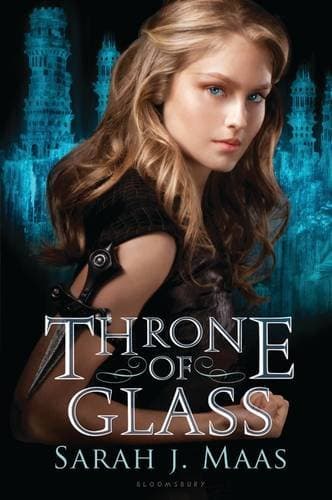
Born in New York City in 1986, Sarah J. Maas began her writing career at age sixteen by posting Queen of Glass, a fantasy reimagining of Cinderella, on the creative writing community FictionPress. The digital serial gained a large internet following prior to its acquisition for traditional publishing. Maas attended Hamilton College in Clinton, New York, where she majored in creative writing and minored in religious studies, graduating Magna Cum Laude in 2008. Her academic focus on mythology, theology, and ancient narrative traditions provided the foundation for the elaborate world-building and pantheons featured throughout her fantasy realms. Her debut novel, Throne of Glass, was published in 2012 by Bloomsbury, expanding her early draft into an eight-volume high fantasy epic centered on the assassin Celaena Sardothien.
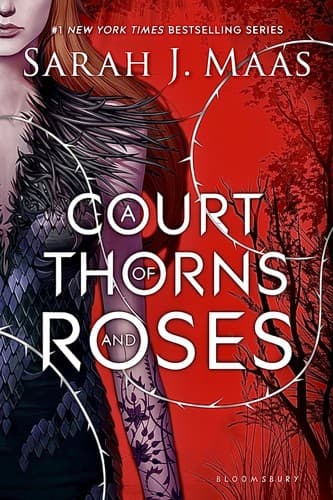
Following the publication of Throne of Glass, Maas expanded her bibliographies with A Court of Thorns and Roses, which debuted in 2015 as a narrative inspired by Beauty and the Beast before growing into a multi-realm Fae saga. Her career subsequently marked a formal transition into the adult fantasy market with House of Earth and Blood, the first installment in her Crescent City series. By bridging young adult, new adult, and adult literature, her published works illustrate how grassroots digital writing can evolve into major global publishing successes while broadening the scope of character-driven epic fantasy.
The writing style of Sarah J. Maas relies heavily on the subversion of classical folklore, developing early inspirations like Cinderella and Beauty and the Beast into extensive, original mythologies. Her prose emphasizes character-driven development, utilizing high-concept magic systems as the background for personal psychological journeys. Rather than prioritizing only external military conflicts, her narrative arcs highlight the emotional weight of war, political upheaval, trauma, and sacrifice, grounding epic plot points in relatable human experiences.
Prominent thematic elements across her books include the reclamation of identity and autonomy after severe trauma, the importance of complex female friendships, and the formation of resilient 'found family' bonds. Her protagonists regularly navigate moral dilemmas, balancing personal desires against the burdens of leadership, power, and survival. Through intricate plot architecture that connects individual stories across sprawling series, her storytelling emphasizes female agency, psychological recovery, and self-actualization within high-stakes fantasy settings.
24 books in catalog
The blending of high-stakes political intrigue, expansive world-building, and deep romantic storylines has reshaped modern fantasy publishing across both young adult and adult categories. Sarah J. Maas has established a central presence in epic fantasy literature through multi-book sagas that have sold over 75 million copies globally in forty languages. Beginning as an online serial written during her teenage years, her body of work has cultivated a massive international audience and helped bring romantic fantasy into the forefront of contemporary commercial fiction.
Born in New York City in 1986, Sarah J. Maas began her writing career at age sixteen by posting Queen of Glass, a fantasy reimagining of Cinderella, on the creative writing community FictionPress. The digital serial gained a large internet following prior to its acquisition for traditional publishing. Maas attended Hamilton College in Clinton, New York, where she majored in creative writing and minored in religious studies, graduating Magna Cum Laude in 2008. Her academic focus on mythology, theology, and ancient narrative traditions provided the foundation for the elaborate world-building and pantheons featured throughout her fantasy realms. Her debut novel, Throne of Glass, was published in 2012 by Bloomsbury, expanding her early draft into an eight-volume high fantasy epic centered on the assassin Celaena Sardothien.
Following the publication of Throne of Glass, Maas expanded her bibliographies with A Court of Thorns and Roses, which debuted in 2015 as a narrative inspired by Beauty and the Beast before growing into a multi-realm Fae saga. Her career subsequently marked a formal transition into the adult fantasy market with House of Earth and Blood, the first installment in her Crescent City series. By bridging young adult, new adult, and adult literature, her published works illustrate how grassroots digital writing can evolve into major global publishing successes while broadening the scope of character-driven epic fantasy.
The writing style of Sarah J. Maas relies heavily on the subversion of classical folklore, developing early inspirations like Cinderella and Beauty and the Beast into extensive, original mythologies. Her prose emphasizes character-driven development, utilizing high-concept magic systems as the background for personal psychological journeys. Rather than prioritizing only external military conflicts, her narrative arcs highlight the emotional weight of war, political upheaval, trauma, and sacrifice, grounding epic plot points in relatable human experiences.
Prominent thematic elements across her books include the reclamation of identity and autonomy after severe trauma, the importance of complex female friendships, and the formation of resilient 'found family' bonds. Her protagonists regularly navigate moral dilemmas, balancing personal desires against the burdens of leadership, power, and survival. Through intricate plot architecture that connects individual stories across sprawling series, her storytelling emphasizes female agency, psychological recovery, and self-actualization within high-stakes fantasy settings.
Throne of Glass
Throne of Glass