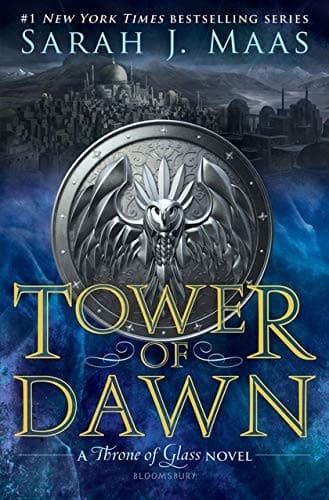

Chaol Westfall arrived in Antica as a man defined by what he has lost: his strength, his position as Captain of the Guard, and the mobility of his legs. Accompanying him is Nesryn Faliq, an archer tasked with negotiating a life-saving alliance for a kingdom on the brink of total collapse. They find themselves in a land where the horrors of the North are treated as distant, exaggerated rumors, and where power is measured not in the sharpness of a blade, but in the sprawling records of the Khaganate’s bureaucratic ledgers.
The mission is twofold: secure the Southern Continent’s massive armies and find a cure for Chaol’s spinal injury at the Torre Cesme, a legendary institution of healers. However, the Southern Empire is a complex machine of ancient traditions and strategic neutrality. To earn their aid, Chaol and Nesryn must navigate a court where every favor is a negotiation and every medical breakthrough carries a steep price in both politics and personal history.
Unlike the hereditary monarchies of the North, the Southern Continent is governed by a Khagan who chooses his successor based on merit rather than birthright, fostering a climate of high-stakes competition among his children. This culture of excellence extends to the Torre Cesme, a vertical city of healing where magic is treated as a disciplined science. The setting is defined by its scale—from the ruk-riders who patrol the mountain peaks on giant birds of prey to the vast libraries that hold the secrets of civilizations predating the current war. It is a world that values preservation and documentation, standing in stark contrast to the destruction seen in the previous installments of the series.
The narrative focuses heavily on the internal landscapes of its protagonists. For Chaol, the journey is less about the physical mechanics of walking and more about deconstructing the "armour" of his personality. His development is tied to his willingness to confront the shame he feels regarding his service to a tyrant. Similarly, Yrene Towers must undergo a process of professional and personal expansion; her arc involves deciding whether her oath to heal extends to those who represent the regime that caused her greatest suffering. Their relationship is built on a foundation of mutual reluctance and the slow, difficult work of building trust through shared vulnerability.
While "Tower of Dawn" utilizes the "quest for a cure" trope, it subverts the expectation of a magical quick-fix. The healing process is depicted as grueling, incremental, and deeply connected to the patient's mental state. It avoids the cliché of the "perfect victim" by allowing Chaol to be bitter, frustrated, and unlikable during his recovery. Additionally, the "diplomatic mission" trope is handled with political realism; the Khagan does not join the war out of moral obligation, but requires cold, hard evidence that the threat to the North will eventually reach his own borders.
The early chapters establish a shift in the series' stakes from physical combat to informational warfare. As Nesryn and Chaol dig into the archives of the Torre Cesme and the Khagan’s court, they realize that the history of their enemy is far older and more complex than they realized. The central tension lies in whether they can uncover enough ancient knowledge to convince a skeptical empire to abandon its neutrality before the shadows in the North cross the sea. The book posits that a well-placed record or a healed healer can be as instrumental to a war effort as a legendary sword.
Chaol Westfall arrived in Antica as a man defined by what he has lost: his strength, his position as Captain of the Guard, and the mobility of his legs. Accompanying him is Nesryn Faliq, an archer tasked with negotiating a life-saving alliance for a kingdom on the brink of total collapse. They find themselves in a land where the horrors of the North are treated as distant, exaggerated rumors, and where power is measured not in the sharpness of a blade, but in the sprawling records of the Khaganate’s bureaucratic ledgers.
The mission is twofold: secure the Southern Continent’s massive armies and find a cure for Chaol’s spinal injury at the Torre Cesme, a legendary institution of healers. However, the Southern Empire is a complex machine of ancient traditions and strategic neutrality. To earn their aid, Chaol and Nesryn must navigate a court where every favor is a negotiation and every medical breakthrough carries a steep price in both politics and personal history.
Unlike the hereditary monarchies of the North, the Southern Continent is governed by a Khagan who chooses his successor based on merit rather than birthright, fostering a climate of high-stakes competition among his children. This culture of excellence extends to the Torre Cesme, a vertical city of healing where magic is treated as a disciplined science. The setting is defined by its scale—from the ruk-riders who patrol the mountain peaks on giant birds of prey to the vast libraries that hold the secrets of civilizations predating the current war. It is a world that values preservation and documentation, standing in stark contrast to the destruction seen in the previous installments of the series.
The narrative focuses heavily on the internal landscapes of its protagonists. For Chaol, the journey is less about the physical mechanics of walking and more about deconstructing the "armour" of his personality. His development is tied to his willingness to confront the shame he feels regarding his service to a tyrant. Similarly, Yrene Towers must undergo a process of professional and personal expansion; her arc involves deciding whether her oath to heal extends to those who represent the regime that caused her greatest suffering. Their relationship is built on a foundation of mutual reluctance and the slow, difficult work of building trust through shared vulnerability.
While "Tower of Dawn" utilizes the "quest for a cure" trope, it subverts the expectation of a magical quick-fix. The healing process is depicted as grueling, incremental, and deeply connected to the patient's mental state. It avoids the cliché of the "perfect victim" by allowing Chaol to be bitter, frustrated, and unlikable during his recovery. Additionally, the "diplomatic mission" trope is handled with political realism; the Khagan does not join the war out of moral obligation, but requires cold, hard evidence that the threat to the North will eventually reach his own borders.
The early chapters establish a shift in the series' stakes from physical combat to informational warfare. As Nesryn and Chaol dig into the archives of the Torre Cesme and the Khagan’s court, they realize that the history of their enemy is far older and more complex than they realized. The central tension lies in whether they can uncover enough ancient knowledge to convince a skeptical empire to abandon its neutrality before the shadows in the North cross the sea. The book posits that a well-placed record or a healed healer can be as instrumental to a war effort as a legendary sword.
Add to your library to track progress and write reviews
Find Tower of Dawn Sarah J. Maas in PDF, EPUB, ebook, audiobook, print, or library editions.
24 books in catalog
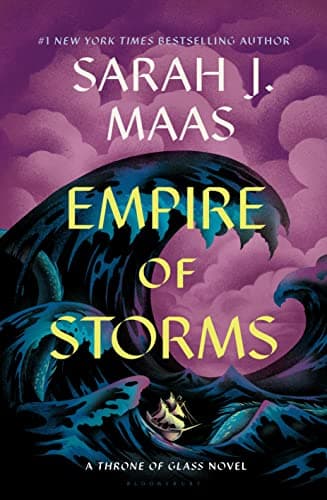
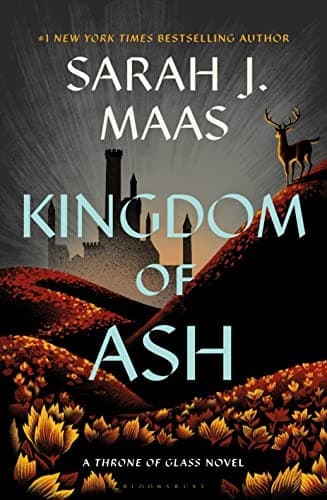
The blending of high-stakes political intrigue, expansive world-building, and deep romantic storylines has reshaped modern fantasy publishing across both young adult and adult categories. Sarah J. Maas has established a central presence in epic fantasy literature through multi-book sagas that have sold over 75 million copies globally in forty languages. Beginning as an online serial written during her teenage years, her body of work has cultivated a massive international audience and helped bring romantic fantasy into the forefront of contemporary commercial fiction.
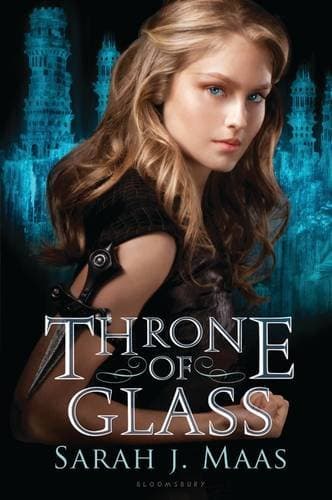
Born in New York City in 1986, Sarah J. Maas began her writing career at age sixteen by posting Queen of Glass, a fantasy reimagining of Cinderella, on the creative writing community FictionPress. The digital serial gained a large internet following prior to its acquisition for traditional publishing. Maas attended Hamilton College in Clinton, New York, where she majored in creative writing and minored in religious studies, graduating Magna Cum Laude in 2008. Her academic focus on mythology, theology, and ancient narrative traditions provided the foundation for the elaborate world-building and pantheons featured throughout her fantasy realms. Her debut novel, Throne of Glass, was published in 2012 by Bloomsbury, expanding her early draft into an eight-volume high fantasy epic centered on the assassin Celaena Sardothien.
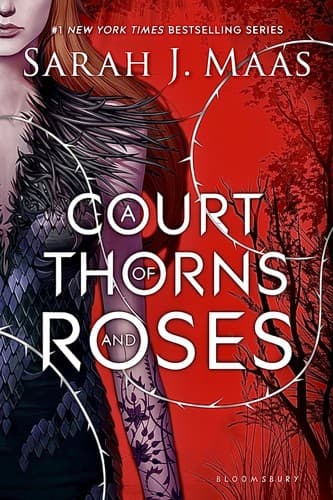
Following the publication of Throne of Glass, Maas expanded her bibliographies with A Court of Thorns and Roses, which debuted in 2015 as a narrative inspired by Beauty and the Beast before growing into a multi-realm Fae saga. Her career subsequently marked a formal transition into the adult fantasy market with House of Earth and Blood, the first installment in her Crescent City series. By bridging young adult, new adult, and adult literature, her published works illustrate how grassroots digital writing can evolve into major global publishing successes while broadening the scope of character-driven epic fantasy.
The writing style of Sarah J. Maas relies heavily on the subversion of classical folklore, developing early inspirations like Cinderella and Beauty and the Beast into extensive, original mythologies. Her prose emphasizes character-driven development, utilizing high-concept magic systems as the background for personal psychological journeys. Rather than prioritizing only external military conflicts, her narrative arcs highlight the emotional weight of war, political upheaval, trauma, and sacrifice, grounding epic plot points in relatable human experiences.
Prominent thematic elements across her books include the reclamation of identity and autonomy after severe trauma, the importance of complex female friendships, and the formation of resilient 'found family' bonds. Her protagonists regularly navigate moral dilemmas, balancing personal desires against the burdens of leadership, power, and survival. Through intricate plot architecture that connects individual stories across sprawling series, her storytelling emphasizes female agency, psychological recovery, and self-actualization within high-stakes fantasy settings.
24 books in catalog
The blending of high-stakes political intrigue, expansive world-building, and deep romantic storylines has reshaped modern fantasy publishing across both young adult and adult categories. Sarah J. Maas has established a central presence in epic fantasy literature through multi-book sagas that have sold over 75 million copies globally in forty languages. Beginning as an online serial written during her teenage years, her body of work has cultivated a massive international audience and helped bring romantic fantasy into the forefront of contemporary commercial fiction.
Born in New York City in 1986, Sarah J. Maas began her writing career at age sixteen by posting Queen of Glass, a fantasy reimagining of Cinderella, on the creative writing community FictionPress. The digital serial gained a large internet following prior to its acquisition for traditional publishing. Maas attended Hamilton College in Clinton, New York, where she majored in creative writing and minored in religious studies, graduating Magna Cum Laude in 2008. Her academic focus on mythology, theology, and ancient narrative traditions provided the foundation for the elaborate world-building and pantheons featured throughout her fantasy realms. Her debut novel, Throne of Glass, was published in 2012 by Bloomsbury, expanding her early draft into an eight-volume high fantasy epic centered on the assassin Celaena Sardothien.
Following the publication of Throne of Glass, Maas expanded her bibliographies with A Court of Thorns and Roses, which debuted in 2015 as a narrative inspired by Beauty and the Beast before growing into a multi-realm Fae saga. Her career subsequently marked a formal transition into the adult fantasy market with House of Earth and Blood, the first installment in her Crescent City series. By bridging young adult, new adult, and adult literature, her published works illustrate how grassroots digital writing can evolve into major global publishing successes while broadening the scope of character-driven epic fantasy.
The writing style of Sarah J. Maas relies heavily on the subversion of classical folklore, developing early inspirations like Cinderella and Beauty and the Beast into extensive, original mythologies. Her prose emphasizes character-driven development, utilizing high-concept magic systems as the background for personal psychological journeys. Rather than prioritizing only external military conflicts, her narrative arcs highlight the emotional weight of war, political upheaval, trauma, and sacrifice, grounding epic plot points in relatable human experiences.
Prominent thematic elements across her books include the reclamation of identity and autonomy after severe trauma, the importance of complex female friendships, and the formation of resilient 'found family' bonds. Her protagonists regularly navigate moral dilemmas, balancing personal desires against the burdens of leadership, power, and survival. Through intricate plot architecture that connects individual stories across sprawling series, her storytelling emphasizes female agency, psychological recovery, and self-actualization within high-stakes fantasy settings.
Throne of Glass
Throne of Glass