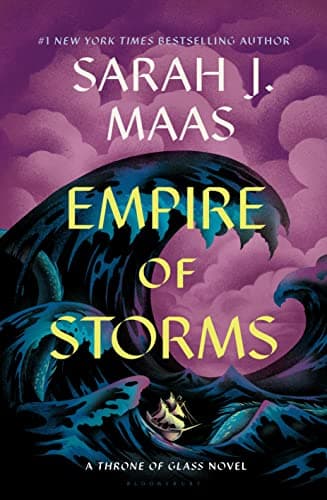

Aelin Galathynius has finally reclaimed her identity, but her throne remains a ghost of the past. As the dark king Erawan unleashes his Valg armies across the continent of Erilea, the young queen finds herself in a desperate race against a logistical nightmare. She is a monarch without a standing army, a strategist without a base of operations, and a fire-bringer whose greatest weapon is a double-edged sword that could consume the very people she intends to save. The conflict is no longer a shadow war fought in the alleys of Rifthold; it has scaled into a continental game of attrition where every alliance is a calculated risk and every delay is a death sentence.
The narrative focuses on the brutal arithmetic of survival. To build a coalition capable of standing against the ancient darkness, Aelin must navigate a landscape of fractured loyalties and ancient debts. The stakes are grounded in the tension between the ideal of a free Terrasen and the grim reality of what must be traded to achieve it. This is a story of a court in exile, moving through the fringes of the world to gather the remnants of broken kingdoms, all while knowing that the first true clash of the coming war will likely occur before they are ever ready to face it.
In this installment, the world of Erilea expands beyond the city-states into the maritime reaches and ancestral wilds. The return of magic is treated not as a sudden solution, but as a destabilizing force that changes the rules of engagement. Nations that have spent a decade relying on steel and gunpowder must now account for the reality of Fae power and the terrifying, parasitic nature of the Valg possession. The atmosphere is one of maritime tension and coastal vulnerability, where the vastness of the sea offers both a sanctuary for refugees and a highway for Erawan’s black-sailed ships.
The central arc focuses on the evolution of Aelin’s leadership style. Previously accustomed to operating through secrets and solitary strikes, she now faces the vulnerability of being a public figurehead. The dynamic within her inner circle—her "court"—shifts from one of mutual survival to one of professional hierarchy and shared sacrifice. There is a palpable tension in how these characters manage their personal traumas while maintaining the stoic masks required for wartime diplomacy. The relationship between Aelin and Rowan, in particular, matures into a partnership of shared strategic responsibility rather than just mutual protection.
The book utilizes the Gathering the Team and The Quest for the MacGuffin tropes but anchors them in high-stakes political realism. Rather than the "Chosen One" simply fulfilling a prophecy, Aelin is portrayed as a leader who must earn her followers through tangible promises and difficult concessions. The Race Against Time is also prominent, but it is treated with a focus on geographical distance and the slow movement of naval fleets, emphasizing that even with magic, the physical world imposes harsh limits on the heroes' ambitions.
A significant thematic pillar is the concept of the "blood debt." Every favor Aelin asks of a pirate lord or a foreign noble comes with a future cost that she may not be able to pay. The narrative explores the moral dilemma of the "greater good": how many individual lives or cultural traditions can be sacrificed today to ensure there is a tomorrow? As the first half of the book concludes, the heroes are left with a ledger of promises that may eventually bankrupt their souls, even if it saves their kingdoms.
Aelin Galathynius has finally reclaimed her identity, but her throne remains a ghost of the past. As the dark king Erawan unleashes his Valg armies across the continent of Erilea, the young queen finds herself in a desperate race against a logistical nightmare. She is a monarch without a standing army, a strategist without a base of operations, and a fire-bringer whose greatest weapon is a double-edged sword that could consume the very people she intends to save. The conflict is no longer a shadow war fought in the alleys of Rifthold; it has scaled into a continental game of attrition where every alliance is a calculated risk and every delay is a death sentence.
The narrative focuses on the brutal arithmetic of survival. To build a coalition capable of standing against the ancient darkness, Aelin must navigate a landscape of fractured loyalties and ancient debts. The stakes are grounded in the tension between the ideal of a free Terrasen and the grim reality of what must be traded to achieve it. This is a story of a court in exile, moving through the fringes of the world to gather the remnants of broken kingdoms, all while knowing that the first true clash of the coming war will likely occur before they are ever ready to face it.
In this installment, the world of Erilea expands beyond the city-states into the maritime reaches and ancestral wilds. The return of magic is treated not as a sudden solution, but as a destabilizing force that changes the rules of engagement. Nations that have spent a decade relying on steel and gunpowder must now account for the reality of Fae power and the terrifying, parasitic nature of the Valg possession. The atmosphere is one of maritime tension and coastal vulnerability, where the vastness of the sea offers both a sanctuary for refugees and a highway for Erawan’s black-sailed ships.
The central arc focuses on the evolution of Aelin’s leadership style. Previously accustomed to operating through secrets and solitary strikes, she now faces the vulnerability of being a public figurehead. The dynamic within her inner circle—her "court"—shifts from one of mutual survival to one of professional hierarchy and shared sacrifice. There is a palpable tension in how these characters manage their personal traumas while maintaining the stoic masks required for wartime diplomacy. The relationship between Aelin and Rowan, in particular, matures into a partnership of shared strategic responsibility rather than just mutual protection.
The book utilizes the Gathering the Team and The Quest for the MacGuffin tropes but anchors them in high-stakes political realism. Rather than the "Chosen One" simply fulfilling a prophecy, Aelin is portrayed as a leader who must earn her followers through tangible promises and difficult concessions. The Race Against Time is also prominent, but it is treated with a focus on geographical distance and the slow movement of naval fleets, emphasizing that even with magic, the physical world imposes harsh limits on the heroes' ambitions.
A significant thematic pillar is the concept of the "blood debt." Every favor Aelin asks of a pirate lord or a foreign noble comes with a future cost that she may not be able to pay. The narrative explores the moral dilemma of the "greater good": how many individual lives or cultural traditions can be sacrificed today to ensure there is a tomorrow? As the first half of the book concludes, the heroes are left with a ledger of promises that may eventually bankrupt their souls, even if it saves their kingdoms.
Add to your library to track progress and write reviews
Find Empire of Storms Sarah J. Maas in PDF, EPUB, ebook, audiobook, print, or library editions.
24 books in catalog
The blending of high-stakes political intrigue, expansive world-building, and deep romantic storylines has reshaped modern fantasy publishing across both young adult and adult categories. Sarah J. Maas has established a central presence in epic fantasy literature through multi-book sagas that have sold over 75 million copies globally in forty languages. Beginning as an online serial written during her teenage years, her body of work has cultivated a massive international audience and helped bring romantic fantasy into the forefront of contemporary commercial fiction.
Born in New York City in 1986, Sarah J. Maas began her writing career at age sixteen by posting Queen of Glass, a fantasy reimagining of Cinderella, on the creative writing community FictionPress. The digital serial gained a large internet following prior to its acquisition for traditional publishing. Maas attended Hamilton College in Clinton, New York, where she majored in creative writing and minored in religious studies, graduating Magna Cum Laude in 2008. Her academic focus on mythology, theology, and ancient narrative traditions provided the foundation for the elaborate world-building and pantheons featured throughout her fantasy realms. Her debut novel, Throne of Glass, was published in 2012 by Bloomsbury, expanding her early draft into an eight-volume high fantasy epic centered on the assassin Celaena Sardothien.
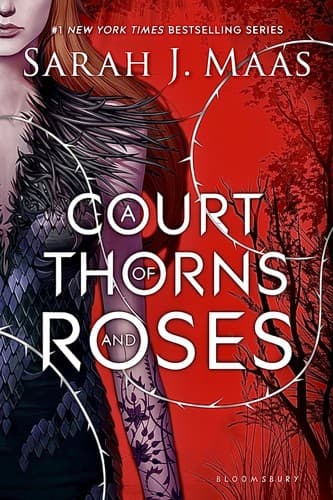
Following the publication of Throne of Glass, Maas expanded her bibliographies with A Court of Thorns and Roses, which debuted in 2015 as a narrative inspired by Beauty and the Beast before growing into a multi-realm Fae saga. Her career subsequently marked a formal transition into the adult fantasy market with House of Earth and Blood, the first installment in her Crescent City series. By bridging young adult, new adult, and adult literature, her published works illustrate how grassroots digital writing can evolve into major global publishing successes while broadening the scope of character-driven epic fantasy.
The writing style of Sarah J. Maas relies heavily on the subversion of classical folklore, developing early inspirations like Cinderella and Beauty and the Beast into extensive, original mythologies. Her prose emphasizes character-driven development, utilizing high-concept magic systems as the background for personal psychological journeys. Rather than prioritizing only external military conflicts, her narrative arcs highlight the emotional weight of war, political upheaval, trauma, and sacrifice, grounding epic plot points in relatable human experiences.
Prominent thematic elements across her books include the reclamation of identity and autonomy after severe trauma, the importance of complex female friendships, and the formation of resilient 'found family' bonds. Her protagonists regularly navigate moral dilemmas, balancing personal desires against the burdens of leadership, power, and survival. Through intricate plot architecture that connects individual stories across sprawling series, her storytelling emphasizes female agency, psychological recovery, and self-actualization within high-stakes fantasy settings.
24 books in catalog
The blending of high-stakes political intrigue, expansive world-building, and deep romantic storylines has reshaped modern fantasy publishing across both young adult and adult categories. Sarah J. Maas has established a central presence in epic fantasy literature through multi-book sagas that have sold over 75 million copies globally in forty languages. Beginning as an online serial written during her teenage years, her body of work has cultivated a massive international audience and helped bring romantic fantasy into the forefront of contemporary commercial fiction.
Born in New York City in 1986, Sarah J. Maas began her writing career at age sixteen by posting Queen of Glass, a fantasy reimagining of Cinderella, on the creative writing community FictionPress. The digital serial gained a large internet following prior to its acquisition for traditional publishing. Maas attended Hamilton College in Clinton, New York, where she majored in creative writing and minored in religious studies, graduating Magna Cum Laude in 2008. Her academic focus on mythology, theology, and ancient narrative traditions provided the foundation for the elaborate world-building and pantheons featured throughout her fantasy realms. Her debut novel, Throne of Glass, was published in 2012 by Bloomsbury, expanding her early draft into an eight-volume high fantasy epic centered on the assassin Celaena Sardothien.
Following the publication of Throne of Glass, Maas expanded her bibliographies with A Court of Thorns and Roses, which debuted in 2015 as a narrative inspired by Beauty and the Beast before growing into a multi-realm Fae saga. Her career subsequently marked a formal transition into the adult fantasy market with House of Earth and Blood, the first installment in her Crescent City series. By bridging young adult, new adult, and adult literature, her published works illustrate how grassroots digital writing can evolve into major global publishing successes while broadening the scope of character-driven epic fantasy.
The writing style of Sarah J. Maas relies heavily on the subversion of classical folklore, developing early inspirations like Cinderella and Beauty and the Beast into extensive, original mythologies. Her prose emphasizes character-driven development, utilizing high-concept magic systems as the background for personal psychological journeys. Rather than prioritizing only external military conflicts, her narrative arcs highlight the emotional weight of war, political upheaval, trauma, and sacrifice, grounding epic plot points in relatable human experiences.
Prominent thematic elements across her books include the reclamation of identity and autonomy after severe trauma, the importance of complex female friendships, and the formation of resilient 'found family' bonds. Her protagonists regularly navigate moral dilemmas, balancing personal desires against the burdens of leadership, power, and survival. Through intricate plot architecture that connects individual stories across sprawling series, her storytelling emphasizes female agency, psychological recovery, and self-actualization within high-stakes fantasy settings.
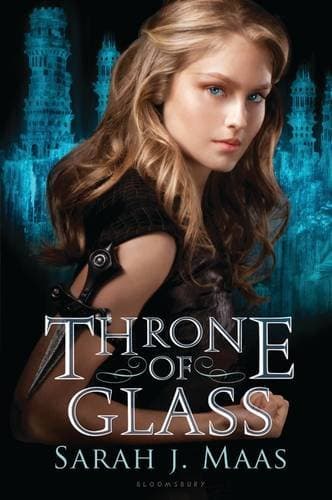
Throne of Glass
Throne of Glass