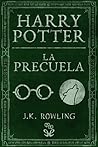
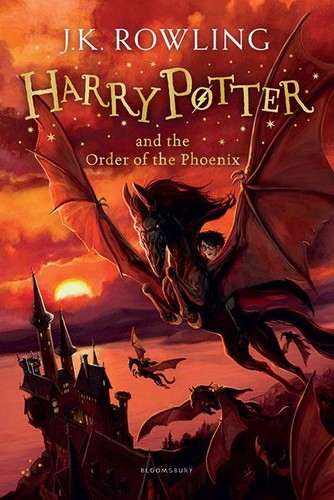
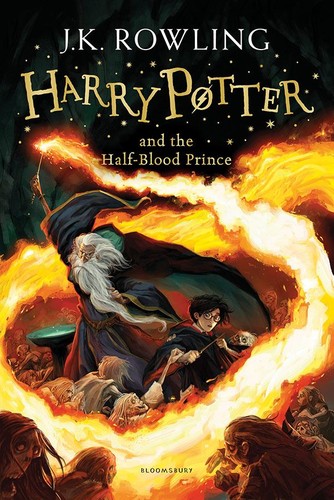
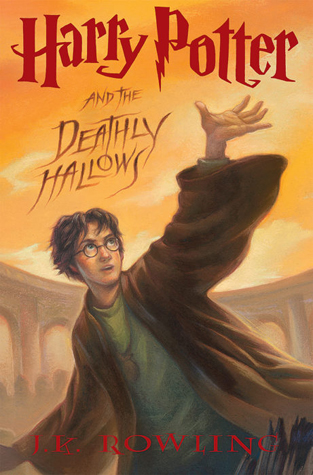
Long before the Boy Who Lived entered the halls of Hogwarts, a different kind of rebellion was brewing on the streets of the Muggle world. Set three years before the birth of Harry Potter, this kinetic encounter follows Sirius Black and James Potter—not as the legendary figures of history, but as reckless teenagers fueled by adrenaline and a touch of magical arrogance. When a high-speed motorcycle chase through a Muggle town brings them face-to-face with local law enforcement, the collision of two vastly different realities reveals the friction that defines the wizarding experience.
The narrative strips away the weight of prophecy and destiny, focusing instead on the mechanics of secrecy and the sheer physicality of magic. It captures a moment of transition where the boundaries between the non-magical and the magical are at their most porous, highlighting the ideological divide and the youthful defiance that predates the first Great Wizarding War. By focusing on a single, tense standoff in a narrow alleyway, the story explores how the wizarding world interacts with a modern, mundane society that remains largely unaware of the power hiding in plain sight.
The world-building centers on the thin veil between the Muggle and Wizarding societies during the late 1970s. Unlike the secluded safety of Hogwarts, this setting is defined by the International Statute of Secrecy and the practical challenges of maintaining it. The atmosphere is one of urban grit meeting clandestine wonder; the rules of the road and Muggle physics are mere suggestions to wizards, yet the threat of exposure remains a constant legal and social pressure. The story highlights the logistical reality of being a wizard in a non-magical space, where a simple motorcycle is not merely a vehicle but a statement of rebellion against both Muggle law and Wizarding convention.
The character focus is placed squarely on the symbiotic relationship between James Potter and Sirius Black. At this stage in their development, they are defined by a shared sense of invincibility and a playful disregard for authority. Their interaction is not built on the somber bonds of war, but on the effortless, almost telepathic coordination of two friends who have spent years perfecting their craft. We see the initial arc of their identities as "Marauders"—charismatic, slightly elitist, and profoundly talented—before the complexities of adulthood and the shadows of the Dark Arts begin to encroach upon their lives.
This narrative utilizes the "Rebellious Youth" and "Buddy Cop" tropes, only to subvert them through the lens of urban fantasy. While the setup mimics a standard police procedural or a coming-of-age "outrunning the law" scenario, the inclusion of magic shifts the stakes from a matter of criminal justice to a matter of existential secrecy. The trope of the "misunderstood outlaw" is turned on its head; James and Sirius are not victims of a system, but architects of their own chaos, using their superior abilities to navigate a world they view with a mixture of amusement and detachment. This creates a moral dilemma regarding the responsibility of power and the ethics of interacting with those who cannot defend themselves against supernatural means.
Long before the Boy Who Lived entered the halls of Hogwarts, a different kind of rebellion was brewing on the streets of the Muggle world. Set three years before the birth of Harry Potter, this kinetic encounter follows Sirius Black and James Potter—not as the legendary figures of history, but as reckless teenagers fueled by adrenaline and a touch of magical arrogance. When a high-speed motorcycle chase through a Muggle town brings them face-to-face with local law enforcement, the collision of two vastly different realities reveals the friction that defines the wizarding experience.
The narrative strips away the weight of prophecy and destiny, focusing instead on the mechanics of secrecy and the sheer physicality of magic. It captures a moment of transition where the boundaries between the non-magical and the magical are at their most porous, highlighting the ideological divide and the youthful defiance that predates the first Great Wizarding War. By focusing on a single, tense standoff in a narrow alleyway, the story explores how the wizarding world interacts with a modern, mundane society that remains largely unaware of the power hiding in plain sight.
The world-building centers on the thin veil between the Muggle and Wizarding societies during the late 1970s. Unlike the secluded safety of Hogwarts, this setting is defined by the International Statute of Secrecy and the practical challenges of maintaining it. The atmosphere is one of urban grit meeting clandestine wonder; the rules of the road and Muggle physics are mere suggestions to wizards, yet the threat of exposure remains a constant legal and social pressure. The story highlights the logistical reality of being a wizard in a non-magical space, where a simple motorcycle is not merely a vehicle but a statement of rebellion against both Muggle law and Wizarding convention.
The character focus is placed squarely on the symbiotic relationship between James Potter and Sirius Black. At this stage in their development, they are defined by a shared sense of invincibility and a playful disregard for authority. Their interaction is not built on the somber bonds of war, but on the effortless, almost telepathic coordination of two friends who have spent years perfecting their craft. We see the initial arc of their identities as "Marauders"—charismatic, slightly elitist, and profoundly talented—before the complexities of adulthood and the shadows of the Dark Arts begin to encroach upon their lives.
This narrative utilizes the "Rebellious Youth" and "Buddy Cop" tropes, only to subvert them through the lens of urban fantasy. While the setup mimics a standard police procedural or a coming-of-age "outrunning the law" scenario, the inclusion of magic shifts the stakes from a matter of criminal justice to a matter of existential secrecy. The trope of the "misunderstood outlaw" is turned on its head; James and Sirius are not victims of a system, but architects of their own chaos, using their superior abilities to navigate a world they view with a mixture of amusement and detachment. This creates a moral dilemma regarding the responsibility of power and the ethics of interacting with those who cannot defend themselves against supernatural means.
Add to your library to track progress and write reviews
Harry Potter
Harry Potter
9 books in catalog
The fantasy genre underwent a significant transformation through the introduction of a narrative centered on a young wizard, a concept that first took shape during a delayed train journey from Manchester to London in 1990. This creative development occurred during a period of profound personal adversity for the author, J.K. Rowling, who navigated the loss of her mother to multiple sclerosis while living as a single parent in Edinburgh. It was in local cafes that she completed the initial manuscript for her debut novel, a work that would eventually bridge the gap between juvenile and adult readerships by grounding its magical elements in relatable coming-of-age struggles and complex moral philosophy. The transition from a struggling writer to a critically recognized novelist underscores a career marked by narrative versatility, spanning from high-concept children's literature to gritty social realism and contemporary detective fiction. By exploring the complexities of loss and the weight of personal choice, her bibliography has become a significant component of contemporary English literature.
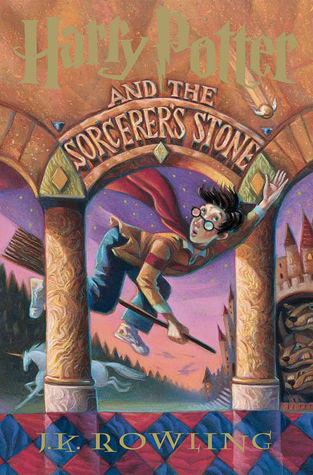
Born in 1965 in Yate, England, Joanne Rowling’s path to publication was defined by academic focus and professional shifts. After studying French and Classics at the University of Exeter—an education that would later inform the Latinate spells and mythological structures of her fiction—she moved to Portugal to teach English. It was following her return to the United Kingdom, specifically to Scotland, that she faced the most challenging years of her career. Living on a low income, she completed the manuscript for Harry Potter and the Philosopher’s Stone (1997). The book was famously rejected by twelve publishing houses before being accepted by Bloomsbury. This debut sparked a major shift in the industry, leading to seven core novels that have been translated into over 80 languages. Following the conclusion of her primary fantasy series, she expanded her repertoire into adult fiction with the 2012 release of The Casual Vacancy, a novel focused on the social politics of a small English town.
Her writing is characterized by intricate plotting, a penchant for mystery-style clues hidden in plain sight, and a satirical lens often aimed at bureaucracy and social hierarchy. Influenced by the works of Jane Austen and E. Nesbit, she employs a third-person limited perspective that allows for deep emotional resonance while maintaining a vast, interconnected world-building style. Thematic consistency remains a hallmark of her work. Death is a central, recurring motif, influenced largely by her mother’s passing; her stories often examine the redemptive capacity of love and the moral necessity of facing mortality. Furthermore, her narratives frequently tackle the abuse of power and the persistence of bigotry. Whether in a magical school or a contemporary village, she emphasizes that good and evil are not inherent traits but are defined by the choices an individual makes when confronted with fear or ambition.
The Harry Potter series is a seven-book sequence that follows the education of a young wizard. The series is credited with reviving the middle-grade and young adult market, blending elements of the British boarding school story with epic fantasy and mystery. The Cormoran Strike series, written under the pseudonym Robert Galbraith, is a collection of hardboiled detective novels following a private investigator and his assistant, Robin Ellacott. This series allows for a more granular exploration of contemporary London and the technicalities of forensic and psychological investigation. The Casual Vacancy serves as her first foray into adult social realism, examining themes of class warfare, addiction, and the systemic failures of local government. More recent ventures, such as The Ickabog and The Christmas Pig, return to a more whimsical, fable-like tone while maintaining her signature focus on morality and courage.
9 books in catalog
The fantasy genre underwent a significant transformation through the introduction of a narrative centered on a young wizard, a concept that first took shape during a delayed train journey from Manchester to London in 1990. This creative development occurred during a period of profound personal adversity for the author, J.K. Rowling, who navigated the loss of her mother to multiple sclerosis while living as a single parent in Edinburgh. It was in local cafes that she completed the initial manuscript for her debut novel, a work that would eventually bridge the gap between juvenile and adult readerships by grounding its magical elements in relatable coming-of-age struggles and complex moral philosophy. The transition from a struggling writer to a critically recognized novelist underscores a career marked by narrative versatility, spanning from high-concept children's literature to gritty social realism and contemporary detective fiction. By exploring the complexities of loss and the weight of personal choice, her bibliography has become a significant component of contemporary English literature.
Born in 1965 in Yate, England, Joanne Rowling’s path to publication was defined by academic focus and professional shifts. After studying French and Classics at the University of Exeter—an education that would later inform the Latinate spells and mythological structures of her fiction—she moved to Portugal to teach English. It was following her return to the United Kingdom, specifically to Scotland, that she faced the most challenging years of her career. Living on a low income, she completed the manuscript for Harry Potter and the Philosopher’s Stone (1997). The book was famously rejected by twelve publishing houses before being accepted by Bloomsbury. This debut sparked a major shift in the industry, leading to seven core novels that have been translated into over 80 languages. Following the conclusion of her primary fantasy series, she expanded her repertoire into adult fiction with the 2012 release of The Casual Vacancy, a novel focused on the social politics of a small English town.
Her writing is characterized by intricate plotting, a penchant for mystery-style clues hidden in plain sight, and a satirical lens often aimed at bureaucracy and social hierarchy. Influenced by the works of Jane Austen and E. Nesbit, she employs a third-person limited perspective that allows for deep emotional resonance while maintaining a vast, interconnected world-building style. Thematic consistency remains a hallmark of her work. Death is a central, recurring motif, influenced largely by her mother’s passing; her stories often examine the redemptive capacity of love and the moral necessity of facing mortality. Furthermore, her narratives frequently tackle the abuse of power and the persistence of bigotry. Whether in a magical school or a contemporary village, she emphasizes that good and evil are not inherent traits but are defined by the choices an individual makes when confronted with fear or ambition.
The Harry Potter series is a seven-book sequence that follows the education of a young wizard. The series is credited with reviving the middle-grade and young adult market, blending elements of the British boarding school story with epic fantasy and mystery. The Cormoran Strike series, written under the pseudonym Robert Galbraith, is a collection of hardboiled detective novels following a private investigator and his assistant, Robin Ellacott. This series allows for a more granular exploration of contemporary London and the technicalities of forensic and psychological investigation. The Casual Vacancy serves as her first foray into adult social realism, examining themes of class warfare, addiction, and the systemic failures of local government. More recent ventures, such as The Ickabog and The Christmas Pig, return to a more whimsical, fable-like tone while maintaining her signature focus on morality and courage.