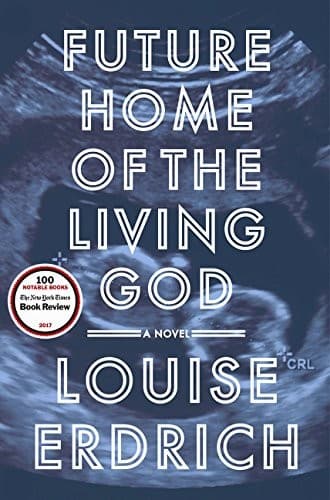
Future Home of the Living God
Louise Erdrich, 2017
Evolution runs backwards and women give birth to primitive infants. Erdrich applies a literary eye to the societal upheaval that follows.

1Q84
Haruki Murakami, Philip Gabriel, 20
Murakami's Tokyo splits into a parallel world with a question mark in its name, following two lives that unravel across realities. Long, and deliberately strange.
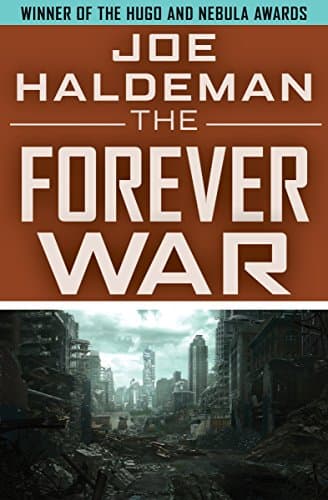
The Forever War
Joe Haldeman, 1974
A soldier fights a thousand-year war and comes home to an Earth that has moved on without him. Haldeman makes time dilation the cruelest weapon of all.

Dhalgren
Samuel R. Delany, 1975
A drifter walks into a dying city and the novel never quite lets you get your bearings. Delany's cult classic rewards readers who like their sci-fi disorienting on purpose.
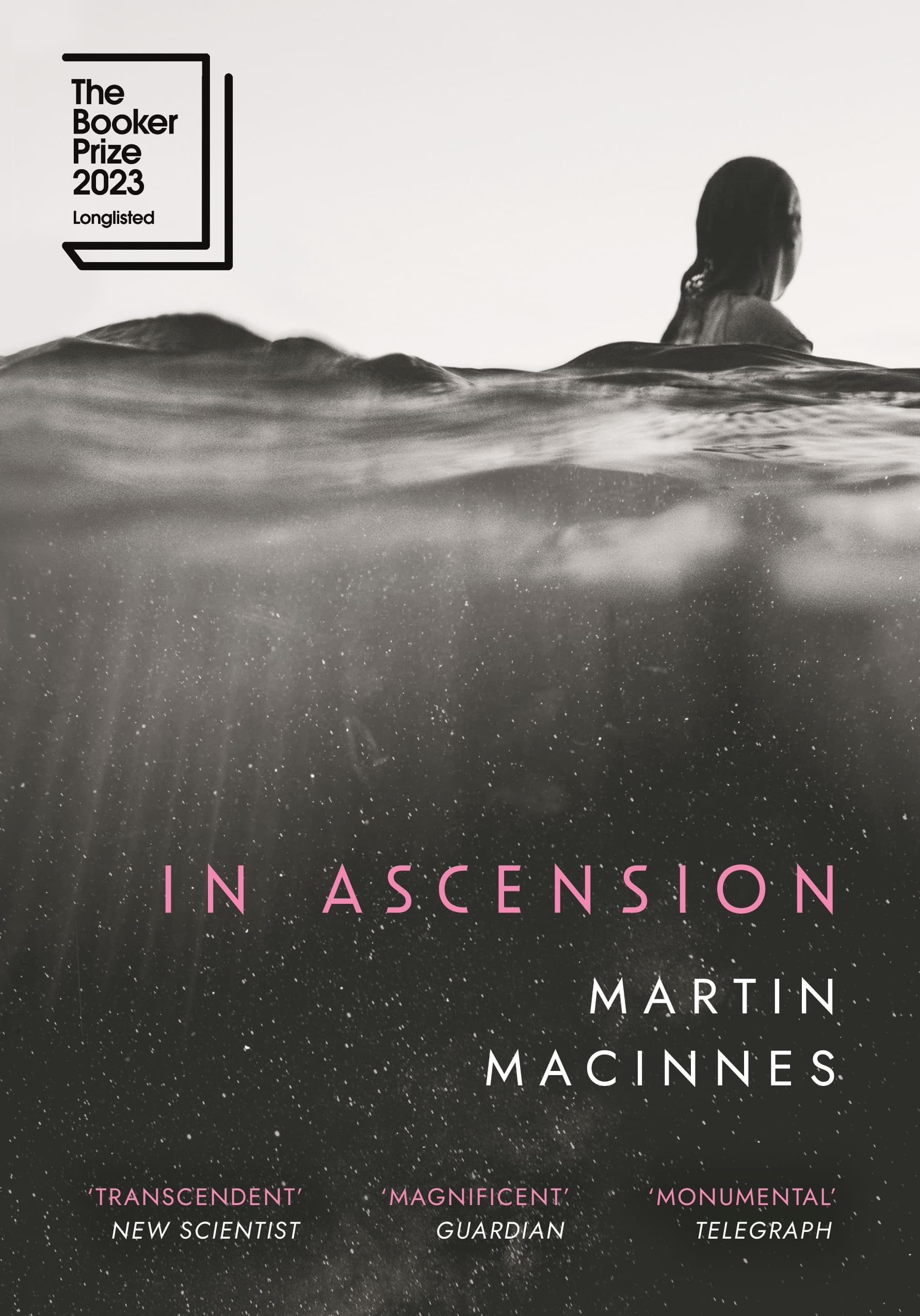
In Ascension
Martin MacInnes, 2023
A trench in the Atlantic leads a marine biologist from ancient life forms to a space agency. MacInnes connects the deep sea to the stars without breaking stride.
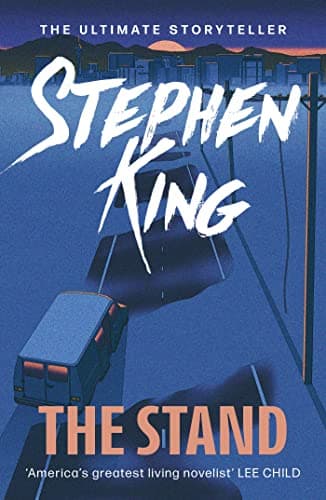
The Stand
Stephen King, 1978
One lab breach, one super-flu, and American civilization gone in weeks. King's pandemic epic is less about the plague than about what people build in the rubble.
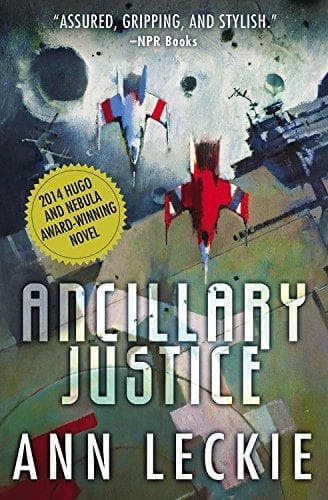
Ancillary Justice
Ann Leckie, 2013
A starship AI reduced to one fragile body, out for revenge against the many-bodied Lord of the Radch. Leckie explores personhood through a revenge plot, and this is where it starts.
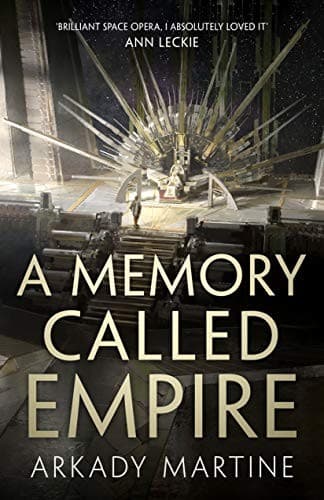
A Memory Called Empire
Arkady Martine, 2019
An ambassador inherits her predecessor's murder mystery and an empire too seductive to resist. Martine combines political intrigue with lyrical prose.
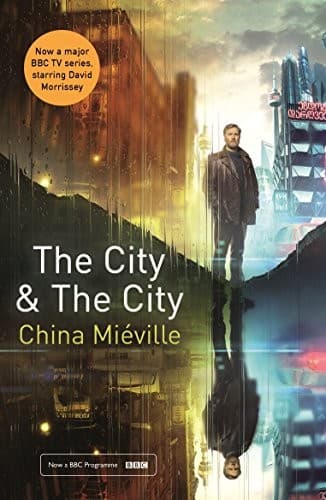
The City & The City
China Miéville, 2009
A routine murder case in the decaying city of Beszel points Borlú toward a border like no other. Miéville uses a detective story to examine borders and belief.
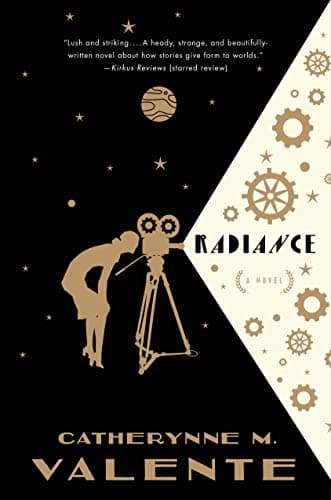
Radiance
Catherynne M. Valente, 2015
Valente rebuilds the solar system as an alternate 1986 of talking pictures and inhabited planets, following a documentary maker through cults and saloons. Odd in the best way.
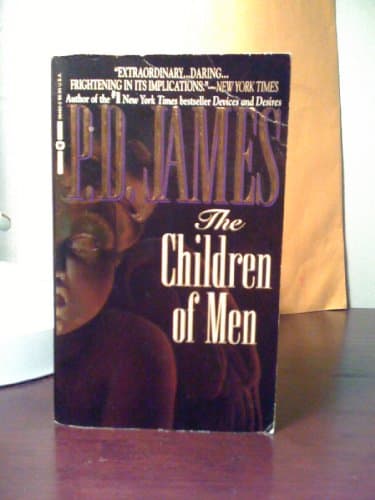
The Children of Men
P.D. James, 1992
James imagined 2021 as a Britain gone infertile and dictatorial, aging toward extinction. The premise sounds familiar now; the bleakness still doesn't.
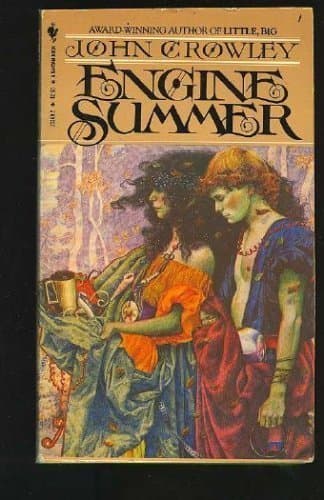
Engine Summer
John Crowley, 1979
Crowley's coming-of-age tale unfolds in a world cycling between busy times of discovery and quiet times of understanding, rewarding readers who enjoy mythic futures.
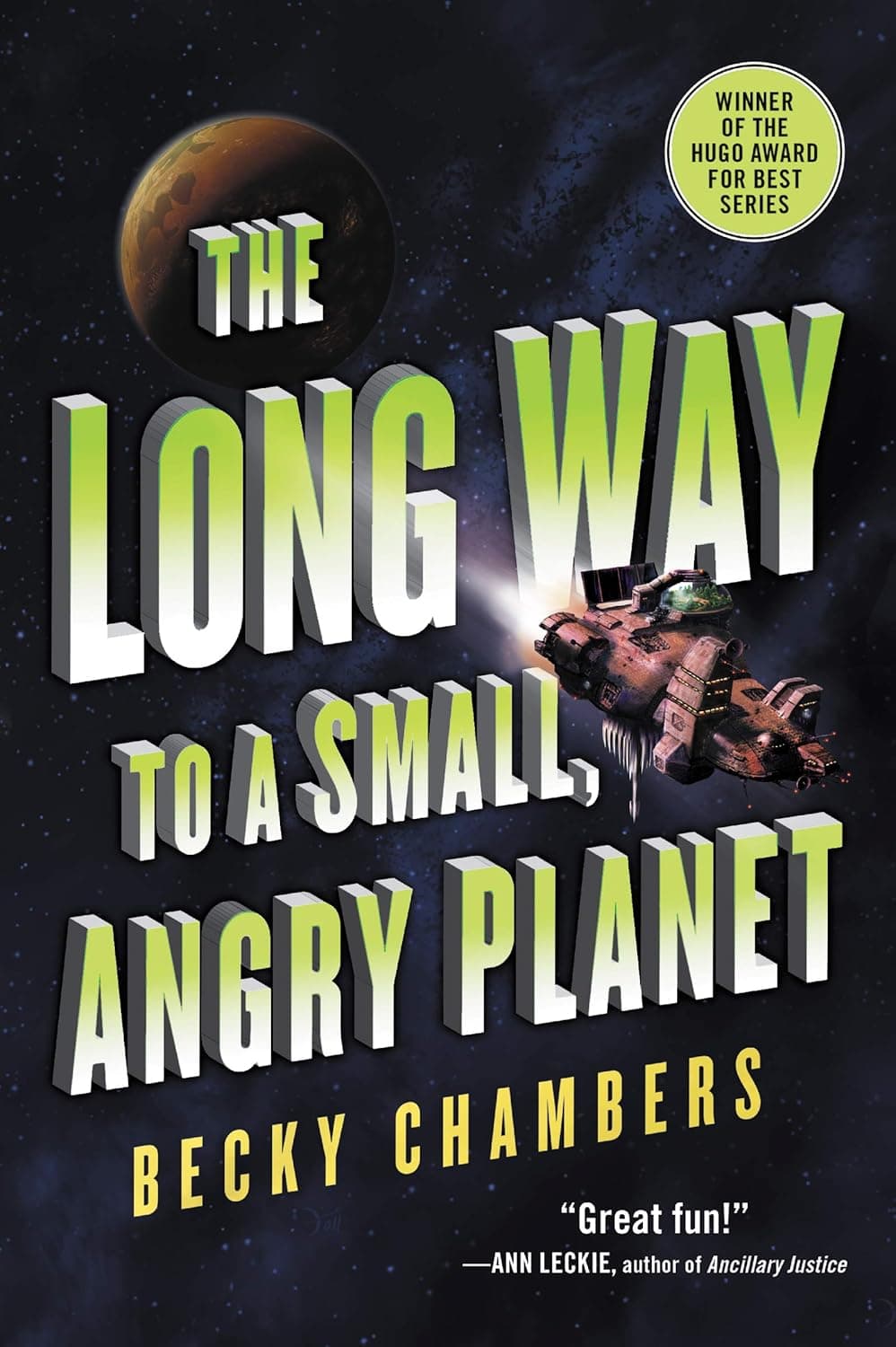
The Long Way to a Small, Angry Planet
Becky Chambers, 2014
A patched-up ship, a mismatched crew, no war in sight. Chambers centers found family in a space opera setting, and it works.
Zone One
Colson Whitehead, 2000
Whitehead sends a sweeper named Mark Spitz to clear zombies from lower Manhattan, then uses the rubble to dissect a civilization that was already hollow.

Project Hail Mary
Andy Weir, 2021
A man wakes alone on a spaceship with no memory and only the scientific method for company. Weir drives the amnesia premise with relentless problem-solving.

A Canticle for Leibowitz
Walter M. Miller Jr., 1959
Monks guard the scraps of science after the world burns itself, and humanity repeats its mistakes across centuries anyway. Miller's satire cuts deep.
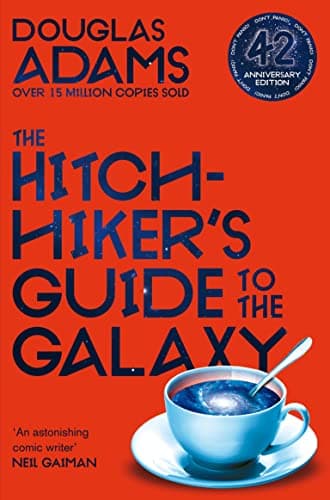
The Hitchhiker's Guide to the Galaxy
Douglas Adams, 1979
Earth gets demolished to make room for a bypass, and the humor drives the story from there. A sharp, comedic take on space adventure.
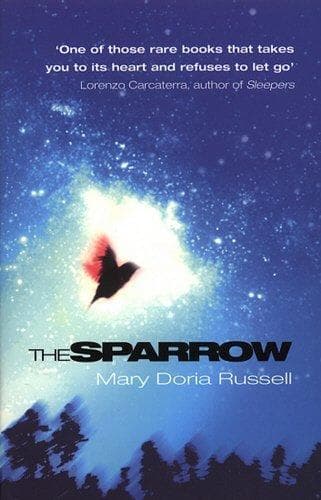
The Sparrow
Mary Doria Russell, 1996
First contact as a Jesuit's crisis of faith, told with the ending known and the horror withheld. Russell's first-contact narrative is a harrowing one, not a space adventure.
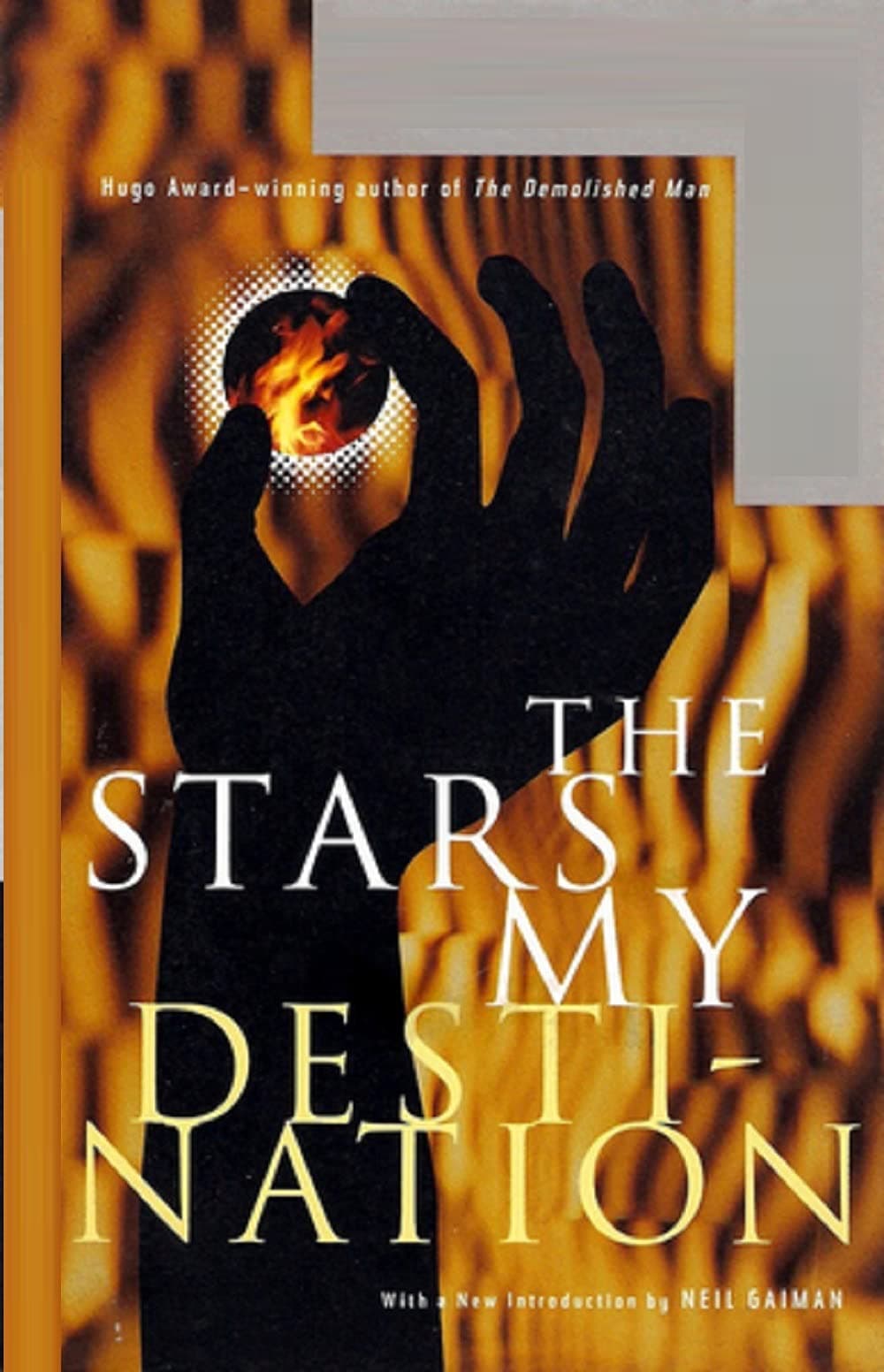
The Stars My Destination
Alfred Bester, 1955
Bester's revenge-driven teleportation thriller remains a high-velocity classic with a moral hangover. Seventy years on, the jaunting still feels fresh.
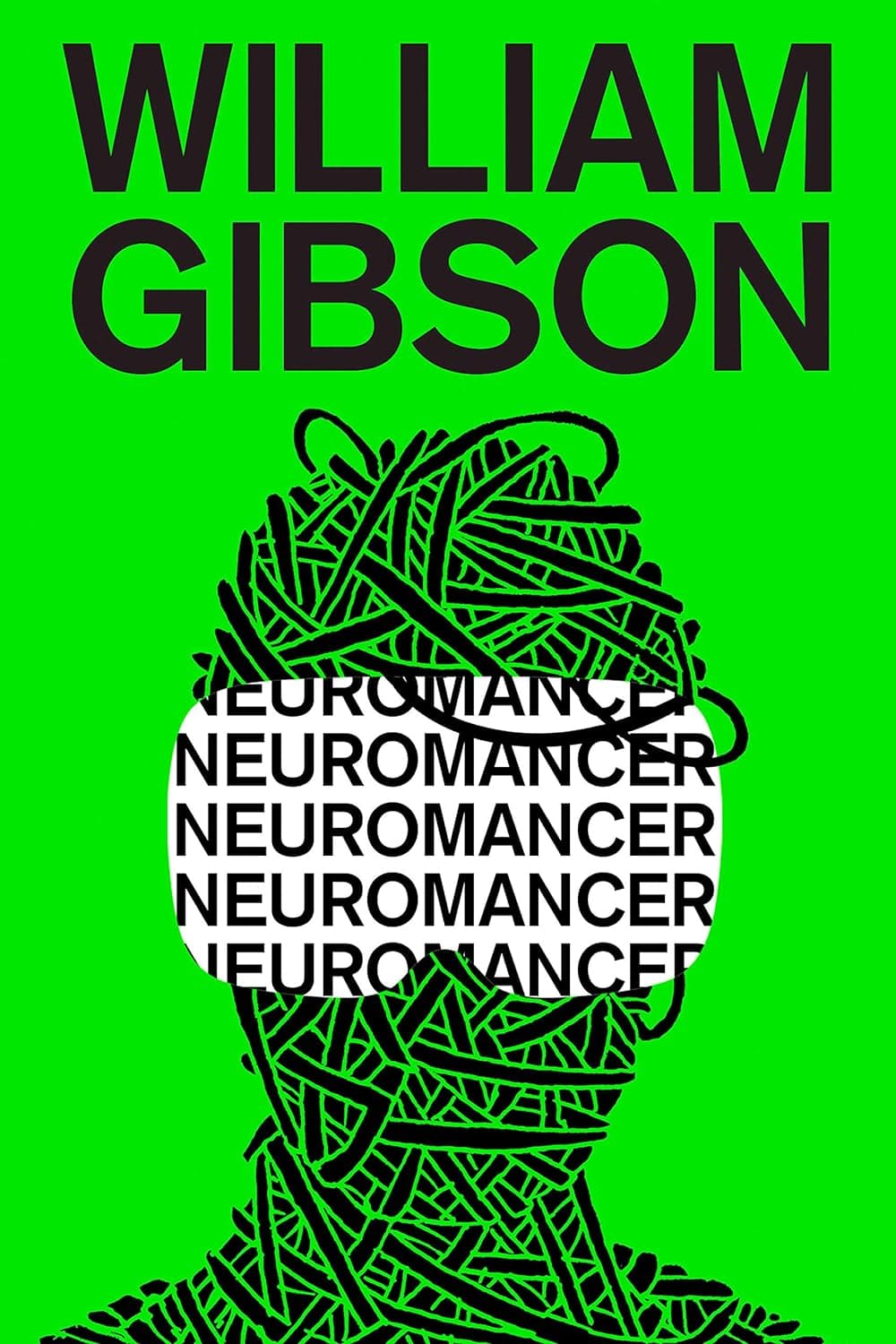
Neuromancer
William Gibson, 1984
Gibson coined cyberspace before the web existed, and Case's last-chance hack launches the cyberpunk genre. The digital future rarely gets imagined this well.
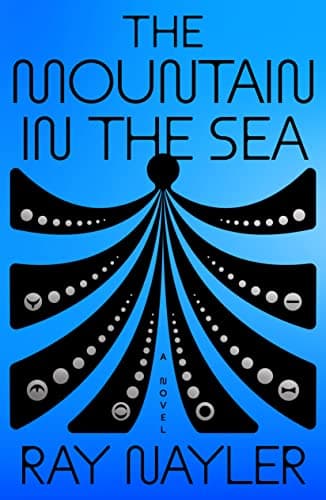
The Mountain in the Sea
Ray Nayler, 2022
Nayler's octopuses have language, culture, and the misfortune of being discovered by humans. A first-contact story that stays wet and close to home.
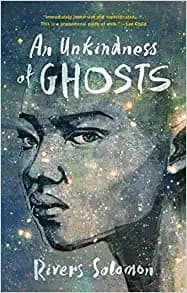
An Unkindness of Ghosts
Rivers Solomon, 2017
Solomon sets a generation ship's decks up like the antebellum South, and Aster's quiet rebellion carries the whole voyage. Grim, gorgeous, and not for readers wanting comfort.
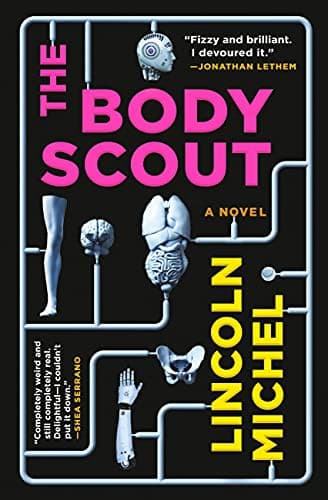
The Body Scout
Lincoln Michel, 2021
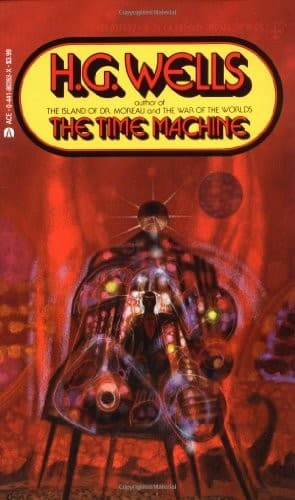
The Time Machine
H. G. Wells, 1895