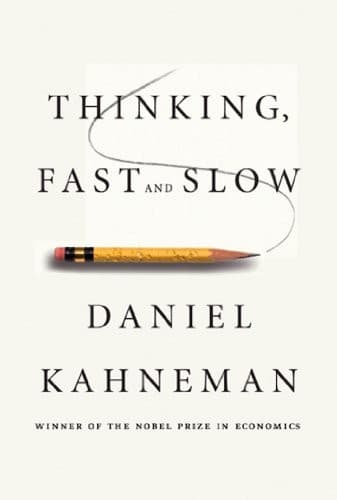
Thinking, Fast and Slow
Daniel Kahneman, 2011, career success
“Bias radar: why humans misjudge risk, probability, and evidence; how “System 1” shortcuts break rational plans.”
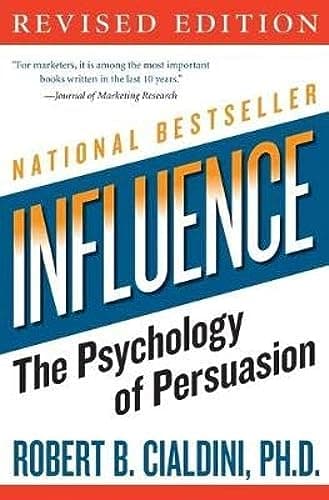
Influence: The Psychology of Persuasion
Robert B. Cialdini, 2006, compliance
“Persuasion primitives: reciprocity, social proof, authority, scarcity—how people actually get convinced.”
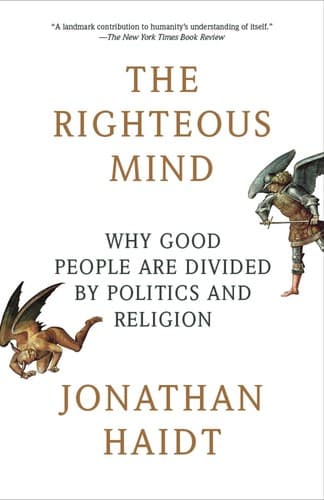
The Righteous Mind
Jonathan Haidt, 2012, english
“Moral cognition: how values cluster into “moral foundations,” why disagreement isn’t just bad reasoning.”

Non Violent Communication: A Language of Life
Marshall B. Rosenberg, 1999, nonfiction
“De-escalation & empathy: turning conflict into needs, requests, and workable next steps.”
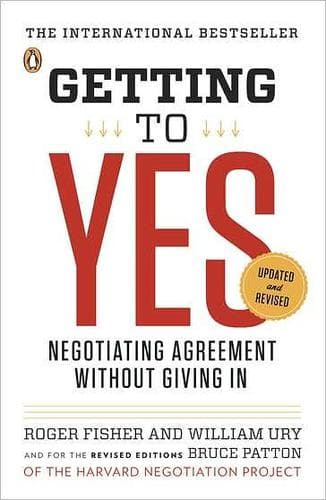
Getting to yes
Roger Drummer Fisher, 1981, Book
“Negotiation engine: separate people from the problem, focus on interests, invent options, use objective criteria.”
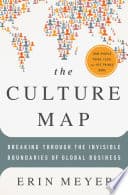
The Culture Map: Breaking Through the Invisible Boundaries of Global Business
Erin Meyer, 2014, business
“Cross-cultural alignment: direct vs indirect speech, disagreement norms, trust styles, hierarchy expectations.”
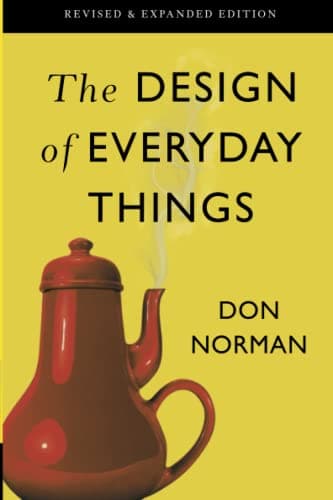
The Design of Everyday Things
Donald A. Norman, 1988, applied psychology
“Human-centered design: affordances, feedback, and why users “misuse” systems that were designed wrong.”
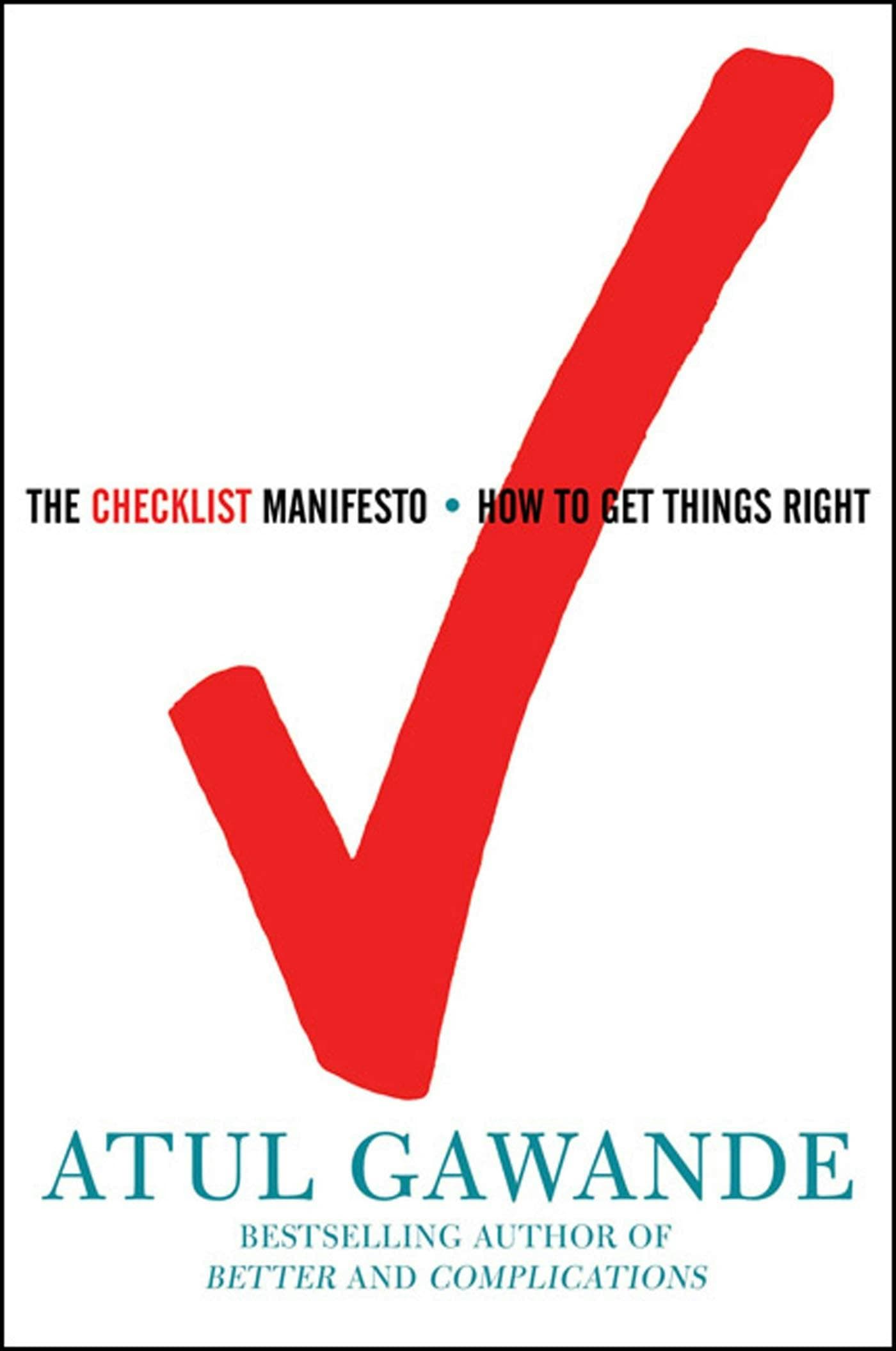
The Checklist Manifesto: How to Get Things Right
Atul Gawande, 2009, business & economics
“Reliability under pressure: how humans prevent errors in complex, high-stakes workflows.”

Middlemarch
George Eliot, 1831, classics
“Human simulation: incentives, self-deception, love, ambition, moral compromise—rich training data for “why people do things.””
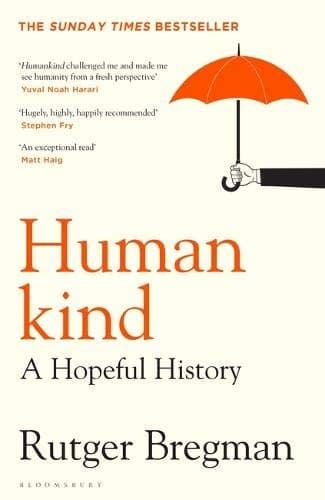
Humankind: A Hopeful History
Rutger Bregman, 2019, history
“Human nature update: a realistic but optimistic baseline for social cooperation and prosocial behavior.”