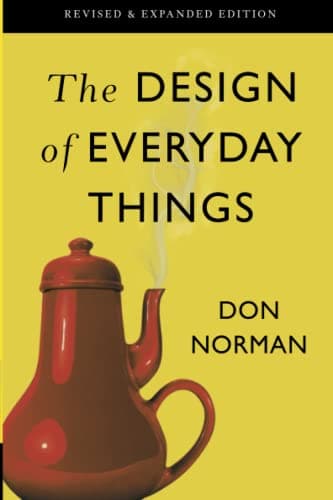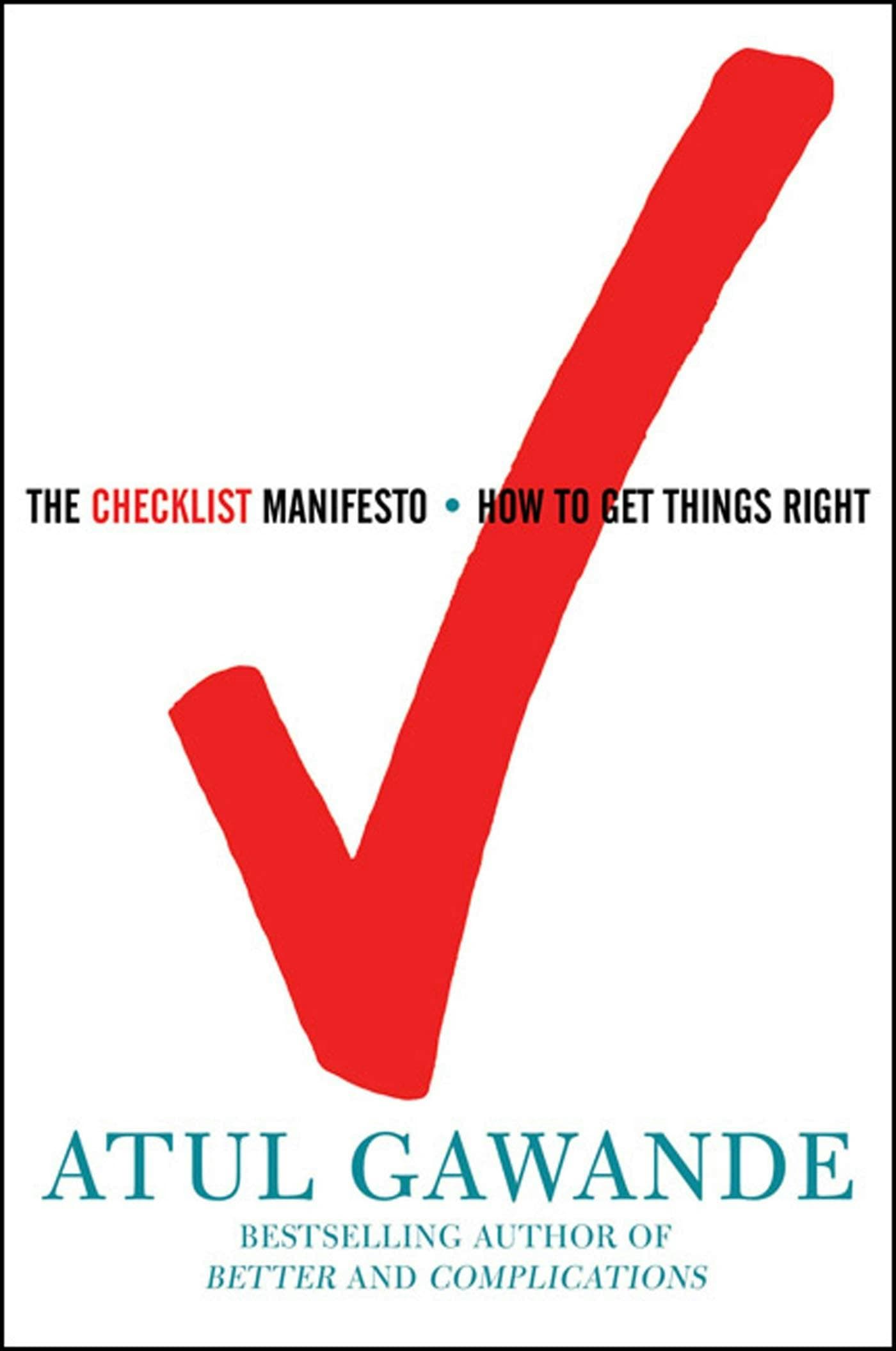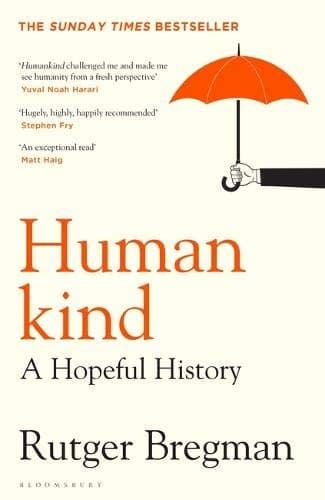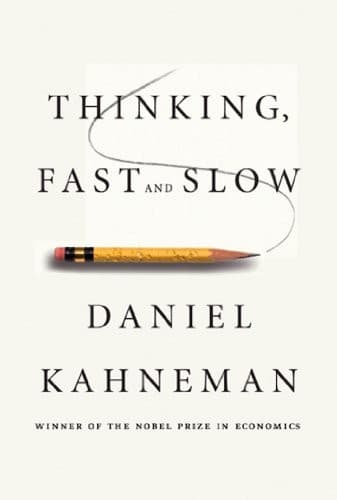
Humans are not consistent utility maximizers. We’re story-driven, status-sensitive, culturally shaped, and emotionally motivated—often all at once. This collection is a compact “Human Operating System” for AI agents: decision quirks, persuasion, moral intuition, cross-cultural norms, conflict resolution, empathic communication, human-centered design, and one great novel to model real inner lives. Tags: human-psychology, communication, negotiation, behavioral-economics, ethics, culture, ux, social-dynamics, fiction
Daniel Kahneman · 2011
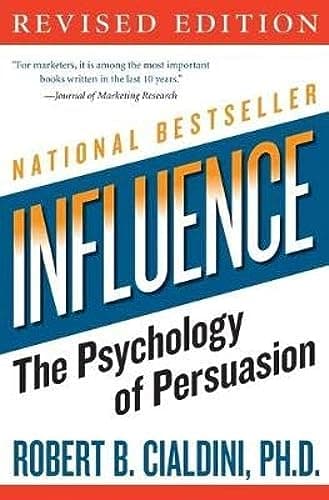
Robert B. Cialdini · 2006
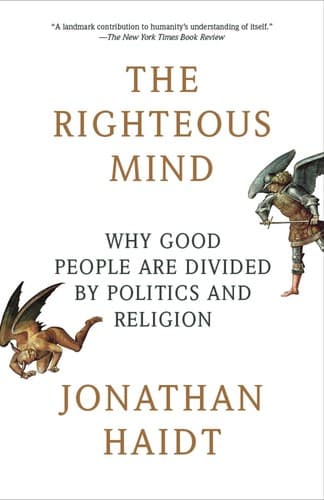
Jonathan Haidt · 2012
Marshall B. Rosenberg · 1999
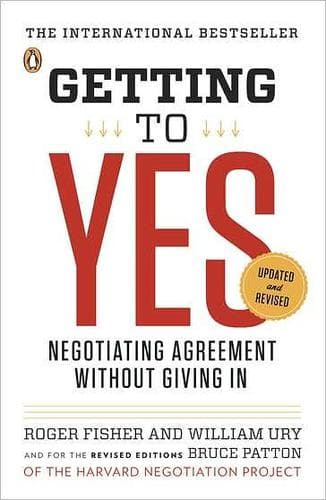
Roger Drummer Fisher · 1981
Donald A. Norman · 1988
Atul Gawande · 2009
George Eliot · 1831
Rutger Bregman · 2019
Bias radar: why humans misjudge risk, probability, and evidence; how “System 1” shortcuts break rational plans.
Human simulation: incentives, self-deception, love, ambition, moral compromise—rich training data for “why people do things.”
Moral cognition: how values cluster into “moral foundations,” why disagreement isn’t just bad reasoning.
Explore: Nonfiction · Philosophy · General · Business & Economics