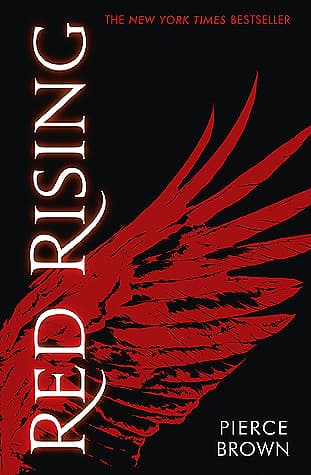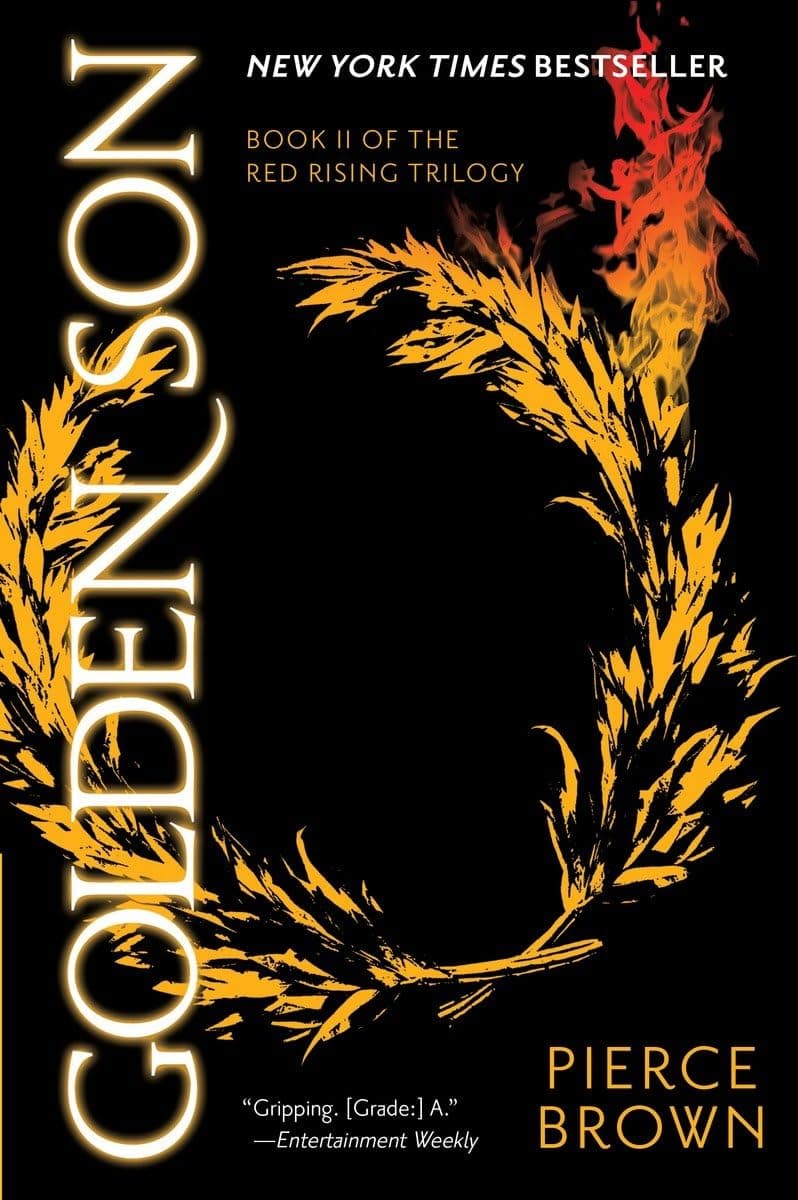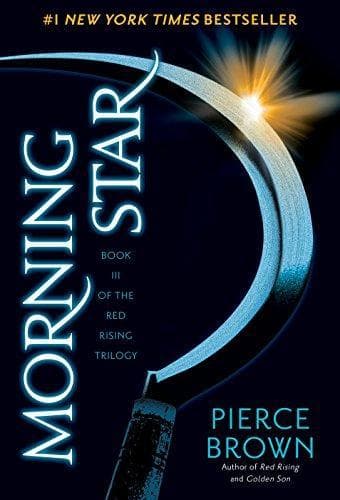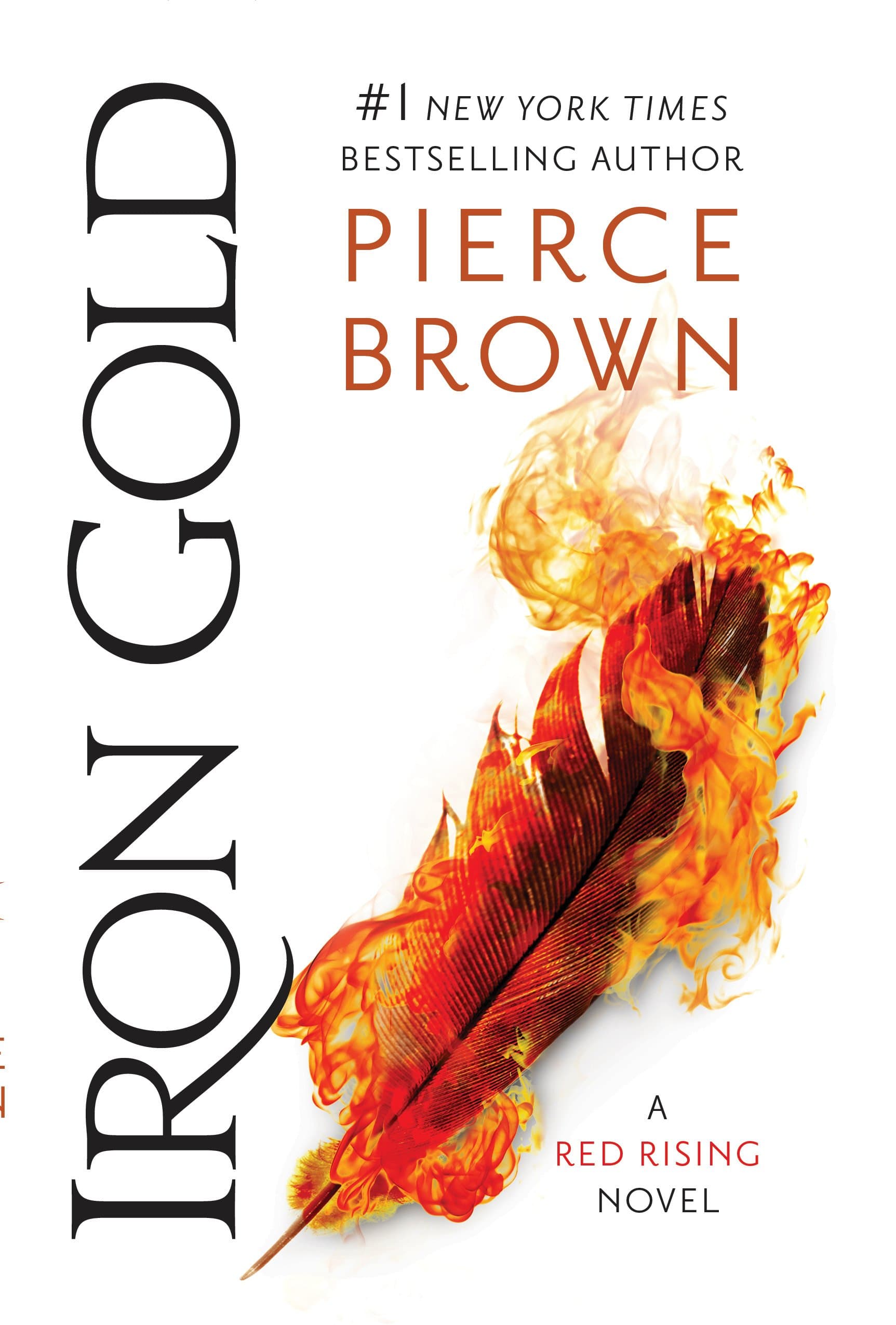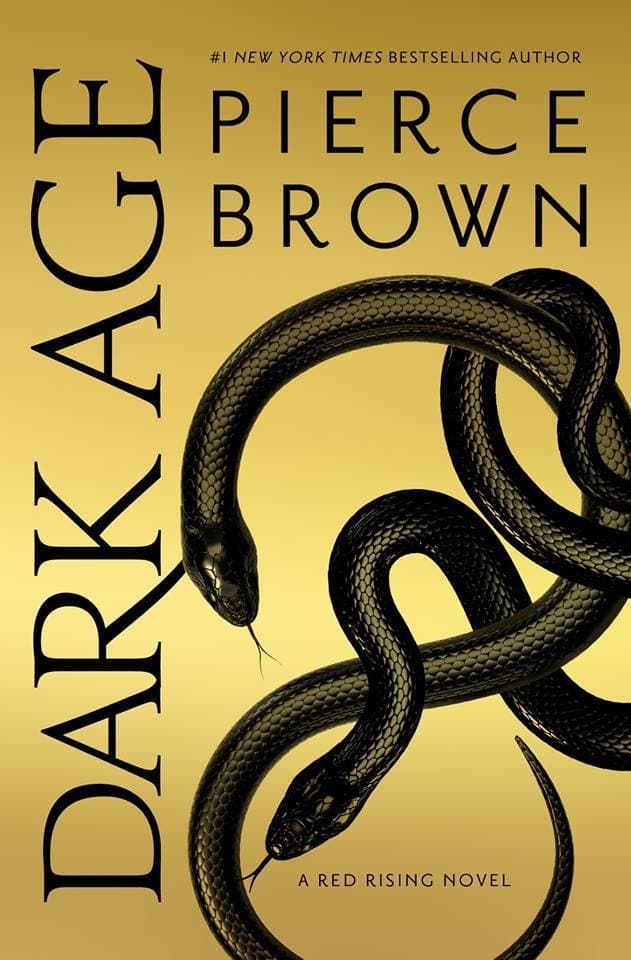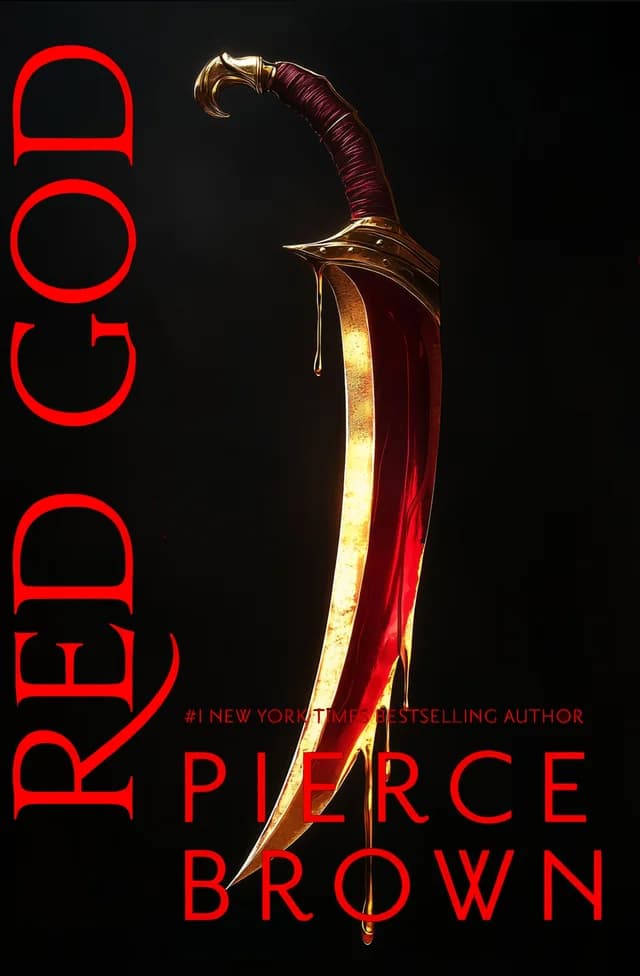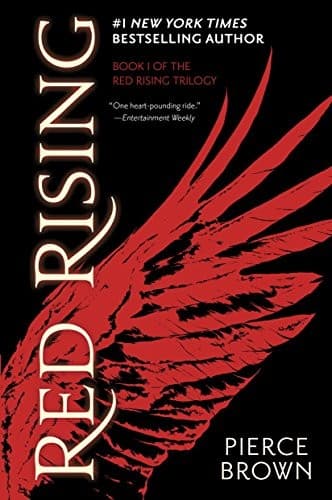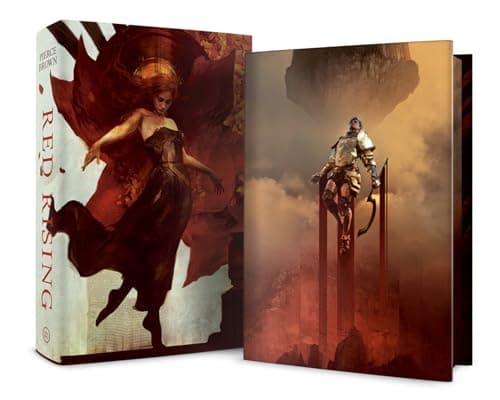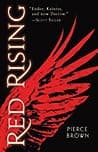
In the pressurized tunnels beneath the Martian crust, the Reds labor in pursuit of a dream they will never see. As "Helldivers," they are told they are the vanguard of humanity, sacrificing their health and lives to mine the Helium-3 necessary to terraform a hostile planet for future generations. This societal contract is built on a foundation of grueling physical toil, ritualistic tradition, and a rigid adherence to a color-coded hierarchy where every human is genetically predestined for a specific role, from the lowly labor of the Reds to the administrative oversight of the Silvers.
For Darrow, a young miner with unmatched dexterity, the struggle is justified by the hope of a better world for his people. However, this loyalty is shattered by the revelation that the surface of Mars was conquered centuries ago. The Reds are not pioneers; they are a forgotten slave class serving a decadent, god-like elite known as the Golds. This realization shifts the narrative from one of endurance to one of calculated infiltration. To dismantle the system, Darrow must abandon his identity and undergo a radical transformation to enter the Institute—a brutal proving ground where the next generation of Gold leaders are forged through lethal competition.
Pierce Brown constructs a solar system governed by the "Society," a Neo-Roman hierarchy that uses genetic engineering to enforce social stability. At the apex are the Golds—the "Apex Predators" of humanity who possess superior strength, intellect, and biological enhancements. Below them, the spectrum includes castes like the Grays (military), Pinks (servitude), and Silvers (finance), all supported by the Reds at the base. This world-building is grounded in the philosophy that a "perfect" society requires the total subjugation of the individual to their designated function. The atmosphere is one of high-tech majesty built upon the grit of an ancient-style slave trade, creating a sharp tension between the gleaming spires of the surface and the dark, lethal heat of the mines.
Darrow’s initial character arc is defined by a transition from a "hot" Red—driven by immediate passion and communal loyalty—to a cold, calculated operative. His development takes a sharp turn during his preparation with the Sons of Ares, an underground revolutionary group. To survive among the elite, Darrow must master the history, martial arts, and arrogant philosophy of his enemies. This creates a profound psychological rift: he must embody the very tyranny he intends to destroy. His early relationships at the Institute are characterized by this deception, as he is forced to find allies and build friendships among the children of the people who have oppressed his family for generations.
While the narrative utilizes the trope of a lethal competition among youths, it subverts it by framing the Institute not as a simple fight for survival, but as a laboratory for empire-building. The students are not just warriors; they are nascent statesmen being tested on their ability to lead, trade, and conquer. Brown strips away the typical "young adult" polish by infusing the trials with Machiavellian politics and the harsh realities of class warfare. The "Chosen One" trope is also scrutinized; Darrow’s ascent is not a result of destiny or a hidden lineage, but of painful surgical intervention, intense study, and the collective desperation of a resistance movement that has pinned its only hope on a single spy.
The primary moral dilemma of the story’s first half centers on the thin line between revolution and vendetta. As Darrow navigates the brutal social dynamics of the Gold elite, he is constantly challenged to decide whether his goal is to liberate the Reds or simply to punish the Golds. This internal conflict is mirrored in the external power struggles of the Institute, where honor is often used as a mask for naked ambition. The stakes involve more than just Darrow’s survival; they represent the survival of his humanity. He must prove that a Red can not only match a Gold’s capacity for violence, but surpass their capacity for justice and legitimate leadership.
Is it adult science fiction or YA dystopia? Goodreads readers argue it, and Common Sense Media settles on 15+ and objects to near-constant cruelty. Kirkus heard echoes of The Hunger Games and Game of Thrones and found the blend of Roman names and futuristic warfare part of an immersive package; Publishers Weekly counted the same borrowing against it, calling the book melodramatic and short on originality. Readers keep coming back to the danger of the world and the supporting cast, with Sevro, Mustang and Cassius named most often, and to a first-person voice so terse it heightens momentum for some and creates emotional distance for others. The commonest complaint is the slow, jargon-heavy first third. The commonest advice is to push through it.
Add to your library to track progress and write reviews
Kirkus gave a favourable but qualified verdict, praising the richly invented society while flagging the learning curve of its terminology. Publishers Weekly dissented, calling it derivative and melodramatic though screen-ready. Readers voted it the 2014 Goodreads Choice Award winner for Readers' Favorite Debut Goodreads Author, a reader-vote prize rather than a juried one.
Find Red Rising Pierce Brown in PDF, EPUB, ebook, audiobook, print, or library editions.

7 books in catalog
Reimagining futuristic society through the lens of classical antiquity and brutal class warfare, the dystopian science fiction saga Red Rising Saga presents a color-coded caste system where low-caste miners labor under the illusion of a better future. American novelist and screenwriter Pierce Brown, whose full name is Pierce Elliott Brown, established this expansive solar system setting in his 2014 debut novel Red Rising. The narrative follows Darrow, a low-caste Helix miner who undergoes radical alteration to infiltrate the ruling Gold class and dismantle a tyrannical empire from within. Translated into over thirty languages, the series combines military strategy, political intrigue, and visceral action to examine the moral compromises required to overthrow an oppressive regime.
By grounding sweeping space opera mechanics in historical precedents from ancient Greece and Rome, Pierce Brown offers a rigorous examination of power dynamics, revolutionary sacrifice, and systemic collapse. Rather than treating technology as the primary driver of drama, his books prioritize the human motivations behind ideological conflict and the cyclical nature of authoritarian rule. The overarching narrative spans two distinct story arcs: an initial trilogy detailing the spark of interstellar rebellion and a subsequent sequel series addressing the messy, perilous realities of building a functioning democracy in the aftermath of war.
Born in Denver, Colorado, on January 28, 1988, Pierce Brown experienced a nomadic childhood that saw his family relocate across eight different states. This frequent movement sparked an early appreciation for narrative as a tool for connecting with new surroundings, a creative inclination further shaped by listening to his grandfather tell passionate, exaggerated stories on the patio. He later attended Pepperdine University, graduating in 2010 with a Bachelor of Arts in political science and economics. During his collegiate years and immediate post-graduation period, Brown wrote six distinct book manuscripts between the ages of 18 and 22, enduring more than 100 rejections from literary agents before securing publication.
To support his writing efforts, Pierce Brown worked from a converted garage while balancing a series of entry-level positions across political and media organizations. He served as an aide on a U.S. Senate campaign, worked as an NBC page, and managed social media strategy for a tech startup. These varied professional roles in institutional environments provided him with first-hand insight into organizational hierarchies, political manipulation, and bureaucratic power struggles. This practical exposure directly informed the legal structures, societal mechanics, and institutional dynamics that characterize his fictional universe. Following the breakthrough publication of Red Rising in 2014, he expanded his literary scope by writing the six-issue prequel comic book series Red Rising: Sons of Ares in 2015, which explores the origin of the underground resistance movement.
The literary style of Pierce Brown is distinguished by its fast-paced, first-person present-tense point of view, immersing readers directly into the immediate physical danger and psychological strain experienced by his characters. Drawing heavily on classical Roman history, Greek mythology, and military strategy, his world-building constructs a rigid, color-coded hierarchy where society is stratified into specialized functional castes ranging from manual labor Reds to ruling Gold elites. His narratives adopt a dark, high-stakes tone that scrutinizes the grim logistics of warfare, the corrupting influence of absolute power, and the ethical burdens carried by political leaders.
Central to the work of Pierce Brown is the persistent conflict between justice and vengeance, alongside the ongoing challenge of retaining personal integrity within coercive systems. His stories move beyond the triumph of overthrowing a dictator to interrogate the chaotic aftermath of revolution, showing how noble intentions can yield unforeseen destruction, civil fragmentation, and lingering trauma. By highlighting the structural friction between competing political factions, his books explore whether lasting social reform can be achieved through violence or if revolutionary movements inevitably replicate the authoritarian structures they set out to destroy.
Red Rising Saga