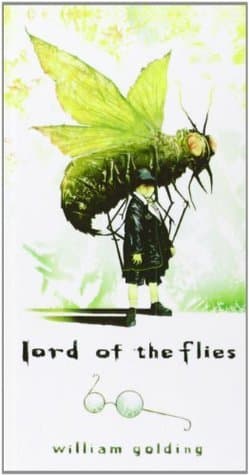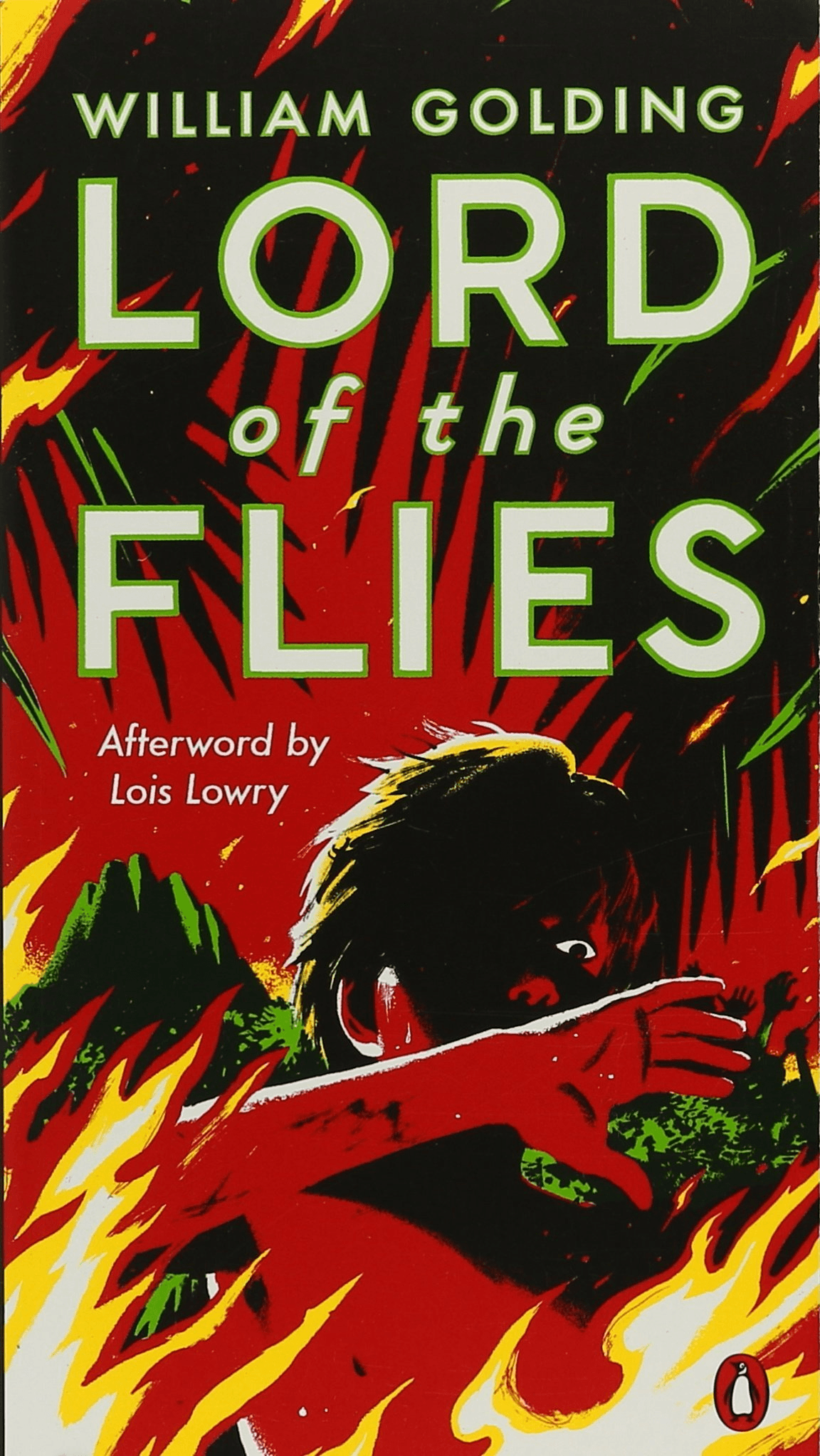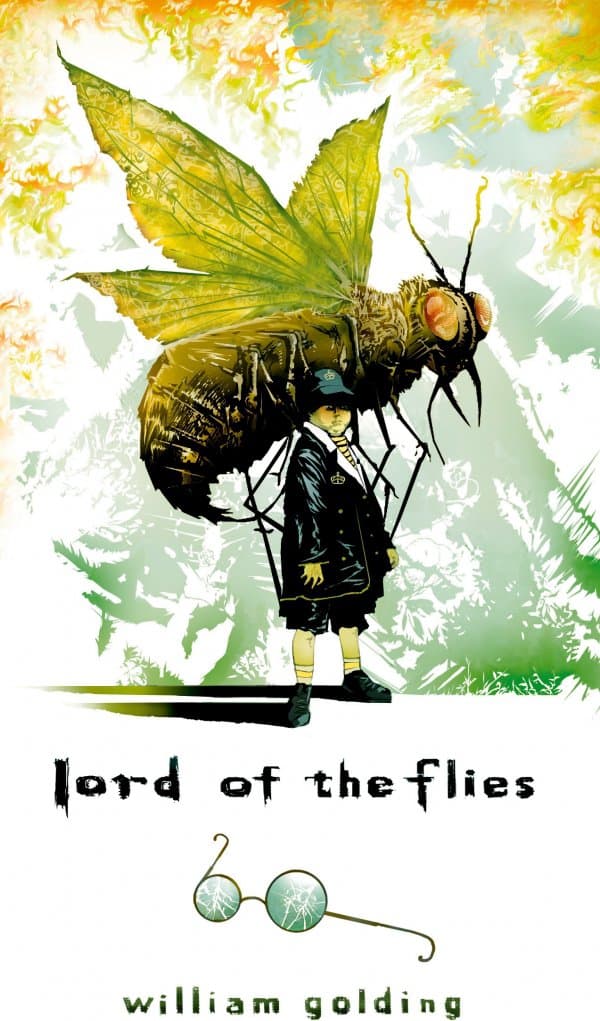
"At the dawn of the next world war, a plane crashes on an uncharted island, stranding a group of schoolboys. At first, with no adult supervision, their freedom is something to celebrate. This far from civilization they can do anything they want. Anything. But as order collapses, as strange howls echo in the night, as terror begins its reign, the hope of adventure seems as far removed from reality as the hope of being rescued."-- Provided by Amazon
Golding borrowed Ralph and Jack from R. M. Ballantyne's 1857 adventure The Coral Island, where shipwrecked boys stay decent and civilize their surroundings, then ran the setup in reverse: here the harm comes from inside the group. The book's verdict on human nature still draws fights. In 1965 six Tongan schoolboys really were stranded on 'Ata island and cooperated for about fifteen months until rescue, and readers argue over whether that refutes Golding or just proves a novel isn't a field study. Others question whether an all-male, all-British 1950s cast can say anything about people in general. Adults rereading it often say the allegory and symbols look different once the book is no longer a school assignment.
Kirkus's 1955 review was strongly positive, calling the story convincing and predicting it would find an audience as young as its characters. The book got off to a slow start after rejections by several publishers and became a bestseller and school staple only over later decades. It's also been officially challenged: the ALA put it 68th on its list of most-challenged books of 1990-1999.
Add to your library to track progress and write reviews
Find Lord of the Flies William Golding in PDF, EPUB, ebook, audiobook, print, or library editions.

2 books in catalog
The enduring power of twentieth-century fiction often lies in its unsettling examination of human nature when social structures crumble, a theme famously embodied in the classic novel Lord of the Flies. Published in 1954, this dark narrative explores how quickly order devolves into hostility among a group of schoolboys stranded on an island. The author, William Golding, crafted a haunting allegorical work that remains one of the most widely read and studied novels in modern literature.
Born in Cornwall in 1911, William Gerald Golding was educated at Marlborough Grammar School and Brasenose College, Oxford. Though initially directed toward natural sciences by his family, he pivoted to English literature during his university years. Before establishing his literary career, Golding worked as a schoolmaster, lecturer, actor, musician, and poet, publishing a collection of poetry in 1934. His service in the Royal Navy during the Second World War profoundly altered his perspective, exposing him directly to human warfare and providing realistic grounding for his subsequent writing.
Following the major success of his debut novel, Golding published twelve additional novels along with plays and essay collections. In 1980, he was awarded the Booker Prize for Rites of Passage, which initiated his historical sea trilogy To the Ends of the Earth. His total literary achievements were honored internationally in 1983 when he was awarded the Nobel Prize in Literature.
Golding's fiction is defined by its symbolic density, psychological tension, and unsparing examination of human morality. Drawing on his background as an educator and naval sailor, his writing probes the fragile barrier separating civilized behavior from inherent savagery. Rather than offering straightforward horror, his works evoke existential dread by demonstrating how easily societal systems fracture under pressure across diverse historical and isolated settings.