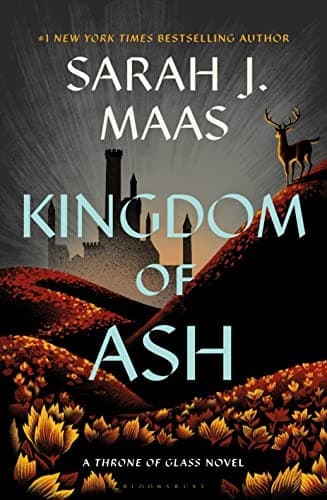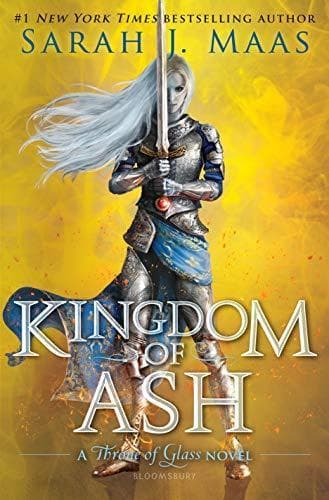

Aelin Galathynius begins her final chapter as a prisoner of her own legend. Locked within an iron coffin, the fire that once defined her as a queen has been reduced to a flickering ember. The opening movement of the story focuses not on a grand escape, but on the psychological siege of the mind. Her captor, Maeve, seeks to dismantle Aelin’s identity by erasing the very scars that tell her story, replacing genuine memories with counterfeit narratives of failure. It is a battle of attrition where the primary weapon is the refusal to let one's self-perception be rewritten by an enemy.
Outside the iron silence, the world of Erilea has become a map of logistical desperation. Across two continents, fragmented armies march toward a capital already submerged in shadow. The high-fantasy wonder of previous installments is replaced by a gritty, supply-chain realism. Magic is no longer an infinite font; it is a rationed resource. Every incantation and every drop of healer’s blood is logged alongside bushels of grain and crates of arrows. The cost of victory is no longer a vague prophecy but a concrete ledger of mortal sacrifice and dwindling hope.
In this concluding landscape, the rules of engagement have shifted from individual heroics to the brutal math of total war. The atmosphere is one of scarcity and material weight. Magic behaves like a currency—valuable, exhaustible, and often unavailable when most needed. This creates a setting where the supernatural must contend with the mundane realities of infantry fatigue and broken supply lines. The "Wold-Gates" and the threat of the Valg are no longer distant myths but immediate, structural pressures that force every kingdom to weigh the value of their culture against the price of their survival.
The early arcs are defined by "Palimpsest Selves"—the idea that identity is a surface that can be scraped clean and written over. Aelin’s struggle is the most literal, as she clings to the core of her personhood while her physical and mental history is systematically attacked. Parallel to this, Dorian and Manon undergo a process of deconstruction. Dorian must decide if he is merely a vessel for the power of his ancestors or an architect of his own destiny. Manon, meanwhile, is forced to confront the fact that the history of her people was written by their oppressors, requiring her to recast the very definition of "witch" from a weapon of war into a guardian of a people.
The narrative utilizes the "Chosen One" and "Ancient Prophecy" tropes only to strip them of their comfort. Rather than the protagonist’s power scaling to meet the threat, it is halved and hindered by trauma and iron. The "Secret Heir" trope is challenged by the reality that having a throne means nothing if there is no land left to govern. Additionally, the "Grand Alliance" trope is grounded by political friction; the characters do not unite through sudden altruism, but through the harsh realization that isolation is a death sentence. By forcing these fantasy staples to pay "full price" in terms of consequence and logistics, the stakes feel grounded in a way that avoids the typical invulnerability of high-fantasy heroes.
Aelin Galathynius begins her final chapter as a prisoner of her own legend. Locked within an iron coffin, the fire that once defined her as a queen has been reduced to a flickering ember. The opening movement of the story focuses not on a grand escape, but on the psychological siege of the mind. Her captor, Maeve, seeks to dismantle Aelin’s identity by erasing the very scars that tell her story, replacing genuine memories with counterfeit narratives of failure. It is a battle of attrition where the primary weapon is the refusal to let one's self-perception be rewritten by an enemy.
Outside the iron silence, the world of Erilea has become a map of logistical desperation. Across two continents, fragmented armies march toward a capital already submerged in shadow. The high-fantasy wonder of previous installments is replaced by a gritty, supply-chain realism. Magic is no longer an infinite font; it is a rationed resource. Every incantation and every drop of healer’s blood is logged alongside bushels of grain and crates of arrows. The cost of victory is no longer a vague prophecy but a concrete ledger of mortal sacrifice and dwindling hope.
In this concluding landscape, the rules of engagement have shifted from individual heroics to the brutal math of total war. The atmosphere is one of scarcity and material weight. Magic behaves like a currency—valuable, exhaustible, and often unavailable when most needed. This creates a setting where the supernatural must contend with the mundane realities of infantry fatigue and broken supply lines. The "Wold-Gates" and the threat of the Valg are no longer distant myths but immediate, structural pressures that force every kingdom to weigh the value of their culture against the price of their survival.
The early arcs are defined by "Palimpsest Selves"—the idea that identity is a surface that can be scraped clean and written over. Aelin’s struggle is the most literal, as she clings to the core of her personhood while her physical and mental history is systematically attacked. Parallel to this, Dorian and Manon undergo a process of deconstruction. Dorian must decide if he is merely a vessel for the power of his ancestors or an architect of his own destiny. Manon, meanwhile, is forced to confront the fact that the history of her people was written by their oppressors, requiring her to recast the very definition of "witch" from a weapon of war into a guardian of a people.
The narrative utilizes the "Chosen One" and "Ancient Prophecy" tropes only to strip them of their comfort. Rather than the protagonist’s power scaling to meet the threat, it is halved and hindered by trauma and iron. The "Secret Heir" trope is challenged by the reality that having a throne means nothing if there is no land left to govern. Additionally, the "Grand Alliance" trope is grounded by political friction; the characters do not unite through sudden altruism, but through the harsh realization that isolation is a death sentence. By forcing these fantasy staples to pay "full price" in terms of consequence and logistics, the stakes feel grounded in a way that avoids the typical invulnerability of high-fantasy heroes.
Add to your library to track progress and write reviews
Find Kingdom of Ash Sarah J. Maas in PDF, EPUB, ebook, audiobook, print, or library editions.
Throne of Glass
Throne of Glass
24 books in catalog
The blending of high-stakes political intrigue, expansive world-building, and deep romantic storylines has reshaped modern fantasy publishing across both young adult and adult categories. Sarah J. Maas has established a central presence in epic fantasy literature through multi-book sagas that have sold over 75 million copies globally in forty languages. Beginning as an online serial written during her teenage years, her body of work has cultivated a massive international audience and helped bring romantic fantasy into the forefront of contemporary commercial fiction.
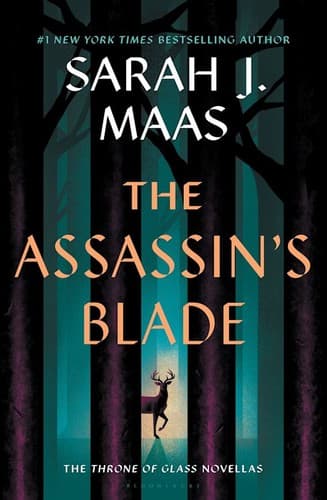
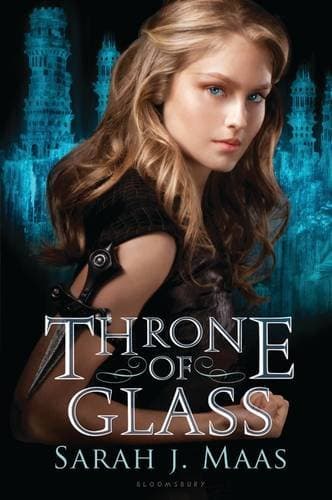
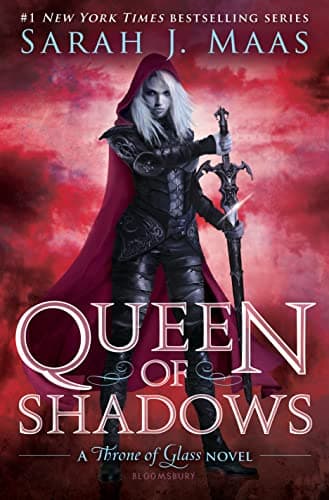
Born in New York City in 1986, Sarah J. Maas began her writing career at age sixteen by posting Queen of Glass, a fantasy reimagining of Cinderella, on the creative writing community FictionPress. The digital serial gained a large internet following prior to its acquisition for traditional publishing. Maas attended Hamilton College in Clinton, New York, where she majored in creative writing and minored in religious studies, graduating Magna Cum Laude in 2008. Her academic focus on mythology, theology, and ancient narrative traditions provided the foundation for the elaborate world-building and pantheons featured throughout her fantasy realms. Her debut novel, Throne of Glass, was published in 2012 by Bloomsbury, expanding her early draft into an eight-volume high fantasy epic centered on the assassin Celaena Sardothien.
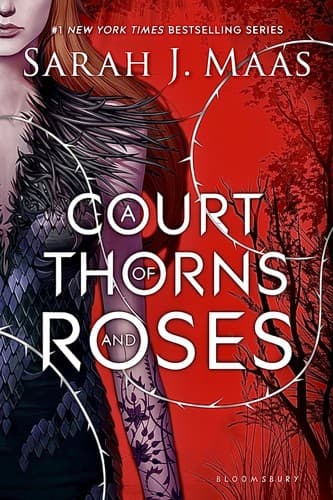
Following the publication of Throne of Glass, Maas expanded her bibliographies with A Court of Thorns and Roses, which debuted in 2015 as a narrative inspired by Beauty and the Beast before growing into a multi-realm Fae saga. Her career subsequently marked a formal transition into the adult fantasy market with House of Earth and Blood, the first installment in her Crescent City series. By bridging young adult, new adult, and adult literature, her published works illustrate how grassroots digital writing can evolve into major global publishing successes while broadening the scope of character-driven epic fantasy.
The writing style of Sarah J. Maas relies heavily on the subversion of classical folklore, developing early inspirations like Cinderella and Beauty and the Beast into extensive, original mythologies. Her prose emphasizes character-driven development, utilizing high-concept magic systems as the background for personal psychological journeys. Rather than prioritizing only external military conflicts, her narrative arcs highlight the emotional weight of war, political upheaval, trauma, and sacrifice, grounding epic plot points in relatable human experiences.
Prominent thematic elements across her books include the reclamation of identity and autonomy after severe trauma, the importance of complex female friendships, and the formation of resilient 'found family' bonds. Her protagonists regularly navigate moral dilemmas, balancing personal desires against the burdens of leadership, power, and survival. Through intricate plot architecture that connects individual stories across sprawling series, her storytelling emphasizes female agency, psychological recovery, and self-actualization within high-stakes fantasy settings.
24 books in catalog
The blending of high-stakes political intrigue, expansive world-building, and deep romantic storylines has reshaped modern fantasy publishing across both young adult and adult categories. Sarah J. Maas has established a central presence in epic fantasy literature through multi-book sagas that have sold over 75 million copies globally in forty languages. Beginning as an online serial written during her teenage years, her body of work has cultivated a massive international audience and helped bring romantic fantasy into the forefront of contemporary commercial fiction.
Born in New York City in 1986, Sarah J. Maas began her writing career at age sixteen by posting Queen of Glass, a fantasy reimagining of Cinderella, on the creative writing community FictionPress. The digital serial gained a large internet following prior to its acquisition for traditional publishing. Maas attended Hamilton College in Clinton, New York, where she majored in creative writing and minored in religious studies, graduating Magna Cum Laude in 2008. Her academic focus on mythology, theology, and ancient narrative traditions provided the foundation for the elaborate world-building and pantheons featured throughout her fantasy realms. Her debut novel, Throne of Glass, was published in 2012 by Bloomsbury, expanding her early draft into an eight-volume high fantasy epic centered on the assassin Celaena Sardothien.
Following the publication of Throne of Glass, Maas expanded her bibliographies with A Court of Thorns and Roses, which debuted in 2015 as a narrative inspired by Beauty and the Beast before growing into a multi-realm Fae saga. Her career subsequently marked a formal transition into the adult fantasy market with House of Earth and Blood, the first installment in her Crescent City series. By bridging young adult, new adult, and adult literature, her published works illustrate how grassroots digital writing can evolve into major global publishing successes while broadening the scope of character-driven epic fantasy.
The writing style of Sarah J. Maas relies heavily on the subversion of classical folklore, developing early inspirations like Cinderella and Beauty and the Beast into extensive, original mythologies. Her prose emphasizes character-driven development, utilizing high-concept magic systems as the background for personal psychological journeys. Rather than prioritizing only external military conflicts, her narrative arcs highlight the emotional weight of war, political upheaval, trauma, and sacrifice, grounding epic plot points in relatable human experiences.
Prominent thematic elements across her books include the reclamation of identity and autonomy after severe trauma, the importance of complex female friendships, and the formation of resilient 'found family' bonds. Her protagonists regularly navigate moral dilemmas, balancing personal desires against the burdens of leadership, power, and survival. Through intricate plot architecture that connects individual stories across sprawling series, her storytelling emphasizes female agency, psychological recovery, and self-actualization within high-stakes fantasy settings.