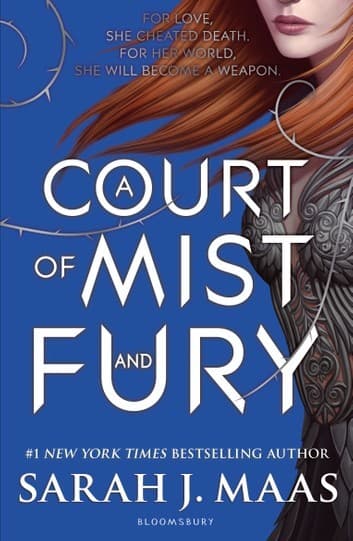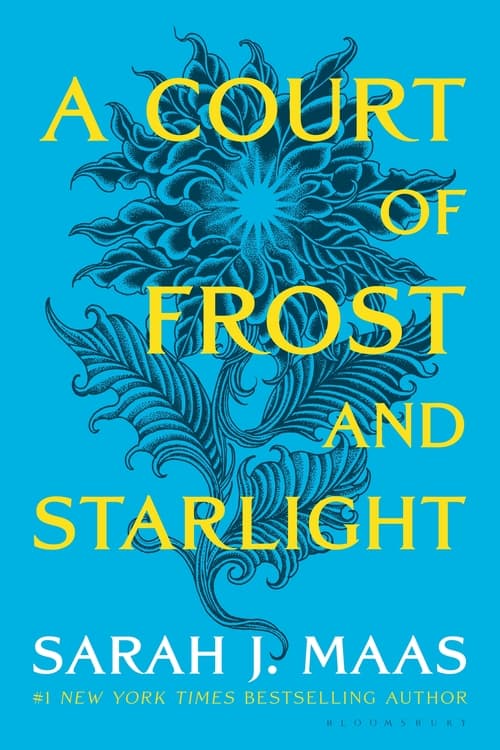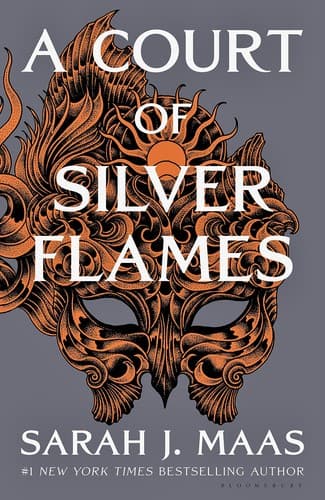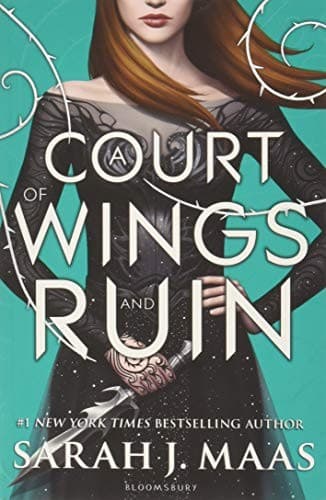

The third installment of the A Court of Thorns and Roses series shifts from the intimate healing of its predecessor to a high-stakes game of political espionage and looming total war. Feyre Archeron has returned to the Spring Court, not as the broken girl who once sought refuge there, but as a strategic operative playing a dangerous double game. Her objective is to dismantle the court’s internal stability from within, gathering intelligence on the King of Hybern’s movements while navigating the suffocating expectations of a former lover who believes he has reclaimed her.
Prythian stands on the precipice of a continental shift, where the ancient magical boundaries protecting the mortal realm are thinning under the weight of Hybern’s aggression. The conflict is no longer just about personal survival or romantic endgame; it is about the structural integrity of a world where magic is both a weapon and a fading resource. As alliances are forged in the shadows and old grudges are weaponized, the narrative explores the moral weight of deception and the psychological toll of returning to a place of trauma for the sake of a greater cause.
Prythian is a land defined by its seasonal and solar courts, each operating under distinct magical laws and social hierarchies that are now being pushed to their breaking points. In this volume, the geography expands beyond the familiar borders of the Night and Spring Courts, revealing a complex web of diplomatic tensions and ancient grudges among the seven High Lords. The atmosphere is thick with the "cold war" tension of pre-invasion politics. The Wall, a mystical barrier separating the Fae from the mortal lands, serves as the ultimate ticking clock; its stability is tied to the ancient power of the Cauldron, a primordial relic capable of unmaking the world. The setting emphasizes that magic is not an infinite resource but a volatile force that requires constant negotiation and sacrifice to maintain.
The protagonist’s journey in the first half of the book is characterized by "performative regression." Feyre must master the art of being who others expect her to be—the docile, traumatized consort—while maintaining her internal autonomy and sharpening her skills as a leader. This creates a psychological tension where the arc is not about learning new powers, but about the disciplined application of existing ones. Relationship dynamics shift from the romantic to the tactical; trust is the primary currency, and the "Mating Bond" is explored not just as a romantic tether, but as a telepathic communication channel essential for survival in a world where every word is overheard.
The novel utilizes the "Spy in the Enemy Camp" trope but adds a layer of psychological complexity by placing the spy in a location of deep personal history and trauma. It subverts the "Chosen One" narrative by emphasizing that salvation will not come from a single hero’s power, but from the messy, often failed attempts at international diplomacy. The "Found Family" trope is also tested; the bond between the Night Court members is no longer just a source of comfort but a military unit that must weigh individual lives against the survival of the species.
The central moral dilemma revolves around the ethics of espionage and the collateral damage of liberation. Feyre’s actions within the Spring Court raise questions about whether the destruction of an entire court’s stability is a justifiable price for slowing Hybern’s advance. The narrative asks if a victory achieved through deceit and the manipulation of one’s enemies can ever result in a lasting peace. As the threat of the Cauldron grows, the characters must decide if they are willing to become as ruthless as the monsters they fight to ensure there is a world left to save.
The third installment of the A Court of Thorns and Roses series shifts from the intimate healing of its predecessor to a high-stakes game of political espionage and looming total war. Feyre Archeron has returned to the Spring Court, not as the broken girl who once sought refuge there, but as a strategic operative playing a dangerous double game. Her objective is to dismantle the court’s internal stability from within, gathering intelligence on the King of Hybern’s movements while navigating the suffocating expectations of a former lover who believes he has reclaimed her.
Prythian stands on the precipice of a continental shift, where the ancient magical boundaries protecting the mortal realm are thinning under the weight of Hybern’s aggression. The conflict is no longer just about personal survival or romantic endgame; it is about the structural integrity of a world where magic is both a weapon and a fading resource. As alliances are forged in the shadows and old grudges are weaponized, the narrative explores the moral weight of deception and the psychological toll of returning to a place of trauma for the sake of a greater cause.
Prythian is a land defined by its seasonal and solar courts, each operating under distinct magical laws and social hierarchies that are now being pushed to their breaking points. In this volume, the geography expands beyond the familiar borders of the Night and Spring Courts, revealing a complex web of diplomatic tensions and ancient grudges among the seven High Lords. The atmosphere is thick with the "cold war" tension of pre-invasion politics. The Wall, a mystical barrier separating the Fae from the mortal lands, serves as the ultimate ticking clock; its stability is tied to the ancient power of the Cauldron, a primordial relic capable of unmaking the world. The setting emphasizes that magic is not an infinite resource but a volatile force that requires constant negotiation and sacrifice to maintain.
The protagonist’s journey in the first half of the book is characterized by "performative regression." Feyre must master the art of being who others expect her to be—the docile, traumatized consort—while maintaining her internal autonomy and sharpening her skills as a leader. This creates a psychological tension where the arc is not about learning new powers, but about the disciplined application of existing ones. Relationship dynamics shift from the romantic to the tactical; trust is the primary currency, and the "Mating Bond" is explored not just as a romantic tether, but as a telepathic communication channel essential for survival in a world where every word is overheard.
The novel utilizes the "Spy in the Enemy Camp" trope but adds a layer of psychological complexity by placing the spy in a location of deep personal history and trauma. It subverts the "Chosen One" narrative by emphasizing that salvation will not come from a single hero’s power, but from the messy, often failed attempts at international diplomacy. The "Found Family" trope is also tested; the bond between the Night Court members is no longer just a source of comfort but a military unit that must weigh individual lives against the survival of the species.
The central moral dilemma revolves around the ethics of espionage and the collateral damage of liberation. Feyre’s actions within the Spring Court raise questions about whether the destruction of an entire court’s stability is a justifiable price for slowing Hybern’s advance. The narrative asks if a victory achieved through deceit and the manipulation of one’s enemies can ever result in a lasting peace. As the threat of the Cauldron grows, the characters must decide if they are willing to become as ruthless as the monsters they fight to ensure there is a world left to save.
Add to your library to track progress and write reviews
Find A Court of Wings and Ruin Sarah J. Maas in PDF, EPUB, ebook, audiobook, print, or library editions.
A Court of Thorns and Roses
24 books in catalog
The blending of high-stakes political intrigue, expansive world-building, and deep romantic storylines has reshaped modern fantasy publishing across both young adult and adult categories. Sarah J. Maas has established a central presence in epic fantasy literature through multi-book sagas that have sold over 75 million copies globally in forty languages. Beginning as an online serial written during her teenage years, her body of work has cultivated a massive international audience and helped bring romantic fantasy into the forefront of contemporary commercial fiction.
Born in New York City in 1986, Sarah J. Maas began her writing career at age sixteen by posting Queen of Glass, a fantasy reimagining of Cinderella, on the creative writing community FictionPress. The digital serial gained a large internet following prior to its acquisition for traditional publishing. Maas attended Hamilton College in Clinton, New York, where she majored in creative writing and minored in religious studies, graduating Magna Cum Laude in 2008. Her academic focus on mythology, theology, and ancient narrative traditions provided the foundation for the elaborate world-building and pantheons featured throughout her fantasy realms. Her debut novel, Throne of Glass, was published in 2012 by Bloomsbury, expanding her early draft into an eight-volume high fantasy epic centered on the assassin Celaena Sardothien.
Following the publication of Throne of Glass, Maas expanded her bibliographies with A Court of Thorns and Roses, which debuted in 2015 as a narrative inspired by Beauty and the Beast before growing into a multi-realm Fae saga. Her career subsequently marked a formal transition into the adult fantasy market with House of Earth and Blood, the first installment in her Crescent City series. By bridging young adult, new adult, and adult literature, her published works illustrate how grassroots digital writing can evolve into major global publishing successes while broadening the scope of character-driven epic fantasy.
The writing style of Sarah J. Maas relies heavily on the subversion of classical folklore, developing early inspirations like Cinderella and Beauty and the Beast into extensive, original mythologies. Her prose emphasizes character-driven development, utilizing high-concept magic systems as the background for personal psychological journeys. Rather than prioritizing only external military conflicts, her narrative arcs highlight the emotional weight of war, political upheaval, trauma, and sacrifice, grounding epic plot points in relatable human experiences.
Prominent thematic elements across her books include the reclamation of identity and autonomy after severe trauma, the importance of complex female friendships, and the formation of resilient 'found family' bonds. Her protagonists regularly navigate moral dilemmas, balancing personal desires against the burdens of leadership, power, and survival. Through intricate plot architecture that connects individual stories across sprawling series, her storytelling emphasizes female agency, psychological recovery, and self-actualization within high-stakes fantasy settings.
24 books in catalog
The blending of high-stakes political intrigue, expansive world-building, and deep romantic storylines has reshaped modern fantasy publishing across both young adult and adult categories. Sarah J. Maas has established a central presence in epic fantasy literature through multi-book sagas that have sold over 75 million copies globally in forty languages. Beginning as an online serial written during her teenage years, her body of work has cultivated a massive international audience and helped bring romantic fantasy into the forefront of contemporary commercial fiction.
Born in New York City in 1986, Sarah J. Maas began her writing career at age sixteen by posting Queen of Glass, a fantasy reimagining of Cinderella, on the creative writing community FictionPress. The digital serial gained a large internet following prior to its acquisition for traditional publishing. Maas attended Hamilton College in Clinton, New York, where she majored in creative writing and minored in religious studies, graduating Magna Cum Laude in 2008. Her academic focus on mythology, theology, and ancient narrative traditions provided the foundation for the elaborate world-building and pantheons featured throughout her fantasy realms. Her debut novel, Throne of Glass, was published in 2012 by Bloomsbury, expanding her early draft into an eight-volume high fantasy epic centered on the assassin Celaena Sardothien.
Following the publication of Throne of Glass, Maas expanded her bibliographies with A Court of Thorns and Roses, which debuted in 2015 as a narrative inspired by Beauty and the Beast before growing into a multi-realm Fae saga. Her career subsequently marked a formal transition into the adult fantasy market with House of Earth and Blood, the first installment in her Crescent City series. By bridging young adult, new adult, and adult literature, her published works illustrate how grassroots digital writing can evolve into major global publishing successes while broadening the scope of character-driven epic fantasy.
The writing style of Sarah J. Maas relies heavily on the subversion of classical folklore, developing early inspirations like Cinderella and Beauty and the Beast into extensive, original mythologies. Her prose emphasizes character-driven development, utilizing high-concept magic systems as the background for personal psychological journeys. Rather than prioritizing only external military conflicts, her narrative arcs highlight the emotional weight of war, political upheaval, trauma, and sacrifice, grounding epic plot points in relatable human experiences.
Prominent thematic elements across her books include the reclamation of identity and autonomy after severe trauma, the importance of complex female friendships, and the formation of resilient 'found family' bonds. Her protagonists regularly navigate moral dilemmas, balancing personal desires against the burdens of leadership, power, and survival. Through intricate plot architecture that connects individual stories across sprawling series, her storytelling emphasizes female agency, psychological recovery, and self-actualization within high-stakes fantasy settings.