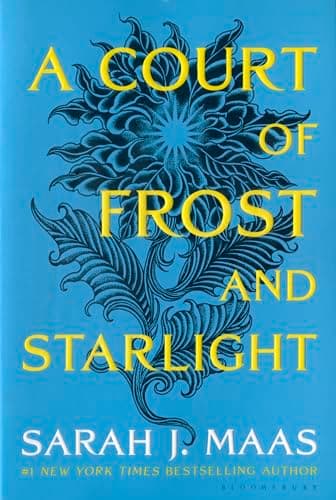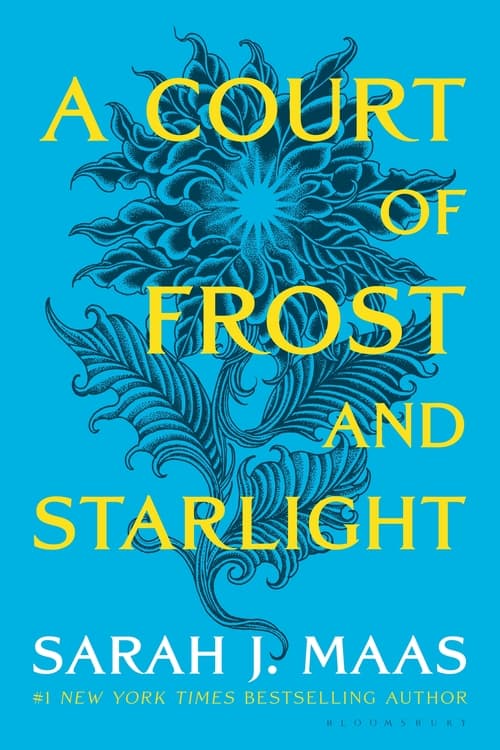

Peace in the Night Court is not a static state of grace, but a grueling, daily labor of logistics and emotional endurance. In the aftermath of a war that reshaped the landscape of Prythian, the inhabitants of Velaris find themselves trading the frantic adrenaline of the battlefield for the heavy, quiet work of reconstruction. As the Winter Solstice approaches—a holiday meant for gift-giving and renewal—the city’s beauty is marred by the practical realities of a society attempting to stitch itself back together.
For Feyre Archeron, the transition from warrior to High Lady is marked by a shift in perspective. The challenges she faces are no longer found in ancient curses or enemy armies, but in the eyes of a grieving citizenry and the weight of her own internal landscape. While the threat of total destruction has passed, a new tension emerges: the struggle to maintain a sense of hope when the cost of victory is still being tallied in every home and hearts are still brittle from the cold of a long, dark season.
The world-building in this narrative shifts from the expansive, magical frontiers of the previous volumes to the intimate, textured geography of a city in recovery. Velaris, once a hidden sanctuary, now grapples with its visibility and its vulnerability. The atmosphere is one of "bittersweet restoration," where the magic of the High Fae must coexist with the mundane necessities of winter supplies, housing for refugees, and the rebuilding of the rainbow-hued streets. There is a palpable sense of the "rules of peace"—the treaties and civic duties that are often more complex than the rules of combat. The setting serves as a mirror for the characters' internal states: beautiful but cracked, striving for a warmth that the encroaching winter threatens to dampen.
Character development in this phase of the story is measured in small, profound shifts rather than grand heroic gestures. The protagonist’s arc moves from external survival to internal reconciliation. Feyre’s primary struggle is learning how to occupy her power without losing her connection to the vulnerability that makes her human. The relationship dynamics within the "Inner Circle" are also tested; the camaraderie that held them together during the war must now adapt to the friction of domestic life and the different ways each individual processes trauma. The narrative emphasizes that the "Happily Ever After" is a myth that requires constant maintenance and a willingness to confront the scars that remain after the bandages are removed.
The story utilizes several key fantasy tropes but grounds them in realistic emotional consequences:
This narrative functions as a bridge, trading the high-octane pacing of a traditional fantasy epic for the rhythmic, observational tone of a character study. By focusing on the first months of peace, the text explores the moral dilemma of how to distribute resources and empathy in a world where everyone is hurting. It poses the question of whether art and celebration are luxuries or necessities during a time of scarcity. This focus on the "logistics of the heart" provides a necessary exhale for the series, ensuring that the stakes of future conflicts are rooted in a deeply understood and rebuilt world.
Peace in the Night Court is not a static state of grace, but a grueling, daily labor of logistics and emotional endurance. In the aftermath of a war that reshaped the landscape of Prythian, the inhabitants of Velaris find themselves trading the frantic adrenaline of the battlefield for the heavy, quiet work of reconstruction. As the Winter Solstice approaches—a holiday meant for gift-giving and renewal—the city’s beauty is marred by the practical realities of a society attempting to stitch itself back together.
For Feyre Archeron, the transition from warrior to High Lady is marked by a shift in perspective. The challenges she faces are no longer found in ancient curses or enemy armies, but in the eyes of a grieving citizenry and the weight of her own internal landscape. While the threat of total destruction has passed, a new tension emerges: the struggle to maintain a sense of hope when the cost of victory is still being tallied in every home and hearts are still brittle from the cold of a long, dark season.
The world-building in this narrative shifts from the expansive, magical frontiers of the previous volumes to the intimate, textured geography of a city in recovery. Velaris, once a hidden sanctuary, now grapples with its visibility and its vulnerability. The atmosphere is one of "bittersweet restoration," where the magic of the High Fae must coexist with the mundane necessities of winter supplies, housing for refugees, and the rebuilding of the rainbow-hued streets. There is a palpable sense of the "rules of peace"—the treaties and civic duties that are often more complex than the rules of combat. The setting serves as a mirror for the characters' internal states: beautiful but cracked, striving for a warmth that the encroaching winter threatens to dampen.
Character development in this phase of the story is measured in small, profound shifts rather than grand heroic gestures. The protagonist’s arc moves from external survival to internal reconciliation. Feyre’s primary struggle is learning how to occupy her power without losing her connection to the vulnerability that makes her human. The relationship dynamics within the "Inner Circle" are also tested; the camaraderie that held them together during the war must now adapt to the friction of domestic life and the different ways each individual processes trauma. The narrative emphasizes that the "Happily Ever After" is a myth that requires constant maintenance and a willingness to confront the scars that remain after the bandages are removed.
The story utilizes several key fantasy tropes but grounds them in realistic emotional consequences:
This narrative functions as a bridge, trading the high-octane pacing of a traditional fantasy epic for the rhythmic, observational tone of a character study. By focusing on the first months of peace, the text explores the moral dilemma of how to distribute resources and empathy in a world where everyone is hurting. It poses the question of whether art and celebration are luxuries or necessities during a time of scarcity. This focus on the "logistics of the heart" provides a necessary exhale for the series, ensuring that the stakes of future conflicts are rooted in a deeply understood and rebuilt world.
Add to your library to track progress and write reviews
Find A Court of Frost and Starlight Sarah J. Maas in PDF, EPUB, ebook, audiobook, print, or library editions.
24 books in catalog
The blending of high-stakes political intrigue, expansive world-building, and deep romantic storylines has reshaped modern fantasy publishing across both young adult and adult categories. Sarah J. Maas has established a central presence in epic fantasy literature through multi-book sagas that have sold over 75 million copies globally in forty languages. Beginning as an online serial written during her teenage years, her body of work has cultivated a massive international audience and helped bring romantic fantasy into the forefront of contemporary commercial fiction.
Born in New York City in 1986, Sarah J. Maas began her writing career at age sixteen by posting Queen of Glass, a fantasy reimagining of Cinderella, on the creative writing community FictionPress. The digital serial gained a large internet following prior to its acquisition for traditional publishing. Maas attended Hamilton College in Clinton, New York, where she majored in creative writing and minored in religious studies, graduating Magna Cum Laude in 2008. Her academic focus on mythology, theology, and ancient narrative traditions provided the foundation for the elaborate world-building and pantheons featured throughout her fantasy realms. Her debut novel, Throne of Glass, was published in 2012 by Bloomsbury, expanding her early draft into an eight-volume high fantasy epic centered on the assassin Celaena Sardothien.
Following the publication of Throne of Glass, Maas expanded her bibliographies with A Court of Thorns and Roses, which debuted in 2015 as a narrative inspired by Beauty and the Beast before growing into a multi-realm Fae saga. Her career subsequently marked a formal transition into the adult fantasy market with House of Earth and Blood, the first installment in her Crescent City series. By bridging young adult, new adult, and adult literature, her published works illustrate how grassroots digital writing can evolve into major global publishing successes while broadening the scope of character-driven epic fantasy.
The writing style of Sarah J. Maas relies heavily on the subversion of classical folklore, developing early inspirations like Cinderella and Beauty and the Beast into extensive, original mythologies. Her prose emphasizes character-driven development, utilizing high-concept magic systems as the background for personal psychological journeys. Rather than prioritizing only external military conflicts, her narrative arcs highlight the emotional weight of war, political upheaval, trauma, and sacrifice, grounding epic plot points in relatable human experiences.
Prominent thematic elements across her books include the reclamation of identity and autonomy after severe trauma, the importance of complex female friendships, and the formation of resilient 'found family' bonds. Her protagonists regularly navigate moral dilemmas, balancing personal desires against the burdens of leadership, power, and survival. Through intricate plot architecture that connects individual stories across sprawling series, her storytelling emphasizes female agency, psychological recovery, and self-actualization within high-stakes fantasy settings.
24 books in catalog
The blending of high-stakes political intrigue, expansive world-building, and deep romantic storylines has reshaped modern fantasy publishing across both young adult and adult categories. Sarah J. Maas has established a central presence in epic fantasy literature through multi-book sagas that have sold over 75 million copies globally in forty languages. Beginning as an online serial written during her teenage years, her body of work has cultivated a massive international audience and helped bring romantic fantasy into the forefront of contemporary commercial fiction.
Born in New York City in 1986, Sarah J. Maas began her writing career at age sixteen by posting Queen of Glass, a fantasy reimagining of Cinderella, on the creative writing community FictionPress. The digital serial gained a large internet following prior to its acquisition for traditional publishing. Maas attended Hamilton College in Clinton, New York, where she majored in creative writing and minored in religious studies, graduating Magna Cum Laude in 2008. Her academic focus on mythology, theology, and ancient narrative traditions provided the foundation for the elaborate world-building and pantheons featured throughout her fantasy realms. Her debut novel, Throne of Glass, was published in 2012 by Bloomsbury, expanding her early draft into an eight-volume high fantasy epic centered on the assassin Celaena Sardothien.
Following the publication of Throne of Glass, Maas expanded her bibliographies with A Court of Thorns and Roses, which debuted in 2015 as a narrative inspired by Beauty and the Beast before growing into a multi-realm Fae saga. Her career subsequently marked a formal transition into the adult fantasy market with House of Earth and Blood, the first installment in her Crescent City series. By bridging young adult, new adult, and adult literature, her published works illustrate how grassroots digital writing can evolve into major global publishing successes while broadening the scope of character-driven epic fantasy.
The writing style of Sarah J. Maas relies heavily on the subversion of classical folklore, developing early inspirations like Cinderella and Beauty and the Beast into extensive, original mythologies. Her prose emphasizes character-driven development, utilizing high-concept magic systems as the background for personal psychological journeys. Rather than prioritizing only external military conflicts, her narrative arcs highlight the emotional weight of war, political upheaval, trauma, and sacrifice, grounding epic plot points in relatable human experiences.
Prominent thematic elements across her books include the reclamation of identity and autonomy after severe trauma, the importance of complex female friendships, and the formation of resilient 'found family' bonds. Her protagonists regularly navigate moral dilemmas, balancing personal desires against the burdens of leadership, power, and survival. Through intricate plot architecture that connects individual stories across sprawling series, her storytelling emphasizes female agency, psychological recovery, and self-actualization within high-stakes fantasy settings.
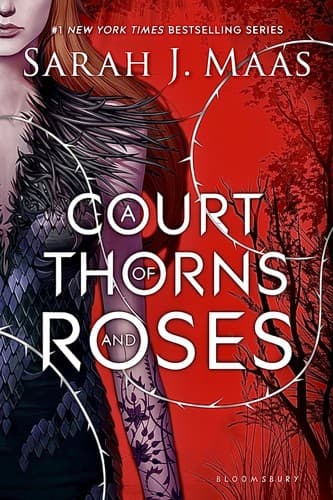
A Court of Thorns and Roses