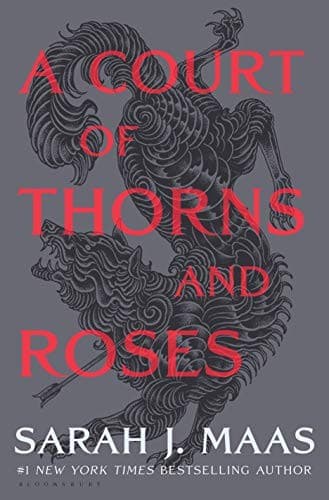
In a world divided by an ancient, invisible wall, nineteen-year-old Feyre Archeron exists in the brutal gap between starvation and survival. As the sole provider for her displaced family, her life is defined by the weight of a vow made to her dying mother and the cold reality of a bow and arrow. When she kills a massive wolf in the woods to secure a pelt for trade, she unknowingly violates a centuries-old treaty between the mortal realm and the immortal lands of Prythian. The retribution is swift: a monstrous, golden-eyed beast arrives at her door, demanding her life in exchange for the one she took.
Feyre is spirited away to the Spring Court, a lush, magical estate that contradicts every horrific legend she has ever heard about the High Fae. Rather than meeting an immediate end, she finds herself a permanent guest of her captor, who is revealed to be a High Lord of the Fae. As she navigates the opulence of his manor, she must reconcile her deep-seated hatred for the immortals who once enslaved humanity with the unsettling realization that the Fae world is crumbling under the weight of a mysterious, creeping blight that threatens both their realms.
The setting is defined by a hard geopolitical border known as The Wall, which separates the resource-scarce human lands from the elemental territories of the Fae. Prythian is organized into seven distinct courts, each governed by a High Lord and characterized by specific seasonal or temporal magic. A central mystery of the setting is a mandatory masquerade; every inhabitant of the Spring Court is magically bound to wear a mask, a physical manifestation of a curse that has plagued the land for nearly fifty years. This atmosphere of forced artifice creates a tension between the court’s natural beauty and an underlying sense of decay and political stagnation.
Feyre’s initial arc is centered on the transition from a state of constant "survival mode" to one of self-actualization. In the human realm, her identity is entirely subsumed by her utility as a provider. Upon entering the Spring Court, the removal of immediate physical threats forces her to confront her own intellectual and emotional voids, including her illiteracy and her grief. Her relationship with Tamlin begins as a hostage-captor dynamic fueled by mutual resentment but evolves through shared moments of vulnerability and the slow dismantling of the prejudices Feyre has held against his kind.
The narrative functions as a sophisticated "Beauty and the Beast" retelling, utilizing the foundational elements of a bargain and a cursed castle to explore deeper themes of agency and class. It subverts the "Mortal in a Fairyland" trope by stripping away the whimsy often associated with the Fae, replacing it with a rigid, often violent social hierarchy and a looming external threat that feels grounded in political consequence. The "Enemies to Lovers" progression is handled as a slow burn, prioritizing the breakdown of cultural barriers and the establishment of trust over immediate romance.
The fight over this book is about the beast. In the old tale the whole challenge is learning to look past ugliness; Goodreads readers say the retelling loses that when its captor turns out to be handsome and kind, while others call it a sensible modern update. The same argument runs through the pacing. Many describe a slow, explain-everything first half that breaks into a high-stakes final act, and they disagree about whether the payoff earns the wait. What people praise is the chemistry and Feyre's climb out of survival mode, though even fans fault some of her decisions. One thing worth knowing before you start: Bloomsbury published it as young adult in 2015, it's now commonly shelved as New Adult, and Maas has said the YA label surprised her given how mature it is.
Add to your library to track progress and write reviews
Bustle put it on its best YA books of 2015 list, and it was a Goodreads Choice nominee for Young Adult Fantasy that year, losing to Maas's own Queen of Shadows. Readers split hardest on the retelling itself: many love the romance and Feyre's arc, others fault illogical decisions, speech-heavy exposition and a beast whose beauty undercuts the source tale. Publishers Weekly says it never reviewed the book, so its reputation rests mostly on readers and later genre retrospectives.
Find A Court of Thorns and Roses Sarah J. Maas in PDF, EPUB, ebook, audiobook, print, or library editions.
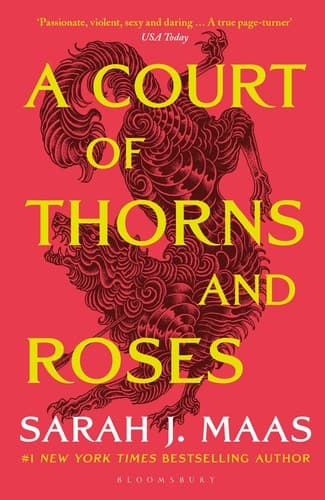
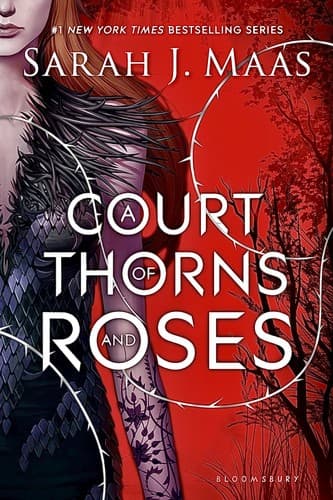
A Court of Thorns and Roses
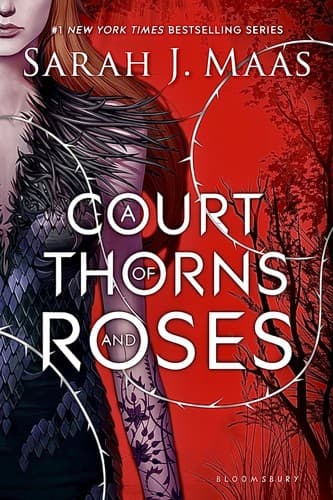
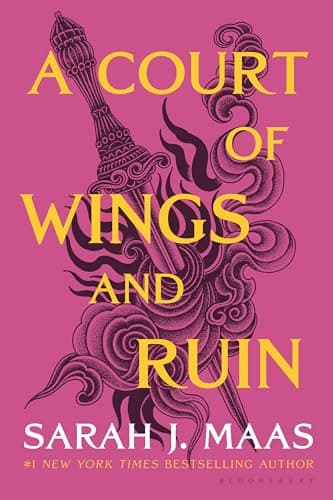
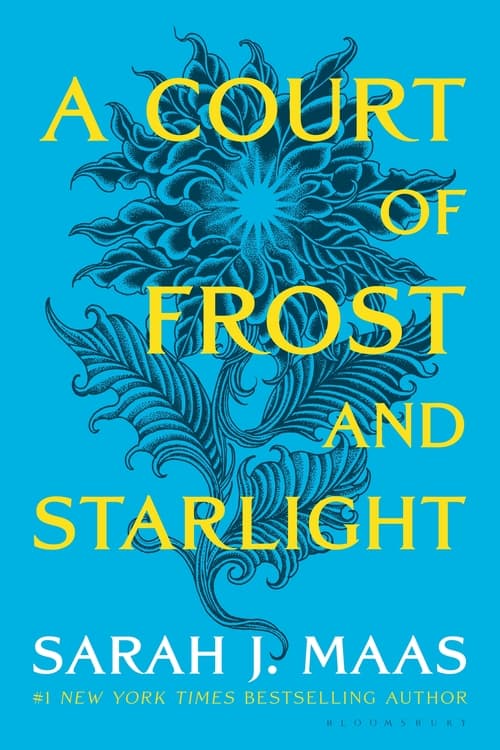

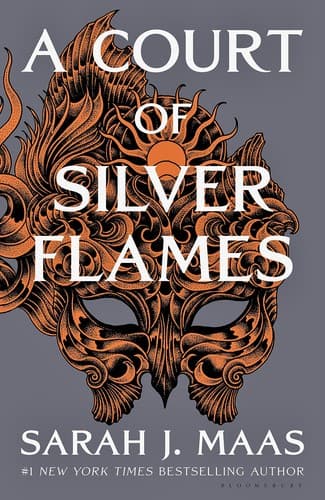

24 books in catalog
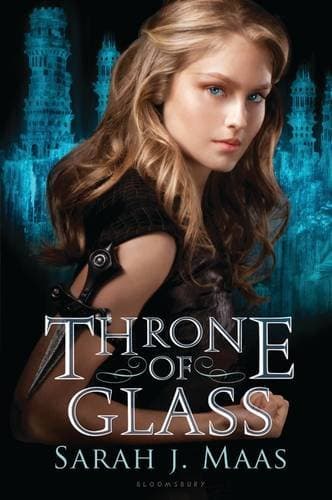
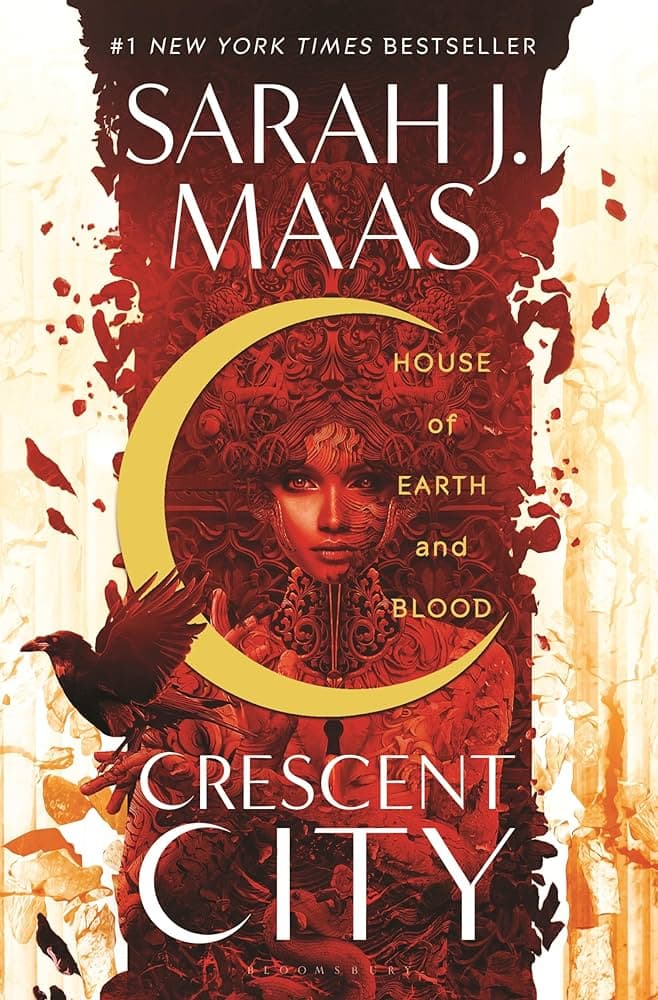
Sarah J. Maas is the prolific, #1 New York Times and internationally bestselling author of the Throne of Glass, A Court of Thorns and Roses and Crescent City series, which have sold more than 70 million copies in English worldwide and are published in thirty-eight languages. Maas is one of the most successful authors of the modern era, generating a far-reaching and ever-growing fanbase of readers, as well as a TikTok phenomenon, with the hashtag for her A Court of Thorns and Roses series having several billion views.
She has two children, Taran and Sloan, with her husband. They currently reside in Los Angeles, CA and have a home in NYC, NY.
(Website: sarahjmaas.com)