§Collection
The New York Times's 50 Best Memoirs of the Past 50 Years
The New York Times' Book critics far and wide have selected the top best memoirs published since 1969.
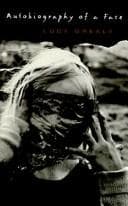
Autobiography of a Face
Lucy Grealy, 1994
The New York Times' Book critics far and wide have selected the top best memoirs published since 1969.
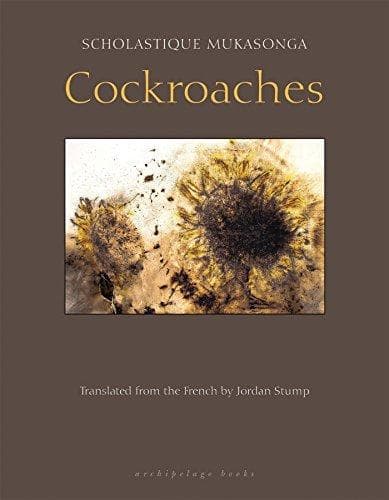
Mukasonga survived the Rwandan genocide because her parents sent her away. Her account of that exile and its terrible cost is grief written with unbearable clarity.
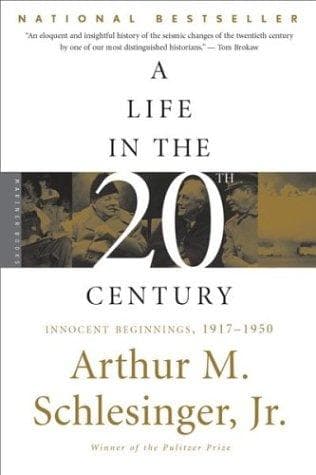
The great historian turns the lens on himself, from 1917 through midcentury. If you like your memoirs with a front-row seat to American history, this is the one.
Karr revitalizes the childhood memoir: a refinery town, a father who spins glorious lies, and darker truths underneath. Dry wit and dread in equal measure.
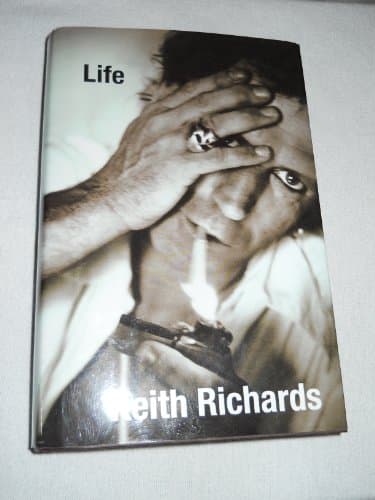
Richards discusses drugs, Jagger, and Brian Jones without apparent filter, and the prose—wry, unhurried, distinctly his—stands out among rock memoirs.
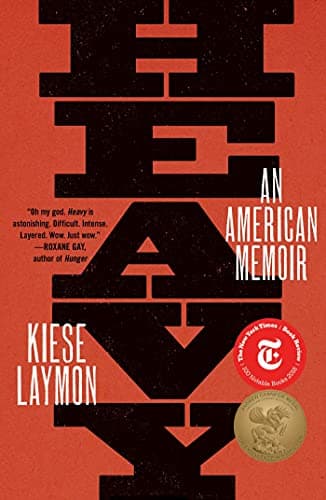
Laymon writes to his mother with raw honesty. A memoir about weight, gambling, abuse, and Blackness in America.
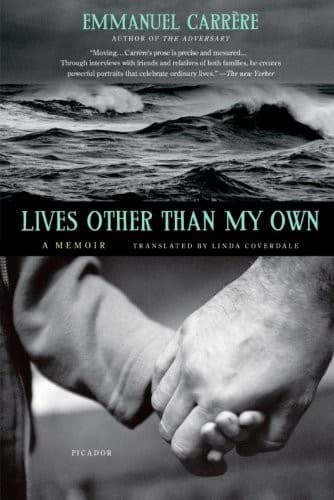
Carrère follows strangers through tragedy toward redemption, offering a concise and humane narrative.
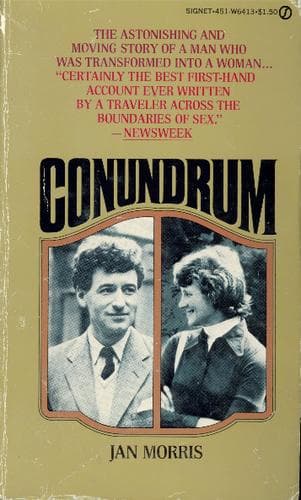
Morris tells her transition as travelogue, family saga and obsession all at once, pitch perfect throughout. You can finish it in a sitting; it lasts much longer.
Wolff's account of a boyhood remade through reinvention is a fixture of the form. If you want prose that never puts a foot wrong, start here.
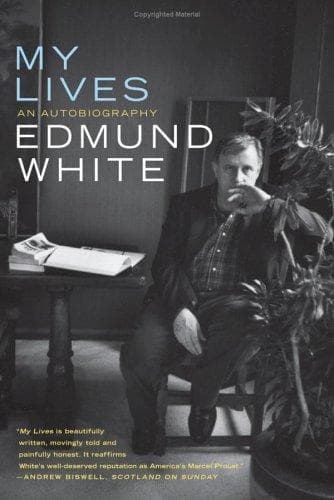
Edmund White writes about his life with the candor of someone who has stopped apologizing for it. A stylish, unflinching map of a gay life across decades.
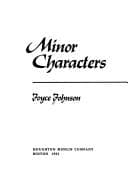
The Beats from the women's side of the room. Johnson remembers leaving home in the 1950s to live as freely as the famous men she loved, and writes it all down without bitterness.
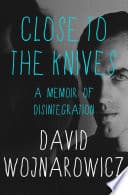
Wojnarowicz writes from the New York streets and piers with scathing, sexy fury about art, AIDS and America. Raw testimony that still burns.
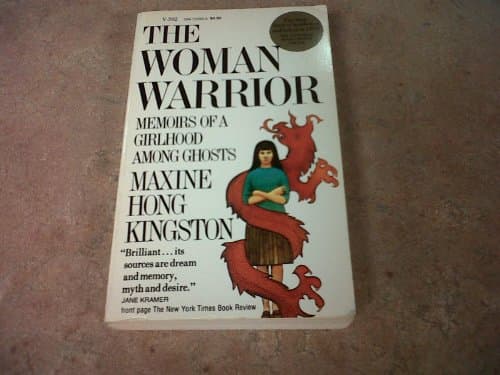
Kingston braids her mother's Chinese talk-stories against a California girlhood, and the seams are the point. A fierce, strange book that changed what a memoir could be.
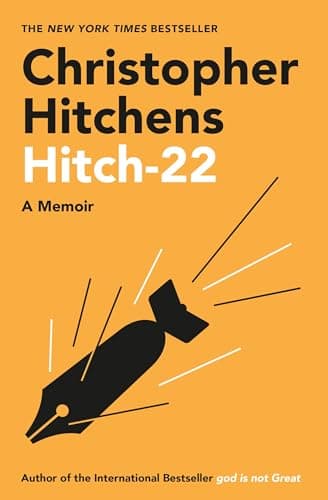
Contradictions were Hitchens's native habitat: socialist and hawk, atheist and churchgoer's son. Here he accounts for all of it with the appetite and argument you'd expect.
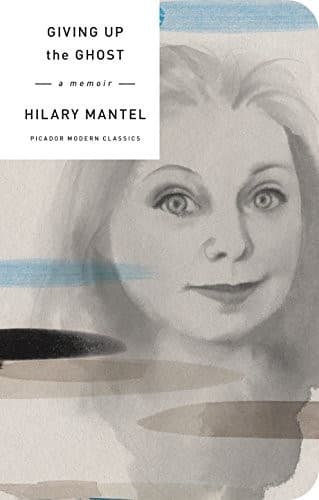
Mantel brings her steely wit to childhood, illness and ghosts, offering a wry and shocking autobiography. Come for the novelist's precision, stay for the great-aunt with the cabbage.
Homelessness told from inside it, with a dog and a prose style that refuses self-pity. Eighner survives the streets and, rarer, keeps his sense of humor about it.
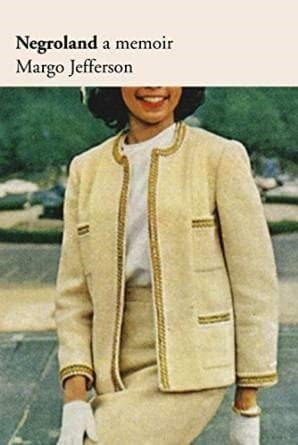
Jefferson reflects on growing up in Chicago's Black elite, offering a witty and exacting account of privilege.
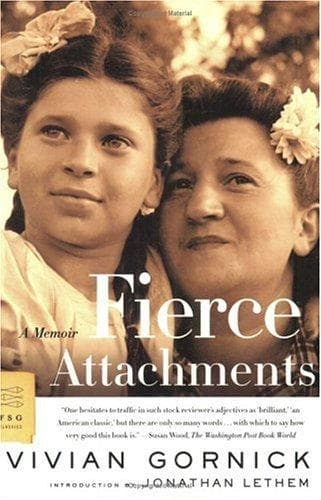
Gornick walking the streets of New York with her mother, arguing across a lifetime. Few memoirs see a mother-daughter bond this clearly, or forgive it less.
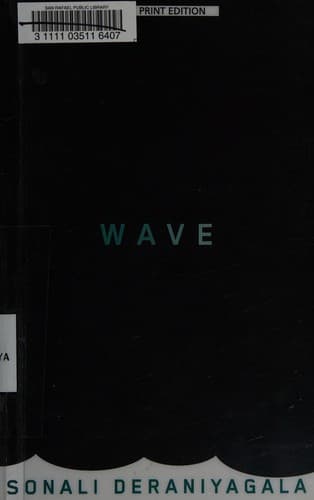
Deraniyagala writes about the 2004 tsunami and the life it left her with, without consolation. Readers willing to sit with grief at its rawest will find nothing else like it here.
Winterson revisits a religious adoptive mother, a difficult childhood and the search for her birth mother. Fierce, funny and unexpectedly moving.
Ward mourns five young men lost in five years, rendering the rural South's arithmetic of death impossible to ignore. If you want grief written plainly, start here.
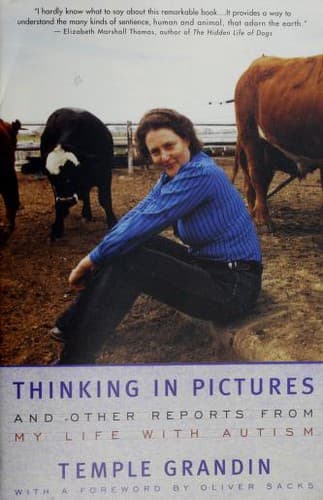
Grandin explains her own mind—concrete, visual, closer to how animals think—and turns autobiography into a genuinely useful account of autism. Clear-eyed, never clinical.
A letter to his son that doubles as a national indictment. Coates writes about living in a Black body with striking directness, and the book is short enough to read in one sitting.
Bechdel's graphic memoir blends humor and dread to explore a father's probable suicide and a daughter's coming out. A landmark of comics and of autobiography alike.
Satrapi's graphic memoir depicts her Tehran childhood amid revolution and war, blending humor and heartbreak.
Explore: Classics · Biography & Autobiography · Nonfiction · History