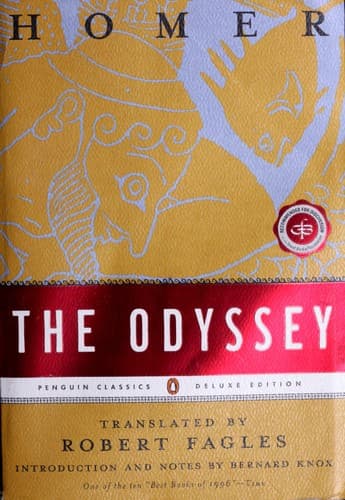
The Odyssey
Homer, -800, adventure
“Start with the engine itself. Robert Fagles’s muscular translation moves quickly without sanding away the poem’s strangeness: hospitality can kill you, cleverness can save you, and reaching home is not the same as being restored.”
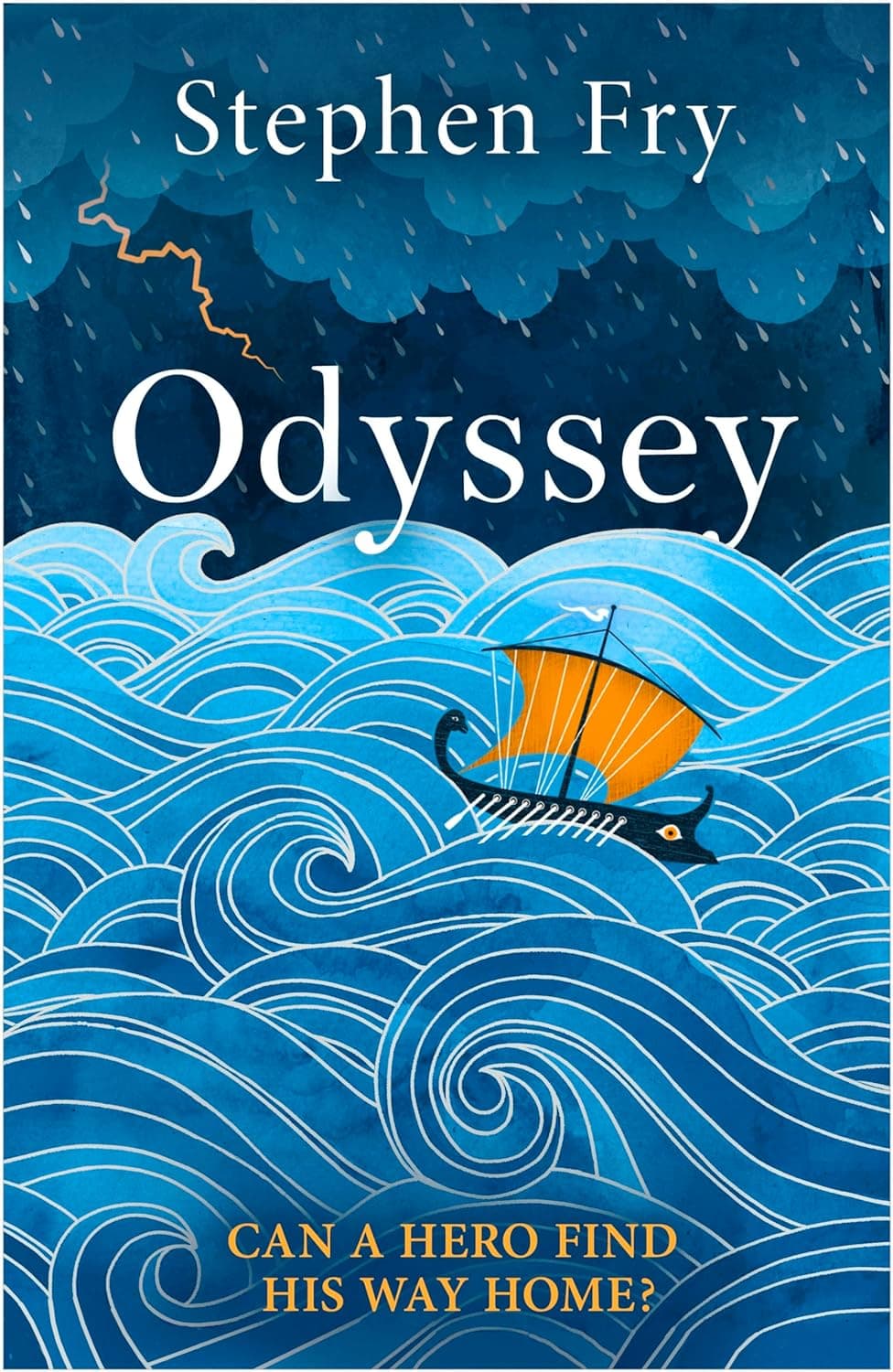
Odyssey
Stephen Fry, 2024, fiction / fairy tales
“For readers who want the whole voyage told by a gifted dinner-table storyteller. Fry keeps the gods, detours, appetites, grudges, and absurdities in view, making this an easy bridge from spectacle on screen to Homer’s crowded mythic world.”
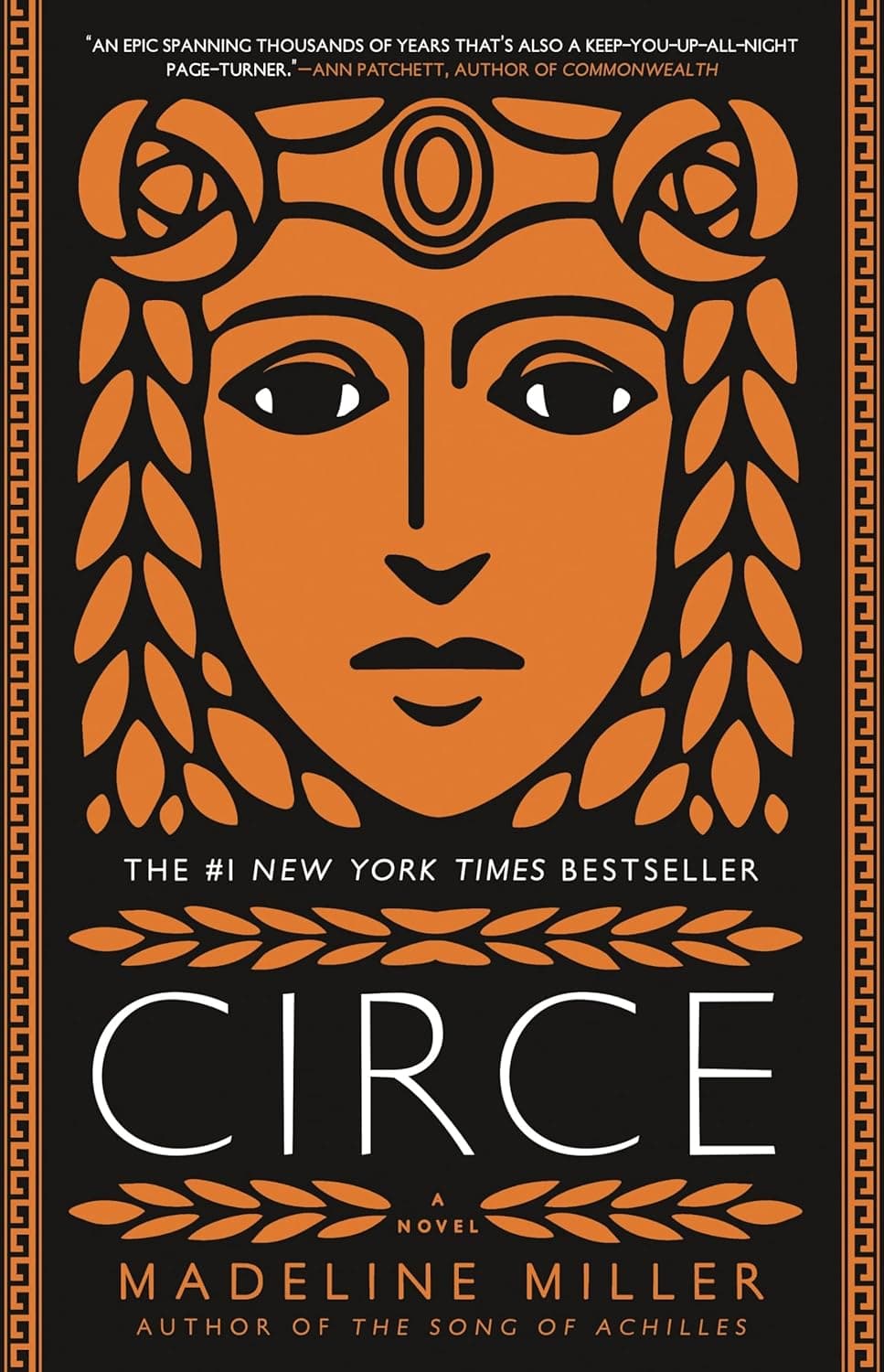
Circe
Madeline Miller, 2018, classics
“Odysseus is only one visitor in Circe’s long life, which is exactly the point. Miller turns the supposedly dangerous island woman into the center of her own epic and asks what transformation looks like when it belongs to the witch.”
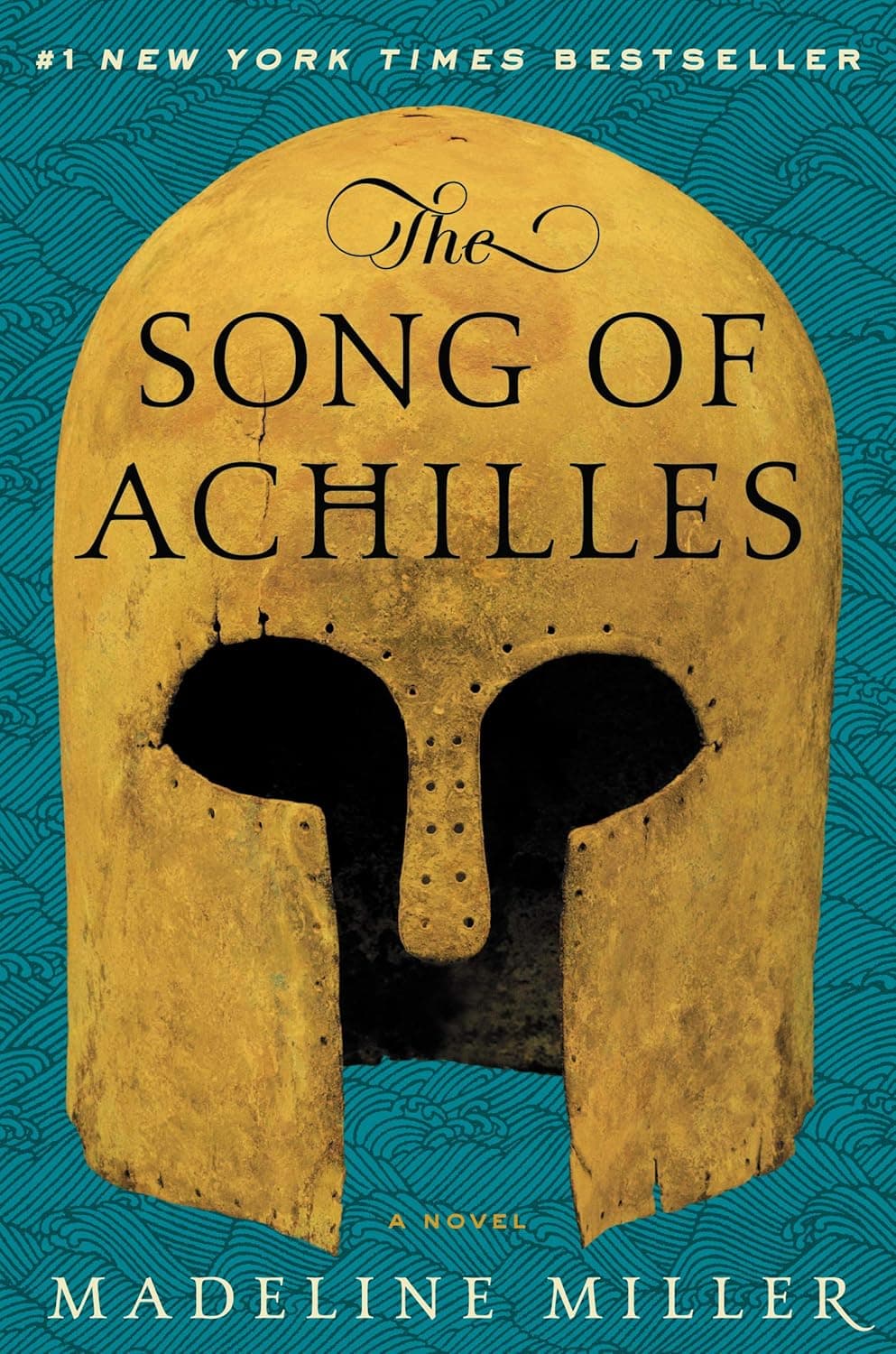
The Song of Achilles
Madeline Miller, 2011, adventure
“Before Odysseus can struggle home, Troy has to make homecoming impossible for an entire generation. Patroclus tells the intimate story inside the war machine: tenderness, glory, prophecy, and the terrible cost of becoming the hero a culture demands.”
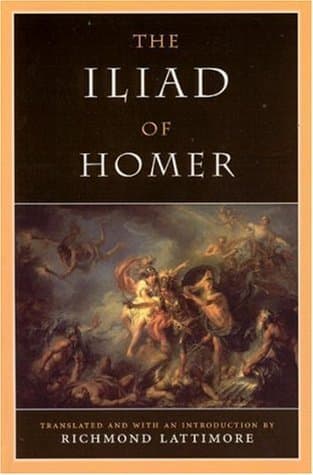
The Iliad
Homer, -800, mythology
“The Odyssey is a veteran’s story; this is the war still burning behind his eyes. The Iliad narrows an enormous conflict to rage, grief, bodies, and one astonishing act of recognition between enemies.”
Galatea
Madeline Miller, 2013, classics
“A small myth turned sharp enough to cut its sculptor. Miller gives Pygmalion’s creation a voice, a plan, and an understanding of the prison hidden inside the fantasy of the perfect, obedient woman.”
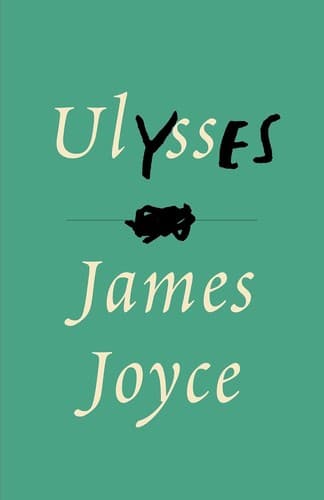
Ulysses
James Joyce, 1920, classics
“The most audacious proof that an odyssey need not cross an ocean. Joyce maps monsters, temptations, estrangement, and return onto one ordinary Dublin day—and makes consciousness itself the wildest territory.”
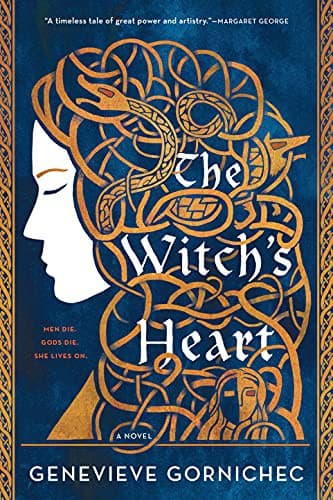
The Witch's Heart
Genevieve Gornichec, 2021, fantasy
“Change pantheons and the pressure remains: gods demand obedience, prophecy calls itself destiny, and a witch must decide what she will sacrifice. Angrboda’s story carries Circe-like island solitude into the cold shadow of Ragnarök.”
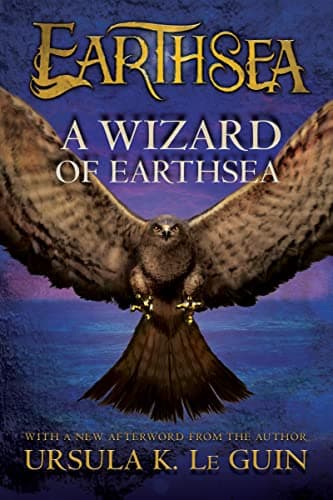
A Wizard of Earthsea
Ursula K. Le Guin, 1968, business
“Ged’s island-hopping pursuit of the shadow he released is an odyssey stripped to its spiritual bones. The monster knows his name because it is his name; the long way home requires recognition, not conquest.”
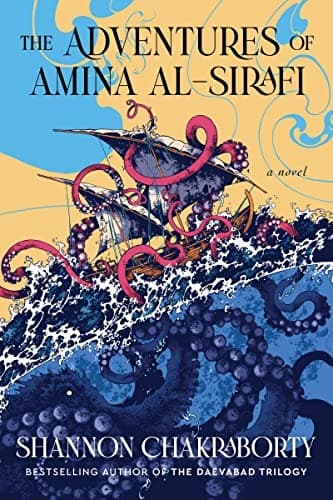
The Adventures of Amina Al-Sirafi
S. A. Chakraborty, 2023, adventure
“A retired pirate captain accepts one last job and discovers that neither demons nor old crewmates respect retirement. Come for the Indian Ocean adventure; stay for a middle-aged heroine balancing glory, faith, motherhood, and the pull of the deck.”
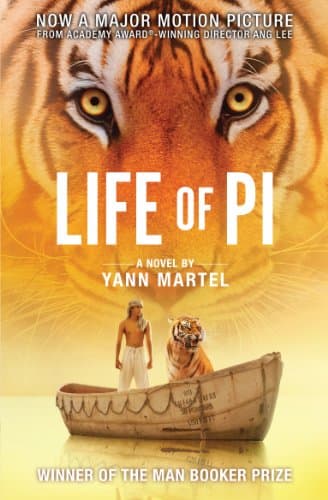
Life of Pi
Yann Martel, 2001, adventure
“A boy, a lifeboat, a tiger, and a story that may be truer because it is impossible. Like Odysseus, Pi survives partly by becoming the author of his survival—and leaves his audience responsible for choosing what to believe.”

The Scar
China Miéville, 2002, adventure
“A floating pirate city kidnaps ships, languages, scientists, and destinies while chasing a wound in reality. This is the Odyssey’s dangerous-port episode expanded into an entire civilization—seductive, grotesque, and always moving.”
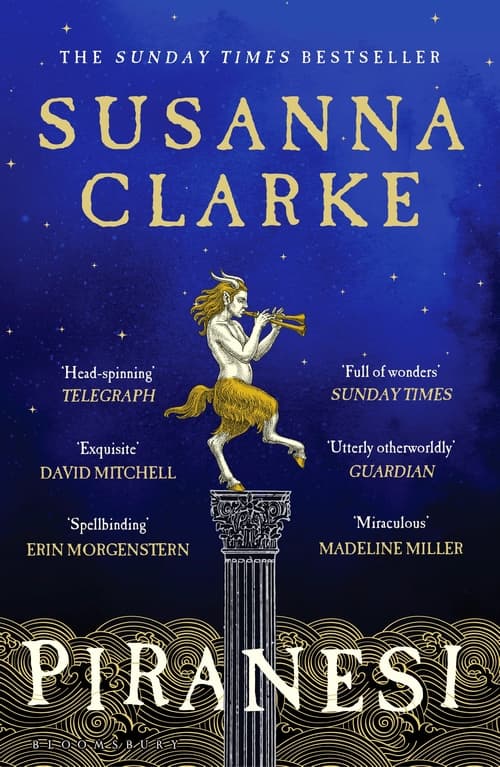
Piranesi
Susanna Clarke, 2019, dark fantasy; fantasy; fiction; literary; magical realism
“Infinite halls, drowned statues, two living people—or so Piranesi believes. Clarke trades the open sea for a tidal labyrinth where memory is the lost homeland and naming the captor is the first step toward escape.”
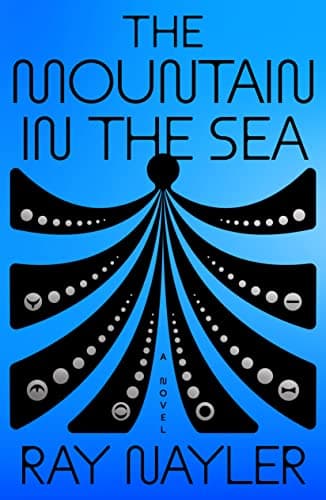
The Mountain in the Sea
Ray Nayler, 2022, adventure
“On a sealed island, an octopus civilization may be looking back at the humans studying it. The old fear of sea monsters becomes a more unsettling question: what if the beings below are persons, and we are the monsters in their story?”
Solaris
Stanisław Lem, 1961, space
“Lem sends scientists to interrogate a planet-wide ocean and lets the ocean answer with their own dead. It is a cosmic Sirens episode: the unknowable does not sing what you want—it materializes what you cannot release.”
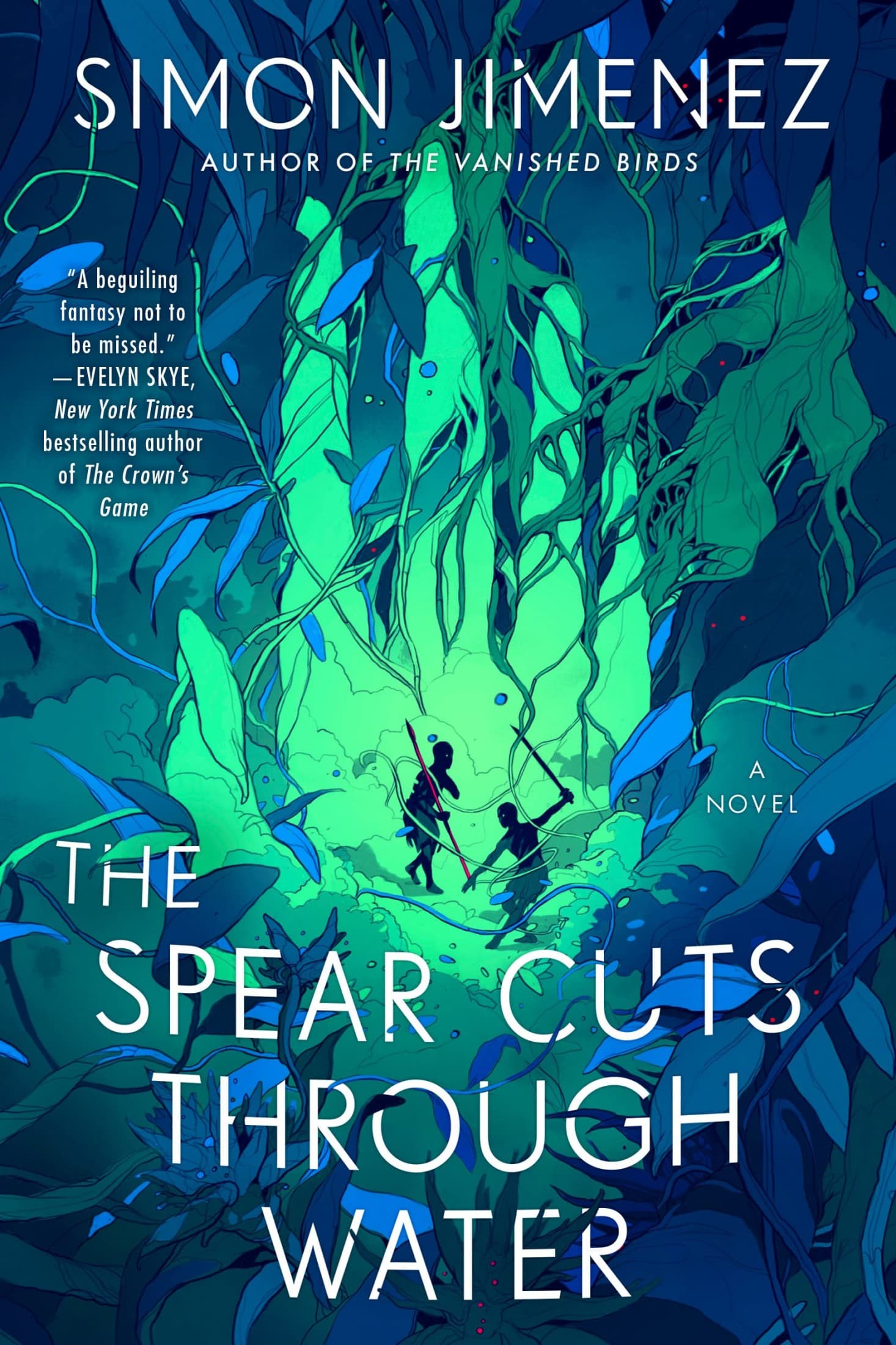
The Spear Cuts Through Water
Simon Jimenez, 2022, adventure
“Two warriors escort a dying god across a violent land while generations of listeners gather around the story. Jimenez makes epic form visible—the tale shifts person, stage, memory, and voice as if an oral tradition were happening inside your head.”
The Buried Giant
Kazuo Ishiguro, 2015, adventure
“An elderly couple crosses a mist-struck Britain to find a son they can barely remember. Ishiguro asks the question waiting after every heroic war: can peace survive recovered memory, and can love survive the truth of the journey?”
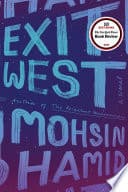
Exit West
Mohsin Hamid, 2017, dystopian
“Nadia and Saeed flee war through doors that collapse the miles but not the cost of leaving. Hamid makes migration both miraculous and ordinary, then asks whether home is a place, a relationship, or the self that existed before departure.”
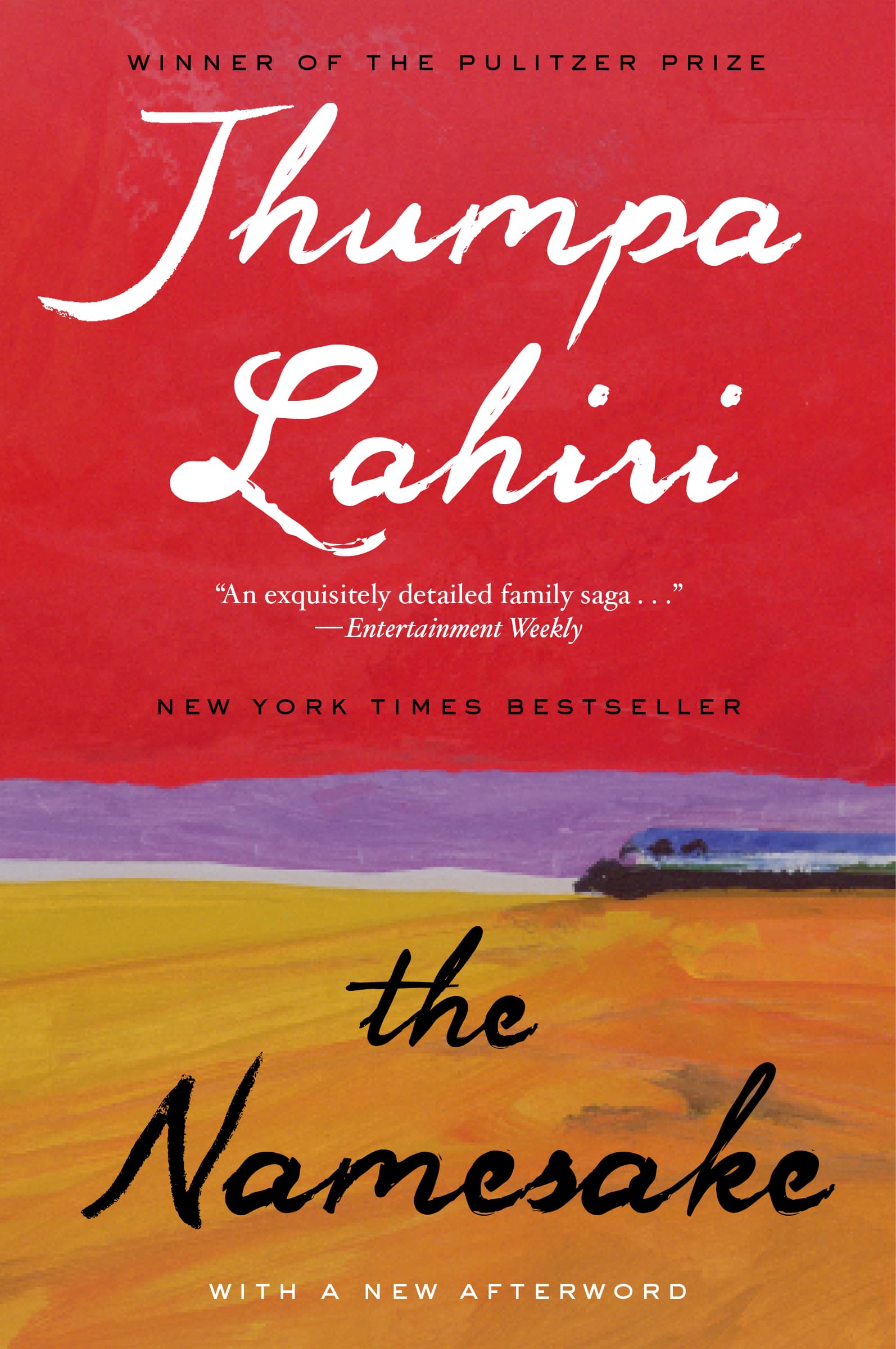
The Namesake
Jhumpa Lahiri, 2003, classics
“Gogol Ganguli inherits a name born from his father’s near-death and spends years trying to outtravel it. Lahiri’s odyssey crosses generations: the destination is not a country but an understanding of what our parents carried toward us.”
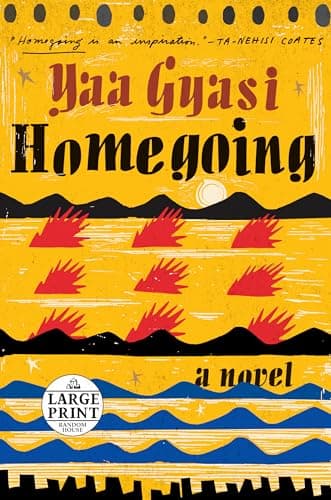
Homegoing
Yaa Gyasi, 2016, african americans
“Two half-sisters begin lines divided by the slave trade, one in Ghana and one in America. Across centuries, Gyasi transforms homecoming from an individual triumph into a broken inheritance—and finally, a movement toward recognition.”

Project Hail Mary
Andy Weir, 2021, adult
“A lone voyager wakes without his name, his mission, or a route home; ingenuity and an unexpected companion become his crew. It is the problem-solving Odyssey, launched between stars and powered by the pleasure of one more impossible obstacle.”
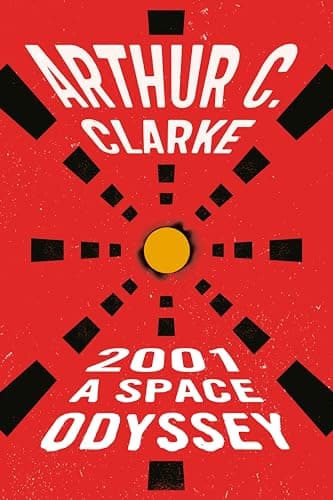
2001: A Space Odyssey
Arthur C. Clarke, fantasy
“The title made the promise explicit: space would become the new wine-dark sea. Clarke trades gods for alien intelligence and a treacherous shipboard mind, carrying the epic from humanity’s first tool toward whatever waits beyond us.”
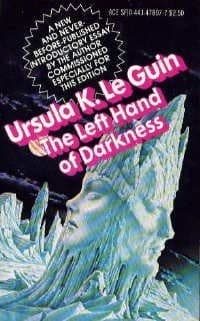
The Left Hand of Darkness
Ursula K. Le Guin, 1969, adventure
“An envoy crosses a frozen planet with the one person he failed to understand. The ice journey is Le Guin’s open sea: hospitality, betrayal, foreignness, and dependence strip away every illusion except the need to trust.”
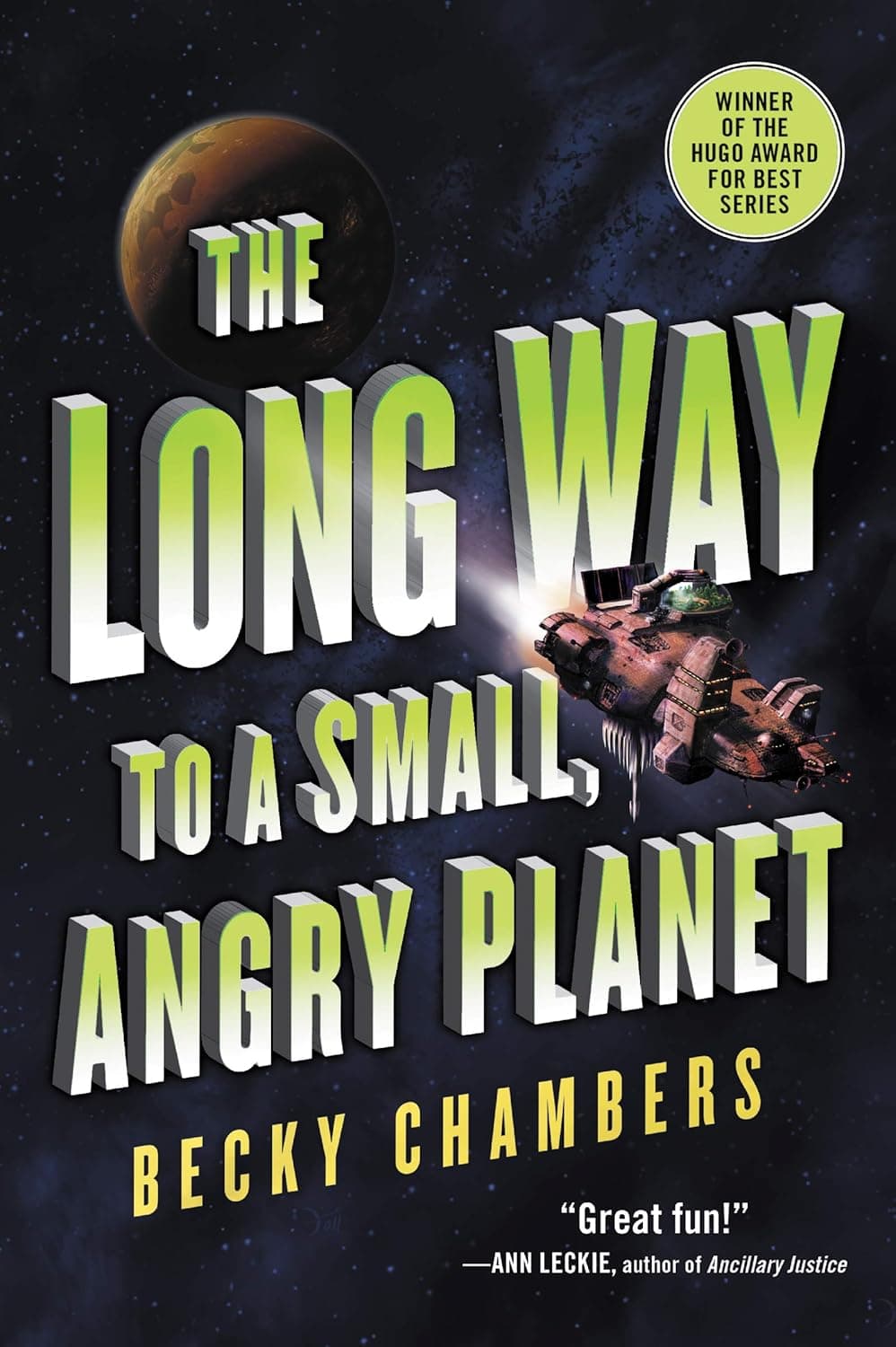
The Long Way to a Small, Angry Planet
Becky Chambers, 2014, extraterrestrial beings
“Not every odyssey needs a solitary hero. A multispecies tunneling crew makes the long trip by eating together, arguing, translating badly, and building a temporary home inside the ship.”