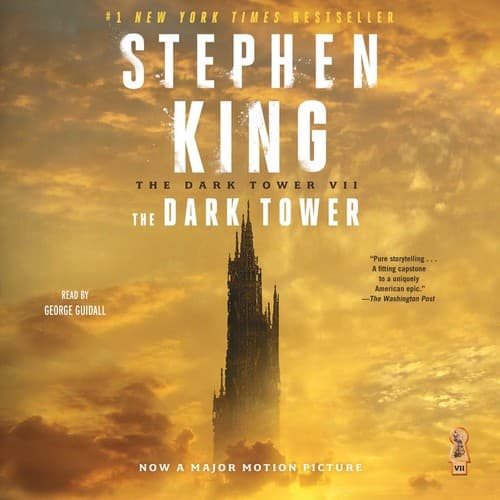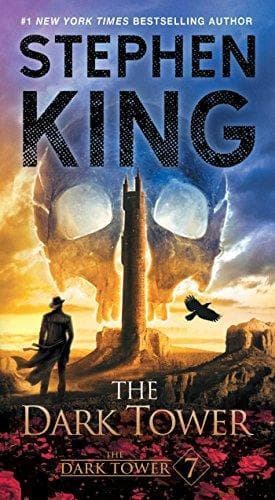
The final descent toward the nexus of all universes begins as the physical and metaphysical walls between worlds continue to erode. The Dark Tower, the linchpin of existence, stands under the shadow of the Crimson King, whose agents seek to sever the remaining Beams that hold reality in place. For Roland Deschain and his companions, the quest is no longer a distant myth but an immediate, desperate race against the total dissolution of time, space, and memory.
As the narrative opens, the fellowship known as the "ka-tet" finds itself fractured across different dimensions and eras, struggling to reunite before the center of the multiverse collapses. Roland must navigate the entropic pressure of a world that has "moved on" while contending with the birth of a predatory entity that threatens to undo his life’s work. The story shifts its focus toward the heavy cost of a lifelong obsession and the moral weight of a leader who has sacrificed nearly everything—and everyone—to reach his goal.
The setting of this concluding volume is a masterclass in "used-future" world-building, where high-tech relics of the Great Old Ones crumble alongside feudal ruins. Reality is depicted as a fraying fabric; "thinnies" and dimensional breaches are no longer anomalies but symptoms of a dying multiverse. The rules of this world are governed by the Beams—invisible magnetic lines that maintain the alignment of time and size. As these Beams snap, the internal logic of Mid-World and our own "keystone" Earth becomes increasingly unstable, creating a landscape where geography and chronology are no longer reliable.
Roland Deschain’s initial arc in this final stage is defined by a shift from the cold, utilitarianism of a lone gunslinger to the reluctant vulnerability of a father figure. His relationship with his ka-tet—Eddie, Susannah, Jake, and the billy-bumbler Oy—is the emotional anchor of the narrative. The group operates under the philosophy of "ka," a blend of destiny and duty that binds them together. However, the introduction of Susannah’s fragmented identity and the looming threat of the "Chapel Perilous" creates significant friction, forcing the characters to question whether their loyalty is to each other or to Roland’s singular, destructive mission.
King utilizes the "Epic Quest" trope but complicates it by blending disparate genres into a singular, cohesive mythology. The book functions as a Western in its tone and moral landscape, a high-fantasy epic in its stakes, and a science-fiction thriller in its mechanical execution. A major thematic element is the subversion of the "Chosen One" narrative through the use of metafiction. By acknowledging the influence of the author and the act of storytelling itself, the book examines the trope of the "Inescapable Fate," suggesting that the characters are not just fighting the Crimson King, but the very narrative structures that demand their suffering.
The plot is driven by the mechanical urgency of the Breakers—individuals with psychic abilities being used by the Discordia to systematically destroy the Beams. This setup establishes a clear moral dilemma: the characters must decide whether to pursue the Tower directly or divert their limited resources to sabotage the machinery of the enemy. This conflict highlights the struggle between the grand, cosmic goal of saving the universe and the immediate, human necessity of protecting the innocent. The stakes are presented not just as the end of a world, but as the end of all possible stories.
Add to your library to track progress and write reviews
Find The Dark Tower Stephen King in PDF, EPUB, ebook, audiobook, print, or library editions.
The Dark Tower

38 books in catalog
Stephen Edwin King was born the second son of Donald and Nellie Ruth Pillsbury King. After his father left them when Stephen was two, he and his older brother, David, were raised by his mother.
He is widely known for his horror novels, he has been crowned the "King of Horror". He has also explored other genres, among them suspense, crime, science-fiction, fantasy and mystery.