§Synopsis
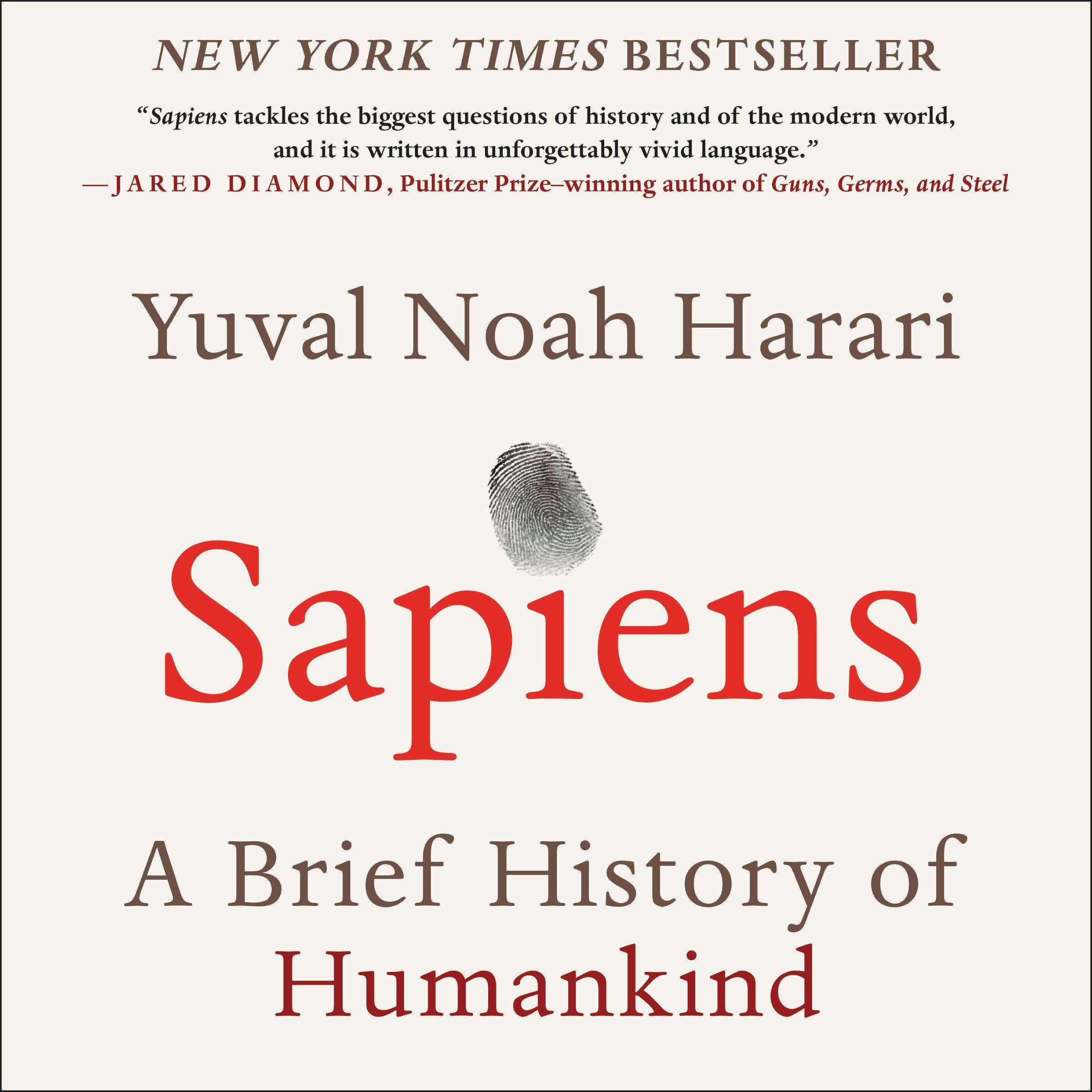
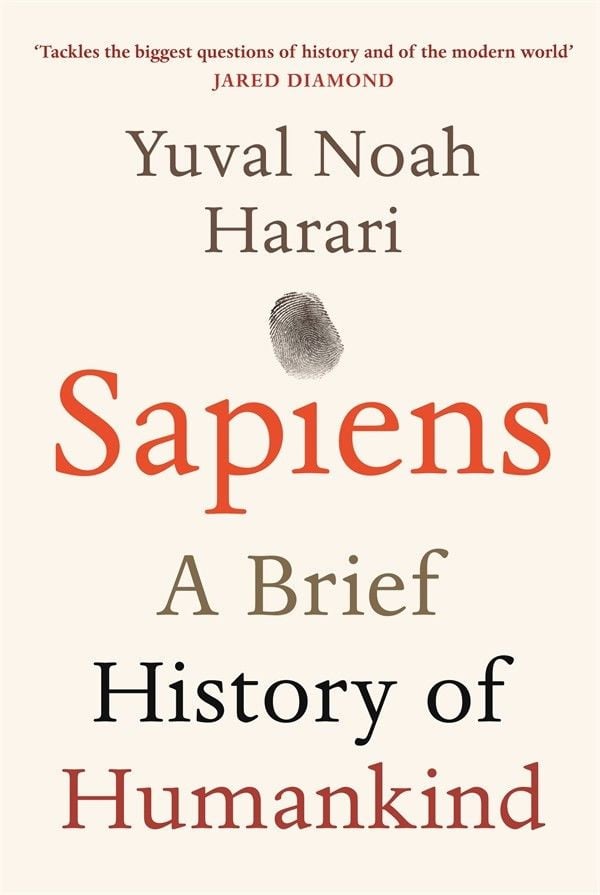
01From a renowned historian comes a groundbreaking narrative of humanity’s creation and evolution—a #1 international bestseller—that explores the ways in which biology and history have defined us and enhanced our understanding of what it means to be “human.” One hundred thousand years ago, at least six different species of humans inhabited Earth. Yet today there is only one—homo sapiens. What happened to the others? And what may happen to us? Most books about the history of humanity pursue either a historical or a biological approach, but Dr. Yuval Noah Harari breaks the mold with this highly original book that begins about 70,000 years ago with the appearance of modern cognition. From examining the role evolving humans have played in the global ecosystem to charting the rise of empires, Sapiens integrates history and science to reconsider accepted narratives, connect past developments with contemporary concerns, and examine specific events within the context of larger ideas. Dr. Harari also compels us to look ahead, because over the last few decades humans have begun to bend laws of natural selection that have governed life for the past four billion years. We are acquiring the ability to design not only the world around us, but also ourselves. Where is this leading us, and what do we want to become? Featuring 27 photographs, 6 maps, and 25 illustrations/diagrams, this provocative and insightful work is sure to spark debate and is essential reading for aficionados of Jared Diamond, James Gleick, Matt Ridley, Robert Wright, and Sharon Moalem.
§Our take
This is a provocation dressed as a textbook, and it works best read that way. The idea readers say sticks with them is shared fictions: money and nations only exist because enough people agree to believe in them. Harari's most quoted claim calls the agricultural revolution history's biggest fraud, and readers split cleanly over it. Some find it eye-opening; others call it one-sided and romantic about hunter-gatherers, given modern life runs on farming. That split is the test of the whole book. Critics, including anthropologists and philosophers, argue the sweep comes at the cost of oversimplification and thin sourcing, while newcomers call the prose almost novel-like. If you have a history or anthropology background, expect to find it basic; if you don't, it's a gripping map of the territory that shouldn't be your only map.
§Themes
- Shared fictions
- Money, nations, gods and human rights as stories people agree to believe, which is what allows large-scale cooperation.
- Four revolutions
- Cognitive, agricultural, unifying and scientific, as the scaffolding for the whole sweep.
- The farming bargain
- Harari's argument that agriculture fed more people while making most individual lives harder, and the book's most disputed claim.
- Are we happier?
- The book measures history in happiness and closes on genetic engineering and the ability to redesign humans themselves.
§How it was received
The experts can't agree on this one. Kirkus starred it and called Harari learned, skeptical and opinionated; working anthropologists would swap opinionated for sloppy, arguing the sweeping claims outrun the sourcing. Both sides land, and the fight is half the fun.
§Read it if
- You want the whole human story in one fast, conversational volume and can forgive confident shortcuts
- Big single ideas that reframe how you see money, nations and religion appeal to you
- You like a book that makes you argue back
§Skip it if
- You already know anthropology or history and want depth, sourcing and nuance over sweep
- A narrator who states strong opinions as fact, with few footnotes, drives you up the wall
§Before you start
- Reading experience
- Fast and conversational for a big-history book, though a couple of the science chapters throw in raw equations without much help; one reviewer counted over 400 pages, depending on edition.
- Reading order
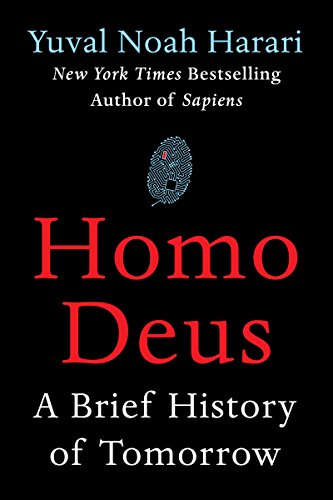
- First of three Harari books on past, future and present: Sapiens (past), Homo Deus (future) and 21 Lessons for the 21st Century (present). It stands alone.
- Content notes
- Matter-of-fact discussion of violence, the extinction of other human species and large animals, slavery, empire and animal suffering.
§Common questions
- Is Sapiens accurate?
- Experts dispute that. Kirkus found it solid and engaging; anthropologists and reviewers have flagged oversimplification, exaggeration and thin sourcing. Read it as a big-picture provocation, not a textbook.
- Do I need to read Homo Deus and 21 Lessons?
- No. Sapiens stands alone; the other two continue into the future and the present if you want more.
- Is there a shorter version?
- Yes. Sapiens: A Graphic History is a comics adaptation of the same material, started in 2020.
§If you liked this
- Homo Deus by Yuval Noah Harari — The direct follow-up, on possible futures, in the same sweeping style.
- 21 Lessons for the 21st Century by Yuval Noah Harari — The present-day volume, completing the past-future-present sequence.
- Sapiens: A Graphic History by Yuval Noah Harari, David Vandermeulen and Daniel Casanave — The same argument drawn, if the doorstopper format is putting you off.
Track this book
Add to your library to track progress and write reviews