
§Author· 20 books
Yuval Noah Harari
Examining the sweeping trajectory of human evolution, social structures, and technological advancement, macro-historical non-fiction offers critical frameworks for understanding contemporary global challenges. Yuval Noah Harari brought large-scale historical analysis to a broad audience with Sapiens: A Brief History of Humankind, which explores how cognitive development, agricultural shifts, and shared cultural fictions shaped human society.
Career & Background
Born in Kiryat Atta, Israel, on February 24, 1976, Harari pursued advanced historical research at the University of Oxford, earning his doctorate in 2002. He subsequently joined the faculty at the Hebrew University of Jerusalem as a professor of history, specializing in world, medieval, and military history. His undergraduate lectures on world history served as the basis for his 2011 book Sapiens: A Brief History of Humankind. In 2019, Harari and Itzik Yahav co-founded Sapienship, a social impact company that develops projects in education and entertainment to address pressing global issues.
Writing Style & Themes
Harari combines history, evolutionary biology, and anthropology to address macro-historical questions regarding human existence. His writing analyzes how shared narratives, free will, consciousness, happiness, and suffering influence human behavior and social structures. In works such as Homo Deus: A Brief History of Tomorrow and Nexus: A Brief History of Information Networks from the Stone Age to AI, he examines the historical evolution of information networks and evaluates the existential risks associated with artificial intelligence and non-human decision-making systems.
Major Works
- Sapiens: A Brief History of Humankind — Originally published in 2011 based on university lectures, this work traces the history of humanity from the evolution of archaic human species to modern technological societies.
- Homo Deus: A Brief History of Tomorrow — Published in 2016, this book investigates the long-term future of humanity, examining how technology, data systems, and artificial intelligence may alter human ambitions and capabilities.
- Nexus: A Brief History of Information Networks from the Stone Age to AI — Published in 2024, this narrative examines information networks across history, analyzing how information flows shape societies and warning of challenges posed by AI.
- Sapiens: A Graphic History, Volume 1 - The Birth of Humankind — Created with artists David Vandermeulen and Daniel Casanave, this 2020 graphic adaptation presents human evolutionary history in a visual graphic novel format.
- Sapiens: A Graphic History, Volume 2: The Pillars of Civilization — This graphic volume explores the Agricultural Revolution and how early human farming and settlement patterns transformed human social organization.
§All Books
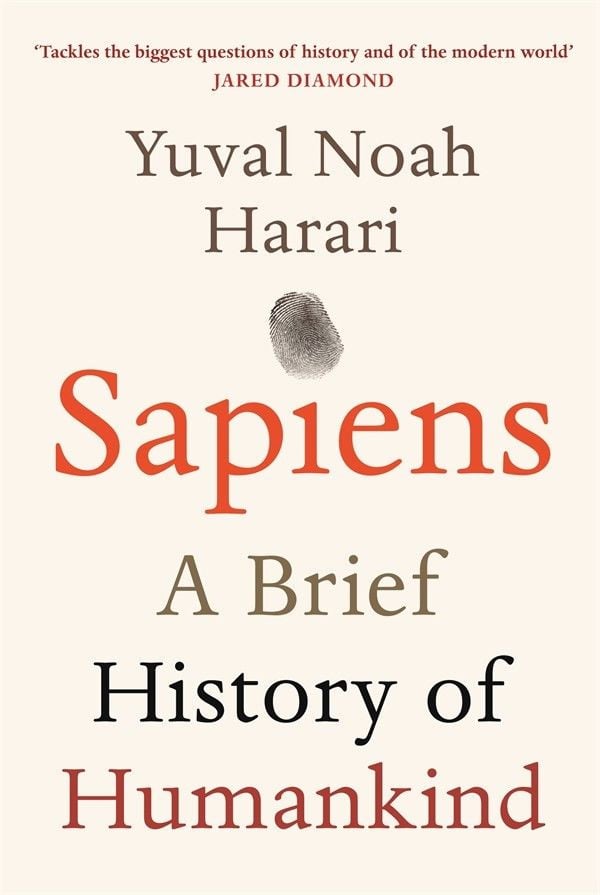
Sapiens: A Brief History of Humankind
Yuval Noah Harari, 2011
1,414 ratings
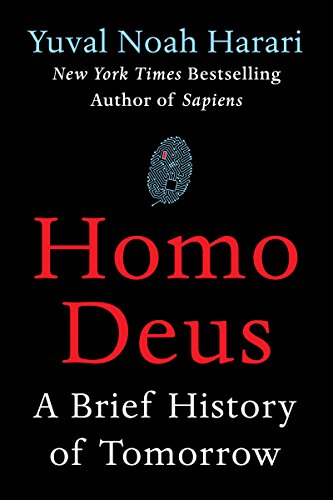
Homo Deus: A Brief History of Tomorrow
Yuval Noah Harari, 2015
614 ratings

Nexus: A Brief History of Information Networks from the Stone Age to AI
Yuval Noah Harari, 2024
83 ratings

Sapiens: A Graphic History, Volume 1 - The Birth of Humankind
Yuval Noah Harari, 2020
54 ratings
Sapiens: A Graphic History, Volume 2: The Pillars of Civilization
Yuval Noah Harari, 2020
13 ratings

Sapiens: A Graphic History, Volume 3—The Masters of History
Yuval Noah Harari, 2020
2 ratings

Sapiens [Tenth Anniversary Edition]: A Brief History of Humankind
Yuval Noah Harari, 2025

Homo Deus A Brief History of Tomorrow
Yuval Noah Harari, 2015

Sapiens. Volume 2. I pilastri della civiltà. Graphic Novel
Yuval Noah Harari, 2021

La Naissance de l'Humanité
Yuval Noah Harari, 2020

Sapiens, Vol. 3
Yuval Noah Harari, 2024
Sapiens: Der Aufstieg
David Vandermeulen, 2020

Sapiens. Una historia gráfica. El nacimiento de la humanidad
Yuval Noah Harari, 2020
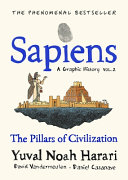
Sapiens: Os Pilares da Civilização
Yuval Noah Harari, 2011

เซเปียนส์ ประวัติศาสตร์ฉบับกราฟิก: เสาหลักแห่งอารยธรรม
Yuval Noah Harari, 2021

Sapiens A Graphic History, Volume 3
Yuval Noah Harari, 2024

Sapiens: Hayvanlardan Tanrılara - İnsan Türünün Kısa Bir Tarihi
Yuval Noah Harari, 2015

Sapiens - Az emberiség rövid története
Yuval Noah Harari, 2011

Sapiens: En tegnet historie - Menneskehetens begynnelse
David Vandermeulen, 2020
§ About Yuval Noah Harari's books
- Books on SansFiction
- 20
- Published
- 2011–2025
- Average rating
- 4.1 / 5 across 2,180 ratings
- Genres
- History Of Civilization & Culture, Comics & Graphic Novels, Psychology, General Anthropology
- Series
- Sapiens: A Graphic History, Homo
Start here: Sapiens: A Brief History of Humankind (2011)
From a renowned historian comes a groundbreaking narrative of humanity’s creation and evolution—a #1 international bestseller—that explores the ways in which biology and history have defined us and enhanced our understanding of what it means to be “human.” One hundred thousand years ago, at least six different species of humans inhabited Earth.
Sapiens: A Graphic History: reading order
- Sapiens: A Graphic History, Volume 1 - The Birth of Humankind
- La Naissance de l'Humanité
- Sapiens: Der Aufstieg
- Sapiens. Una historia gráfica. El nacimiento de la humanidad
- Sapiens: En tegnet historie - Menneskehetens begynnelse
- Sapiens: A Graphic History, Volume 2: The Pillars of Civilization
- Sapiens. Volume 2. I pilastri della civiltà. Graphic Novel
- Sapiens. Una historia gráfica 2 - Los pilares de la civilización
- Sapiens: Os Pilares da Civilização
- เซเปียนส์ ประวัติศาสตร์ฉบับกราฟิก: เสาหลักแห่งอารยธรรม
- Sapiens: A Graphic History, Volume 3—The Masters of History
- Sapiens, Vol. 3
- Sapiens A Graphic History, Volume 3
Homo: reading order
Common questions about Yuval Noah Harari
- Who is Yuval Noah Harari?
- Born in Kiryat Atta, Israel, on February 24, 1976, Harari pursued advanced historical research at the University of Oxford, earning his doctorate in 2002. He subsequently joined the faculty at the Hebrew University of Jerusalem as a professor of history, specializing in world, medieval, and military history.
- What is Yuval Noah Harari best known for?
- Yuval Noah Harari is best known for Sapiens: A Brief History of Humankind, published in 2011 with 1,414 ratings and a 4.1 average. It is the most-rated of Yuval Noah Harari's books on SansFiction.
- How many books has Yuval Noah Harari written?
- SansFiction lists 20 books by Yuval Noah Harari, published between 2011 and 2025. The most popular are Sapiens: A Brief History of Humankind, Homo Deus: A Brief History of Tomorrow, Nexus: A Brief History of Information Networks from the Stone Age to AI, Sapiens: A Graphic History, Volume 1 - The Birth of Humankind and Sapiens: A Graphic History, Volume 2: The Pillars of Civilization.
- What order should I read Yuval Noah Harari's Sapiens: A Graphic History books in?
- Read the Sapiens: A Graphic History books in series order: 1. Sapiens: A Graphic History, Volume 1 - The Birth of Humankind, 1. La Naissance de l'Humanité, 1. Sapiens: Der Aufstieg, 1. Sapiens. Una historia gráfica. El nacimiento de la humanidad, 1. Sapiens: En tegnet historie - Menneskehetens begynnelse, 2. Sapiens: A Graphic History, Volume 2: The Pillars of Civilization, 2. Sapiens. Volume 2. I pilastri della civiltà. Graphic Novel, 2. Sapiens. Una historia gráfica 2 - Los pilares de la civilización, 2. Sapiens: Os Pilares da Civilização, 2. เซเปียนส์ ประวัติศาสตร์ฉบับกราฟิก: เสาหลักแห่งอารยธรรม, 3. Sapiens: A Graphic History, Volume 3—The Masters of History, 3. Sapiens, Vol. 3, 3. Sapiens A Graphic History, Volume 3.
- What genres does Yuval Noah Harari write?
- Yuval Noah Harari's books on SansFiction are tagged History Of Civilization & Culture, Comics & Graphic Novels, Psychology and General Anthropology.
Explore: History Of Civilization & Culture · Comics & Graphic Novels · Psychology · General Anthropology