The New York Times' Book critics far and wide have selected the top best memoirs published since 1969.
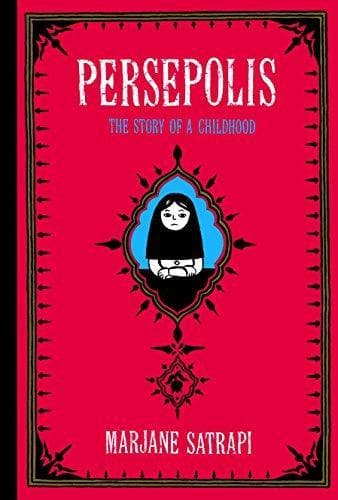
Satrapi's graphic memoir depicts her Tehran childhood amid revolution and war, blending humor and heartbreak.
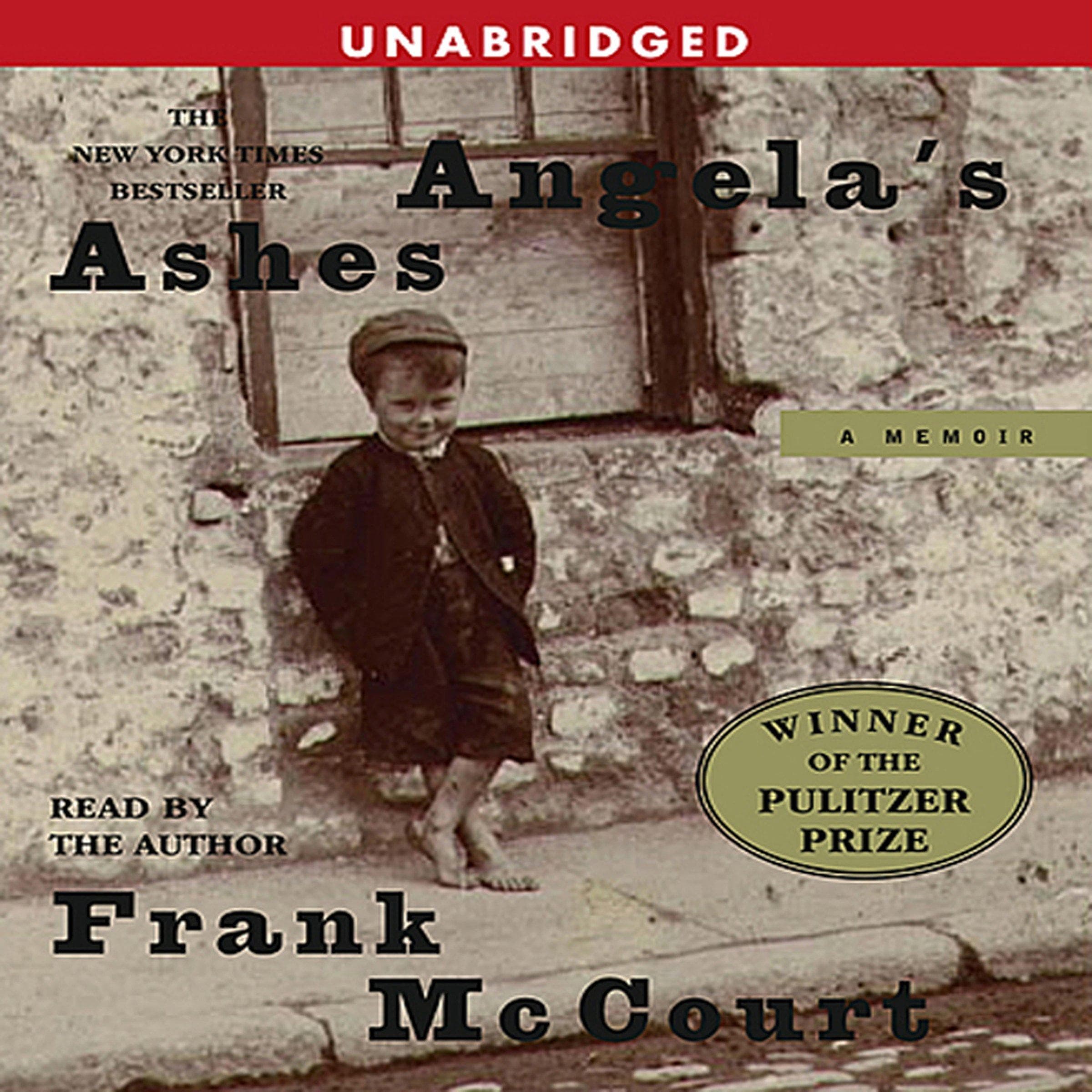
A miserable Limerick childhood told with dark humor; McCourt makes deprivation sing without sweetening it. The famous opening alone earns its place.
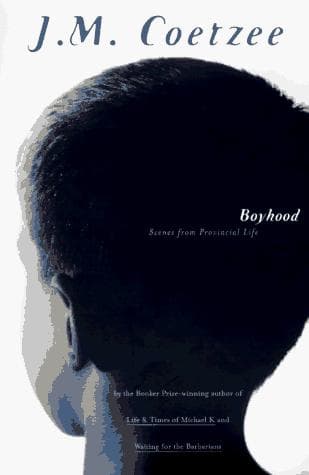
Coetzee narrates his own childhood in the third person, watching the boy as if from across the room. A strange, cool device that makes a familiar coming-of-age feel freshly examined.
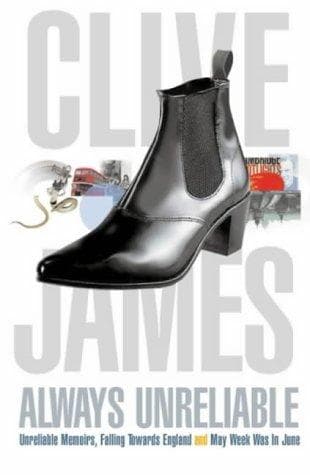
James made a career out of being the cleverest man in the room, and here he explains how he got that way. Witty and self-deprecating, it's funnier than many memoirs.
A letter to his son that doubles as a national indictment. Coates writes about living in a Black body with striking directness, and the book is short enough to read in one sitting.
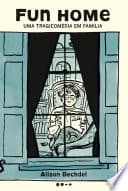
Bechdel's graphic memoir blends humor and dread to explore a father's probable suicide and a daughter's coming out. A landmark of comics and of autobiography alike.
Didion examines the year her husband died at the dinner table, exploring grief with her characteristic precision.
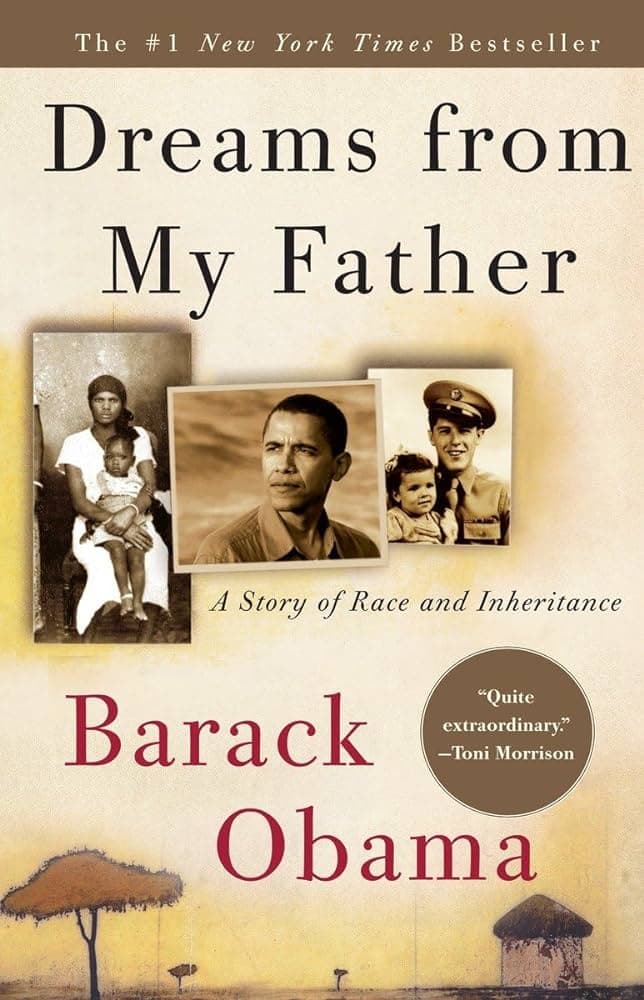
Before the politics, Obama was a writer, and it shows. A young man retraces Kansas, Indonesia and Kenya to reckon with a father he barely knew.
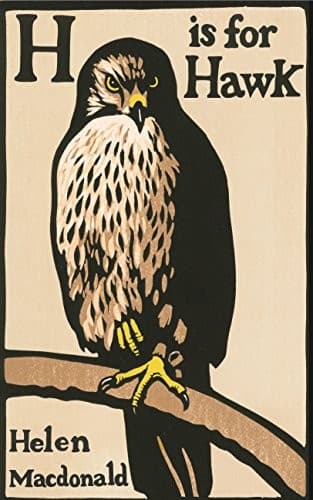
Grief, a goshawk, and T.H. White: Macdonald tames a fierce bird while mourning her father, and the wildness works both ways. Readers who like nature writing with teeth will stay up late.
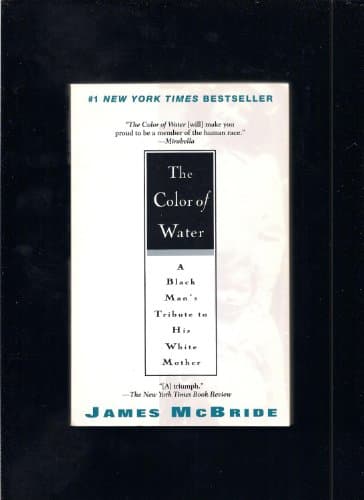
A son chasing his mother's secrets, and finding his own. McBride's double portrait of Ruth McBride Jordan and her twelve children earns its classic status the honest way.
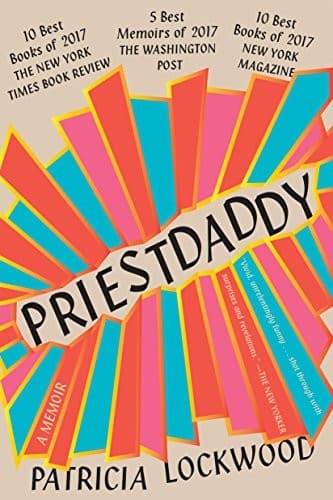
Lockwood grew up with a Catholic priest for a father, which is exactly as strange as it sounds. Her comic precision makes this the funniest book on the list, and sneakily moving.
Vidal spent a lifetime inventing himself on the page, so his memoir reads like the source material. Anyone curious how a Washington boyhood became a life in letters will find the whole blueprint here.
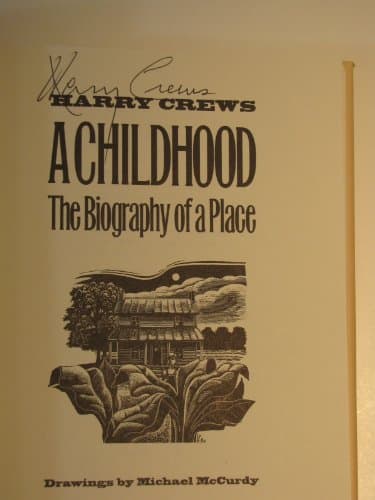
The New Yorker called it one of the finest memoirs ever written, and Crews earns it. Rural Georgia in the Depression, rendered with tenderness and a vat of near-boiling hog water.
Roth turns from fiction to his dying father and finds nothing to invent. A son's dread and love laid bare, plainly and without flinching.
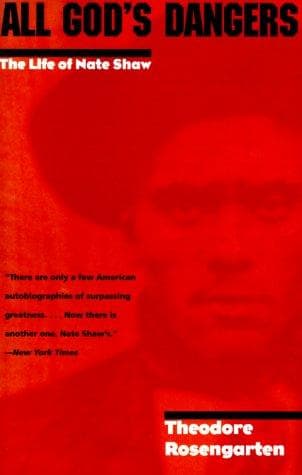
A memoir told in the subject's own name, which is rarer than it sounds — and one the Times's critics deemed among the best of the past 50 years.
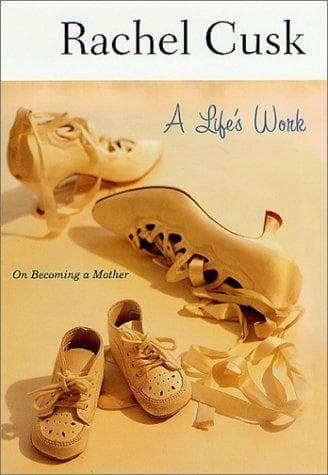
Cusk writes about becoming a mother without sentiment or apology, which is exactly why some readers adore her and others throw the book across the room. Honest to the point of discomfort.
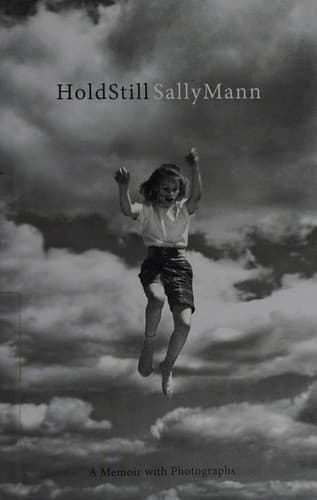
Mann writes her family history the way she photographs it: patient, exact, and haunted by the South. The interplay of narrative and image makes this one for readers who think in pictures.
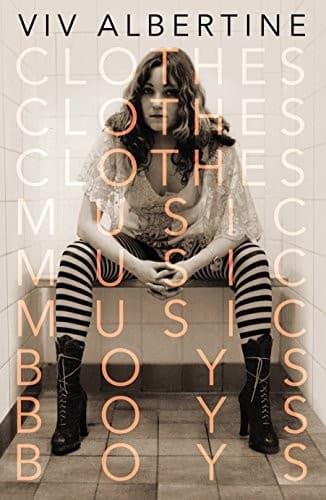
No tidy life story here: a memoir that counts its obsessions honestly, a life measured in music rather than milestones.
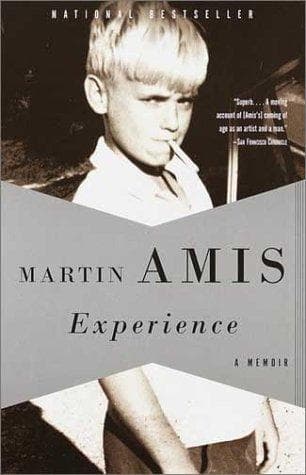
Amis on memory, family, and what a life actually retains — a literary memoir with real candour.
A letter to his son that doubles as a national indictment. Coates writes about living in a Black body with striking directness, and the book is short enough to read in one sitting.
Bechdel's graphic memoir blends humor and dread to explore a father's probable suicide and a daughter's coming out. A landmark of comics and of autobiography alike.
Satrapi's graphic memoir depicts her Tehran childhood amid revolution and war, blending humor and heartbreak.
Explore: Classics · Biography & Autobiography · Nonfiction · History